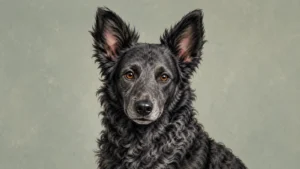
Collie Health and Costs
Breed Group
Herding Dogs
Country of Origin
United Kingdom
Breed Size
Large
AKC Recognition
Yes, recognized in 1885
FCI Recognition
Yes, recognized in 1955
Rarity
Very Common2 / 10
Purchase cost
Moderate to Expensive6 / 10
Life expectancy
Moderate Lifespan5 / 10
Health
Fairly healthy6 / 10
Health problem risk
Moderate health concerns4 / 10
Maintenance cost
Moderate upkeep cost4 / 10
A Veterinarian's Guide
Collie Health Problems and Costs
The Collie is a gentle, devoted herding dog with a famously beautiful coat. It is generally a sound breed, but a few inherited issues repeat: a gene that makes some common medications unsafe, an eye condition present from birth, a rare skin and muscle disease, and a deep chest that raises bloat concern. Knowing them before you bring a puppy home, or while you already share your life with one, makes testing and vet visits much easier to plan.
In this guide

Why Does the MDR1 Gene Matter So Much in Collies?
Tell every veterinarian, groomer and pet sitter about your Collie's MDR1 status before any medication is given, and go to an emergency vet immediately if your dog becomes wobbly, disoriented or collapses after a new drug.
The MDR1 gene, short for multidrug resistance 1, normally builds a protein that keeps certain drugs out of the brain. In dogs with the mutation, that barrier is faulty, so some drugs reach the brain in amounts that can make a dog very ill or even be fatal. About three in four Collies in the United States carry the mutation, according to Washington State University's veterinary pharmacology laboratory, which discovered it.
Loperamide, the over-the-counter anti-diarrheal medicine, should be avoided in dogs with the mutation, and some ivermectin products need careful dosing, although a common heartworm preventive containing ivermectin is considered safe at the label dose. Never guess: ask your veterinarian to check any new drug against your dog's MDR1 status. A cheek-swab DNA test is the only way to know that status, and it is best done before the first medication is ever needed, not after a reaction.
- 01
Wobbling or disorientation
Unsteady walking, confusion, or staring after a new medication.
- 02
Tremors
Shaking or muscle twitching that you cannot calm.
- 03
Heavy drooling
Sudden, excessive drooling or vomiting after a dose.
- 04
Collapse
The dog cannot stand, or becomes unresponsive.
Bring the medication packaging with you, and keep a copy of the test result at your clinic, with your groomer, and with any boarding facility you use.
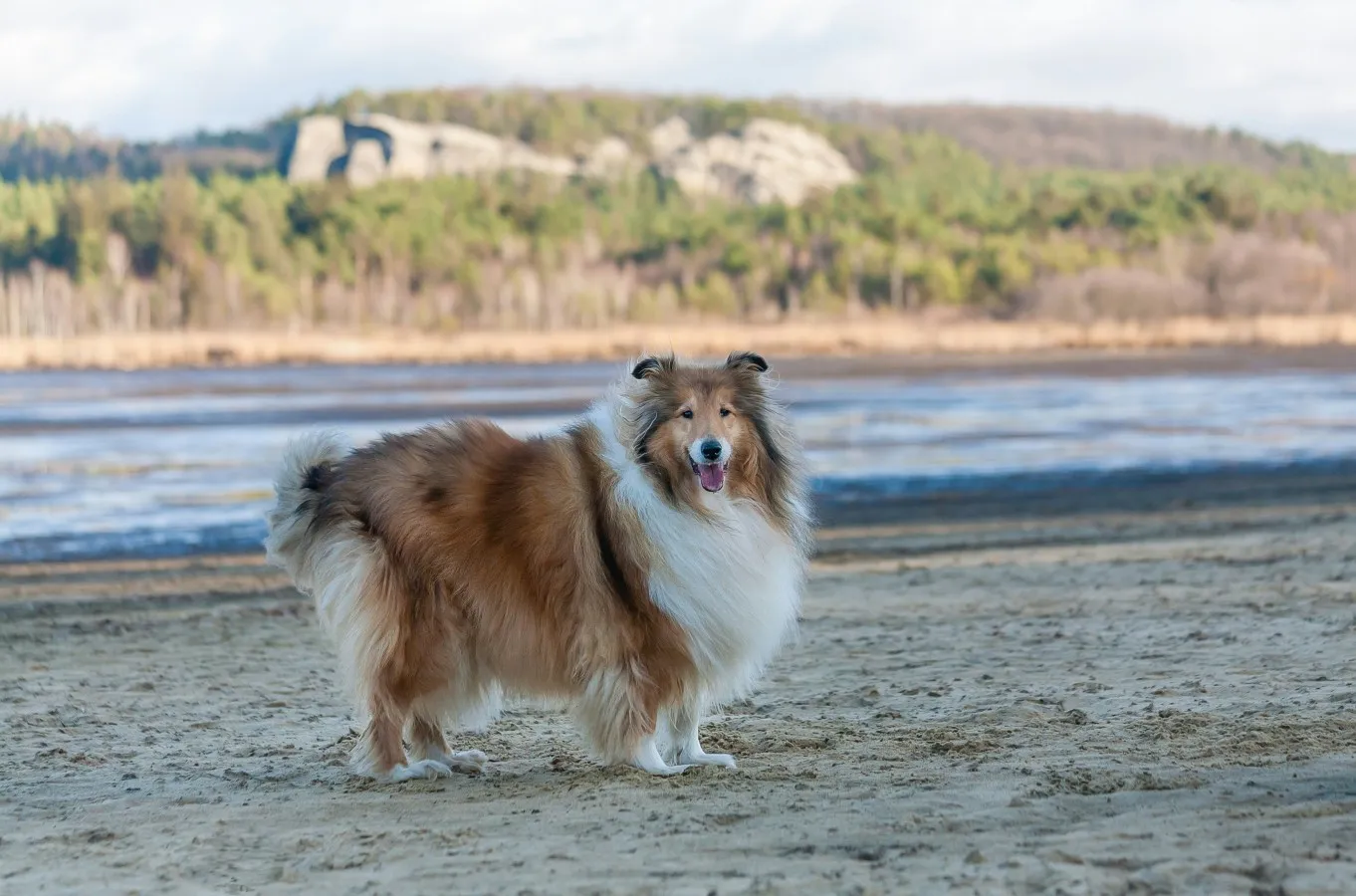
What Is Collie Eye Anomaly?
Collie eye anomaly is an inherited condition in which parts of the eye, including the retina, the light-sensing layer at the back, do not develop normally. It is present from birth and common in the breed. Severity varies widely: many dogs have mild changes and see normally, while severe cases can lead to blindness, usually before age two. There is no treatment, so a veterinary eye specialist can examine puppies in the first weeks of life, and a DNA test is available for breeding dogs.
Progressive retinal atrophy, or PRA, is a separate inherited breakdown of the retina's light-sensing cells that is also reported in Collies and also has a DNA test. Retina comes from the Latin rete, "net," and atrophy from the Greek for "without nourishment."

What Is Dermatomyositis?
Dermatomyositis is an uncommon inherited inflammatory disease of the skin and muscles. The word comes from the Greek derma, "skin," mys, "muscle," and the suffix -itis, "inflammation." It usually appears in young dogs, often before six months of age, with hair loss and crusted or scarred skin on areas such as the face, ears and legs. Affected dogs may need lifelong medication. A DNA test exists, so breeders can avoid pairings that produce it.
Are Bloat and Hip Problems a Concern?
Bloat, medically gastric dilatation-volvulus, happens when the stomach fills with gas and twists on itself. Hip dysplasia, an inherited malformation of the hip joint that leads to arthritis, and bloat are both common in larger dogs generally rather than unique to Collies, so they deserve awareness rather than alarm. A swollen belly, unproductive retching, restlessness, or sudden collapse means an emergency vet visit right away, because surgery is the only way to untwist a stomach.
Feeding smaller, more frequent meals and avoiding hard exercise around mealtimes help, though they do not remove the risk. Ask your veterinarian whether a preventive gastropexy makes sense for your dog. The word comes from the Greek gaster, "stomach," and pexis, "fixing in place." Keeping a Collie lean is the simplest way to protect the hips.
What Does Managing a Collie's Health Actually Cost?
| Condition or Need | Typical Cost Range | Notes |
|---|---|---|
| Routine wellness exam and vaccines | $200 to $400 a year | Annual visit |
| MDR1 DNA test | $40 to $75 | One time, ideally in puppyhood |
| Eye specialist exam | $50 to $150 | Puppy screening, then as advised |
| Food and grooming supplies | $500 to $900 a year | Thick double coat |
| Emergency reserve | $1,000 or more | Drug reaction or bloat |
Questions to Ask a Breeder Before Buying a Puppy
Ask for the MDR1 status of both parents and whether the puppies have had an eye exam. The breed club's recommended list of DNA tests covers MDR1, Collie eye anomaly, progressive retinal atrophy and dermatomyositis, so ask to see all four results. A breeder who raises MDR1 without being asked is usually well informed about the rest of the breed's needs too.
Daily Life With a Collie
Collies are working herding dogs at heart, and a bored one can become anxious or destructive, so plan on at least an hour of exercise a day plus mental work. The thick coat needs regular grooming, at least weekly brushing and more often when the undercoat is shed, which happens about twice a year. Collies are loyal and gentle with their families, as the personality profile explains, and they are intelligent and eager to learn, which makes early, reward-based training a pleasure.

Keeping Your Collie Healthy for the Long Run
Test for MDR1 early, keep the result on file everywhere your dog goes, schedule eye checks as your veterinarian advises, and keep your dog lean throughout life. Learn bloat's warning signs before you ever need them. Pet insurance is worth pricing while your dog is young and healthy, since a single drug reaction can mean an intensive care stay.
Final Thoughts From a Veterinarian
Collies usually live 10 to 14 years. Test for MDR1 early and tell every vet, groomer and sitter the result, check puppies' eyes, and brush the coat weekly or more. Budget roughly $275 to $570 a month. Your veterinarian can tailor the plan.
Health & Costs FAQ
How much do Collie cost?
Purchasing a Collie puppy from a reputable breeder typically costs between $1,000 and $3,000. Prices vary by region, pedigree, and health screenings. Alternatively, adoption fees range from $150 to $400. Prospective owners should also budget approximately $700 to $2,500 for initial supplies and vaccinations.
Purchase cost: 6 / 10
How long do Collie live?
Collies usually live 10 to 14 years. A lean weight, daily exercise, dental care, and routine veterinary checkups help them stay active into their senior years, and knowing their MDR1 status protects them from medication reactions.
Life expectancy: 5 / 10
Are Collie healthy dogs?
Collies are generally sound, loyal dogs, but several inherited conditions are worth knowing about. Roughly three in four carry the MDR1 drug sensitivity gene, Collie eye anomaly is common, and some develop dermatomyositis. DNA testing, puppy eye exams, and telling every veterinarian about MDR1 status keep these issues very manageable.
Health: 6 / 10
What health problems do Collie have?
Collies can carry the MDR1 mutation, which makes some common drugs dangerous, and Collie eye anomaly, an inherited eye condition that is usually mild but can cause blindness in severe cases. Dermatomyositis, progressive retinal atrophy, and bloat are also reported. Responsible breeders use DNA tests to screen for these conditions.
Health problem risk: 4 / 10
Are Collie expensive to maintain?
Collies have moderate upkeep costs. The thick coat needs at least weekly brushing, with more frequent brushing during seasonal shedding, which many owners manage at home. Budget for quality food, routine veterinary care, an MDR1 test, and a reserve for emergencies.
Maintenance cost: 4 / 10
How much does it cost to own a Collie per month?
Expect to spend roughly $275 to $570 a month on a Collie, covering food, grooming, and routine veterinary care for this active, medium-to-large breed. Costs vary by location and by how much grooming you hire out.
Monthly ownership cost: 7 / 10
How much does pet insurance cost for a Collie?
Pet insurance for a Collie typically costs between $30 and $60 per month, though premiums vary with your dog's age, location, and coverage limits. A policy is worth pricing while your dog is young, since an unexpected drug reaction or bloat surgery can cost thousands of dollars.
Pet insurance cost: 3 / 10
Will homeowners insurance cover a Collie?
Yes, most homeowners policies cover Collies, which are not commonly named on insurers' restricted-breed lists. Coverage can still vary by provider, so confirm with your insurer that your liability needs are met.
Homeowners insurance difficulty: 9 / 10
Are Collie on insurance restricted breed lists?
Collies are not typically found on insurance restricted-breed lists, and insurers generally view them as low risk. It is still wise to disclose your dog to your provider so your liability coverage stays valid.
Insurance restriction risk: 2 / 10
Can you get renters insurance with a Collie?
Yes, you can typically get renters insurance with a Collie, since the breed is rarely restricted. Some insurers or landlords set their own rules, so disclose your dog and confirm the policy with your landlord.
Renters insurance difficulty: 8 / 10