Curly-Coated Retriever Health and Costs
Breed Group
Sporting Dogs
Country of Origin
United Kingdom
Breed Size
Large
AKC Recognition
Yes, recognized in 1924
FCI Recognition
Yes
Rarity
Rare8 / 10
Purchase cost
Moderate to Expensive6 / 10
Life expectancy
Moderate Lifespan6 / 10
Health
Moderate health concerns4 / 10
Health problem risk
High health burden7 / 10
Maintenance cost
Moderate upkeep cost5 / 10
A Veterinarian's Guide
Curly-Coated Retriever Health Problems and Costs
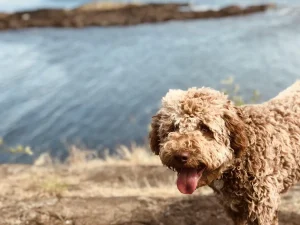
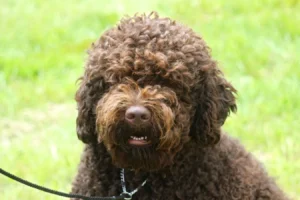
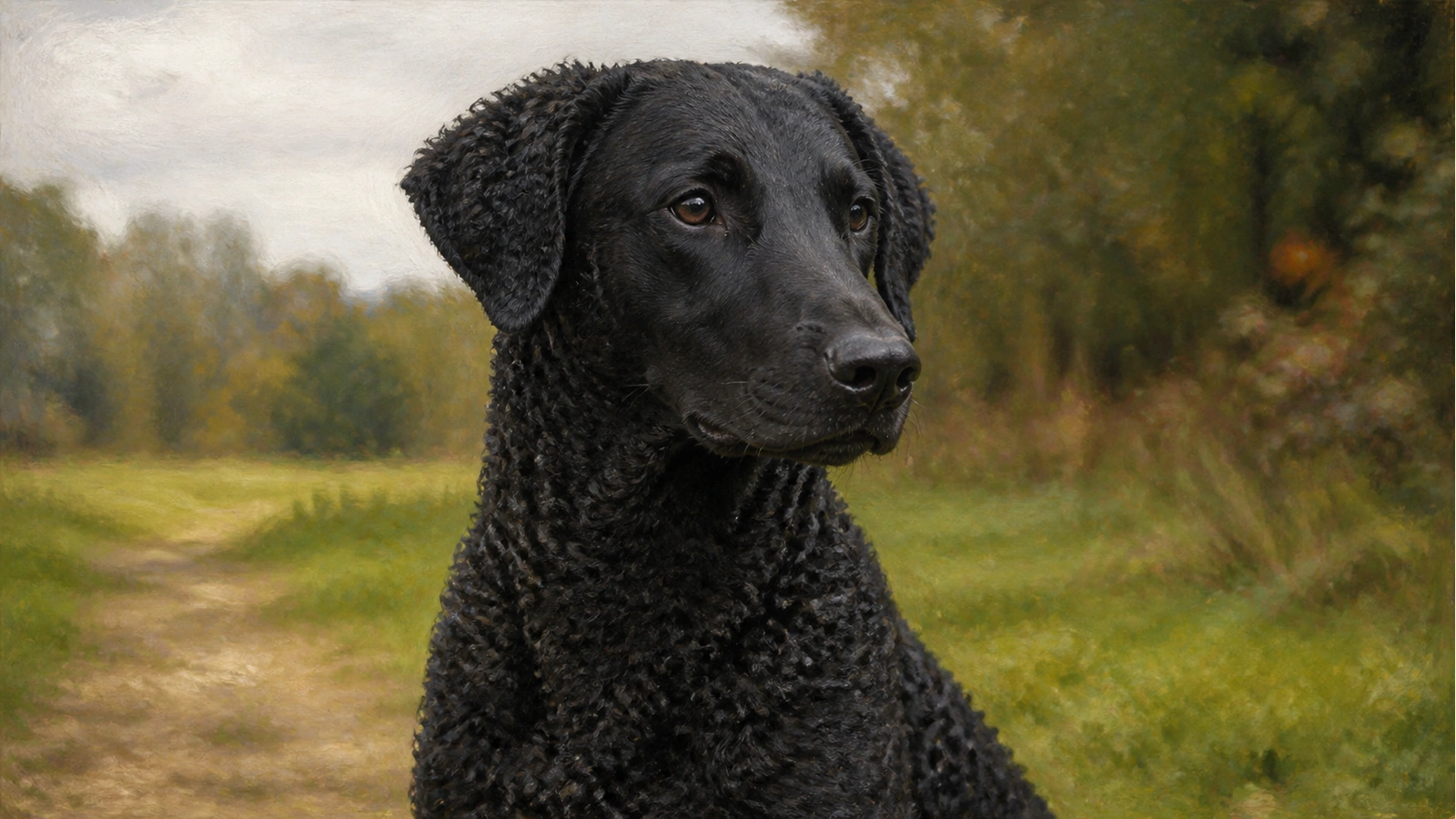
The Curly-Coated Retriever is one of the oldest retriever breeds, a tireless water dog with a coat of tight, crisp curls. It is a sturdy gundog, but its breed club recommends more DNA testing than most sporting breeds, and bloat, joints, and eyes all deserve a plan. Knowing them before you bring a puppy home, or while you already share your life with one, makes the screening and the vet visits much easier to plan.
In this guide
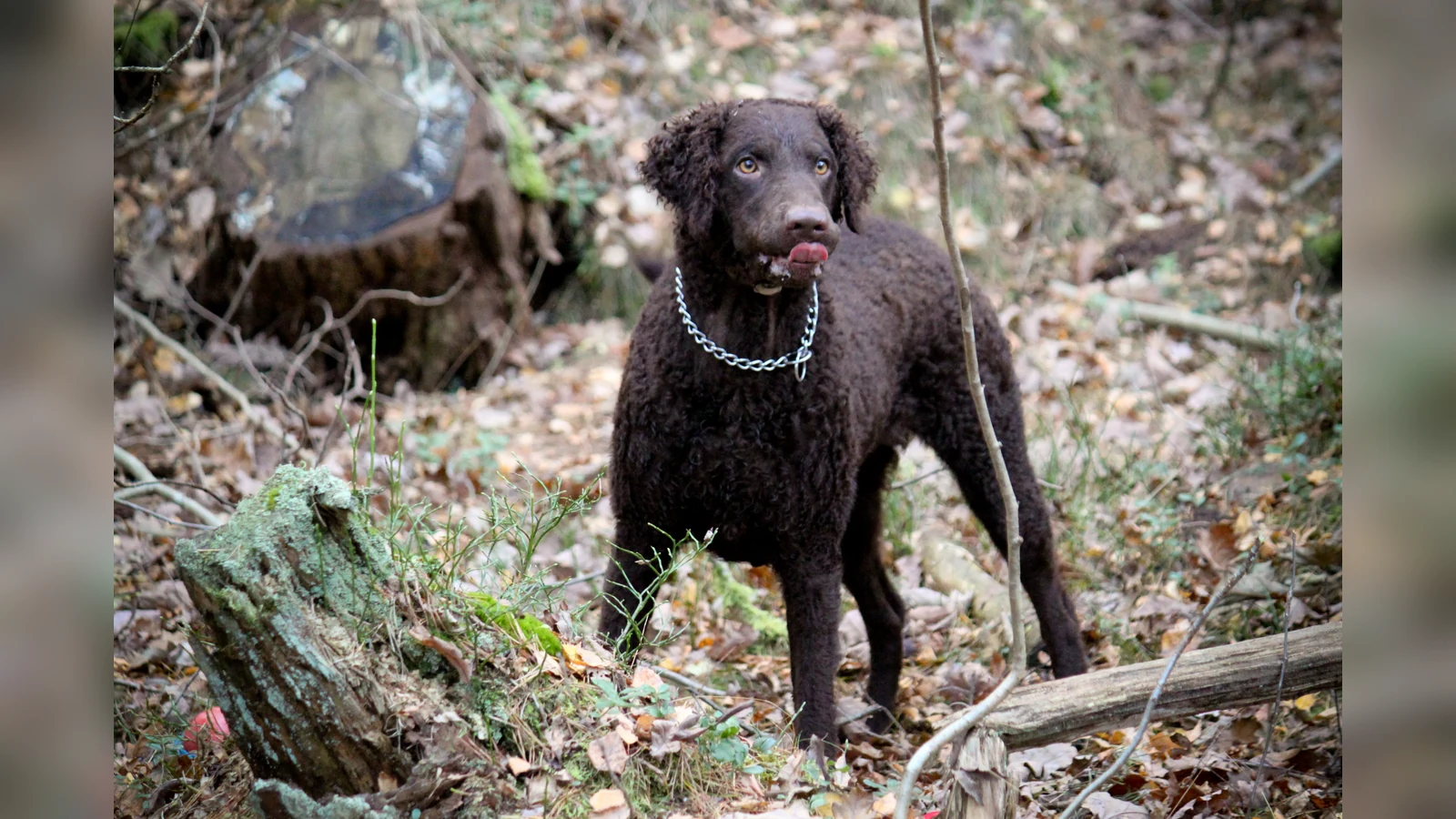
Which Inherited Conditions Should Breeding Dogs Be Tested For?
If your Curly-Coated Retriever becomes weak in the hind legs or collapses during or after exercise, stop the activity, cool the dog down, and call a veterinarian immediately.
Exercise-induced collapse, or EIC, is an inherited condition that causes hind-leg weakness and possible collapse after exercise. Body temperature can climb to dangerous levels, which is why it is treated as an emergency. A DNA test can identify carriers, and a dog can carry the gene with no visible signs, so testing breeding dogs is the only reliable protection.
Glycogen storage disease type IIIa, or GSD IIIa, is a serious inherited disorder in which glycogen, the body's stored sugar, builds up in the liver because it cannot be broken down properly. PetMD describes signs such as low blood sugar, lethargy, and vomiting that usually begin in early puppyhood and progress. Both conditions are recessively inherited, and the AKC sporting group health-testing page lists DNA tests for both among the breed club's recommendations, together with a DNA test for progressive retinal atrophy.
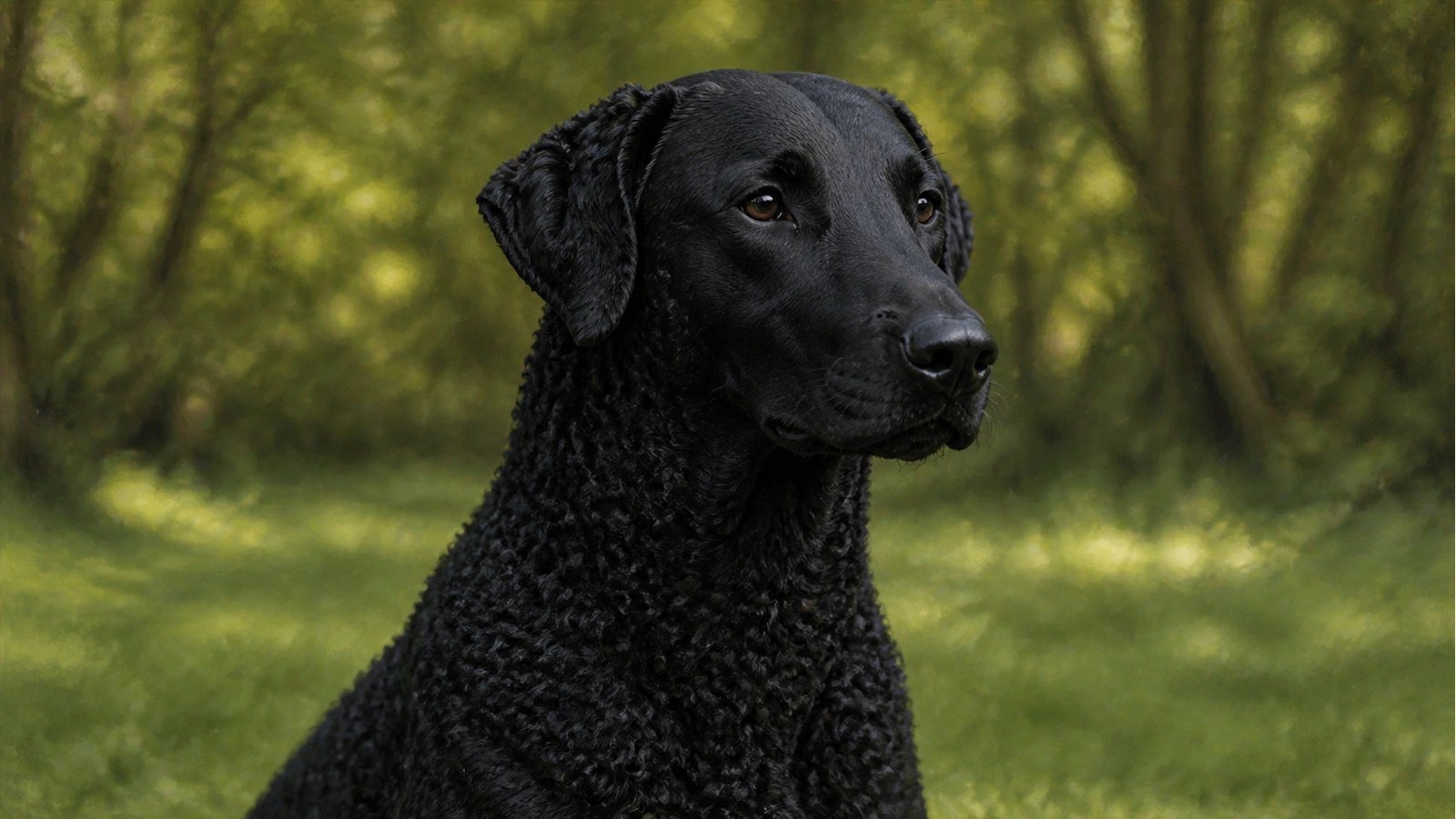
Why Do Hips and Elbows Need Screening?
Hip dysplasia, an inherited malformation of the joint that leads to arthritis over time, is listed among the breed's health concerns, and the breed club recommends a hip evaluation. The word dysplasia comes from the Greek dys-, "abnormal," and plasis, "formation." A young, athletic retriever can hide early discomfort by staying enthusiastic, so certified radiographs, meaning X-rays, are a more reliable check than watching for symptoms. Signs to mention to your veterinarian include lameness, stiffness after rest, and reluctance to climb stairs.
Weight management extends comfortable mobility, even in dogs with imperfect joints. A hands-on body condition check at every routine visit catches gradual weight gain long before it becomes obvious at home.
What Eye Conditions Show Up in This Breed?
Progressive retinal atrophy, or PRA, is an inherited breakdown of the retina's light-sensing cells that can lead to blindness. Retina comes from the Latin rete, "net." Distichiasis means extra eyelashes growing from the eyelid edge, and mild cases cause no trouble while others irritate the cornea and cause tearing or squinting. Cataracts, a clouding of the lens, are also listed. Annual eye exams, which the breed club recommends through an ophthalmologist evaluation, catch changes well before behavior would suggest a problem.
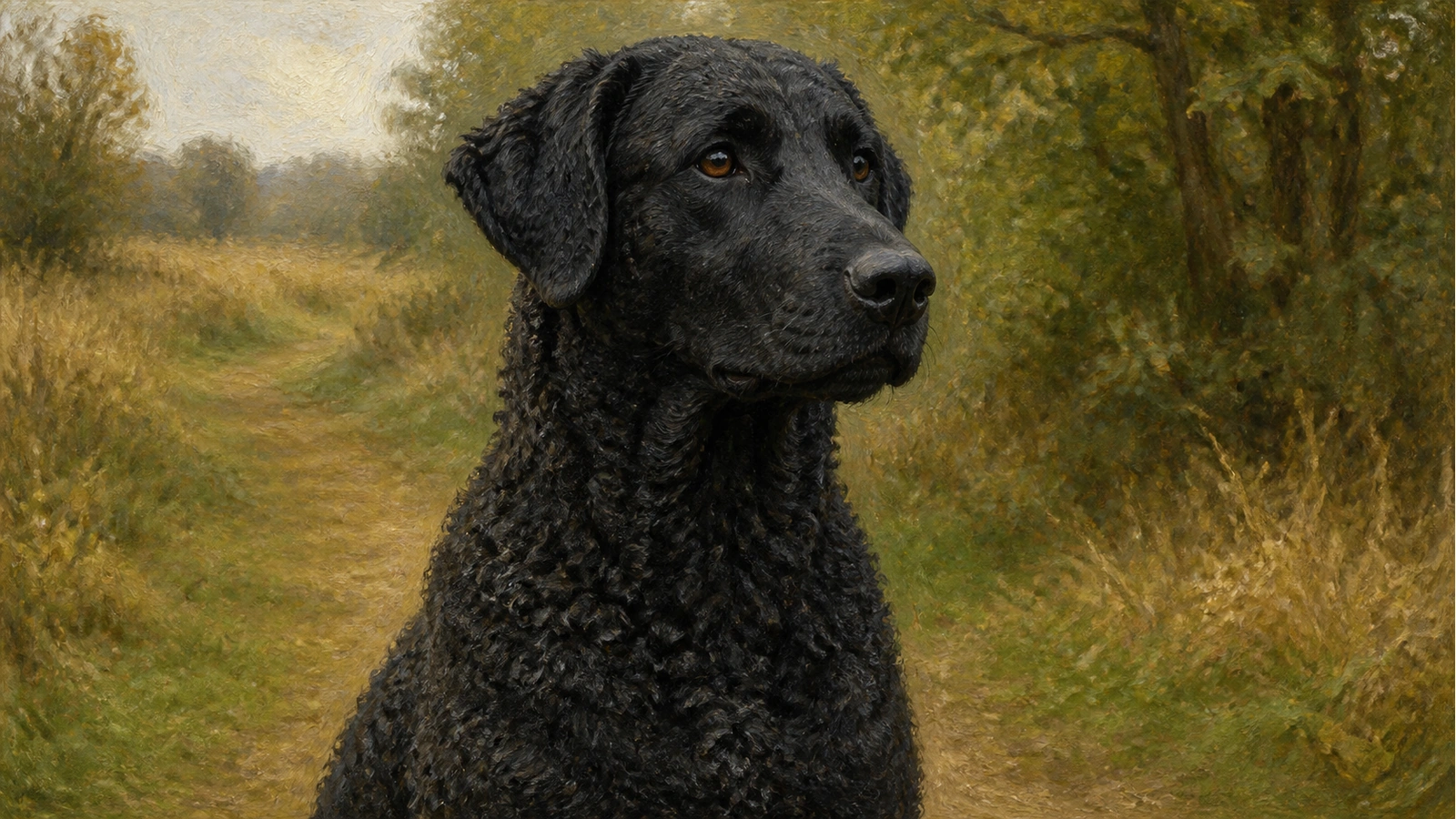
Bloat Is an Emergency in Deep-Chested Dogs
Bloat, medically gastric dilatation-volvulus, happens when the stomach fills with gas and twists on itself, cutting off its own blood supply. Large, deep-chested dogs are at higher risk, there is no home treatment, and surgery is the only way to correct a twisted stomach. Dogs who reach surgery quickly generally do better, so it is worth learning these warning signs before you ever need them.
- 01
Swollen belly
The abdomen looks tight, rounded, or distended.
- 02
Unproductive retching
Straining to vomit with little or nothing coming up.
- 03
Restlessness and drooling
Pacing, drooling, or being unable to settle.
- 04
Sudden collapse
The dog becomes weak or collapses.
Feeding two or three smaller meals and skipping exercise around mealtimes are commonly advised, though no precaution removes the risk entirely. Some owners choose a preventive gastropexy. The word comes from the Greek gaster, "stomach," and pexis, "fixing in place." The surgery tacks the stomach to the abdominal wall, often at the same time as a spay or neuter. It does not stop gas from building up, but it does stop the stomach from twisting, which is the part that can be fatal.
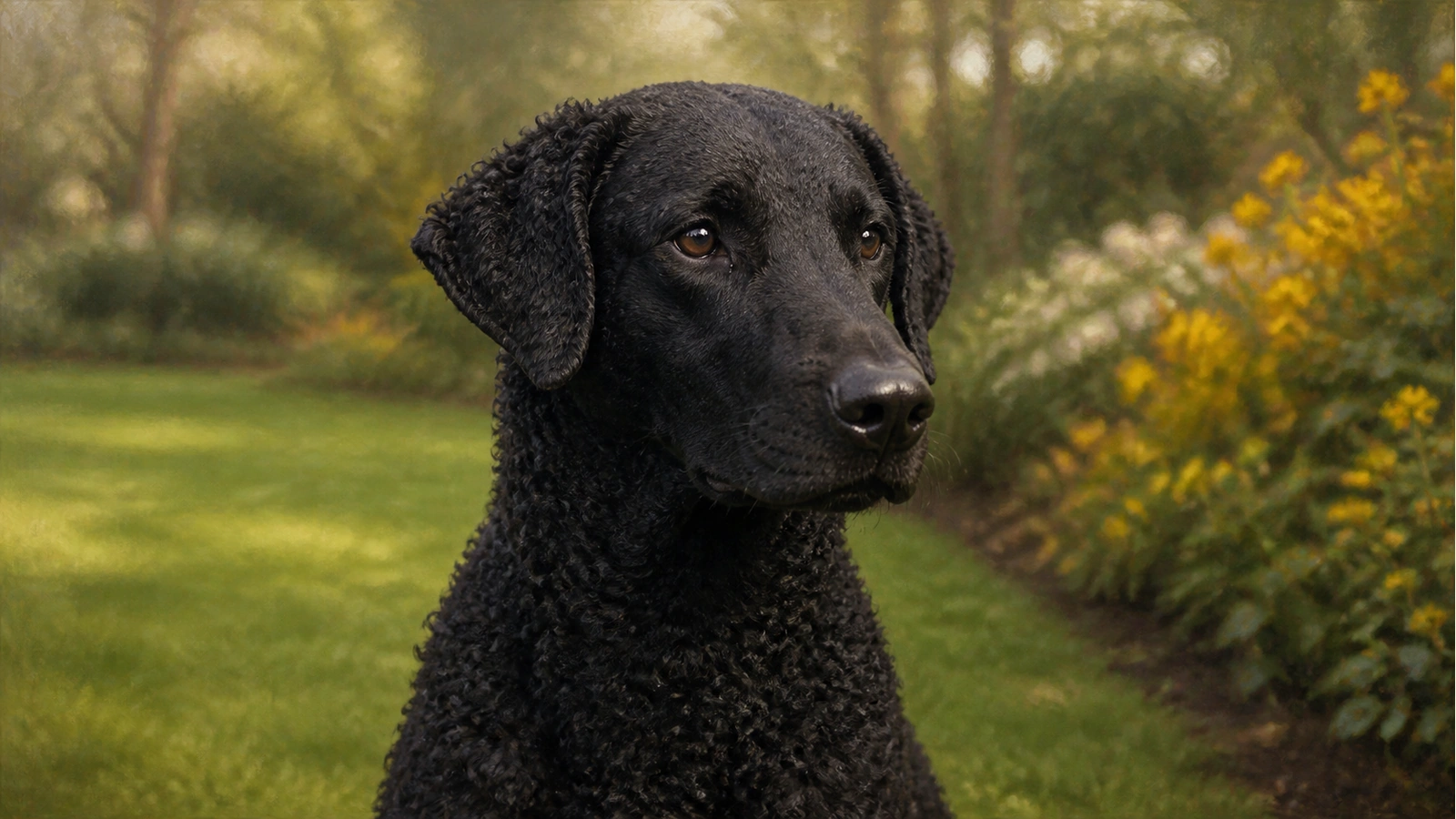
What Does Managing a Curly-Coated Retriever's Health Actually Cost?
| Condition or Need | Typical Cost Range | Notes |
|---|---|---|
| Hip and elbow radiographs (certified) | $250 to $450 | At skeletal maturity |
| GSD IIIa and EIC DNA panel | $65 to $150 | One-time, before breeding |
| Annual eye exam | $75 to $200 | Starting in early adulthood |
| Distichiasis correction | $500 to $1,500 | Only for significant cases |
| Emergency bloat surgery | $3,000 to $7,500 | Life-threatening, surgical |
Questions to Ask a Breeder Before Buying a Puppy
Ask for GSD IIIa, EIC, and PRA DNA results on both parents, along with hip, cardiac, and eye evaluations, which match the tests the breed club recommends. A breeder who raises these tests without being asked is usually well informed about the breed's other health needs too, and hesitation here is worth taking seriously.
Daily Life With a Curly-Coated Retriever
This is a working gundog and peerless swimmer with real stamina, and PetMD cites around two hours of exercise a day, such as running, swimming, or hiking. Without that outlet, a bright, strong retriever can turn destructive. The personality profile and early, consistent training are worth reading before puppy day.
The single-layer coat of tight curls is low maintenance, and brushing can make the curls frizzy, so the grooming routine is mostly a bath after swimming or mud and then letting the coat air dry. Floppy ears hold moisture, so PetMD suggests cleaning them every two to three weeks.
Keeping Your Curly-Coated Retriever Healthy for the Long Run
Confirm DNA results and hip, heart, and eye screening in any breeding dog, and keep your own dog lean. Learn bloat's warning signs before you ever need them. PetMD also lists several cancers, including osteosarcoma, mast cell tumors, and hemangiosarcoma, most often in senior dogs, so a new lump or unexplained decline deserves a visit. Pet insurance is worth pricing while your dog is young and healthy.
Final Thoughts From a Veterinarian
Curly-Coated Retrievers are sturdy working gundogs, commonly cited at 10 to 12 years. Insist on GSD IIIa and EIC DNA results, keep a lean weight, and treat a swollen belly or post-exercise collapse as an emergency. Your veterinarian can tailor the plan.
Health & Costs FAQ
How much do Curly-Coated Retriever cost?
The cost of a Curly-Coated Retriever typically ranges from $1,000 to $2,500 when purchased from a reputable breeder. Adoption is a more affordable option, usually costing between $200 and $500. Owners should also budget approximately $500 for initial supplies and ongoing annual veterinary expenses.
Purchase cost: 6 / 10
How long do Curly-Coated Retriever live?
Curly-Coated Retrievers typically live 10 to 12 years. As a sturdy working gundog, they thrive with plenty of exercise and a quality diet. Breed-specific screening, a lean weight, and regular veterinary check-ups help them live a full, active life.
Life expectancy: 6 / 10
Are Curly-Coated Retriever healthy dogs?
Curly-Coated Retrievers are sturdy gundogs that typically live 10 to 12 years, but they are not problem-free. The breed club recommends DNA tests for exercise-induced collapse, glycogen storage disease IIIa, and progressive retinal atrophy, plus hip, heart, and eye exams. Bloat is a risk in deep-chested dogs, so regular screening and emergency awareness matter.
Health: 4 / 10
What health problems do Curly-Coated Retriever have?
Curly-Coated Retrievers can develop hip dysplasia, eye conditions such as progressive retinal atrophy, distichiasis, and cataracts, and life-threatening bloat. They also carry two inherited disorders worth asking breeders about: exercise-induced collapse and glycogen storage disease type IIIa. PetMD also lists several cancers in senior dogs. Genetic screening of breeding dogs is the best protection.
Health problem risk: 7 / 10
Are Curly-Coated Retriever expensive to maintain?
Curly-Coated Retrievers are moderately priced to maintain. Their low-maintenance coat keeps grooming costs down, but their large size means a bigger food bill, and screening for conditions like hip dysplasia and eye disease adds up over time.
Maintenance cost: 5 / 10
How much does it cost to own a Curly-Coated Retriever per month?
Expect to spend between $150 and $200 per month to own a Curly-Coated Retriever. This budget covers quality large-breed food, routine veterinary care, and pet insurance. Setting money aside for hip, eye, and bloat-related costs is wise for this sporting breed.
Monthly ownership cost: 5 / 10
How much does pet insurance cost for a Curly-Coated Retriever?
Pet insurance for a Curly-Coated Retriever typically costs between $40 and $70 per month. Because the breed can face hip dysplasia, eye conditions, bloat, and cancers in senior dogs, comprehensive coverage is worth pricing while your dog is young and healthy.
Pet insurance cost: 4 / 10
Will homeowners insurance cover a Curly-Coated Retriever?
Yes, most homeowners insurance policies cover Curly-Coated Retrievers, as they are not typically on restricted breed lists. Always disclose your dog to your provider to ensure full liability coverage is active for your household.
Homeowners insurance difficulty: 9 / 10
Are Curly-Coated Retriever on insurance restricted breed lists?
No, Curly-Coated Retrievers are not typically found on insurance restricted-breed lists. Most insurers view them as low-risk sporting dogs. Still, always disclose your dog to your provider so that your liability protection remains active.
Insurance restriction risk: 2 / 10
Can you get renters insurance with a Curly-Coated Retriever?
Yes, you can typically get renters insurance with a Curly-Coated Retriever, since the breed is rarely on restricted lists. Always disclose your dog to your insurer and confirm your landlord's pet and size rules to ensure full liability protection.
Renters insurance difficulty: 8 / 10