Afghan Hound Health and Costs
Breed Group
Hound Dogs
Country of Origin
Afghanistan
Breed Size
Large
AKC Recognition
Yes, recognized in 1926
FCI Recognition
Yes, recognized in 1954
Rarity
Uncommon3 / 10
Purchase cost
Moderate to Expensive6 / 10
Life expectancy
Average lifespan5 / 10
Health
Generally healthy7 / 10
Health problem risk
Moderate health concerns4 / 10
Maintenance cost
High maintenance cost7 / 10
A Veterinarian's Guide
Afghan Hound Health Problems and Costs
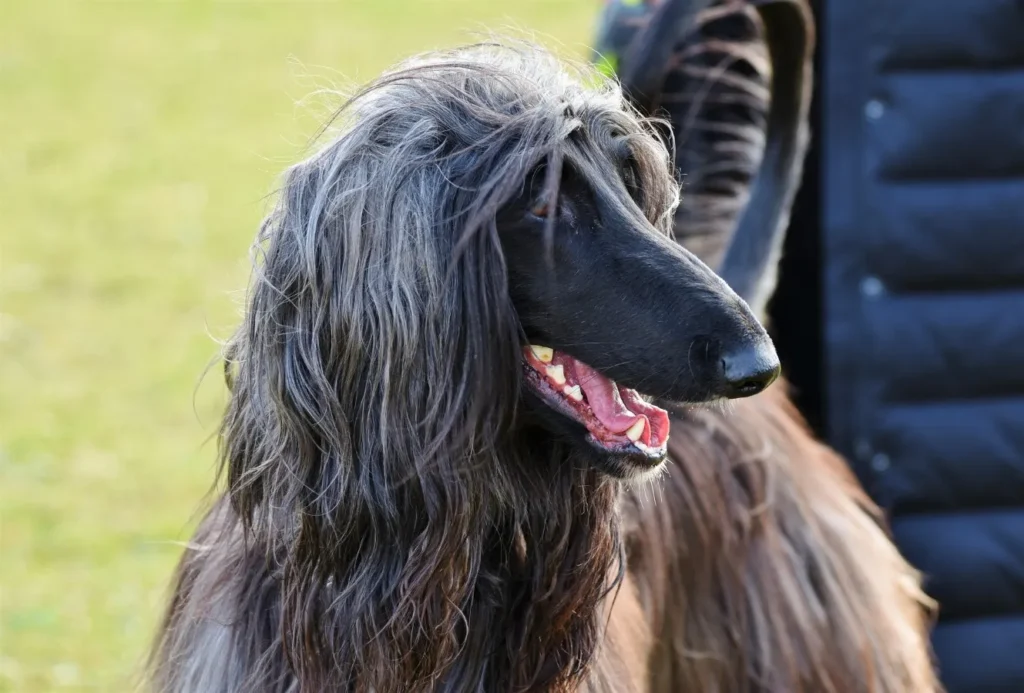
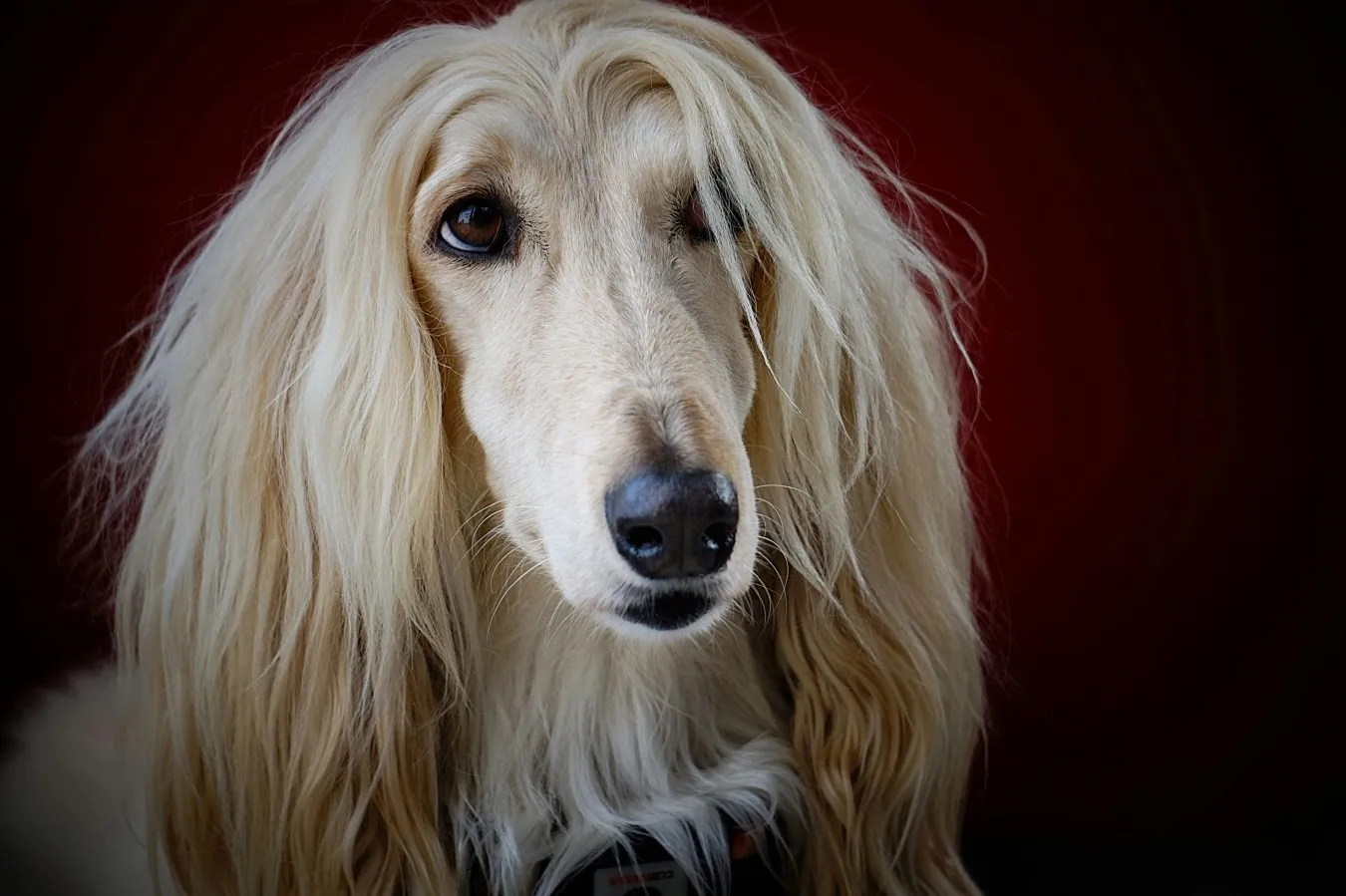
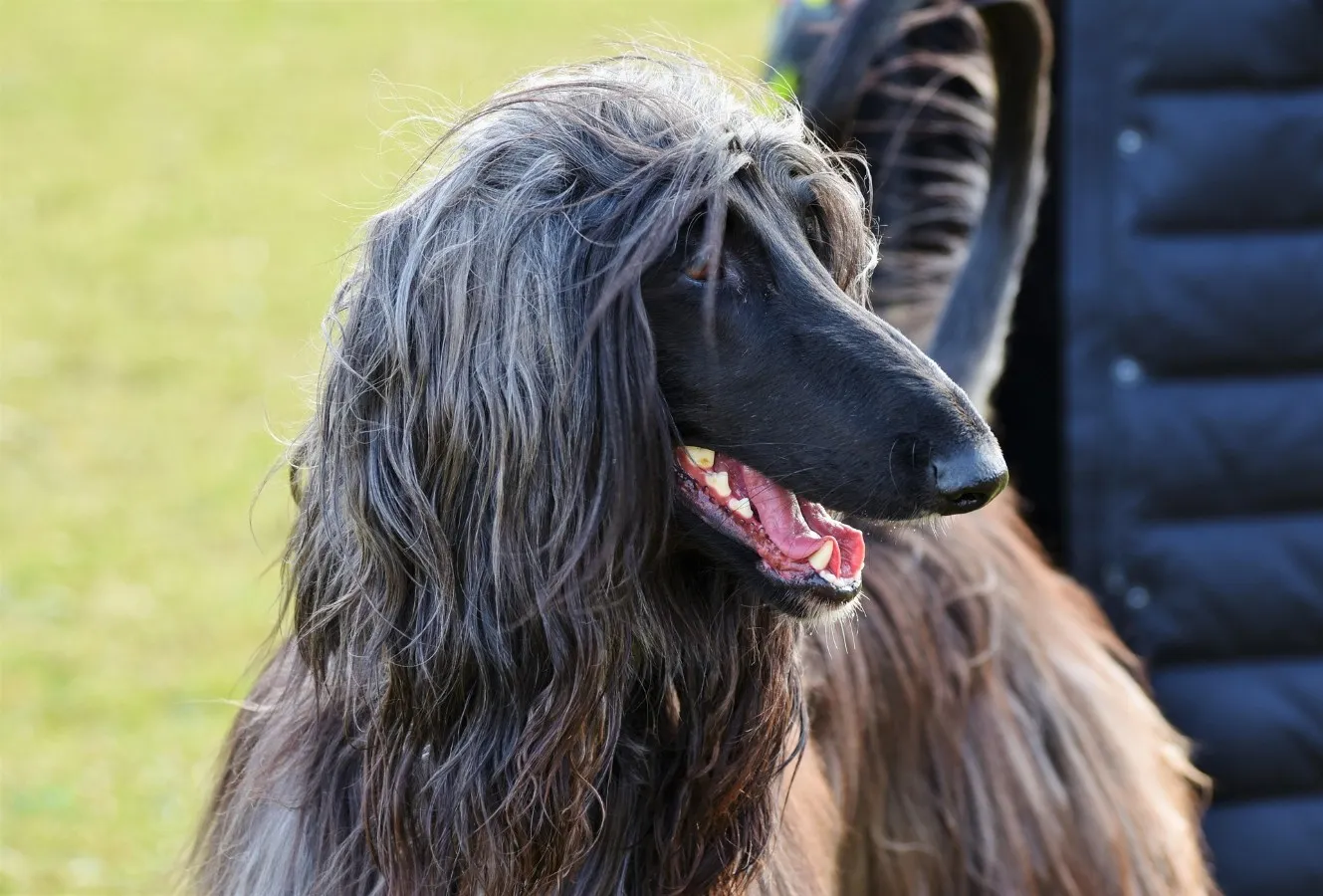
The Afghan Hound is a tall, lean sighthound with a long silky coat, and that build shapes its health needs. Like other sighthounds it is sensitive to anesthesia, and it is also more likely than most breeds to develop chylothorax, a fluid problem in the chest. Bloat, hip dysplasia, eye disease, and thyroid problems round out the list. A UK study reported an average life expectancy of about 11.1 years, so planning ahead matters.
In this guide
Why Do Afghan Hounds Need Special Care Under Anesthesia?
Like other sighthounds, the Afghan Hound is sensitive to anesthesia, which is linked to the breed's very low body fat. Many anesthetic drugs behave differently in a lean dog, so a standard protocol may not suit it. Always tell your veterinarian that your dog is a sighthound before any procedure that needs sedation, even a routine dental cleaning, and ask whether the clinic adjusts its plan for the breed.
What Is Chylothorax and Why Does It Matter for This Breed?
Chylothorax is a buildup of lymphatic fluid in the chest cavity. The word comes from the Greek chylos, "juice," and thorax, "chest." It is more common in Afghan Hounds than in other breeds, though a breed expert notes it is not an epidemic within the breed. The fluid presses on the lungs, so the first signs are often a cough, tiring quickly, and fast or labored breathing.
Labored breathing, blue or gray gums, or a dog that cannot lie down comfortably needs emergency evaluation right away. Chylothorax can be fatal, and this breed is one of the most likely to develop it.
Your veterinarian can confirm the problem with chest imaging and by testing the fluid, and the treatment plan depends on the cause and how severe it is. PetMD notes that a low-fat diet may lower the risk, so ask your veterinarian about feeding.
Why Is Bloat a Risk for Afghan Hounds?
The breed's deep chest raises the risk of bloat, medically gastric dilatation-volvulus. The stomach fills with gas and can twist on itself, cutting off its own blood supply. It is an acute, life-threatening emergency that needs immediate surgery, and there is no safe home treatment.
- 01
Swollen belly
The abdomen looks tight, rounded, or distended.
- 02
Unproductive retching
Straining to vomit with little or nothing coming up.
- 03
Restlessness and drooling
Pacing, drooling, or being unable to settle.
- 04
Weakness or collapse
Pale gums, fast breathing, or a dog that becomes weak.
Feeding several small meals instead of one large meal and limiting exercise around mealtimes both help. Many veterinarians recommend a preventive gastropexy for at-risk breeds. The word comes from the Greek gaster, "stomach," and pexis, "fixing in place." The surgery tacks the stomach to the body wall and can be done during a spay or neuter, and it is meant to prevent the dangerous twist even if gas still builds up.
What Hip and Eye Problems Should Owners Watch For?
Hip dysplasia is a malformed hip joint that can lead to arthritis, and it is among the breed's major health issues. A dog that is reluctant to jump or stiff after resting deserves an exam. Keeping your dog lean is the most useful step an owner controls.
Eye disease in the breed includes cataracts, a clouding of the lens, and progressive retinal atrophy, a slow inherited loss of the retina's light-sensing cells. Dogs adapt so well that vision loss can go unnoticed for a long time, so regular exams by a veterinary ophthalmologist are the reliable way to catch changes. A cataract can often be removed by an ophthalmologist, though an untreated one can lead to painful glaucoma.
Do Afghan Hounds Get Thyroid and Other Problems?
Hypothyroidism, a low thyroid hormone level, is seen in the breed. The main signs are weight gain without eating more, low energy, a dull thinning coat, and frequent skin or ear infections. It usually appears in middle age and is found with a blood test. It is treatable but not curable, with a daily oral thyroid medication that your veterinarian adjusts over time.
Wikipedia also lists allergies, cancer, and heart muscle disease among the breed's concerns, and an inherited spinal cord condition called Afghan myelopathy is sometimes reported, causing weakness and wobbliness in the back legs. Report any unexplained weight loss, lumps, persistent itching, or changes in walking to your veterinarian.
What Does Managing an Afghan Hound's Health Actually Cost?
| Condition or Need | Typical Cost Range | Notes |
|---|---|---|
| Dental cleaning with sighthound-adjusted anesthesia | $400 to $900 | Needs a clinic that adjusts for the breed |
| Chylothorax diagnosis and management | $800 to $3,000 or more | Surgery for persistent cases costs more |
| Emergency bloat surgery | $3,000 to $7,000 | Outcomes are better with faster treatment |
| Hip x-rays and arthritis management | $250 to $600 | Initial work-up, ongoing care extra |
| Thyroid testing and treatment | $150 to $400 | Initial testing, then lifelong daily medication |
These are broad estimates that vary by region and by how early a problem is caught. Pet insurance is worth pricing while your dog is young and healthy, since bloat and chylothorax give little advance warning.
Questions to Ask a Breeder Before Buying a Puppy
The breed club recommends hip, ophthalmologist, and thyroid evaluations for breeding dogs, so ask for the parents' results. Also ask whether bloat, chylothorax, or eye disease has appeared in the line, and how long the relatives lived.
Daily Life With an Afghan Hound
This is an elegant, athletic hound with a dignified, sometimes independent streak. The long, fine coat needs considerable care, and PetMD describes the breed as high-maintenance if you keep it in full coat, as the grooming profile explains. Check the eyes and long folded ears regularly, since problems can hide there.
The personality profile describes the temperament in detail, and early training with patient, positive methods suits an independent sighthound.
Keeping Your Afghan Hound Healthy for the Long Run
Keep your dog lean, tell every clinic about the sighthound sensitivity to anesthesia, and learn the signs of bloat and breathing trouble before you need them. Regular eye exams, hip checks, and thyroid testing catch the slower-moving conditions early. Choose a breeder who shares screening results, and your Afghan Hound has the best chance at a comfortable life.
Final Thoughts From a Veterinarian
Afghan Hounds live about 11 years in one UK study and cost roughly $150 to $250 a month. Mention sighthound status before any anesthetic, know the signs of bloat and breathing trouble, and keep up eye, hip, and thyroid screening. Your veterinarian can tailor the plan.
Health & Costs FAQ
How much do Afghan Hound cost?
An Afghan Hound puppy from a reputable breeder typically costs between $1,000 and $3,000, though prices vary by breeder and region. Owners should also budget for coat care and quality food for a tall dog.
Purchase cost: 6 / 10
How long do Afghan Hound live?
A UK study reported an average life expectancy of about 11.1 years for Afghan Hounds, compared with 12.7 years for purebred dogs overall. A lean weight, regular screening, and quick action on bloat or breathing trouble help make those years comfortable.
Life expectancy: 5 / 10
Are Afghan Hound healthy dogs?
Afghan Hounds are generally healthy but face breed-specific risks, including sensitivity to anesthesia, chylothorax, bloat, hip dysplasia, and eye and thyroid problems. Routine veterinary checkups and breeders who test hips, eyes, and thyroid help a great deal.
Health: 7 / 10
What health problems do Afghan Hound have?
Afghan Hounds can develop chylothorax, bloat, hip dysplasia, cataracts, progressive retinal atrophy, hypothyroidism, allergies, and Afghan myelopathy. They are also sensitive to anesthesia, so tell any clinic your dog is a sighthound. Labored breathing or a swollen belly needs emergency care.
Health problem risk: 4 / 10
Are Afghan Hound expensive to maintain?
Afghan Hounds are high-maintenance dogs. Their long, fine coat needs considerable care, and PetMD notes that brushing takes several hours a week and bathing is needed every week or two to keep a full coat. Owners should also budget for quality food for a tall dog and regular screening.
Maintenance cost: 7 / 10
How much does it cost to own a Afghan Hound per month?
Expect to spend roughly $150 to $250 per month on an Afghan Hound. This covers food, coat care including professional grooming, and routine veterinary care. Costs rise if you add pet insurance or need treatment for a breed-related problem.
Monthly ownership cost: 5 / 10
How much does pet insurance cost for a Afghan Hound?
Pet insurance for an Afghan Hound generally costs between $40 and $70 per month, depending on your location, the dog's age, and the coverage limits you choose. A policy bought while your dog is young can help with emergencies such as bloat.
Pet insurance cost: 3 / 10
Will homeowners insurance cover a Afghan Hound?
Afghan Hounds are not usually singled out on restricted-breed lists, so homeowners policies commonly cover them. Rules vary by insurer, so confirm liability coverage with your insurance provider.
Homeowners insurance difficulty: 9 / 10
Are Afghan Hound on insurance restricted breed lists?
Afghan Hounds are not usually included on insurance restricted-breed lists, which tend to focus on breeds seen as higher liability risks. Policies differ by insurer, so ask your agent about breed rules and disclose your dog.
Insurance restriction risk: 2 / 10
Can you get renters insurance with a Afghan Hound?
Renters insurance is usually available with an Afghan Hound, since the breed is rarely subject to restrictions. Always disclose your pet to your insurer and check any pet terms in your rental agreement.
Renters insurance difficulty: 8 / 10