Old English Sheepdog Health and Costs
Breed Group
Herding Dogs
Country of Origin
United Kingdom
Breed Size
Large
AKC Recognition
Yes, recognized in 1888
FCI Recognition
Yes, recognized in 1954
Rarity
Common3 / 10
Purchase cost
Moderate to Expensive6 / 10
Life expectancy
Moderate Lifespan5 / 10
Health
Notable health concerns3 / 10
Health problem risk
High health risk7 / 10
Maintenance cost
High maintenance cost7 / 10
A Veterinarian's Guide
Old English Sheepdog Health Problems and Costs
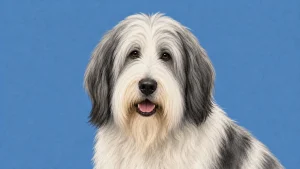
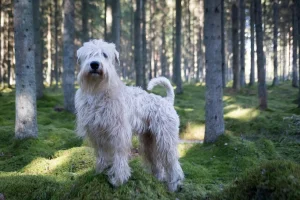
The Old English Sheepdog is a big, agile herding dog with a mellow, agreeable nature and a famous shaggy coat. Behind the bear-like look sits a list of inherited conditions worth knowing: hips, eyes, the thyroid, a collapse condition triggered by exercise, and a possible sensitivity to certain drugs. Learning them before you bring a puppy home, or while you already share your life with one, makes the screening and the vet visits much easier to plan.
In this guide
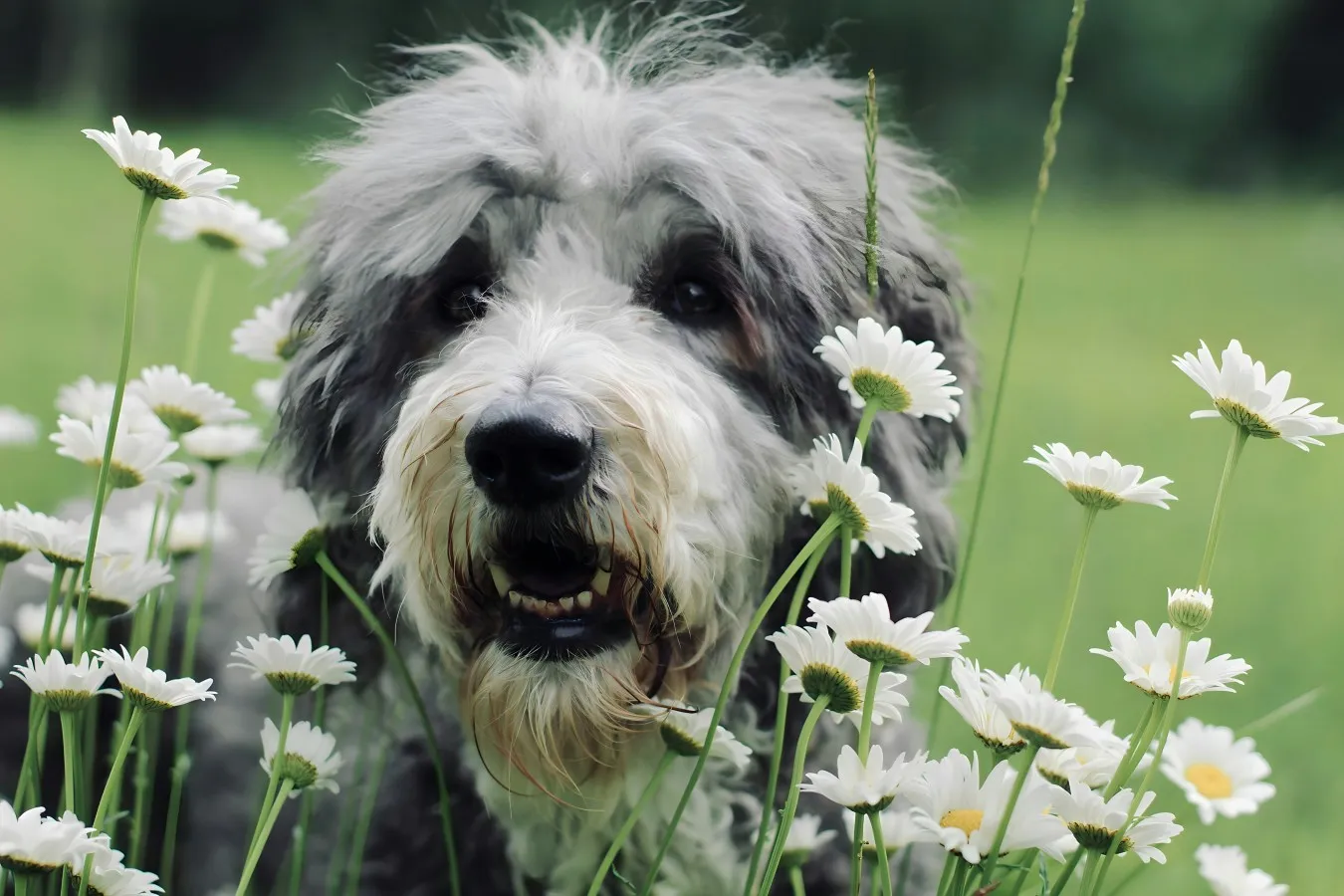
Why Do Hips Need Screening in a Large Breed?
Hip dysplasia happens when the hip joint does not develop properly, leaving it loose and leading to arthritis over time. The word comes from the Greek dys, "abnormal," and plasis, "formation." Owners often first notice stiffness after rest or a reluctance to jump into the car. The breed club's recommended tests, as listed on the AKC's herding group health testing page, include a hip evaluation, so ask to see it for any puppy's parents.
Mild cases may be managed with physical therapy and anti-inflammatory medication, and advanced cases may need surgery. Keeping an Old English Sheepdog lean throughout growth and adulthood protects joints, since extra weight adds force to every step.
What Eye Conditions Show Up in This Breed?
Progressive retinal atrophy, or PRA, is an inherited breakdown of the retina's light-sensing cells that eventually leads to blindness, and cataracts, a clouding of the lens, can be a sign. Retina comes from the Latin rete, "net," and atrophy from the Greek for "without nourishment." There is no cure for PRA, but most dogs adjust well to gradual vision loss in a familiar home. The breed club recommends an evaluation by a veterinary ophthalmologist, which catches problems before you would notice any change in behavior.
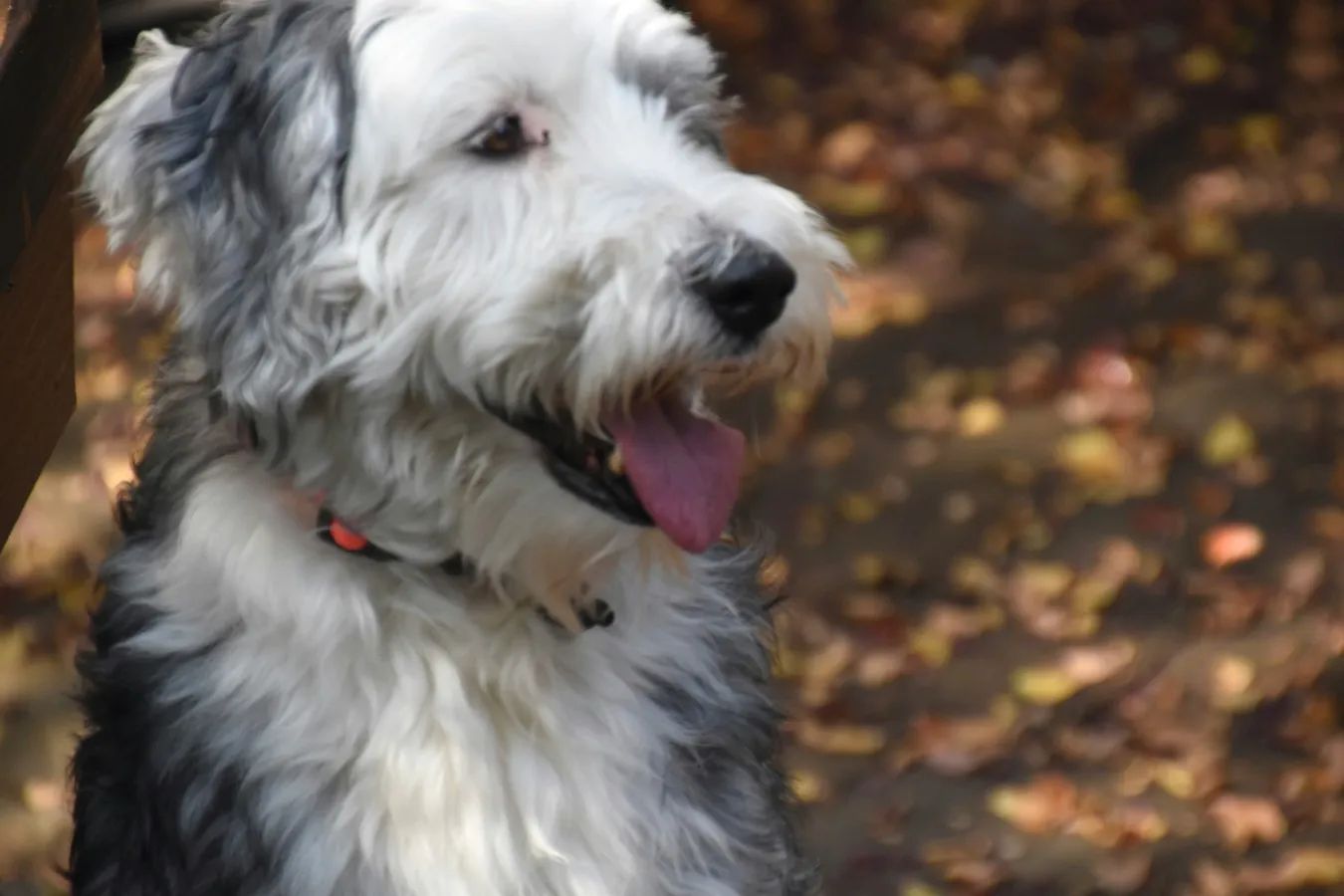
Why Check the Thyroid and Exercise-Induced Collapse?
Hypothyroidism, or low thyroid hormone activity, is often caused by autoimmune thyroiditis, in which the immune system gradually attacks the thyroid gland. Thyroid comes from the Greek thyreos, "shield," and -itis means "inflammation." Weight gain, low energy, and a dull, thinning coat can be mistaken for aging, but a blood panel confirms it and a daily synthetic hormone tablet manages it for life. The AKC list includes a thyroid evaluation.
Exercise-induced collapse, or EIC, is a hereditary condition in which a dog collapses during or after intense activity. PetMD notes the episodes are not painful and dogs are typically back to normal after resting about 5 to 25 minutes. The AKC lists a DNA test for it, so ask breeders about results. A first collapse still deserves a veterinary visit to find the cause.
Does This Breed Have Medication Sensitivities?
Tell every veterinarian treating your Old English Sheepdog about the possible MDR1 drug sensitivity before any sedation or new medication, especially at an emergency clinic that does not know your dog.
PetMD lists MDR1 drug sensitivity among the breed's concerns. This is a genetic variant that can cause serious reactions to certain medications, and it is managed by avoiding those drugs or lowering doses. Ask your veterinarian whether testing makes sense for your dog, and keep a copy of any result with your dog's records.
What About the Heart, Hearing, and Brain?
Dilated cardiomyopathy, a weakening of the heart muscle that makes the heart stretch and pump poorly, is listed for the breed. There is no cure, but medications can help manage it. Congenital deafness, linked to white pigmentation, is usually hereditary and permanent. Cerebellar abiotrophy, a loss of cells in the brain region that controls coordination, can cause poor balance and a wide stance in young or mature adults, and there is no treatment. Primary ciliary dyskinesia, in which the tiny hairs that sweep the airways do not move normally, can cause coughing, nasal discharge, and breathing problems.
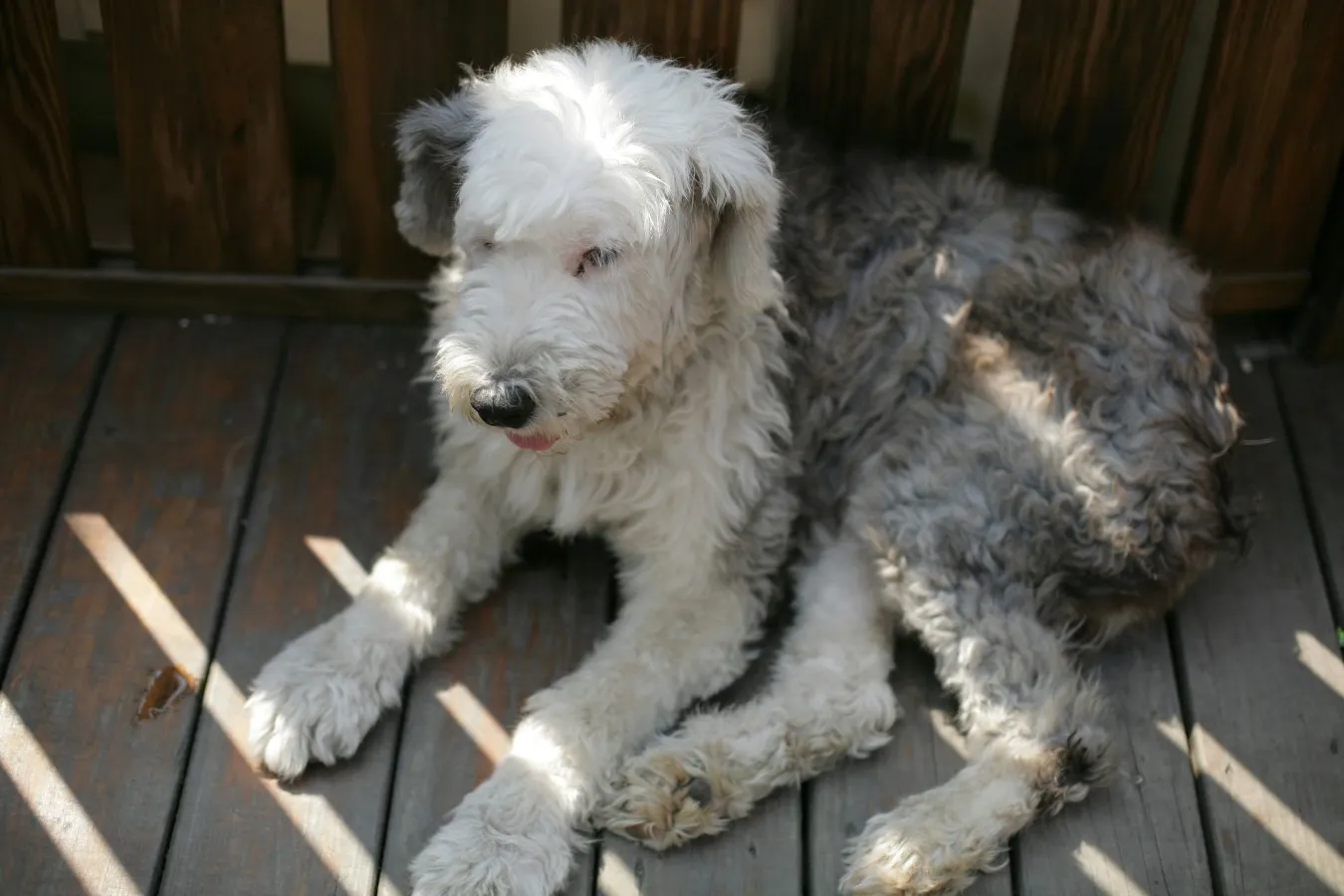
Is Bloat Something to Plan For?
Bloat, medically gastric dilatation-volvulus, happens when the stomach fills with gas and twists on itself. It primarily affects large and giant dogs with deep, narrow chests, and the Merck Veterinary Manual does not single out this breed, but any large dog is worth watching. Surgery is the only treatment for a twisted stomach, so learn the signs before you need them.
- 01
Swollen belly
The abdomen looks tight, rounded, or distended.
- 02
Unproductive retching
Straining to vomit with little or nothing coming up.
- 03
Restlessness and drooling
Pacing, drooling, or being unable to settle.
- 04
Weakness or collapse
The dog seems depressed, weak, or collapses.
Many veterinary surgeons recommend a preventive gastropexy for breeds at risk. The word comes from the Greek gaster, "stomach," and pexis, "fixing in place." It tacks the stomach to the body wall and can be done at spay or neuter. It does not stop gas from building up, but it should prevent the life-threatening twist.
What Does Managing an Old English Sheepdog's Health Actually Cost?
| Condition or Need | Typical Cost Range | Notes |
|---|---|---|
| Routine care and grooming | $900 to $1,500/year | Food volume and coat upkeep drive the total |
| Thyroid medication | Modest monthly cost | Lifelong once diagnosed |
| Hip surgery for confirmed dysplasia | $3,000 to $7,000 per joint | Only for advanced cases |
| Emergency bloat surgery | $3,000 to $8,000 | Life-threatening, surgical |
Questions to Ask a Breeder Before Buying a Puppy
Ask for results of the tests the breed club recommends: hip evaluation, ophthalmologist eye exam, thyroid evaluation, and the exercise-induced collapse DNA test. Ask whether any relatives have had heart disease, deafness, balance problems, or breathing problems, and whether the breeder knows of any drug sensitivity in the line. A breeder who produces paperwork without hesitation gives you real information rather than reassurance alone.
Daily Life With an Old English Sheepdog
Old English Sheepdogs were bred to work and need plenty of mental and physical exercise, and they do poorly when left alone for long periods. The personality profile describes the mellow, agreeable temperament, and patient training suits a big, agile dog like this.
The profuse double coat needs a minimum of three or four hours of care a week to stay free of debris and mats, according to PetMD, along with occasional professional trims. Our grooming page covers the routine, and daily coat checks also help you spot skin changes early.
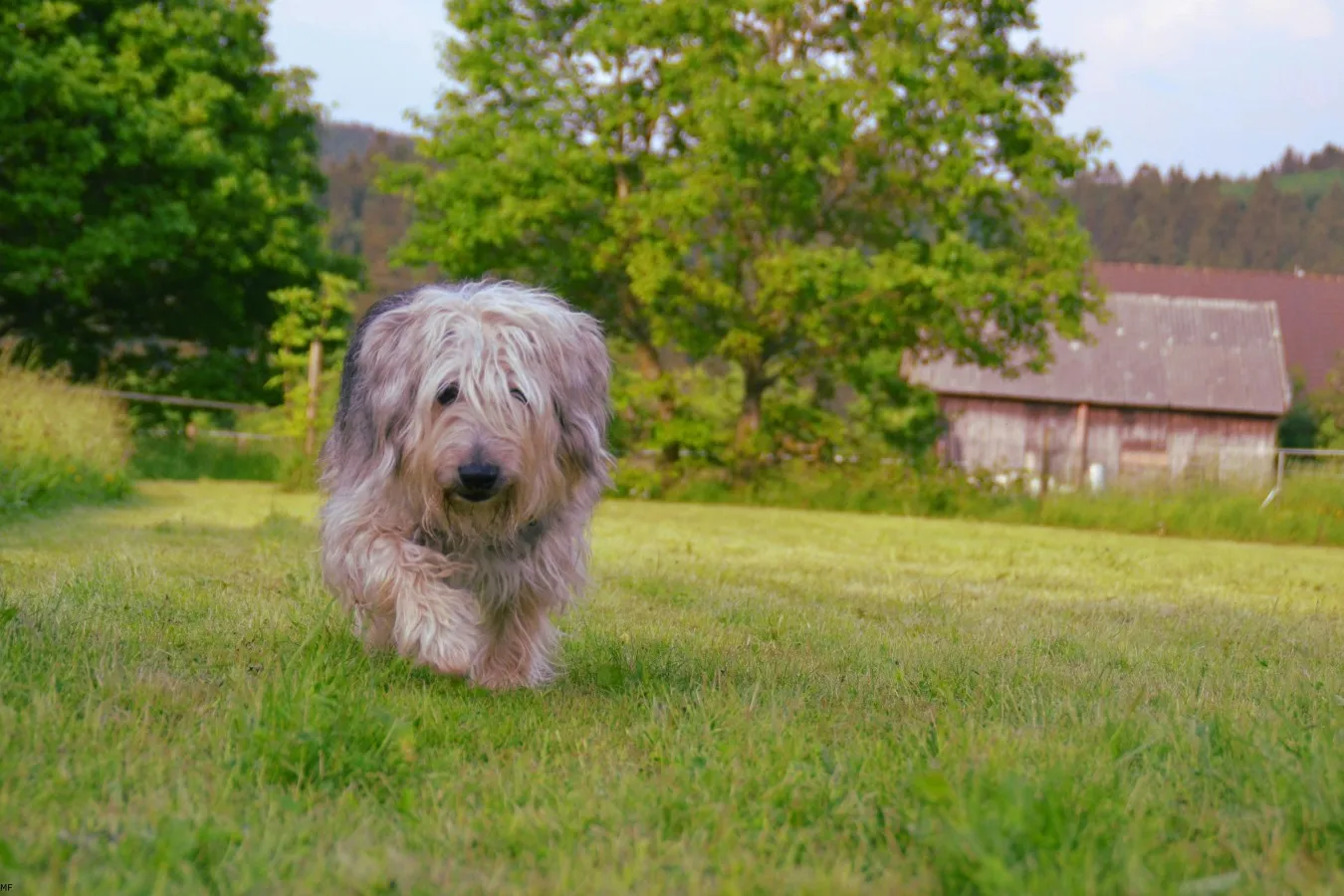
Keeping Your Old English Sheepdog Healthy for the Long Run
Old English Sheepdogs typically live 10 to 12 years. Schedule hip, eye, and thyroid screening, mention possible drug sensitivity at every clinic, and keep your dog lean. Pet insurance is worth pricing while your dog is young and healthy.
Final Thoughts From a Veterinarian
Old English Sheepdogs usually live 10 to 12 years and are mellow, shaggy companions. Screen hips, eyes, thyroid, and collapse risk, tell every clinic about possible drug sensitivity, and treat a swollen belly as an emergency. Your veterinarian can tailor a plan to your dog.
Health & Costs FAQ
How much do Old English Sheepdog cost?
Purchasing an Old English Sheepdog from a reputable breeder typically costs between $1,200 and $2,500, though prices can exceed $3,000 for show-quality lineages. Adoption is a more affordable alternative, generally ranging from $50 to $500. Owners should also budget for significant initial supplies and ongoing grooming expenses.
Purchase cost: 6 / 10
How long do Old English Sheepdog live?
Old English Sheepdogs typically live 10 to 12 years. A lean weight, regular exercise, recommended health screening, and routine veterinary checkups help them stay active and comfortable. They remain affectionate family members for many years with proper care.
Life expectancy: 5 / 10
Are Old English Sheepdog healthy dogs?
Old English Sheepdogs have notable health concerns. Hip dysplasia, progressive retinal atrophy, autoimmune thyroiditis, exercise-induced collapse, dilated cardiomyopathy, deafness, and a possible drug sensitivity (MDR1) are all described in the breed. Recommended screening and regular veterinary checkups help catch problems early.
Health: 3 / 10
What health problems do Old English Sheepdog have?
Old English Sheepdogs are prone to hip dysplasia, eye problems such as progressive retinal atrophy, autoimmune thyroiditis, exercise-induced collapse, and dilated cardiomyopathy. Deafness, cerebellar abiotrophy, primary ciliary dyskinesia, and MDR1 drug sensitivity are also described. Hip, eye, thyroid, and collapse screening plus regular veterinary care are vital.
Health problem risk: 7 / 10
Are Old English Sheepdog expensive to maintain?
Old English Sheepdogs have high maintenance costs, mostly from the profuse double coat. It needs a minimum of three or four hours of care a week at home, plus occasional professional trims, and individual grooming sessions often range from $100 to $200 depending on the coat's condition. Food for a large dog and breed-related veterinary care add to the budget.
Maintenance cost: 7 / 10
How much does it cost to own a Old English Sheepdog per month?
Expect to spend about $150 to $300 per month to own an Old English Sheepdog. This covers food for a large dog, routine veterinary care, and professional grooming, which is a major recurring expense. Unexpected medical costs can raise the monthly total.
Monthly ownership cost: 5 / 10
How much does pet insurance cost for a Old English Sheepdog?
Pet insurance for an Old English Sheepdog commonly costs about $20 to $60 per month, depending on the provider, coverage level, and your dog's age and location. A plan is worth pricing while your dog is young and healthy, since hereditary conditions can lead to ongoing costs.
Pet insurance cost: 3 / 10
Will homeowners insurance cover a Old English Sheepdog?
Yes, most homeowners insurance policies cover Old English Sheepdogs, since they are not typically found on restricted breed lists. Always disclose your dog to your insurer to ensure proper liability coverage.
Homeowners insurance difficulty: 9 / 10
Are Old English Sheepdog on insurance restricted breed lists?
No, Old English Sheepdogs are generally not included on insurance restricted-breed lists. These lists typically focus on breeds perceived as higher-risk, and this mellow herding breed is usually covered under standard policies. Still, confirm the details with your provider.
Insurance restriction risk: 2 / 10
Can you get renters insurance with a Old English Sheepdog?
Yes, you can typically get renters insurance with an Old English Sheepdog, since the breed is generally not on restricted lists. A large dog may need your landlord's approval, so always disclose your dog to your insurer and check your lease for pet requirements.
Renters insurance difficulty: 8 / 10