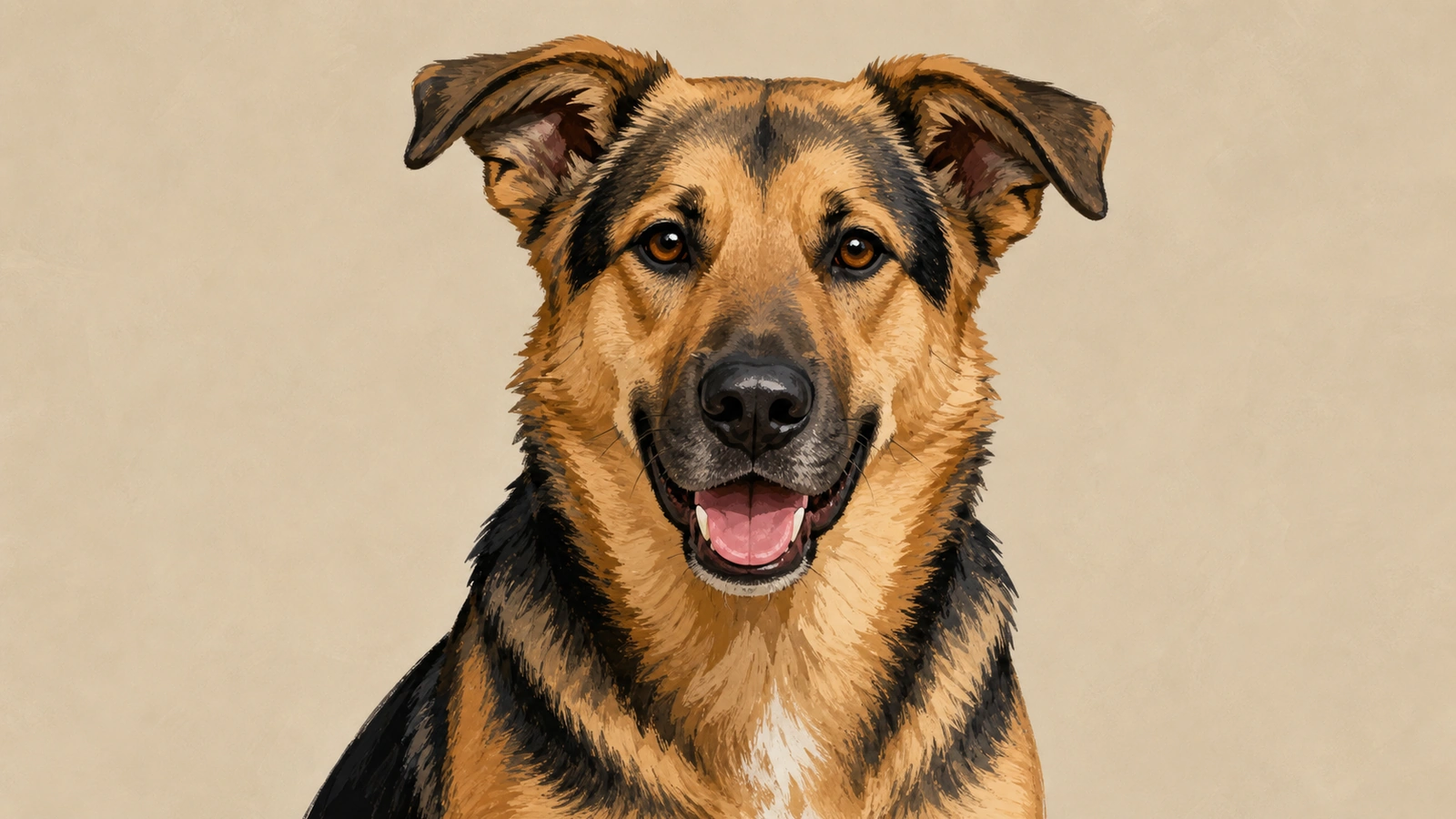
Sheprador - MAIN HUB
BREED GROUP
Hybrid Dogs
Country of origin
United States
BREED SIZE
Large
BREED HEIGHT
20 -
26 IN
51 -
66 cm
BREED WEIGHT
40 -
100 LB
18 -
45 KG
WHAT YOU NEED TO KNOW
american kennel club (AKC) recognition
No
Breed was recognized in 0.

International Canine Federation (FCI) recognition
No
Breed was recognized in 0.
WHAT DO OWNERS WANT TO KNOW?
Are Shepradors good family dogs?
Excellent
10 out of 10
The Sheprador is an excellent family dog, blending a protective yet friendly nature with deep loyalty to its owners. They are highly trainable and famously affectionate with children, making them reliable companions for active households that can provide ample exercise and mental stimulation.
Are Shepradors good with kids?
Fair
10 out of 10
Shepradors are famously affectionate and patient with children, making them reliable companions for active families. Their gentle yet protective nature, inherited from their Labrador and German Shepherd parents, allows them to bond deeply with kids while providing a watchful eye. To ensure safety and harmony, early socialization and consistent training are recommended to manage their large size and high energy around younger children.


Are Shepradors good dogs for first time owners?
Fair
3 out of 10
Shepradors are a fair choice for first-time owners, though they require a significant commitment to daily physical exercise and mental stimulation. While their intelligence and loyalty make them rewarding companions, novices must be prepared to manage their high energy levels and potential for separation anxiety. Success depends on the owner's ability to provide a structured environment and a dedicated, active lifestyle.
Are Shepradors good apartment dogs?
Poor
2 out of 10
Shepradors are poor apartment dogs due to their large size, high energy levels, and significant exercise requirements. While they can adapt to smaller living spaces if owners commit to several hours of vigorous daily activity, they thrive best in homes with yards where they can freely burn off energy. Their tendency toward separation anxiety and potential for destructive boredom-induced behaviors also makes them challenging for close-quarters living.
Do Shepradors need a yard?
Above Average
4 out of 10
A yard is not strictly required for a Sheprador, as they can adapt to apartment living if their high physical and mental exercise needs are met. However, they are high-energy dogs that thrive best in a home with a large, securely fenced yard where they can run and play freely. Owners without a yard must commit to several hours of daily vigorous activity and structured play to prevent boredom and destructive behavior.
Can Shepradors be left at home alone?
Good
7 out of 10
Shepradors are highly loyal and bond deeply with their families, but they are prone to separation anxiety if left alone for long periods. They thrive best in households where someone is frequently present to provide mental stimulation and exercise. While they can manage moderate periods of solitude if well-exercised beforehand, prolonged isolation may lead to boredom and destructive behaviors.
Do Shepradors tolerate cats well?
Very Good
7 out of 10
Shepradors generally coexist well with cats, as they combine the Labrador's friendly nature with the German Shepherd's ability to be trained. While they may have a natural instinct to chase, early socialization and consistent training can help them form harmonious bonds. Providing safe spaces for the cat and supervising early interactions are recommended to ensure a peaceful household.
Are Shepradors known to be aggressive?
Easygoing
7 out of 10
Shepradors are not naturally aggressive and are known for their easygoing, friendly, and loyal personalities. They blend the Labrador's cheerful nature with the German Shepherd's watchfulness, making them excellent family companions that are patient with children and other pets. While they may act as alert watchdogs and show caution toward strangers, they are highly loyal to their human pack without being aggressive. Consistent training and early socialization are important to manage their protective instincts and ensure they remain well-behaved.
Do Shepradors have a lot of energy?
High Energy
10 out of 10
Shepradors are high-energy dogs that inherit a powerful work ethic from both the German Shepherd and Labrador Retriever. They require significant daily physical and mental stimulation, typically between 60 to 120 minutes, to prevent boredom and destructive behaviors. They thrive in active households where they can participate in activities like hiking, swimming, and retrieval games.
How much exercise do Shepradors need?
~60 min a day
6 out of 10
Shepradors require a significant amount of daily exercise, typically between 60 and 120 minutes, to maintain their physical and mental health. A blend of high-intensity activities like running, hiking, or swimming alongside mental challenges such as obedience training or retrieval games is ideal. Providing this consistent outlet for their energy is essential to prevent boredom and the development of destructive behaviors.
Do Shepradors tolerate hot weather well?
Fair
4 out of 10
Shepradors have a moderate tolerance for heat but are prone to overheating due to the dense double coats inherited from their parent breeds. Owners should provide constant access to shade and fresh water, limiting vigorous activity to the cooler morning or evening hours to prevent heatstroke.
Are Shepradors good with cold weather?
Fair
4 out of 10
Shepradors have a moderate tolerance for heat but are prone to overheating due to the dense double coats inherited from their parent breeds. Owners should provide constant access to shade and fresh water, limiting vigorous activity to the cooler morning or evening hours to prevent heatstroke.
Are Shepradors sometimes banned from rentals?
Likely Banned
3 out of 10
Shepradors are likely to be subject to apartment breed bans due to their parentage, as German Shepherds are frequently restricted by insurance policies and property managers. Their large size may also exceed common weight limits found in rental agreements. Potential owners should provide a pet resume, training certifications, or references to help navigate these restrictions when looking for a home.
WHAT DO OWNERS WANT TO KNOW?