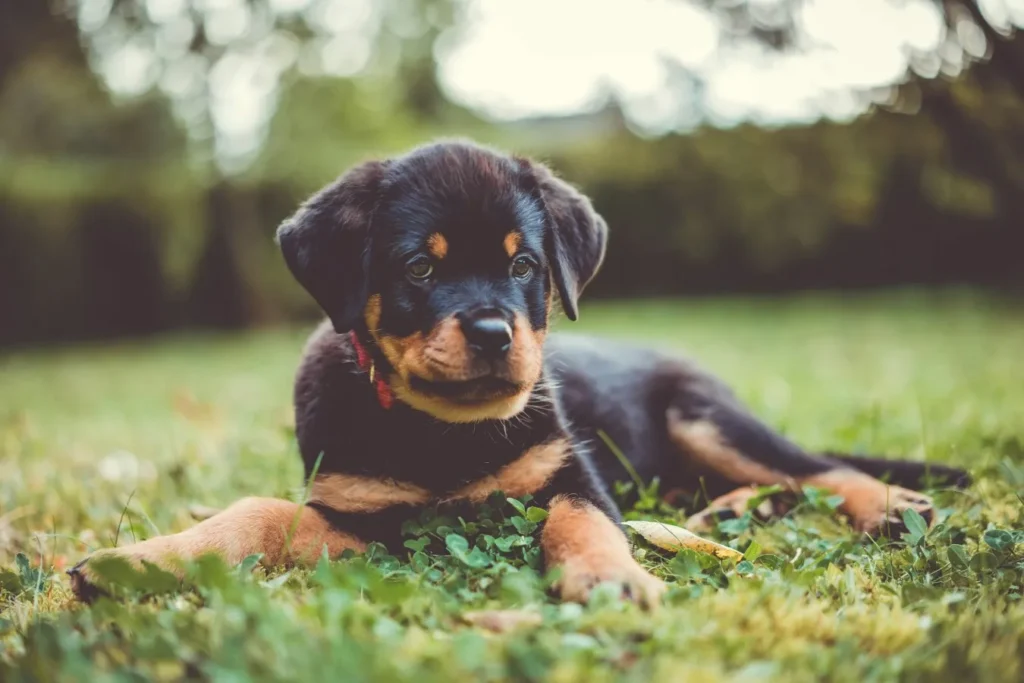
Rottweiler Grooming Profile
Breed Group
Working Dogs
Country of Origin
Germany
Breed Size
Large
AKC Recognition
Yes, recognized in 1931
FCI Recognition
Yes, recognized in 1955
Allergy-friendly
Worst Choice1 / 10
Shedding
Average5 / 10
Grooming need
15 mins/week7 / 10
Low-maintenance
Hard2 / 10
Size
Large8 / 10
Growth timeline
3 years9 / 10
Grooming FAQ
Are Rottweiler hypoallergenic or allergy-friendly?
Rottweilers are not hypoallergenic. They have a dense double coat that sheds moderately year-round and heavily during seasonal changes. This shedding releases dander and hair that can trigger reactions in allergy sufferers, making them a challenging choice for those with significant sensitivities to dogs.
Allergy-friendly: 1 / 10
Do Rottweiler shed?
Rottweilers are moderate year-round shedders with a short, dense double coat. Owners should expect heavier shedding during the spring and fall as they "blow" their undercoats to adjust to seasonal temperatures. Weekly brushing is usually sufficient, though daily attention is recommended during these peak periods.
Shedding: 5 / 10
How often should you groom a Rottweiler?
To keep your Rottweiler’s short, dense coat healthy, brush them two to three times weekly. Increase to daily sessions during seasonal shedding. They typically require professional grooming every six to ten weeks for baths and nail trims, ensuring their coat remains sleek and skin stay healthy. While weekly brushing is standard, daily sessions are required during seasonal shedding periods in spring and fall.
Grooming need: 7 / 10
Are Rottweiler low-maintenance dogs?
Rottweilers are not low-maintenance dogs. While their short coats only need weekly brushing, they require extensive exercise, firm training, and constant mental stimulation. Their large size and protective nature mean they need an experienced owner who can provide the structure and socialization necessary for a well-adjusted companion.
Low-maintenance: 2 / 10
How big do Rottweiler get?
Rottweilers are powerful, medium-to-large working dogs. Males typically stand 24 to 27 inches tall and weigh 95 to 135 pounds. Females are slightly smaller, reaching 22 to 25 inches in height and 80 to 100 pounds. They possess a muscular, stocky build that reflects their great strength.
Size: 8 / 10
When do Rottweiler stop growing?
Rottweilers typically reach full height by 12-15 months, but they continue to fill out and gain muscle mass until age 3. While they reach full height by 12-15 months, they continue to gain muscle mass and fill out until 3 years of age.
Growth timeline: 9 / 10
How much should a Rottweiler eat?
Adult Rottweilers typically require 3 to 6 cups of calorie-dense food specifically formulated for large breed growth to prevent joint issues and support their powerful frames. An active adult Rottweiler typically needs between 1,800 and 2,500 calories per day.
Feeding amount: 8 / 10
How often should a Rottweiler puppy eat?
Rottweiler puppies should be fed 3-4 meals daily until six months of age to support large breed growth. Rottweilers typically require 3-4 meals daily until six months of age to support large breed growth.
Puppy feeding frequency: 2 / 10
Vet Insights
Rottweilers are powerful, large-breed dogs that reach full physical maturity by age three. They are moderate shedders with double coats, requiring weekly grooming and 3–6 cups of food daily. While loyal and protective, their high intelligence and exercise needs make them high-maintenance companions best suited for experienced owners who can provide consistent training and socialization.