Chow Chow Health and Costs
Breed Group
Spitz Dogs
Country of Origin
China
Breed Size
Large
AKC Recognition
Yes, recognized in 1903
FCI Recognition
Yes, recognized in 1957
Rarity
Common3 / 10
Purchase cost
Moderate to Expensive6 / 10
Life expectancy
Moderate Lifespan5 / 10
Health
Notable health concerns3 / 10
Health problem risk
Very high health burden8 / 10
Maintenance cost
Very high upkeep cost8 / 10
A Veterinarian's Guide
Chow Chow Health Problems and Costs
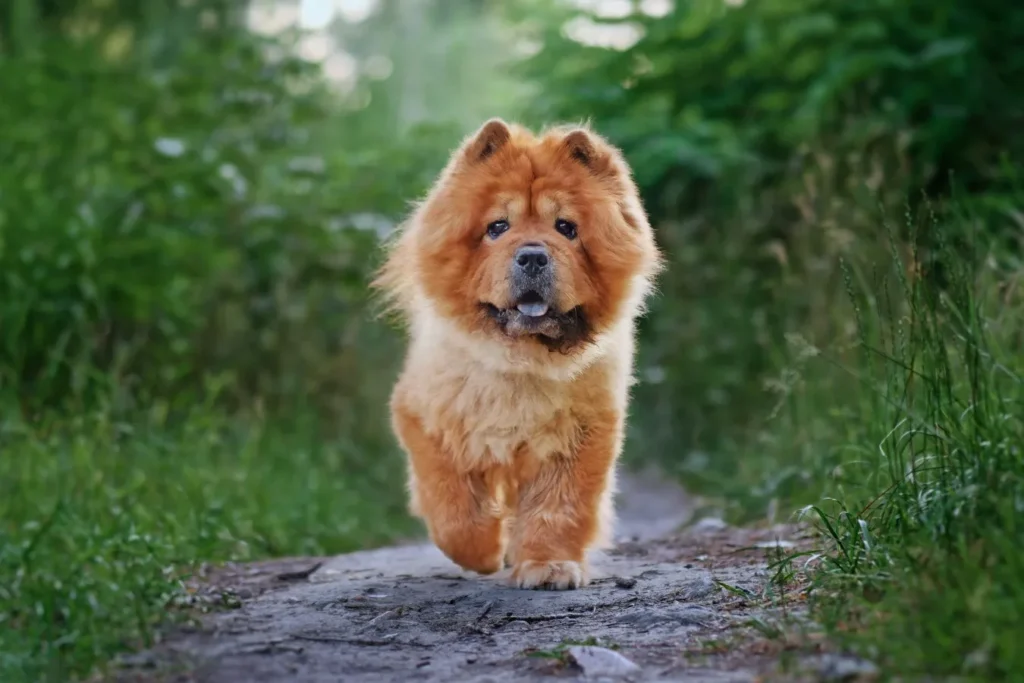
The Chow Chow is a sturdy, lion-maned dog from China with a dense double coat and a blue-black tongue. It is usually dignified and reserved, and its health risks follow its build: eyes that can be irritated by rolling eyelids, joints that are often affected by dysplasia, a deep chest that raises the stakes of bloat, and a heavy coat that holds heat. The breed club recommends five health tests for breeding dogs, which makes breeder choice the most useful health decision you can make.
In this guide
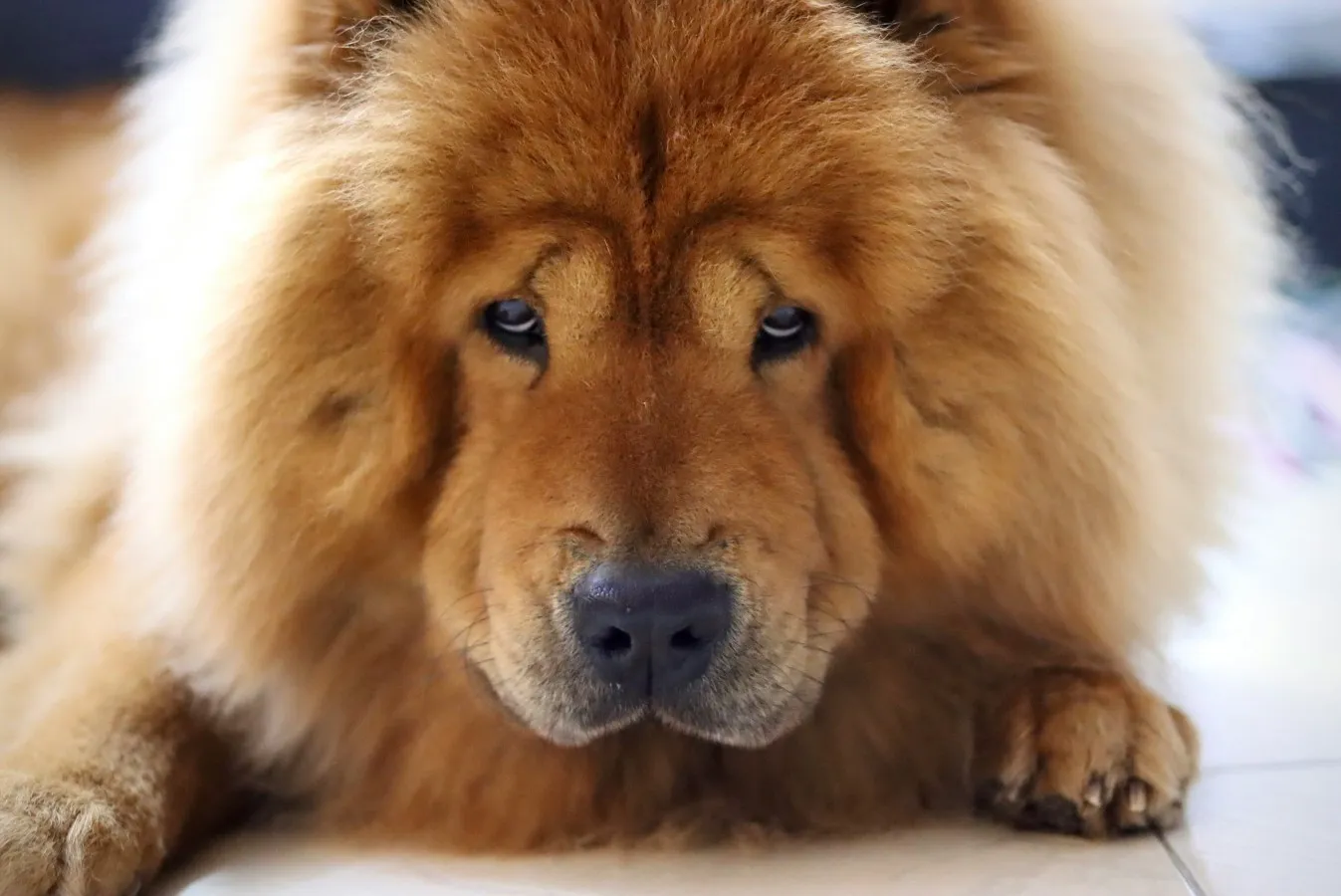
Why Are Chow Chow Eyes So Vulnerable?
A red, painful, bulging, cloudy, or bluish eye in a Chow Chow needs same-day veterinary attention. Sudden eye pain can be glaucoma, and vision can be lost very quickly if the pressure is not brought down.
Entropion is an eyelid that rolls inward so the lashes rub the cornea, the clear front of the eye. The word comes from the Greek en, "in," and trepein, "to turn." VCA lists the Chow Chow among breeds with this problem. Affected dogs squint, tear, or keep the eye shut, and the rubbing can cause painful corneal ulcers. Treatment is surgical correction, usually once a dog reaches adult size, with temporary stitches sometimes used in young puppies.
Glaucoma, a dangerous rise in pressure inside the eye, is a separate risk. The word comes from the Greek glaukos, "gleaming" or "bluish-gray." A large breed comparison reported glaucoma in about 4.7 percent of Chow Chows versus under 1 percent of dogs overall, and VCA describes acute glaucoma as an emergency. The breed club also recommends an eye evaluation by an ophthalmologist, a veterinarian who specializes in eyes, for breeding dogs.
Is Bloat a Real Risk for This Breed?
Gastric dilatation-volvulus, called GDV or bloat, happens when the stomach fills with gas and then twists. Volvulus comes from the Latin volvere, "to twist." PetMD lists it among the Chow Chow's health concerns, and VCA notes it is most common in large, deep-chested dogs and can affect any dog. It is a true emergency, and VCA says care is needed within minutes to a few hours.
- 01
Unproductive retching
Trying to vomit repeatedly with little or nothing coming up.
- 02
A swollen belly
An abdomen that looks tight or enlarged, especially on the left side.
- 03
Restlessness and drooling
Pacing, distress, or heavy drooling that is not normal for your dog.
- 04
Weakness or collapse
Labored breathing, pale gums, or being unable to stand.
To lower the odds, PetMD suggests several smaller meals and avoiding exercise right before and after eating. A gastropexy, from the Greek gaster, "stomach," and pexis, "fixation," tacks the stomach in place. VCA calls it the most effective prevention, though it usually prevents the twist rather than the gas, and some veterinarians discuss it at the time of spay or neuter for higher-risk dogs.
Why Do Hips, Elbows, and Knees Need Checking?
The breed club recommends patella, hip, and elbow evaluations for breeding dogs. Elbow dysplasia is a malformation of the elbow joint that leads to early arthritis, and one large review of elbow scans ranked the Chow Chow highest of any breed, with nearly half of dogs over two years old affected. Hip dysplasia, a loose, poorly fitting hip joint, was reported at about 6 percent in the same comparison, nearly twice the rate for dogs overall. Dysplasia comes from the Greek dys-, "abnormal," and plasis, "formation." Signs include stiffness, reluctance to rise or use stairs, and limping, and a radiograph taken under anesthesia is the preferred way to confirm hip problems.
Patellar luxation is a kneecap that slips out of its groove, ranging from an occasional skip to a limb that needs surgery. The comparison also reported more cruciate ligament trouble, an injury to the stabilizing ligament inside the knee, than in dogs overall. Keeping your dog lean is the simplest way to protect every one of these joints.
What About Thyroid and Skin Problems?
The breed club also recommends a thyroid evaluation. Hypothyroidism means an underactive thyroid gland, and typical signs are weight gain without a bigger appetite, tiredness, a dull or thinning coat, and recurring skin and ear infections. It is treatable but not curable, usually with a daily hormone tablet for life. PetMD also lists diabetes among the breed's concerns and notes that excess weight raises the risk.
Reported predispositions also include allergic skin disease and some autoimmune skin conditions, so persistent itching, crusting, hair loss, or hot spots are worth a visit rather than a wait.
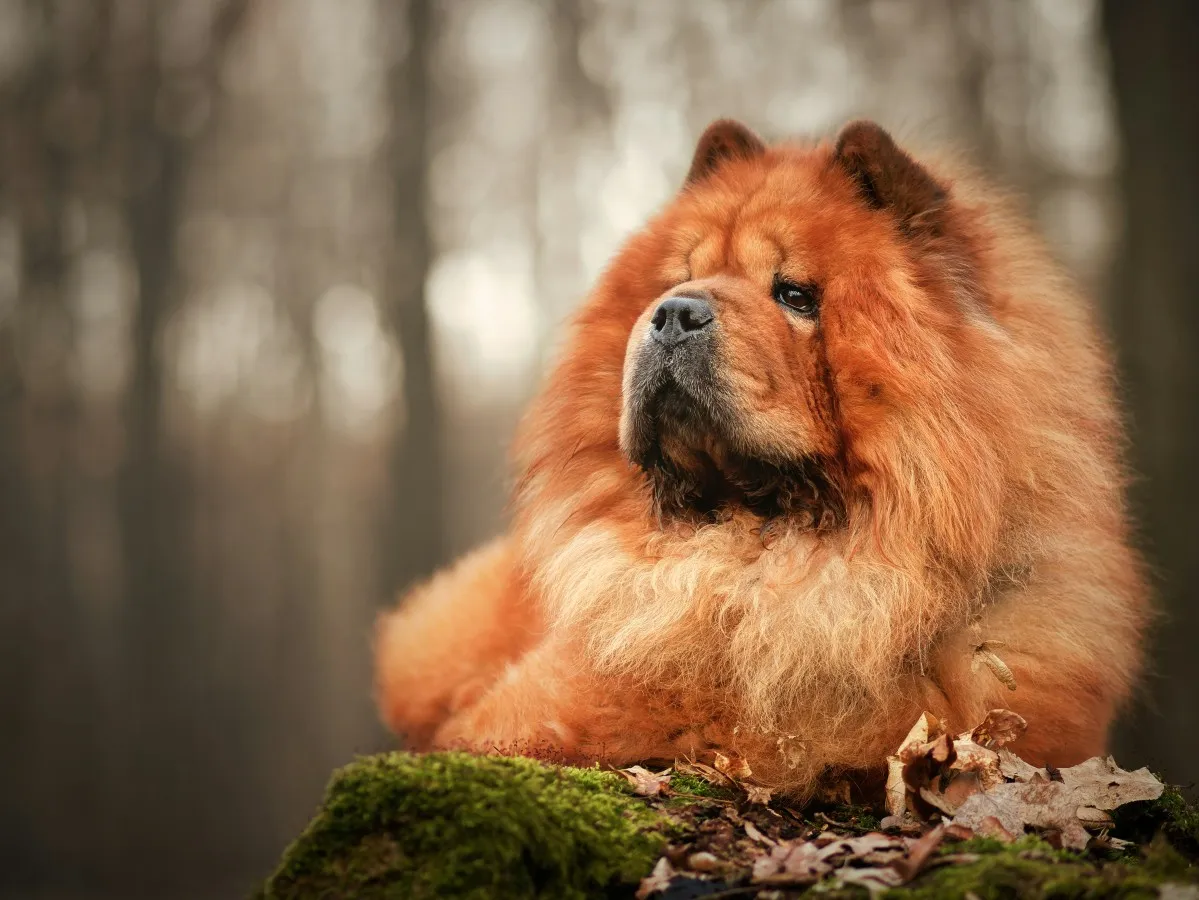
How Does the Thick Coat Affect Heat Tolerance?
PetMD notes that the thick coat and short muzzle make Chow Chows prone to overheating, so keep exercise to short bursts, walk in the cool parts of the day, and always offer shade and water. A dog that is panting heavily, drooling, or seems confused in warm weather should be moved somewhere cool and seen by a veterinarian right away. PetMD suggests brushing every other day to control matting and shedding, and the weekly grooming time adds up to a few hours.
What Does a Chow Chow's Health Actually Cost?
| Condition or Need | Typical Cost Range | Notes |
|---|---|---|
| Routine annual care | $200 to $350 | Exam and vaccines |
| Hip and elbow radiographs | $250 to $450 | Often done before breeding |
| Entropion correction | $500 to $1,500 | Depends on severity and clinic |
| Preventive gastropexy | $400 to $1,000 | Often added to a spay or neuter |
| Emergency bloat surgery | $3,000 to $7,500 | Higher with a hospital stay |
Prices vary by region and clinic. The gap between a preventive gastropexy and emergency surgery is worth weighing when you decide whether pet insurance is worth it.
Questions to Ask a Breeder Before Buying a Puppy
The breed club's recommended tests are patella, hip, elbow, ophthalmologist, and thyroid evaluations. Ask to see the results for both parents, and ask whether close relatives have needed eye surgery, developed early arthritis, or had bloat. A breeder who answers openly and has nothing to hide is giving you useful information.
What Should Daily Life Look Like?
Plan for short, steady walks rather than long hot outings, and a diet that keeps your dog lean. Early socialization makes vet visits easier for a dog that is reserved with strangers, and the Chow Chow personality profile explains that temperament. Regular brushing keeps the coat comfortable and the skin healthy, as covered in the grooming guide, and the training guide shows how to build calm cooperation with handling and exams.
What Does Long-Term Health Look Like?
PetMD gives a lifespan of about 8 to 12 years, while a UK study reported an average near 12. Yearly eye exams catch entropion and early glaucoma, routine bloodwork helps your veterinarian watch the thyroid and blood sugar, and a lean body protects the joints. Pet insurance is worth pricing while your dog is young and healthy.
Final Thoughts From a Veterinarian
Chow Chows are dignified dogs with real risks around the eyes, joints and stomach. Choose a breeder who screens, keep your dog lean and cool, and learn the signs of bloat and eye pain before you need them. Your veterinarian can tailor a plan to your dog.
Health & Costs FAQ
How much do Chow Chow cost?
The cost of a Chow Chow puppy typically ranges from $1,000 to $2,500, with show-quality dogs reaching up to $4,000. Owners should also budget approximately $1,500 for initial supplies and medical expenses, plus significant monthly costs for high-quality food and professional grooming.
Purchase cost: 6 / 10
How long do Chow Chow live?
PetMD gives a Chow Chow lifespan of about 8 to 12 years, while a UK study reported an average near 12 years. Eye care, a lean body, and early joint attention help support a long life.
Life expectancy: 5 / 10
Are Chow Chow healthy dogs?
Chow Chows are loyal but carry notable health risks. They are prone to elbow and hip dysplasia, eye problems such as entropion and glaucoma, and bloat, and their thick coat makes them sensitive to heat. Breeder screening, weight control, and regular veterinary checkups matter.
Health: 3 / 10
What health problems do Chow Chow have?
Chow Chows are prone to elbow and hip dysplasia and patellar luxation, eye conditions such as entropion and glaucoma, and bloat because of their deep chest. Thyroid disease, diabetes, and skin problems are also reported, and the thick coat raises the risk of overheating.
Health problem risk: 8 / 10
Are Chow Chow expensive to maintain?
Chow Chows are costly to maintain because of their thick double coat, which needs regular brushing, and because of eye, joint, and stomach risks that can lead to expensive care. A preventive gastropexy and yearly eye exams are worth discussing with your veterinarian.
Maintenance cost: 8 / 10
How much does it cost to own a Chow Chow per month?
Monthly ownership costs are $260-$900.
Monthly ownership cost: 8 / 10
How much does pet insurance cost for a Chow Chow?
Pet insurance for a Chow Chow typically costs between $40 and $120 per month, depending on age, location, and plan. Because of the breed's eye, joint, and bloat risks, it is worth pricing a plan while your dog is young and healthy.
Pet insurance cost: 5 / 10
Will homeowners insurance cover a Chow Chow?
Homeowners coverage for a Chow Chow depends on the insurer, because some companies restrict certain breeds and others look at a dog's individual bite history. Ask your insurer directly and get the policy wording in writing.
Homeowners insurance difficulty: 7 / 10
Are Chow Chow on insurance restricted breed lists?
Some insurers keep restricted-breed lists, and the Chow Chow's reserved, protective reputation means it may appear on some of them. Lists differ by company and state, so confirm with your provider before you buy or renew a policy.
Insurance restriction risk: 5 / 10
Can you get renters insurance with a Chow Chow?
Renters insurance for a Chow Chow depends on the insurer, because some restrict breeds while others consider bite history. Verify coverage with your insurer, and check your lease for any pet or breed restrictions.
Renters insurance difficulty: 7 / 10