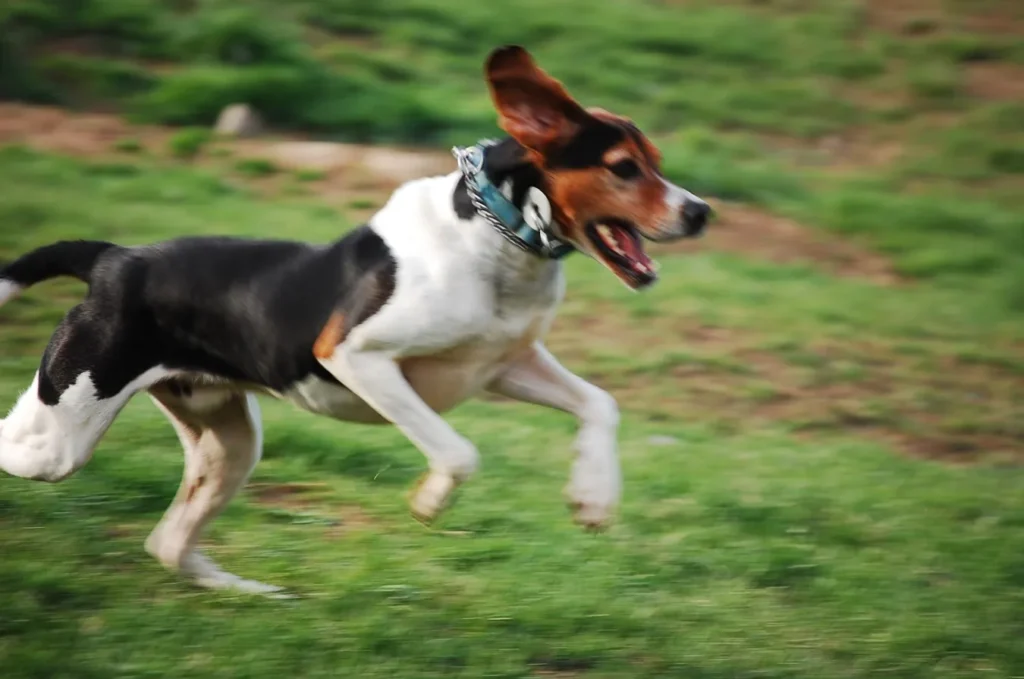
Treeing Walker Coonhound Training Profile
Breed Group
Hound Dogs
Country of Origin
United States
Breed Size
Large
AKC Recognition
Yes, recognized in 2012
FCI Recognition
No
Mental stimulation needs
Above Average7 / 10
Trainability
3 / 10
Picky eater
Good Eater7 / 10
Easy to train
Independent4 / 10
Training stubbornness
Stubborn3 / 10
Puppy training
Average6 / 10
Training FAQ
Are Treeing Walker Coonhound easy to train?
Treeing Walker Coonhounds are intelligent and quick to learn, but their independent hunting heritage often results in a stubborn streak. They respond best to consistent, positive reinforcement using high-value treats. Success requires patience, as their strong scent drive can easily distract them from commands.
Easy to train: 4 / 10
Are Treeing Walker Coonhound stubborn to train?
Treeing Walker Coonhounds are intelligent and quick to learn, but their independent hunting heritage often results in a stubborn streak. They can be easily distracted by scents, which may cause them to ignore commands if they find a trail more interesting than training. Success requires consistency, high-value rewards, and patience to manage their independent nature.
Training stubbornness: 3 / 10
How do you train a Treeing Walker Coonhound puppy?
Train your Treeing Walker Coonhound puppy using positive reinforcement with high-value treats and praise to manage their independent streak. Focus on early socialization and consistent routines to overcome their stubbornness. Incorporate scent games and tracking exercises to engage their natural instincts, keeping sessions short and varied to prevent boredom.
Puppy training: 6 / 10
How difficult is potty training in Treeing Walker Coonhound?
Potty training a Treeing Walker Coonhound typically takes 4 to 6 months. While intelligent, their independent nature and scent-driven distractions can make housebreaking challenging. Success requires a consistent outdoor schedule, crate training, and positive reinforcement to overcome their stubborn streak and keep them focused on the task.
Potty training difficulty: 3 / 10
How many walks does a Treeing Walker Coonhound need?
Treeing Walker Coonhounds are high-energy athletes that typically require at least two hours of vigorous exercise daily. While a minimum of an hour-long walk is necessary, they thrive on activities like hiking, running, or scent work that challenge their endurance and hunting instincts. Due to their intense drive, always keep them on a leash or in a securely fenced area to prevent them from wandering after scents.
Walking need: 9 / 10
What is the best daily routine for a Treeing Walker Coonhound?
A Treeing Walker Coonhound's daily routine should prioritize high-intensity physical activity and scent-based mental stimulation to manage their natural hunting drive. Provide at least 60 to 120 minutes of exercise, ideally split into long, brisk walks, hikes, or runs where they can explore scent trails. Incorporate daily mental enrichment through scent games, tracking exercises, or puzzle toys to prevent boredom and destructive behaviors. Feed adult coonhounds twice daily, monitoring portions to maintain a lean, athletic build. Essential daily care includes checking their large ears for infection and ensuring they have a secure, fenced area to stretch their legs between activities.
Routine need: 8 / 10
Vet Insights
Treeing Walker Coonhounds are intelligent yet independent hunters that require patient, consistent training with positive reinforcement. This high-energy breed thrives with significant physical exercise, requiring at least two hours of daily activity. While generally healthy and low-maintenance in grooming, they need a secure environment and mental challenges like scent games to manage their strong prey drive.