Skip to content

Irish Terrier - MAIN HUB

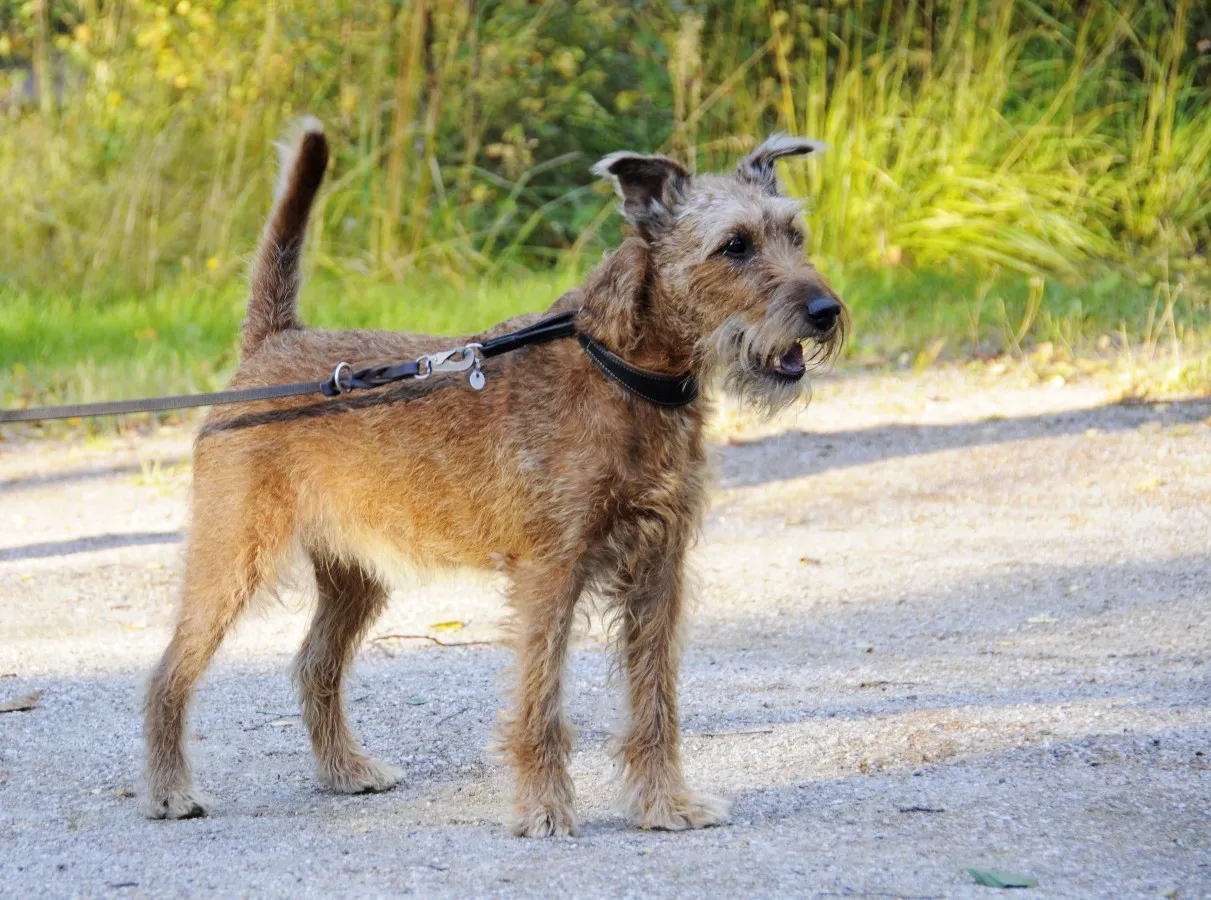
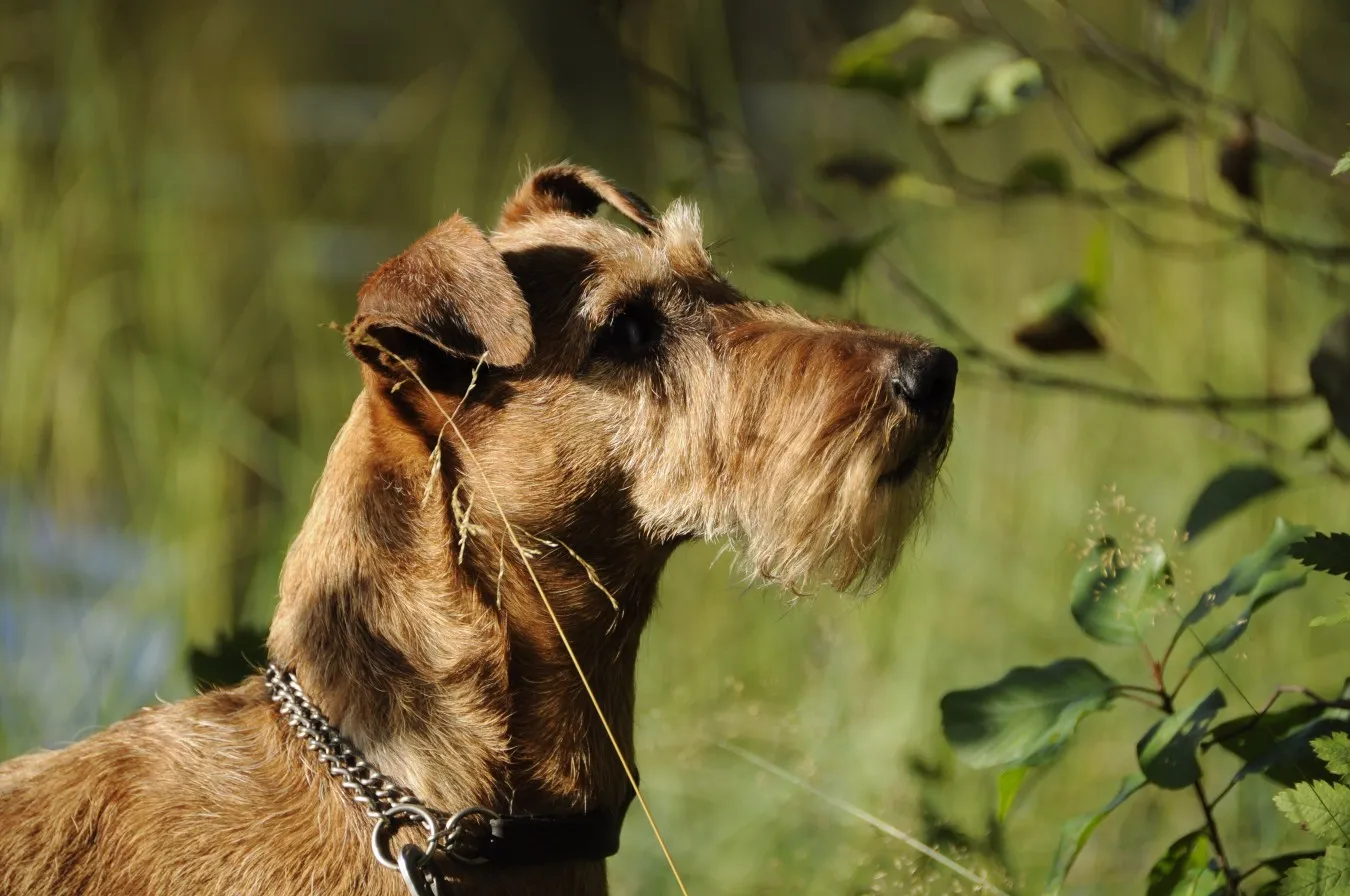
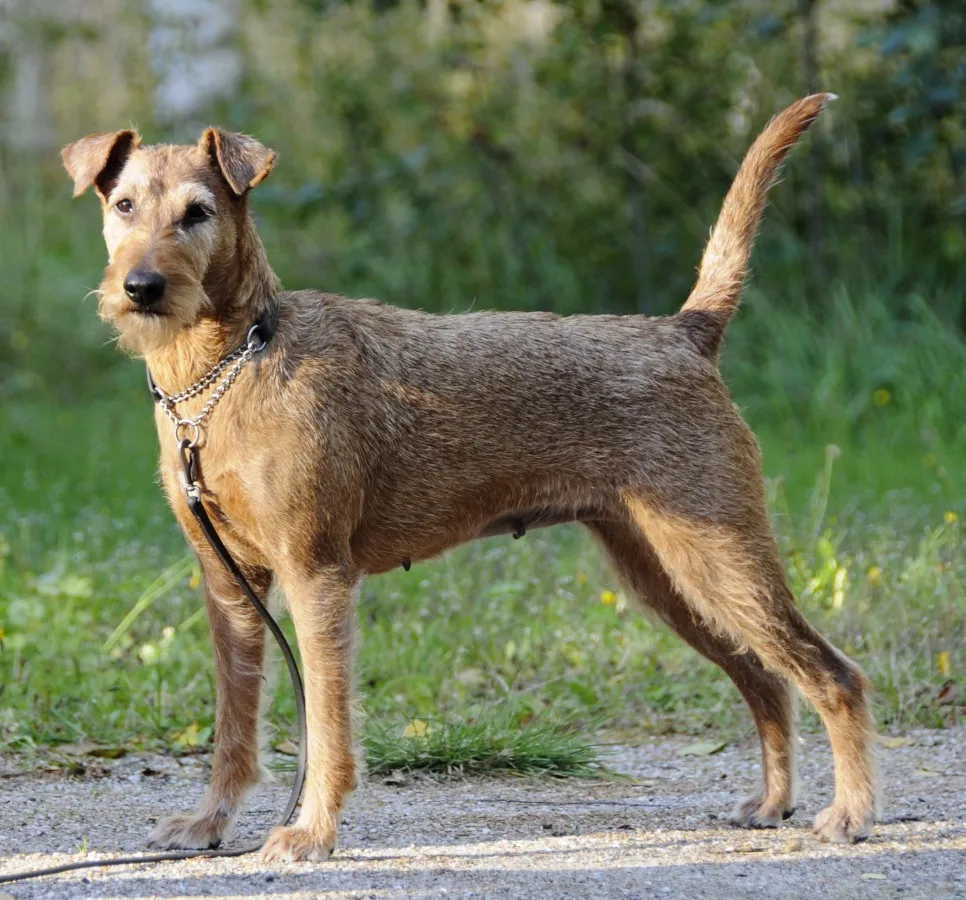
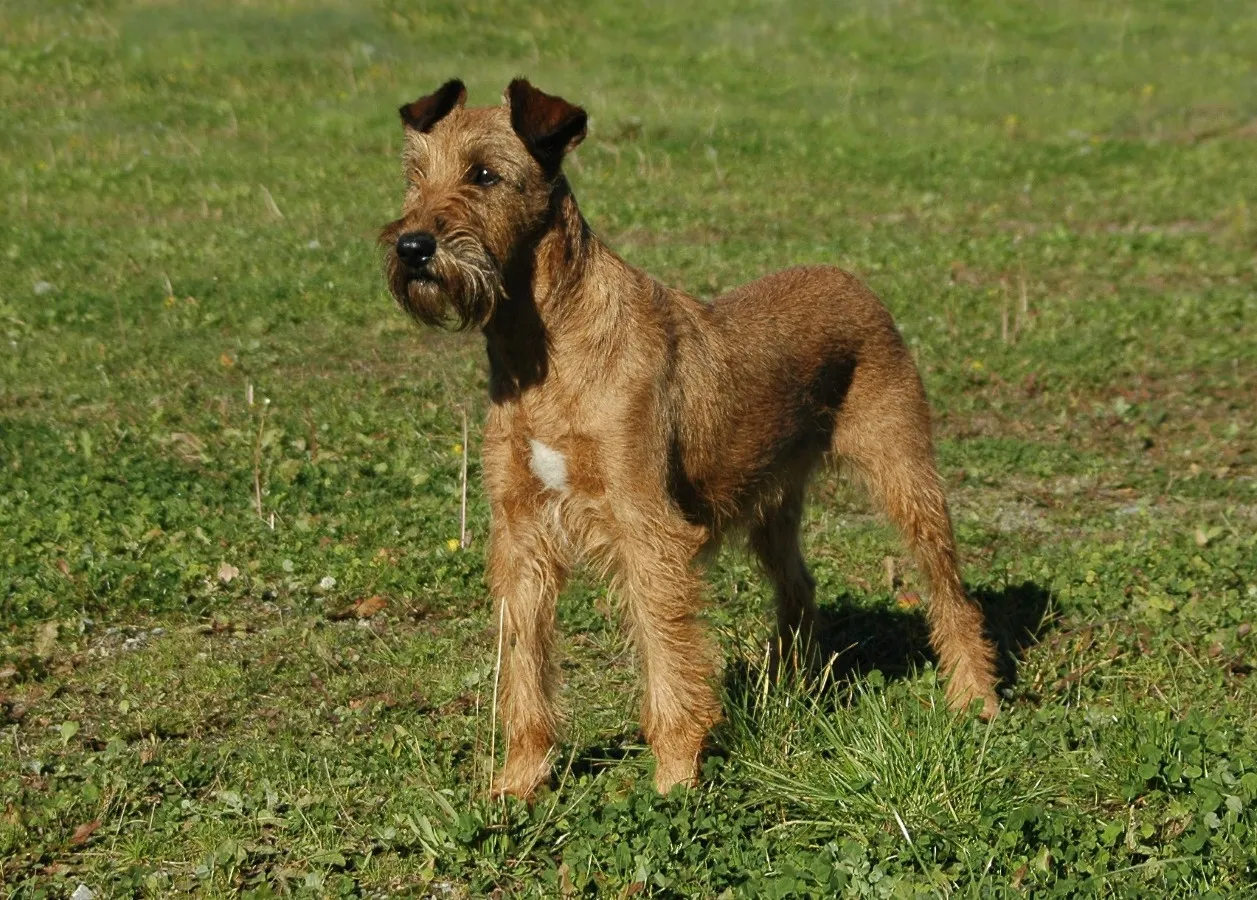
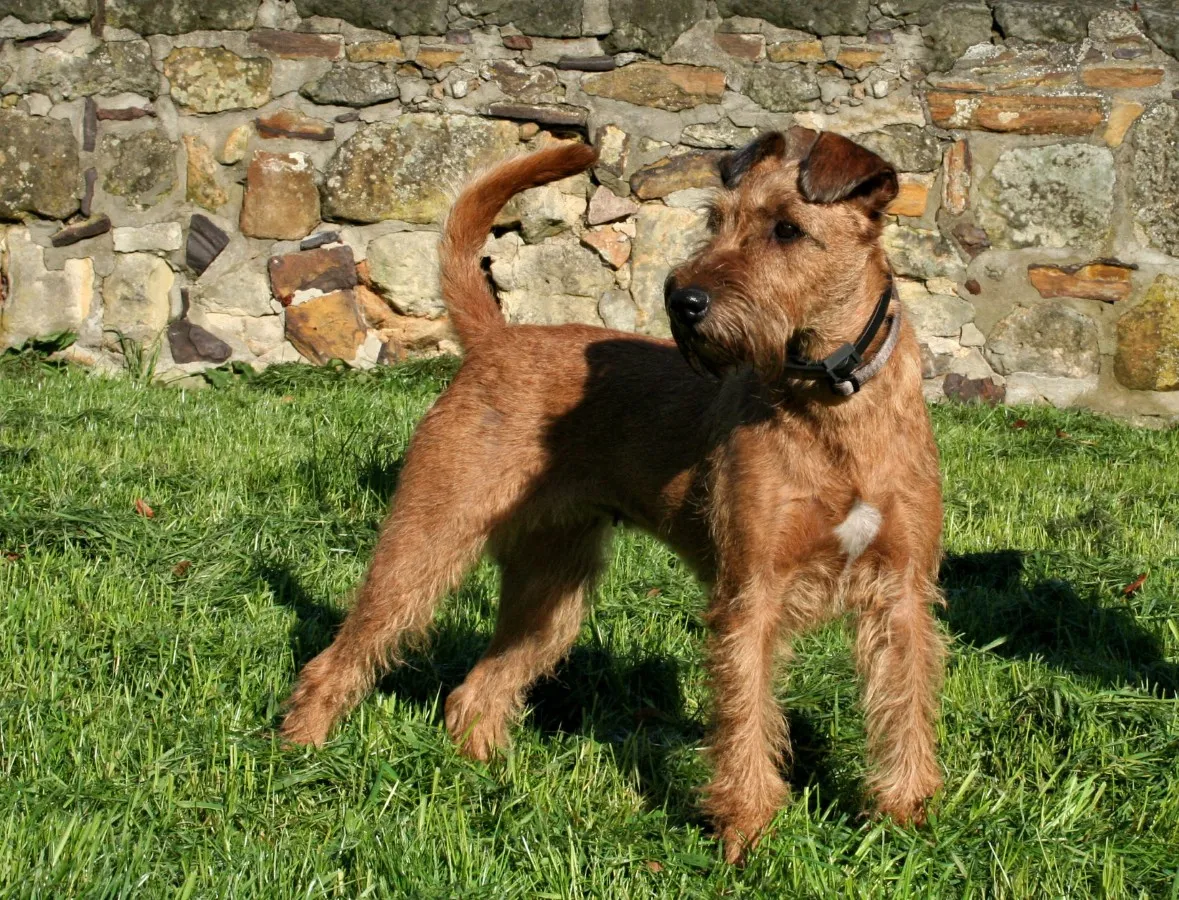
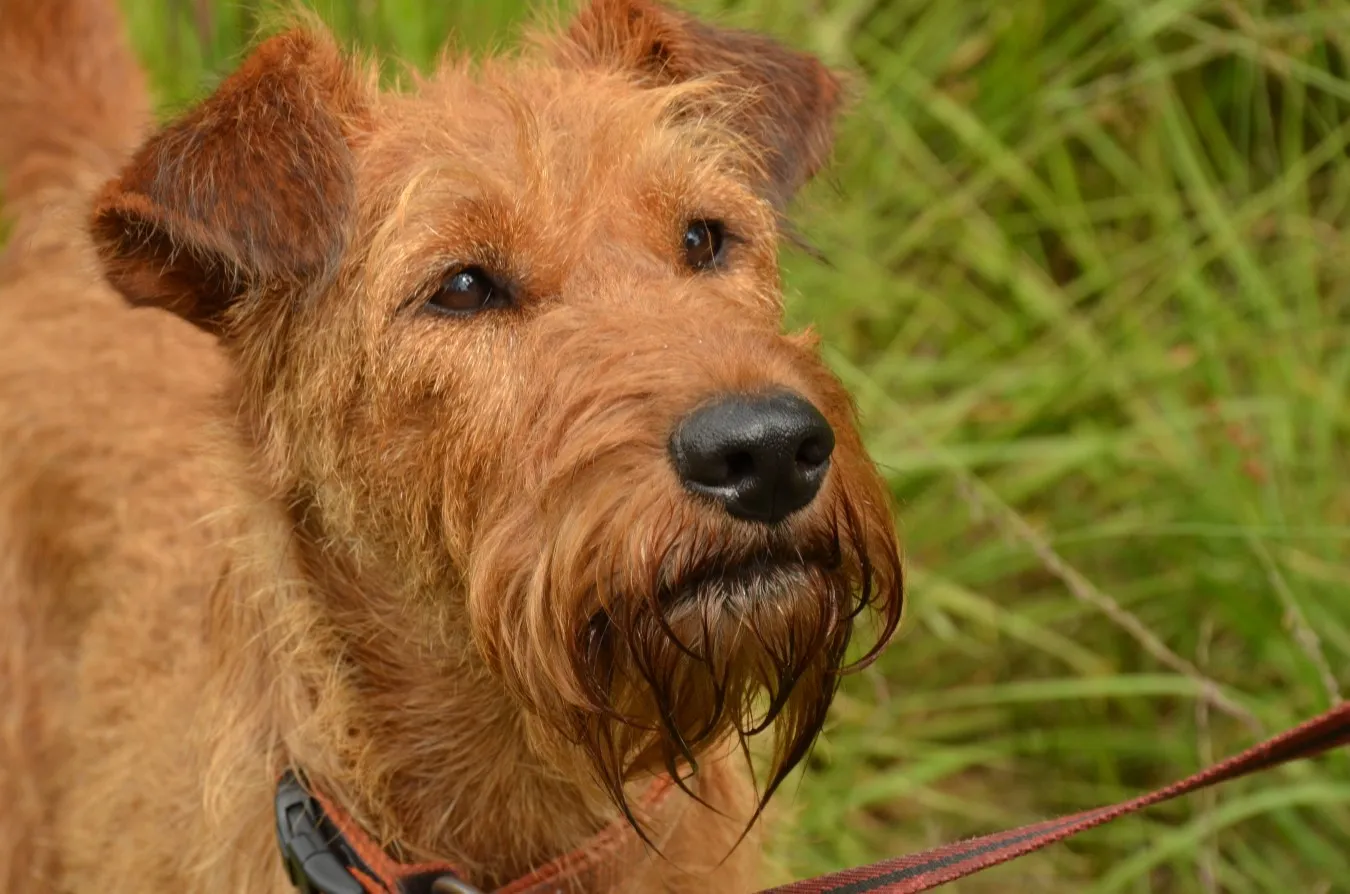
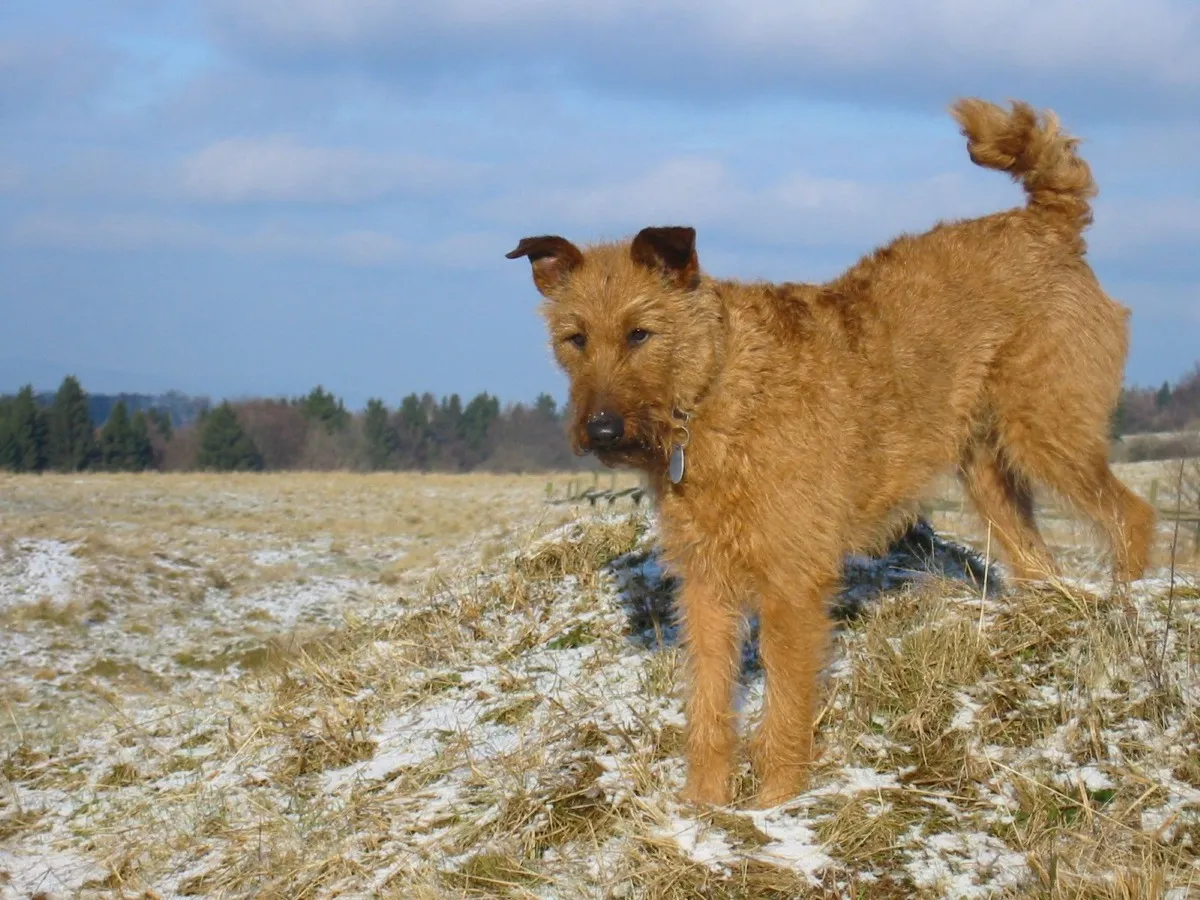
Meet the Daredevil! Spirited, loyal, and smart, the Irish Terrier is a wiry-coated athlete perfect for active families and outdoor adventures.

BREED GROUP

Terrier Dogs

Country of origin

Ireland

BREED SIZE

Medium

BREED HEIGHT

17 -

20 IN

43 -

51 cm

BREED WEIGHT

25 -

28 LB

11 -

13 KG

WHAT YOU NEED TO KNOW

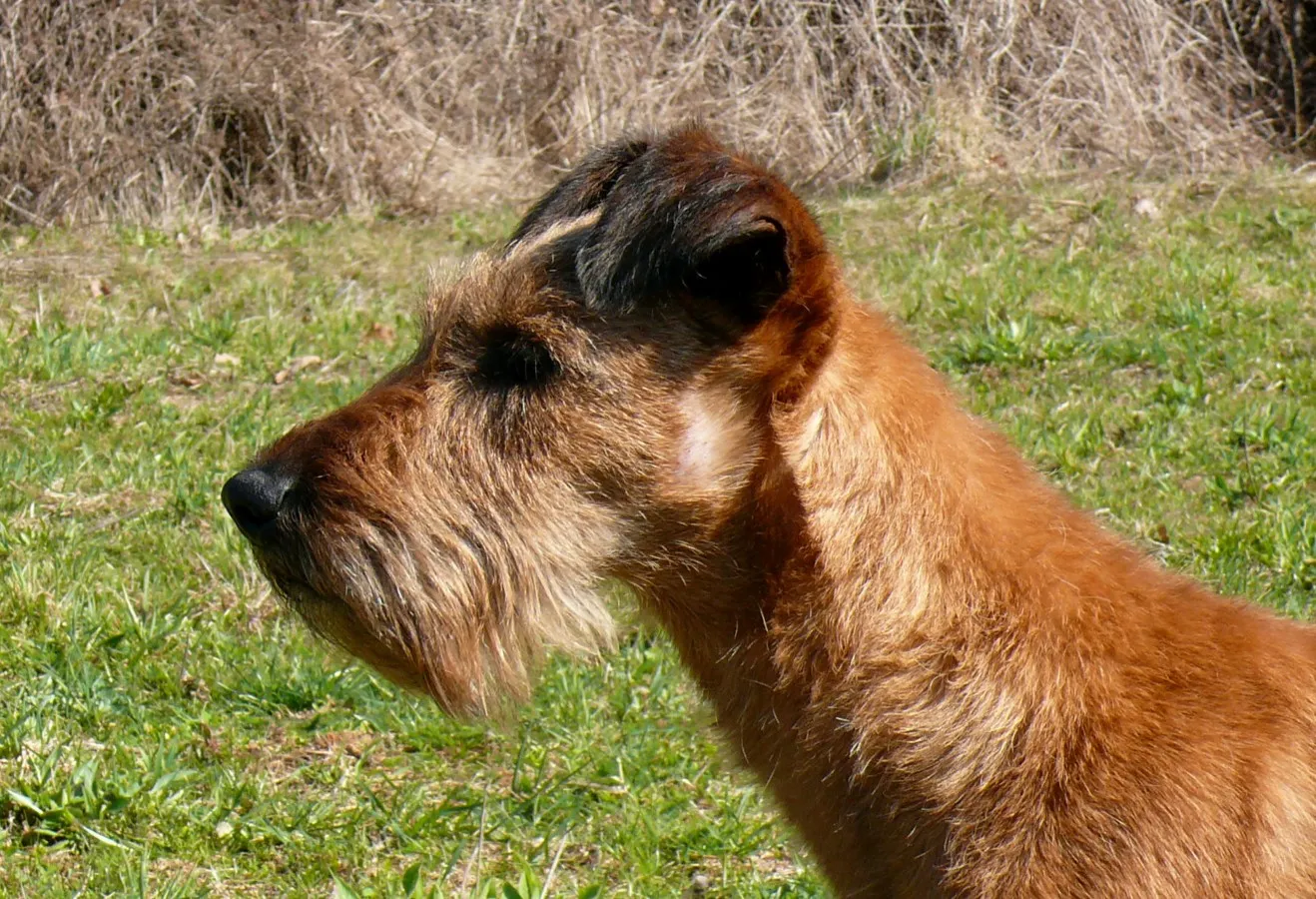
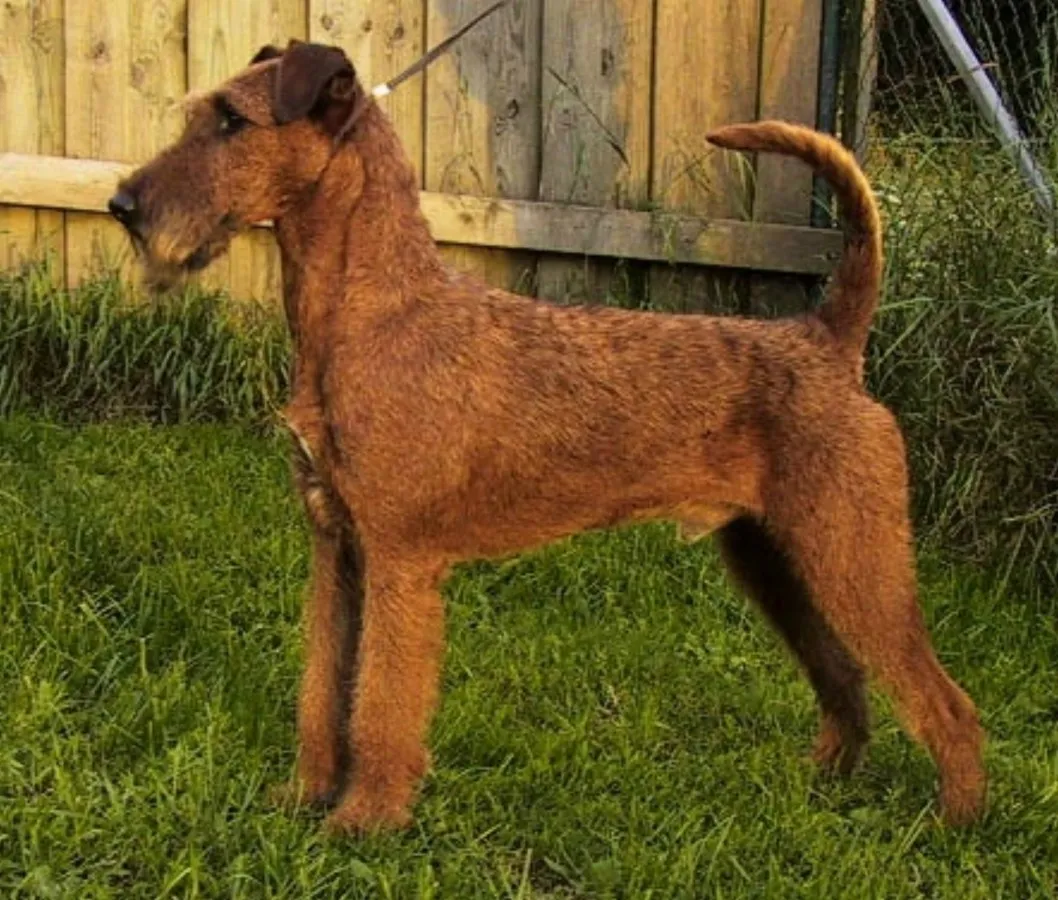
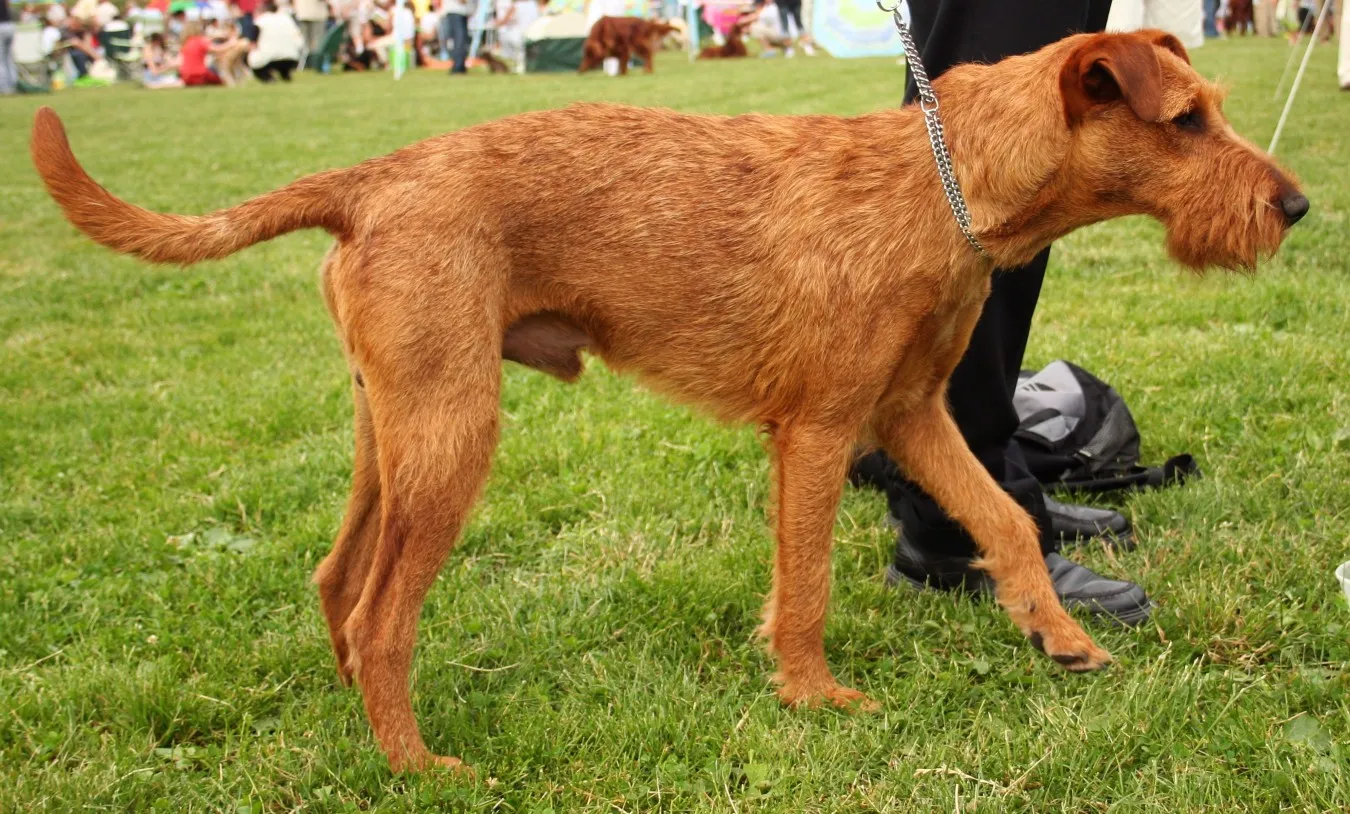
The Irish Terrier, often called the Daredevil, is a spirited and loyal companion from Ireland. This medium-sized breed features a distinctive wiry red coat that requires regular hand-stripping and minimal shedding. Known for their high energy and intelligence, they thrive with active families and need 60-90 minutes of daily exercise, such as hiking or agility. While affectionate and 'Great' with children, their high energy and rambunctious nature requires supervision with younger children. Their strong prey drive and independent nature may make them a challenge for first-time owners. Early socialization and consistent training are essential to manage their curiosity and protective instincts.
american kennel club (AKC) recognition

Yes

Breed was recognized in 1885.

International Canine Federation (FCI) recognition

Yes

Breed was recognized in 1954.
WHAT DO OWNERS WANT TO KNOW?

Are Irish Terriers good family dogs?

Great

9 out of 10

The Irish Terrier is an excellent family dog for active households, known for being deeply loyal, affectionate, and spirited. They are particularly patient and playful with children, often forming protective bonds with the kids they are raised with. Their high energy and intelligence make them wonderful companions for families who enjoy outdoor adventures and consistent training.

Great

9 out of 10

Irish Terriers are generally excellent with children, known for their patient, playful, and protective nature. They form deep bonds with kids they are raised with and possess a sturdy build that can handle enthusiastic play. While they are tenderhearted companions, their high energy and rambunctious personality mean supervision is recommended, especially with younger children, to ensure interactions remain safe and respectful.

Not Recommended

1 out of 10

Irish Terriers are not recommended for first-time owners due to their high energy, independent nature, and strong-willed temperament. They require an experienced handler who can provide firm, consistent, and patient training to manage their "daredevil" personality and tendency toward dog-to-dog reactivity. Success with this breed demands a significant commitment to ongoing socialization and vigorous daily exercise to prevent boredom and destructive behaviors.

Great

8 out of 10

Irish Terriers can adapt well to apartment living because they are typically mellow and relaxed indoors once their high exercise needs are met. Provided owners commit to 60 to 90 minutes of daily physical activity and mental stimulation, these loyal companions can thrive in smaller urban spaces.

Highly Recommended

8 out of 10

A yard is not strictly required for an Irish Terrier, as they can adapt to apartment living if provided with 60 to 90 minutes of vigorous daily exercise like hiking or agility. However, a securely fenced yard is highly recommended to accommodate their high energy levels and provide a safe space for play, especially given their strong prey drive and tendency to chase small animals. Without a yard, owners must commit to multiple daily walks and mental stimulation to prevent boredom and destructive behaviors.

Poor

2 out of 10

Irish Terriers are deeply loyal and thrive on human companionship, making them prone to separation anxiety if left alone for extended periods. While they can manage short durations of solitude, they are best suited for households where they receive consistent interaction and mental engagement to prevent boredom and destructive behaviors.

Poor

2 out of 10

They do best as only dogs and their strong prey drive makes them a high risk for cats and other small animals.

Reactive

2 out of 10

Irish Terriers are not naturally aggressive toward people and are renowned for being deeply loyal and affectionate with their families. However, they are famous for their "daredevil" personality and can be highly aggressive or combative with other dogs, especially those of the same sex. Their strong prey drive also makes them prone to chasing smaller animals. Early socialization and consistent training are essential to manage their bold, protective instincts and ensure they remain well-mannered companions.

High

8 out of 10

Irish Terriers are high-energy, spirited athletes that require significant daily physical and mental stimulation to stay happy and prevent boredom. They thrive on vigorous activities like hiking, agility, and interactive play, needing at least 60 to 90 minutes of exercise daily to maintain their well-balanced, loyal temperament at home.

~90 min a day

8 out of 10

Irish Terriers are highly active dogs that require 60 to 90 minutes of vigorous daily exercise to remain healthy and well-behaved. They thrive on activities like hiking, agility, fetch, and long walks that provide both physical exertion and mental stimulation. Engaging their sharp minds with training or puzzle toys is essential to prevent boredom-induced destructive behaviors like digging or barking.

Good

6 out of 10

Irish Terriers can tolerate warm weather well, as their wiry coats provide some natural protection against heat. However, like all breeds, they are still susceptible to heatstroke in extreme temperatures or high humidity. Owners should provide ample shade and fresh water, and limit vigorous exercise to the cooler early morning or late evening hours. Using a cooling vest and checking that the pavement is not too hot for their paws are also recommended strategies to keep this active breed safe during summer.

Good

6 out of 10

Irish Terriers can tolerate warm weather well, as their wiry coats provide some natural protection against heat. However, like all breeds, they are still susceptible to heatstroke in extreme temperatures or high humidity. Owners should provide ample shade and fresh water, and limit vigorous exercise to the cooler early morning or late evening hours. Using a cooling vest and checking that the pavement is not too hot for their paws are also recommended strategies to keep this active breed safe during summer.

Low Risk

7 out of 10

Irish Terriers are rarely subject to breed bans, as they are medium-sized and typically not included on standard restricted breed lists. While their "daredevil" reputation and potential for dog-to-dog reactivity are notable, they are generally accepted in pet-friendly housing. Owners should still verify individual landlord policies regarding weight limits and may benefit from providing training certifications or pet references to ensure approval.

WHAT DO OWNERS WANT TO KNOW?


Photo
Reviewed by
Dr. Vojtech Gabriel
DVM · PhD · MBA
Veterinarian Researcher Dog breed specialist
Verified

"Irish Terriers are a generally robust and healthy breed, but as a veterinarian, I focus on screening for two primary hereditary conditions: Hereditary Footpad Hyperkeratosis (HFH) and Cystinuria. HFH causes painful thickening and cracking of the footpads, and while it is increasingly rare due to genetic testing, checking a puppy's status is essential. Cystinuria, which leads to life-threatening bladder stones primarily in intact males, is another priority. I also recommend proactive monitoring for hip dysplasia, thyroid issues, and eye conditions like cataracts or Progressive Retinal Atrophy (PRA). Maintaining a lean weight and a consistent exercise routine is vital, as obesity can exacerbate joint stress. Early socialization and professional dental care are also key to ensuring these spirited dogs live a long, healthy life."
Other Terrier Dogs