Braque du Bourbonnais - MAIN HUB
BREED GROUP
Sporting Dogs
Country of origin
France
BREED SIZE
Medium
BREED HEIGHT
19 -
23 IN
48 -
58 cm
BREED WEIGHT
35 -
53 LB
16 -
24 KG
WHAT YOU NEED TO KNOW
american kennel club (AKC) recognition
No
Breed was recognized in 2011.

International Canine Federation (FCI) recognition
No
Breed was recognized in 0.
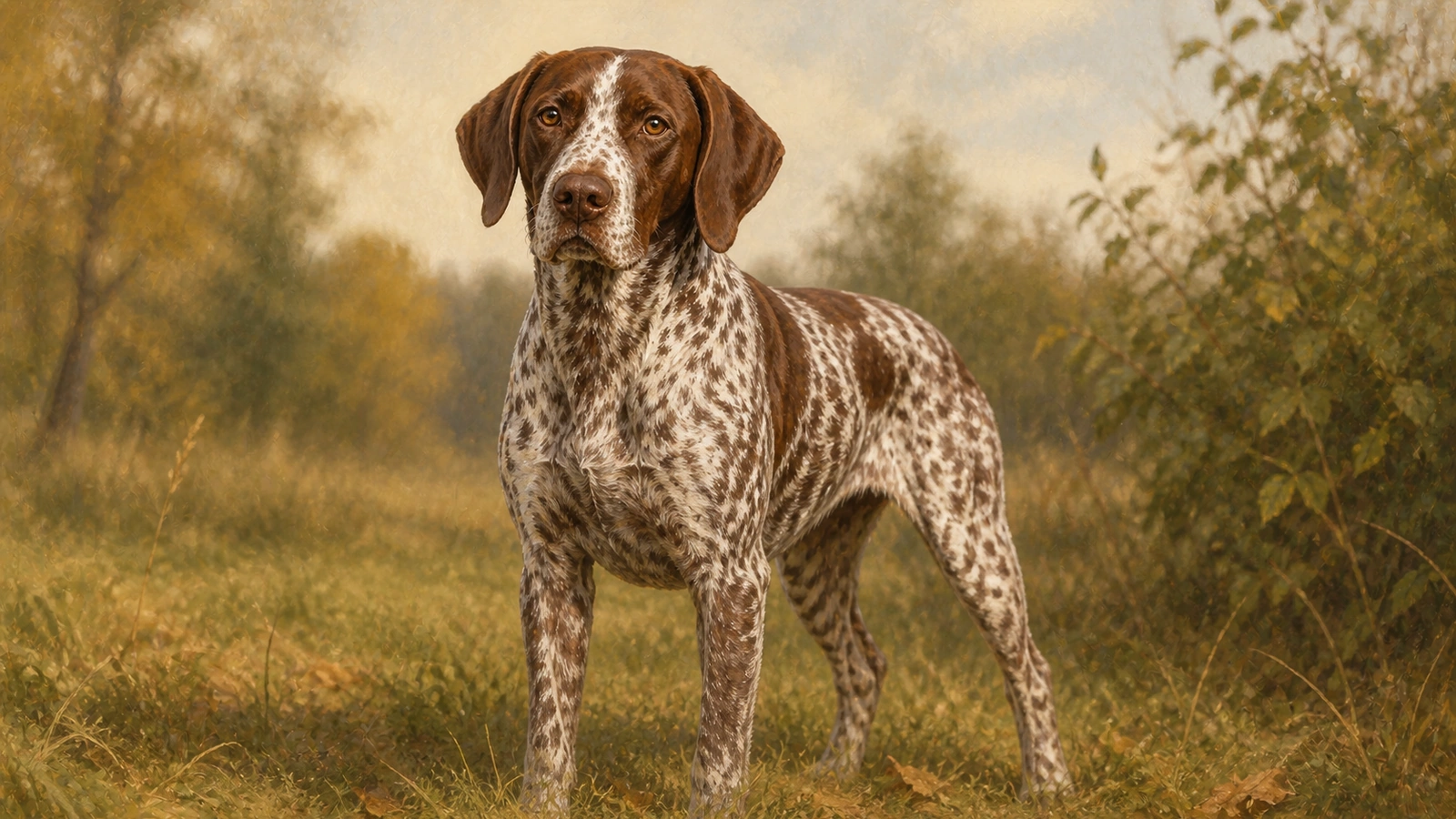
WHAT DO OWNERS WANT TO KNOW?
Are Braques du Bourbonnais good family dogs?
Excellent
9 out of 10
The Braque du Bourbonnais is an excellent family dog for active households due to its affectionate, gentle nature and calm indoor demeanor. They thrive on human companionship and are eager to please, though they are best suited for families that can provide the significant exercise and mental stimulation they require.

Are Braques du Bourbonnais good with kids?
Excellent
9 out of 10
Braques du Bourbonnais are generally excellent with children, known for their gentle and even-tempered nature. While they are affectionate and patient companions, their rambunctious energy during puppyhood and adolescence may be overwhelming for very young children. Early socialization and supervision ensure they remain calm and well-behaved family members.
Are Braques du Bourbonnais good dogs for first time owners?
Great
8 out of 10
Braques du Bourbonnais are excellent for first-time owners who are prepared for a high-energy sporting breed. Their intelligence and strong desire to please make them highly trainable. They can be sensitive or "soft" and respond best to gentle training methods. While they require consistent physical and mental outlets, their calm indoor demeanor and cooperative nature make them a rewarding choice for novice handlers committed to an active lifestyle.
Are Braques du Bourbonnais good apartment dogs?
Average
5 out of 10
Braques du Bourbonnais are average apartment dogs due to their high energy and need for significant daily exercise. While they have a calm indoor demeanor and moderate size, they are best suited for active owners who can commit to 1 to 2 hours of outdoor activity. Without sufficient physical and mental stimulation, they may become bored and exhibit destructive behaviors, making them a challenge for less active city dwellers.
Do Braques du Bourbonnais need a yard?
Average
5 out of 10
A yard is not strictly required for a Braque du Bourbonnais, as they can adapt to apartment living if their significant physical and mental exercise needs are met. However, a securely fenced yard is highly recommended to provide a safe space for this active, athletic breed to run and burn off energy between daily walks and outdoor adventures.
Can Braques du Bourbonnais be left at home alone?
Below Average
4 out of 10
Braques du Bourbonnais are deeply devoted companions that are highly prone to separation anxiety when left alone for extended periods. They thrive best in households with consistent human interaction, as prolonged isolation can lead to stress-related behaviors such as destructiveness or excessive vocalization.
Do Braques du Bourbonnais tolerate cats well?
Very Good
7 out of 10
Braques du Bourbonnais generally get along well with cats, particularly when raised together. Their affectionate and gentle nature helps them form harmonious bonds with other household pets. However, due to their hunting background and pointing instincts, some breed experts do not recommend them for homes with cats due to a high prey drive. Introductions should be slow and supervised to ensure a peaceful multi-pet environment.
Are Braques du Bourbonnais known to be aggressive?
Alert
4 out of 10
Braques du Bourbonnais are not inherently aggressive; they are known for their even temperament, gentle nature, and affectionate disposition toward their families. While they possess strong protective instincts and will alertly bark to announce strangers, they are fundamentally open and warm up quickly to new people. Proper socialization and positive reinforcement training are essential to manage their high hunting drive and ensure they remain well-behaved, balanced companions.
Do Braques du Bourbonnais have a lot of energy?
Active
6 out of 10
Braques du Bourbonnais are active and athletic hunting dogs that balance high intensity in the field with a calm, gentle demeanor at home. While they possess significant stamina for outdoor adventures like hiking and running, they are also known to be affectionate "couch potatoes" who love lounging with their families. They require regular physical activity and mental stimulation to prevent boredom and satisfy their innate working drive.
How much exercise do Braques du Bourbonnais need?
~45 min a day
5 out of 10
Braques du Bourbonnais require a moderate amount of daily exercise, typically around 45 to 60 minutes, to satisfy their athletic nature and hunting instincts. Activities like brisk walks, running, or interactive play sessions in a yard are ideal. Incorporating dog sports such as tracking, agility, or retrieving provides essential mental stimulation and takes advantage of their versatile working background to keep them balanced and healthy.
Do Braques du Bourbonnais tolerate hot weather well?
Great
8 out of 10
Braques du Bourbonnais generally tolerate warm weather well due to their short, dense coats that allow for good air circulation. They are active hunters that can maintain endurance in the field, but owners should still provide plenty of fresh water and shade during peak temperatures. Avoid overexertion during extreme heat to prevent heatstroke and ensure they remain comfortable.
Are Braques du Bourbonnais good with cold weather?
Great
8 out of 10
Braques du Bourbonnais generally tolerate warm weather well due to their short, dense coats that allow for good air circulation. They are active hunters that can maintain endurance in the field, but owners should still provide plenty of fresh water and shade during peak temperatures. Avoid overexertion during extreme heat to prevent heatstroke and ensure they remain comfortable.
Are Braques du Bourbonnais sometimes banned from rentals?
Sometimes Restricted
5 out of 10
Braques du Bourbonnais are sometimes restricted in apartments because of their high energy levels and need for significant daily exercise. They are not typically banned for aggression, but their activity needs can be a concern for some landlords.
WHAT DO OWNERS WANT TO KNOW?