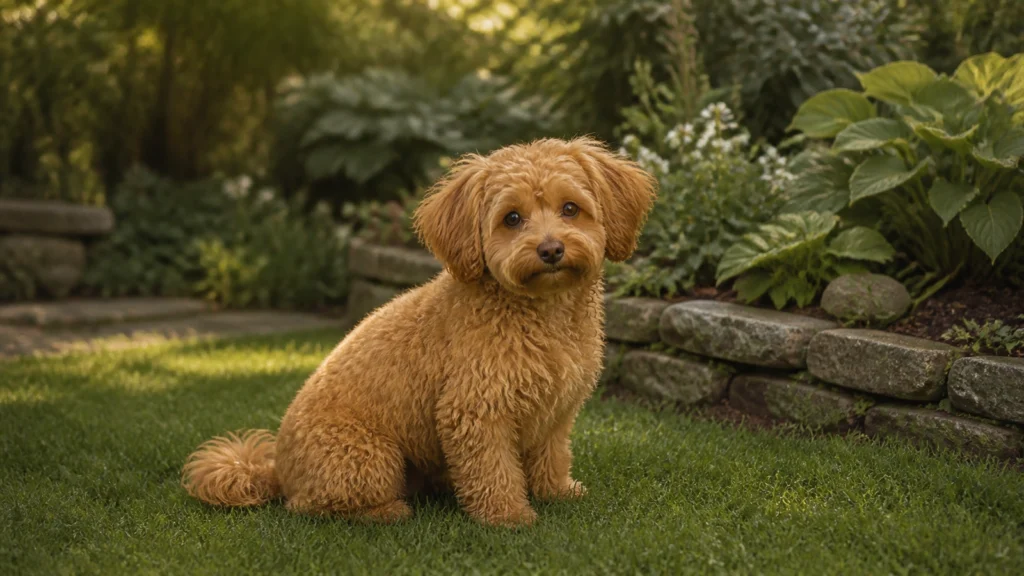
Russian Tsvetnaya Bolonka Grooming Profile
Breed Group
Toy Dogs
Country of Origin
Russia
Breed Size
Toy
AKC Recognition
No
FCI Recognition
Yes, recognized in 1954
Allergy-friendly
Good9 / 10
Shedding
Very Low9 / 10
Grooming need
15 mins/week4 / 10
Low-maintenance
Challenging5 / 10
Size
Small3 / 10
Growth timeline
6-10 months1 / 10
Grooming FAQ
Are Russian Tsvetnaya Bolonka hypoallergenic or allergy-friendly?
Russian Tsvetnaya Bolonka are considered very allergy-friendly. They possess a double coat coat that has very low shedding. Their grooming needs are high.
Allergy-friendly: 9 / 10
Do Russian Tsvetnaya Bolonka shed?
The Russian Tsvetnaya Bolonka is a petite companion, typically weighing between 4 and 11 pounds. The official breed standard considers 7 to 9 pounds ideal. Because they are so small, it is vital to monitor their calorie intake to prevent obesity, which can put unnecessary strain on their tiny joints.
Shedding: 9 / 10
How often should you groom a Russian Tsvetnaya Bolonka?
The Russian Tsvetnaya Bolonka is a petite companion, typically weighing between 4 and 11 pounds. The official breed standard considers 7 to 9 pounds ideal. Because they are so small, it is vital to monitor their calorie intake to prevent obesity, which can put unnecessary strain on their tiny joints.
Grooming need: 4 / 10
Are Russian Tsvetnaya Bolonka low-maintenance dogs?
The Russian Tsvetnaya Bolonka is a petite companion, typically weighing between 4 and 11 pounds. The official breed standard considers 7 to 9 pounds ideal. Because they are so small, it is vital to monitor their calorie intake to prevent obesity, which can put unnecessary strain on their tiny joints.
Low-maintenance: 5 / 10
How big do Russian Tsvetnaya Bolonka get?
The Russian Tsvetnaya Bolonka is a petite companion, typically weighing between 4 and 11 pounds. The official breed standard considers 7 to 9 pounds ideal. Because they are so small, it is vital to monitor their calorie intake to prevent obesity, which can put unnecessary strain on their tiny joints.
Size: 3 / 10
When do Russian Tsvetnaya Bolonka stop growing?
The Russian Tsvetnaya Bolonka is a petite companion, typically weighing between 4 and 11 pounds. The official breed standard considers 7 to 9 pounds ideal. Because they are so small, it is vital to monitor their calorie intake to prevent obesity, which can put unnecessary strain on their tiny joints.
Growth timeline: 1 / 10
How much should a Russian Tsvetnaya Bolonka eat?
Adult Russian Tsvetnaya Bolonkas require high-quality food tailored for small breeds. Feed two to three small meals daily to prevent hypoglycemia and maintain energy. Since they are prone to obesity, use a measuring cup for portion control and limit treats to ensure your lapdog stays healthy and fit.
Feeding amount: 1 / 10
How often should a Russian Tsvetnaya Bolonka puppy eat?
Russian Tsvetnaya Bolonka puppies require frequent, small meals to support their rapid growth and high energy. Feed them three to four times daily until six months of age, then transition to two meals. Consistent schedules help regulate their fast metabolism and assist with house-training.
Puppy feeding frequency: 10 / 10
Vet Insights
Russian Tsvetnaya Bolonkas are petite, allergy-friendly companions reaching full height by ten months and maturing physically by age two. Despite very low shedding, their double coat requires high-maintenance grooming of 1.5 hours weekly. Adults eat 1/4-1/2 cup daily across several meals to prevent obesity and hypoglycemia, supporting their small but sturdy 7-9 pound frame.