Skip to content

Australian Kelpie - MAIN HUB

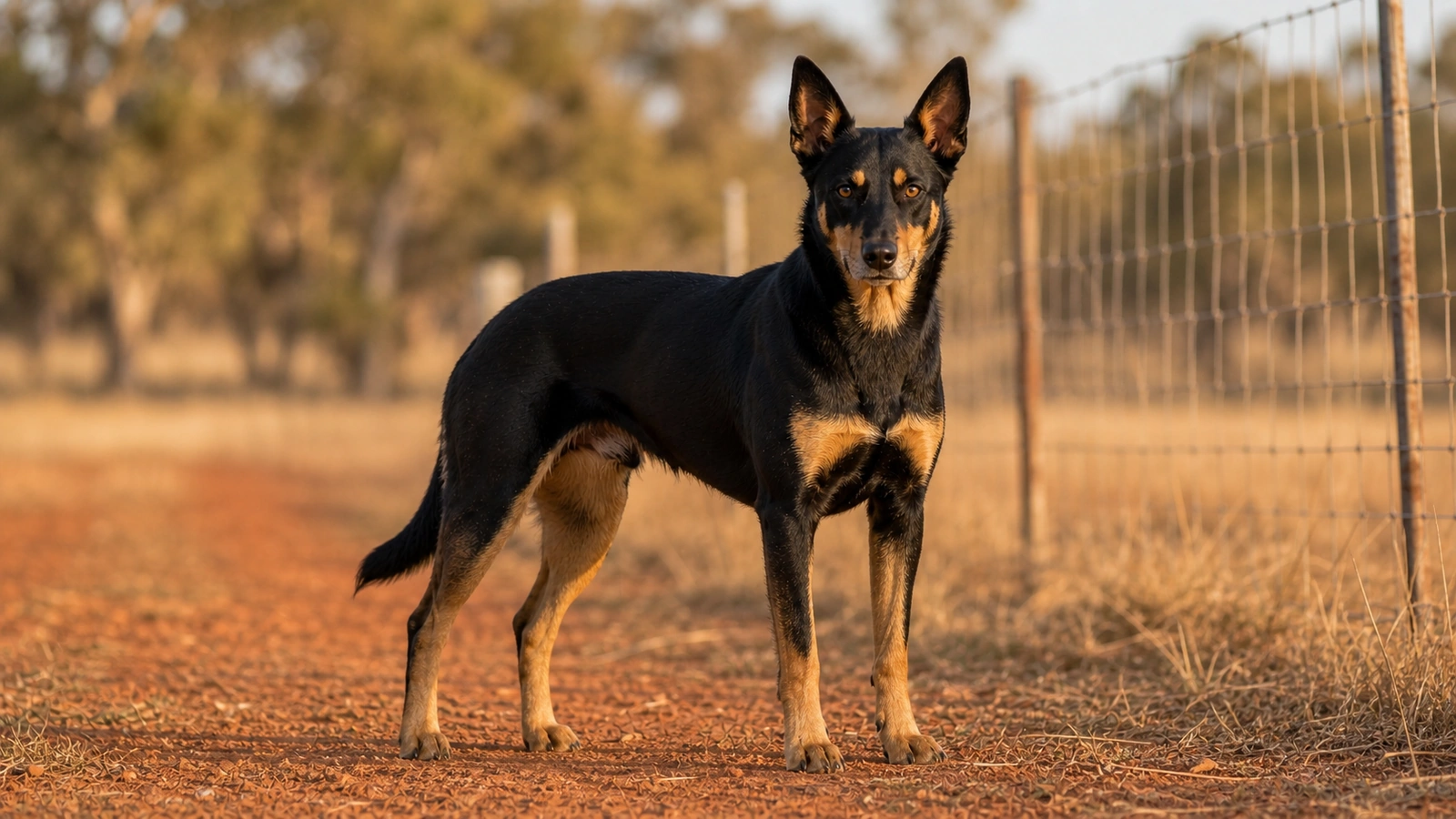
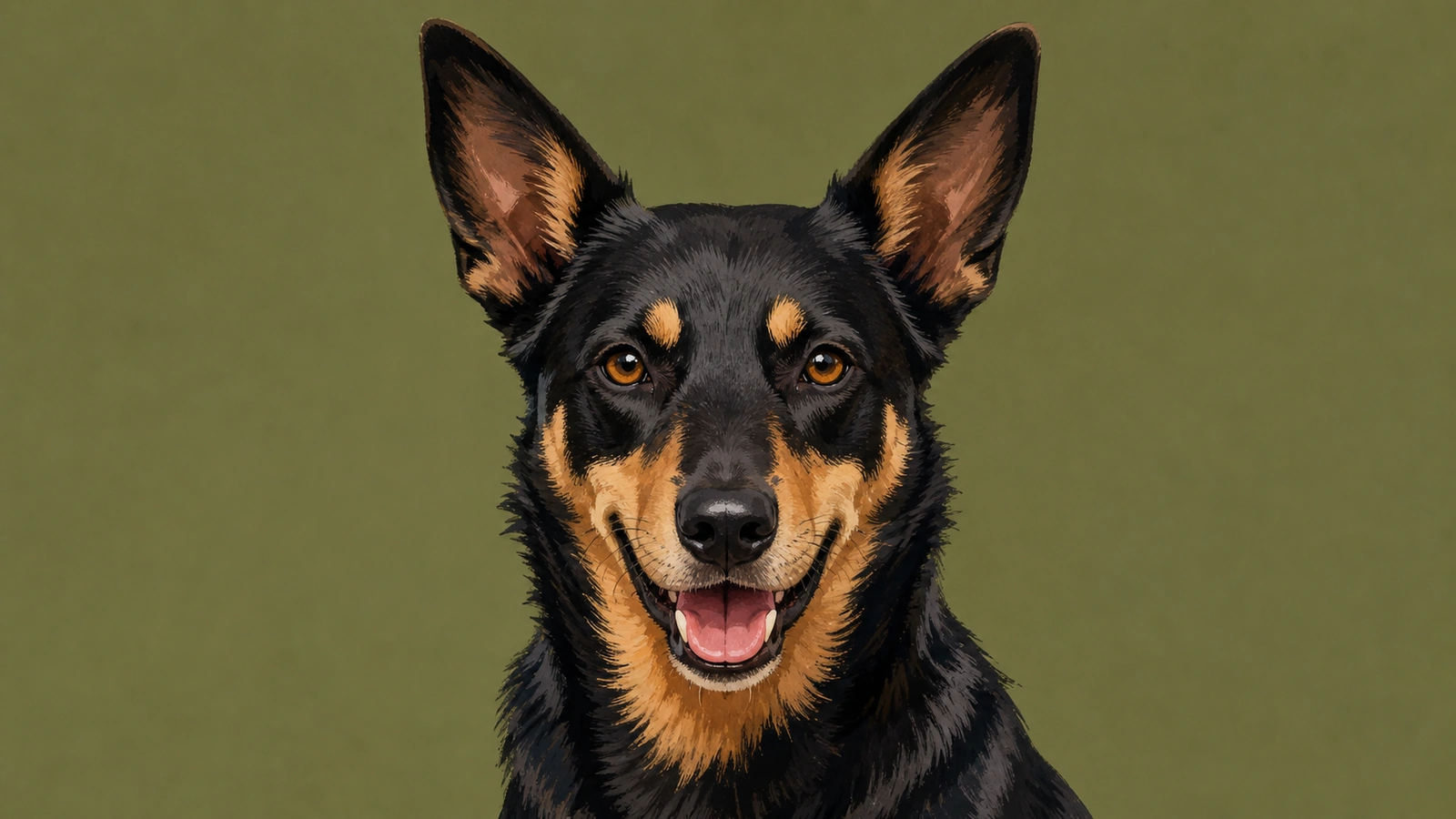
Meet the ultimate adventure partner! Whip-smart and full of heart, this loyal Aussie legend thrives on action and is ready for a life of play.

BREED GROUP

Herding Dogs

Country of origin

Australia

BREED SIZE

Medium

BREED HEIGHT

17 -

20 IN

43 -

51 cm

BREED WEIGHT

31 -

50 LB

14 -

23 KG

WHAT YOU NEED TO KNOW

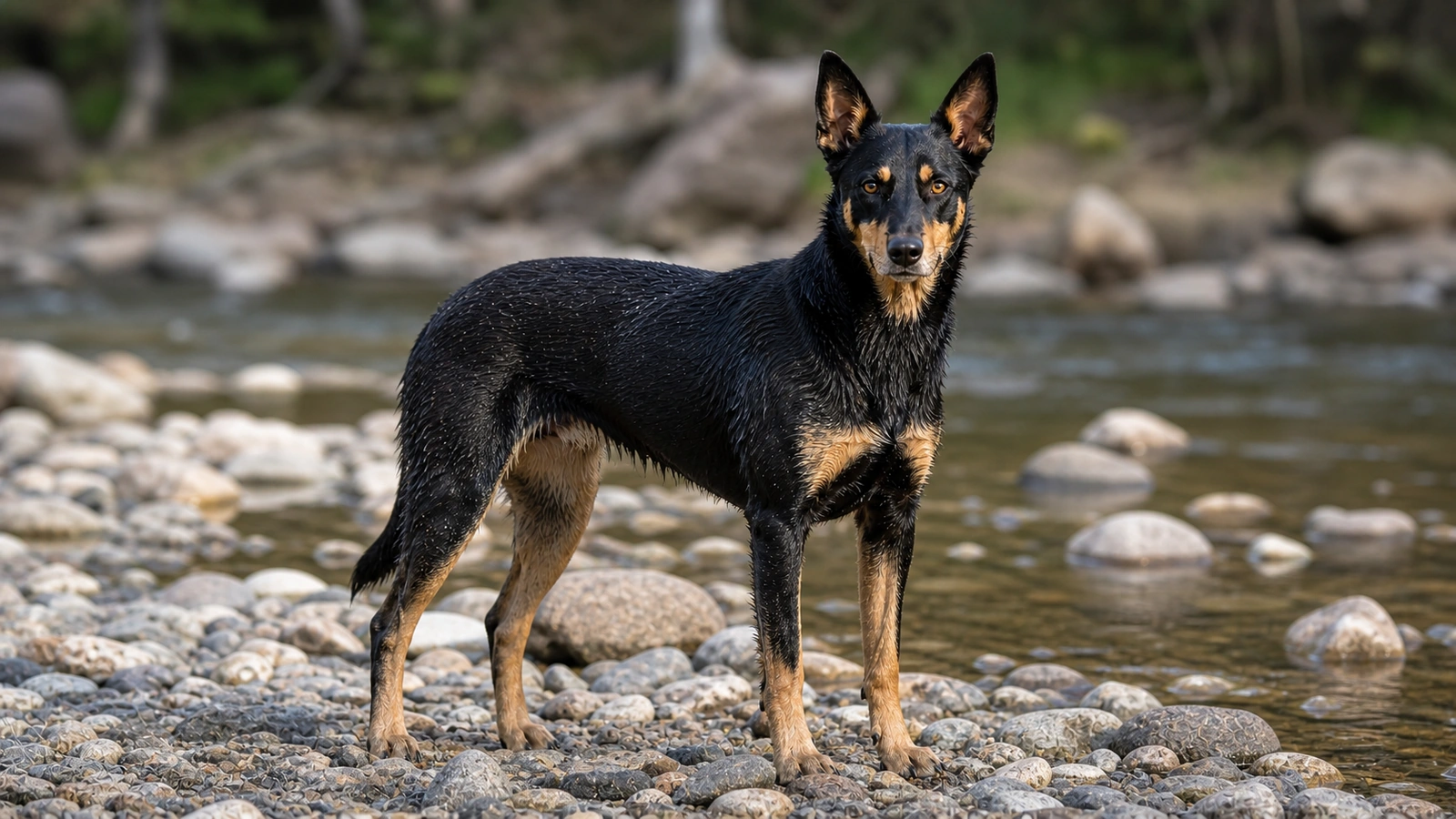
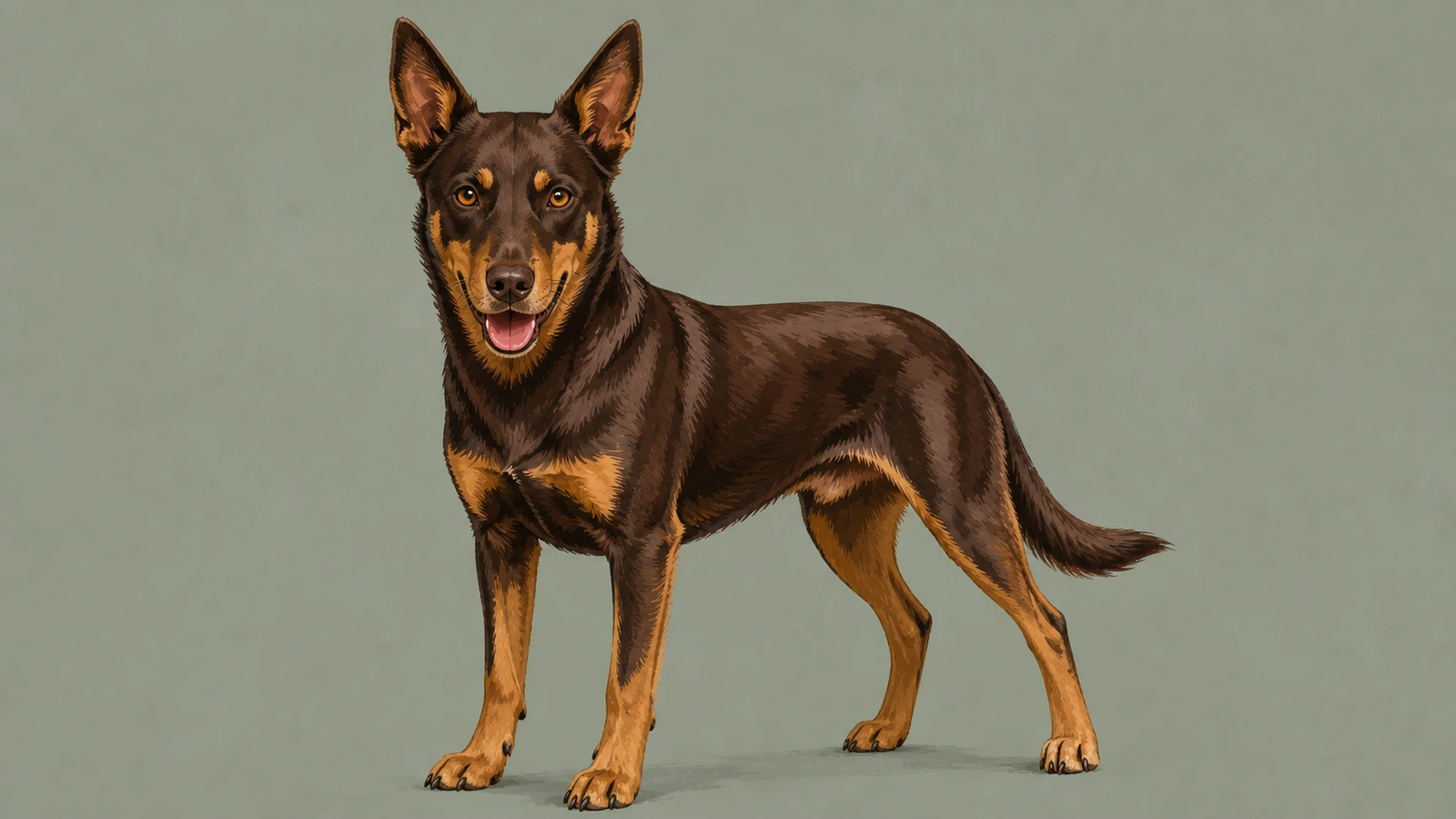
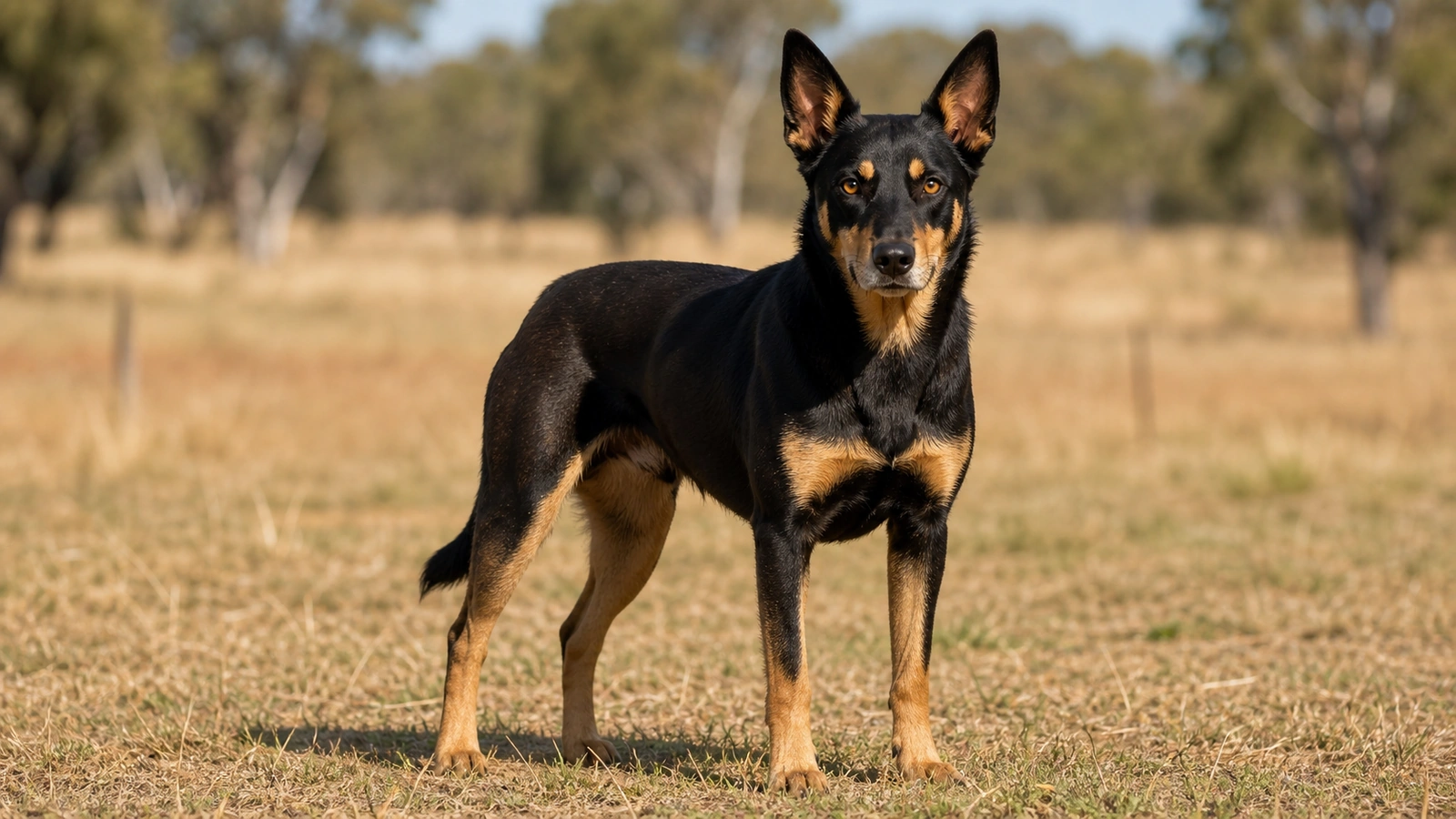
The Australian Kelpie is an elite herding dog known for its remarkable intelligence, stamina, and work ethic. Originating in 19th-century Australia to manage vast livestock herds, this medium-sized breed requires 1.5 to 2 hours of daily vigorous exercise and mental stimulation to prevent destructive behaviors. Loyal and devoted to their families, Kelpies are best suited for active owners or working environments rather than apartment living. While generally hardy, they are prone to hip dysplasia and certain eye conditions. Their weather-resistant double coat is low-maintenance, requiring only weekly brushing to manage shedding.
american kennel club (AKC) recognition

No

Breed was recognized in 0.

International Canine Federation (FCI) recognition

Yes

Breed was recognized in 1954.
WHAT DO OWNERS WANT TO KNOW?

Are Australian Kelpies good family dogs?

Above Average

6 out of 10

Australian Kelpies are loyal and devoted companions that can be excellent family dogs for highly active households. However, they require significant daily exercise and mental stimulation to prevent destructive behavior, making them better suited for working environments or homes with plenty of space rather than apartments.

Average

6 out of 10

Australian Kelpies can be excellent with children, especially when raised together and properly socialized. However, their strong herding instincts might lead them to nip at heels or try to herd younger children, making them best suited for active families with older kids. Early training and supervised play are essential to ensure they remain gentle and well-behaved companions.

Not Recommended

1 out of 10

Australian Kelpies are generally not recommended for first-time owners due to their intense exercise requirements and high need for mental stimulation. While their intelligence makes them quick learners, they can be challenging to manage without experienced leadership and a structured routine. Success with a Kelpie requires a significant commitment to an active lifestyle and consistent, positive reinforcement training to prevent the development of destructive behaviors or excessive herding instincts.

Poor

2 out of 10

Australian Kelpies are poor apartment dogs due to their extreme energy levels and intense need for mental stimulation. As elite herding dogs, they require significant daily activity and wide-open spaces to thrive. Without a demanding physical outlet, they are prone to boredom and destructive behavior, making them better suited for working environments or homes with large yards.

Highly Recommended

2 out of 10

A yard is not strictly required for an Australian Kelpie, provided they receive significant daily physical and mental exercise. However, a large, securely fenced yard is highly recommended to accommodate their extreme energy levels and natural herding instincts. Without sufficient space to run and work, these intelligent dogs can quickly become bored and develop destructive behaviors.

Fair

3 out of 10

Australian Kelpies are social companions that thrive on human interaction and may develop separation anxiety or destructive behaviors if left alone for extended periods without stimulation. While they can manage moderate absences if their significant physical and mental exercise needs are met, they are best suited for environments where they are frequently engaged in daily activities.

Poor

2 out of 10

Australian Kelpies can be good with cats if properly socialized or introduced at a young age, but their strong herding instincts often drive them to chase or stalk feline housemates. While they are non-aggressive and unlikely to cause harm, they may try to "herd" cats that run or move quickly. Consistent training, such as teaching a reliable "leave it" command and providing cats with vertical escape routes, is essential to ensure a peaceful multi-pet household.

Protective

3 out of 10

Australian Kelpies are not naturally aggressive but possess strong protective instincts and a loyal nature. While they are devoted to their families, they can be reserved or wary around strangers. Early socialization and consistent, positive reinforcement training are essential to manage their natural guarding tendencies and high energy, ensuring they remain well-behaved and do not develop territorial or herding-related reactive behaviors.

Hyperactive

10 out of 10

Australian Kelpies are exceptionally high-energy working dogs with legendary stamina and a tireless work ethic. They require a significant amount of daily physical exercise and mental stimulation, such as herding, agility, or long runs, to stay healthy and happy. Without a productive job or intense activity to channel their drive, they can quickly become bored, restless, and prone to destructive behaviors like digging, chewing, or excessive barking.

~90 min a day

8 out of 10

Australian Kelpies are elite working dogs that require a high level of daily exercise and mental engagement to thrive. They typically need at least 60 to 120 minutes of vigorous activity, such as running, hiking, agility training, or herding. Without these outlets for their intense energy and intelligence, they can become bored and develop destructive behaviors like digging, chewing, or excessive barking. High-energy sports like flyball and scent work are excellent ways to keep this athletic breed happy and well-adjusted.

Excellent

9 out of 10

Australian Kelpies possess an exceptional tolerance for heat, having been specifically bred to herd livestock across the vast and scorching landscapes of the Australian Outback. Their short, weather-resistant double coats provide insulation while allowing them to work tirelessly in high temperatures. However, owners should still provide ample shade and fresh water during extreme heat and avoid leaving them outdoors for extended periods without supervision.

Excellent

9 out of 10

Australian Kelpies possess an exceptional tolerance for heat, having been specifically bred to herd livestock across the vast and scorching landscapes of the Australian Outback. Their short, weather-resistant double coats provide insulation while allowing them to work tirelessly in high temperatures. However, owners should still provide ample shade and fresh water during extreme heat and avoid leaving them outdoors for extended periods without supervision.

Likely Banned

7 out of 10

Australian Kelpies are often subject to apartment breed bans or restrictions due to their high energy levels and intense exercise requirements. Property managers may view them as high-risk for property damage or noise complaints if their physical and mental needs are not met. Additionally, their strong herding instincts can be perceived as a liability in densely populated multi-tenant environments. Always check specific rental policies and consider providing training certifications or a pet resume to demonstrate your dog's temperament.

WHAT DO OWNERS WANT TO KNOW?


Photo
Reviewed by
Dr. Vojtech Gabriel
DVM · PhD · MBA
Veterinarian Researcher Dog breed specialist
Verified

"Australian Kelpies are remarkably hardy and athletic, but as a veterinarian, I focus on monitoring for hereditary conditions like hip dysplasia and luxating patellas. This breed is particularly prone to several genetic eye disorders, including Progressive Retinal Atrophy (PRA) and Collie Eye Anomaly, making regular ophthalmic exams essential. We also watch for Cerebellar Abiotrophy, a neurological condition that can emerge in puppyhood. Because they are tireless workers, maintaining an optimal weight is critical to prevent unnecessary joint strain and secondary arthritis. I strongly recommend high-quality nutrition and consistent mental engagement to prevent the anxiety-driven destructive behaviors that can occur in this high-intelligence breed when under-stimulated."
Other Herding Dogs