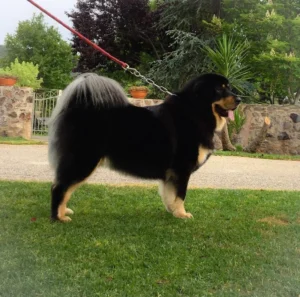
Australian Kelpie Training Profile
Breed Group
Herding Dogs
Country of Origin
Australia
Breed Size
Medium
AKC Recognition
No
FCI Recognition
Yes, recognized in 1954
Mental stimulation needs
Very High9 / 10
Trainability
5 / 10
Picky eater
Very Picky2 / 10
Easy to train
Independent4 / 10
Training stubbornness
Sometimes Stubborn5 / 10
Puppy training
Moderate5 / 10
Training FAQ
Are Australian Kelpie easy to train?
Australian Kelpies are highly intelligent and eager to please, making them relatively easy to train when provided with clear, consistent leadership. While they are independent thinkers capable of problem-solving, they form deep bonds with their owners and respond exceptionally well to positive reinforcement. Success depends on providing variety and a sense of purpose, as they can become bored with repetitive tasks or independent if not given structured guidance.
Easy to train: 4 / 10
Are Australian Kelpie stubborn to train?
Australian Kelpies are highly intelligent and independent thinkers, which can manifest as a stubborn streak if they find training repetitive or lacks clear purpose. Originally bred to make decisions at a distance from handlers, they may "test" commands or seek loopholes in rules. Success requires firm, consistent leadership, short and variety-filled sessions, and positive reinforcement to keep their focused and driven minds engaged without becoming bored.
Training stubbornness: 5 / 10
How do you train a Australian Kelpie puppy?
Train your Australian Kelpie puppy using positive reinforcement like praise, play, and high-value treats to channel their intense work ethic. Prioritize early socialization between 8 and 16 weeks to manage herding instincts and build confidence in various environments. Focus on short, 10-15 minute sessions with a consistent routine to prevent boredom, incorporating basic commands, crate training, and impulse control to ensure a well-adjusted and focused adult companion.
Puppy training: 5 / 10
How difficult is potty training in Australian Kelpie?
Potty training an Australian Kelpie typically takes 4 to 6 months and can be a demanding process due to their high energy and independent nature. While highly intelligent, they require a very consistent routine and frequent outdoor breaks to prevent accidents. Success relies on patience, a strict schedule, and positive reinforcement to help these active working dogs understand house boundaries.
Potty training difficulty: 4 / 10
How many walks does a Australian Kelpie need?
Australian Kelpies are exceptionally high-energy working dogs that require at least 90 minutes to two hours of vigorous daily exercise. This should ideally consist of multiple long, brisk walks combined with high-intensity activities like running, hiking, or herding games to satisfy their immense stamina. Consistent physical engagement is vital to prevent boredom and destructive behaviors in this tireless, athletic breed.
Walking need: 7 / 10
What is the best daily routine for a Australian Kelpie?
An Australian Kelpie's daily routine must prioritize high physical activity and mental engagement to satisfy its working drive. Provide at least 60 to 120 minutes of vigorous exercise, including long runs, hiking, or agility training. Incorporate structured mental work like herding games, obedience drills, or puzzle toys to prevent boredom-driven destructive behavior. Feed adult Kelpies high-quality, protein-forward meals twice daily and ensure constant access to water, especially during active periods. Essential daily care includes checking paws for injuries after outdoor work and maintaining a consistent schedule of both intense activity and enforced rest to build discipline.
Routine need: 9 / 10
Vet Insights
Australian Kelpies are exceptionally intelligent and energetic working dogs that thrive with a dedicated job. They require at least two hours of vigorous daily exercise and significant mental stimulation to prevent destructive behaviors. Training demands consistent, positive reinforcement to manage their independent streak. While highly loyal, they can be demanding to housebreak and require active, structured routines.