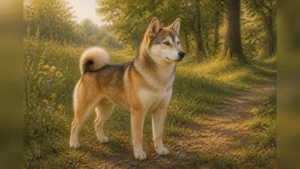
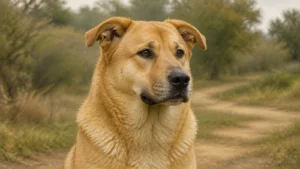
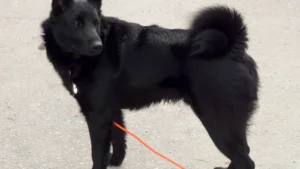
Black Norwegian Elkhound Training Profile
Black Norwegian Elkhounds are independent, highly intelligent hunters with a notable stubborn streak. They require consistent, reward-based training and high-value motivation to overcome their strong-willed nature. Early socialization and vigorous daily exercise are essential for these energetic, vocal companions, who thrive when provided with clear leadership and engaging mental challenges.
TRAINABILITY
Average
5 out of 10
MENTAL STIMULATION NEEDS
Above Average
7 out of 10
LOVE FOR GRUB
Very Picky
2 out of 10
TRAINING FAQ
Are Black Norwegian Elkhounds easy to train?
Average
5 out of 10
Black Norwegian Elkhounds are intelligent and loyal, but their independent nature as self-reliant hunters gives them an average trainability level. While they are capable of learning quickly, they can be headstrong, requiring consistent positive reinforcement and patience to overcome their stubborn tendencies.
Are Black Norwegian Elkhounds stubborn?
Sometimes Stubborn
5 out of 10
Black Norwegian Elkhounds are independent thinkers with a notable stubborn streak, stemming from their history as self-reliant hunters. While they are loyal and eager to learn, they often prioritize their own instincts over commands. Success requires consistent, reward-based training and high-value motivation to overcome their strong-willed nature.
How to train a Black Norwegian Elkhound puppy?
Moderate
5 out of 10
Train your Black Norwegian Elkhound puppy using short, consistent, and positive reinforcement sessions focused on building a strong bond and mutual respect. Prioritize early socialization and lead training to manage their independent hunting instincts and high energy levels. Incorporate variety and mental challenges like puzzle toys and scent work to prevent boredom, and always use high-value rewards to motivate this intelligent but strong-willed breed. Focus on establishing a predictable routine and maintaining patience, as they respond best to fair treatment and clear, firm guidance.
How difficult is to potty train a Black Norwegian Elkhound puppy?
Average
6 out of 10
Potty training a Black Norwegian Elkhound typically takes several weeks to a few months. While they are independent thinkers with a notable stubborn streak, they are also highly intelligent and often adapt well to household routines. Success relies on extreme consistency, frequent outdoor breaks—especially after eating, sleeping, or playing— and lavish positive reinforcement. Using a crate to leverage their natural instinct to keep their sleeping area clean can significantly speed up the process.
How many walks does a Black Norwegian Elkhound need?
Above Average
7 out of 10
Black Norwegian Elkhounds are highly active dogs that typically require between 60 and 90 minutes of daily exercise to maintain their physical and mental health. This should include at least two brisk 30-minute walks supplemented by activities like hiking, jogging, or tracking to satisfy their strong hunting instincts and work drive. Consistent movement and structured outdoor adventures are essential to prevent boredom-induced behaviors like excessive barking or destructiveness.
What is the best daily routine for a Black Norwegian Elkhound?
Very High
9 out of 10
A Black Norwegian Elkhound’s daily routine should focus on high levels of physical activity and varied mental engagement to satisfy their working instincts and prevent boredom. Provide at least 60 to 90 minutes of vigorous exercise daily, such as long walks, hiking, or jogging, ideally split into morning and evening sessions. Feed adult Elkhounds twice daily, using some of their kibble for short, 5-10 minute training sessions that utilize positive reinforcement to manage their independent nature. Incorporate scent-based games, puzzle toys, or activities like agility and tracking to provide essential mental stimulation and prevent destructive behaviors like excessive barking or chewing.
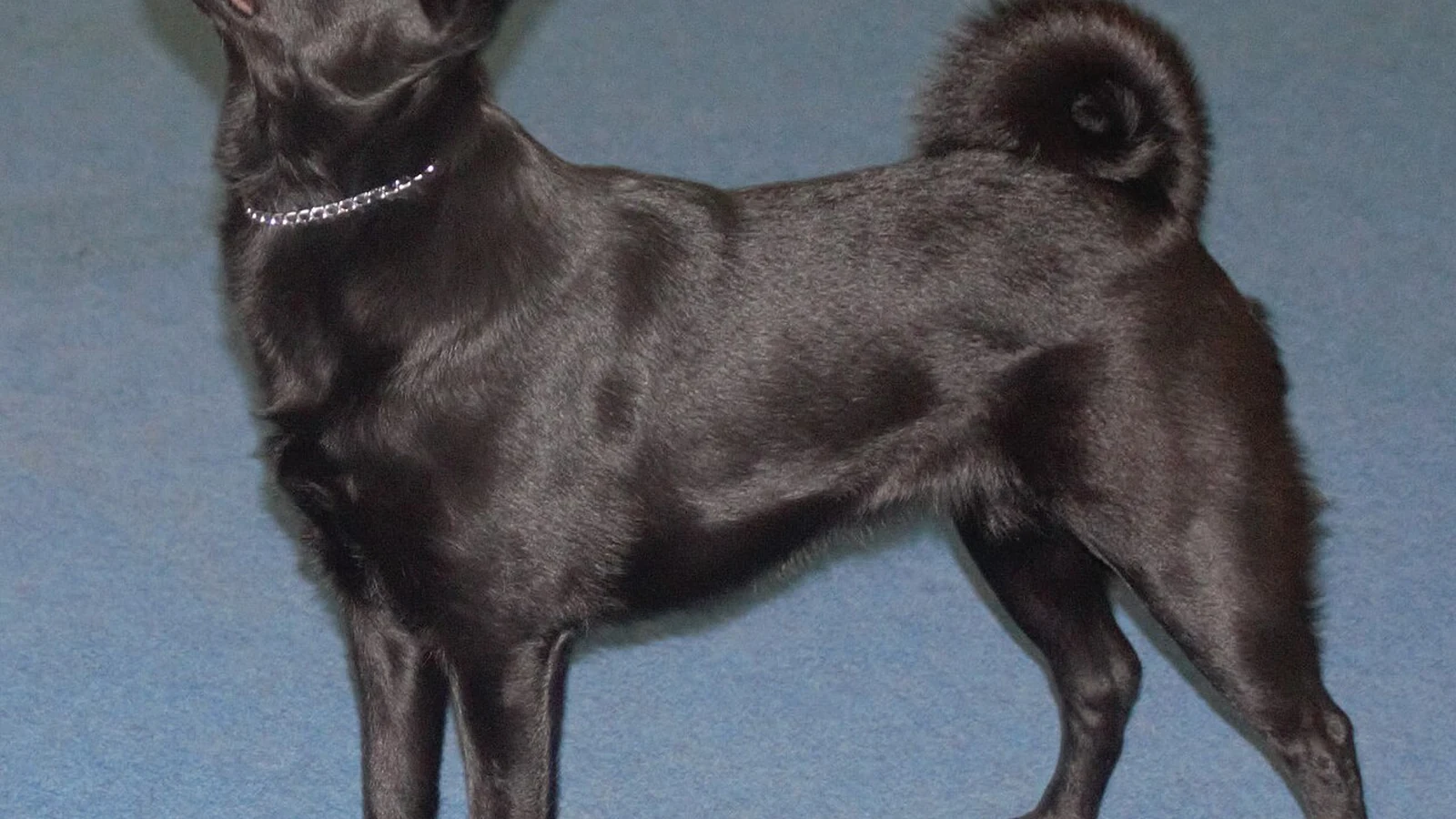
VET INSIGHTS
Black Norwegian Elkhounds are independent, intelligent hunters with a notable stubborn streak, requiring consistent reward-based training. They have high energy levels, needing 60 to 90 minutes of vigorous daily exercise and significant mental stimulation to prevent boredom. While loyal, their vocal nature and picky eating habits require patient ownership and clear leadership to manage their strong-willed personality.

Reviewed by
Dr. Vojtech Gabriel
DVM · PhD · MBA
Veterinarian
Researcher
Dog breed specialist
✓
Verified