Skip to content

Kishu Ken Training Profile

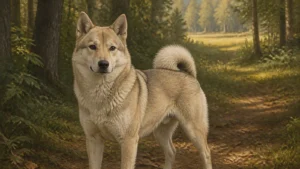
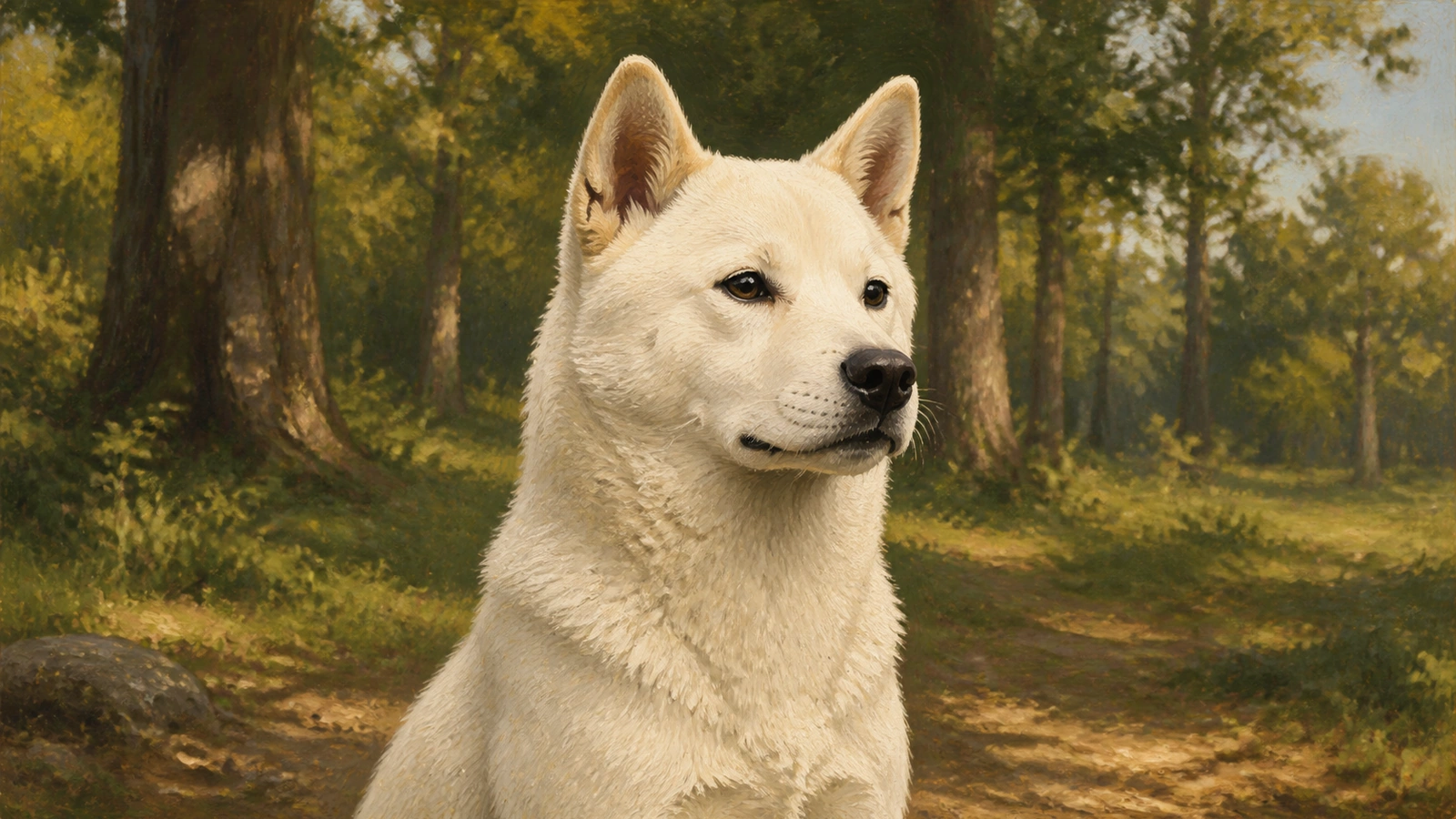
Kishu Kens are intelligent, loyal Japanese hunters that learn quickly but require an experienced, consistent trainer. They respond best to upbeat sessions and positive reinforcement to manage their independent nature and high prey drive. Early socialization and daily mental engagement are essential for housebreaking and ensuring these active, devoted companions remain well-adjusted.

TRAINABILITY

Cooperative

7 out of 10

MENTAL STIMULATION NEEDS

Very High

9 out of 10

LOVE FOR GRUB

Average

6 out of 10

TRAINING FAQ

Are Kishu Kens easy to train?

Willing

7 out of 10

Kishu Kens are highly intelligent and learn quickly, but they can be challenging to train due to their strong hunting instincts and independent nature. They respond best to firm, consistent leadership and positive reinforcement using high-value rewards to maintain their focus. Early socialization and bonding are essential to manage their natural aloofness and headstrong tendencies as they mature.

Willing

7 out of 10

Kishu Kens are highly intelligent and learn fast, but their strong hunting instincts and independent spirit can make training a challenge. They are often described as headstrong or self-willed, requiring an experienced and consistent leader who uses positive reinforcement. Because they were bred for independent decision-making in the mountains, they may prioritize environmental stimuli over owner commands if not properly motivated.

Above Average

7 out of 10

The ideal routine for a Kishu Ken centers on high-intensity activity and mental engagement to satisfy their hunting instincts. Plan for 60-90 minutes of daily exercise, including brisk walks, hiking, or agility. Incorporate upbeat training sessions and two structured meals to maintain their athletic health and loyal companionship.

Fair

7 out of 10

Potty training a Kishu Ken typically takes 4 to 6 months. While they are intelligent and cooperative, their independent hunting heritage requires a consistent schedule, frequent outdoor breaks, and positive reinforcement. Establishing a firm routine early on helps these loyal dogs master housebreaking effectively.

High Needs

8 out of 10

The ideal routine for a Kishu Ken centers on high-intensity activity and mental engagement to satisfy their hunting instincts. Plan for 60-90 minutes of daily exercise, including brisk walks, hiking, or agility. Incorporate upbeat training sessions and two structured meals to maintain their athletic health and loyal companionship.

Minimal Routine

2 out of 10

A Kishu Ken’s daily routine should focus on high-intensity activity and mental engagement to satisfy their hunting instincts. Provide 60 to 90 minutes of daily exercise, including brisk walks, hiking, or agility drills, ideally in a rural or forested setting. Feed adults twice daily and puppies three times to maintain their athletic health. Essential care includes weekly brushing, increasing to daily during seasonal shedding, and short training sessions that focus on building trust and managing their independent nature. Ensure they have a secure, fenced area to prevent them from following scent trails away from home.
VET INSIGHTS

Kishu Kens are intelligent, loyal Japanese hunters that require consistent, reward-based training to manage their independent nature and high prey drive. They need 60 to 90 minutes of daily high-intensity exercise and mental engagement. While generally healthy and low-maintenance, they require weekly grooming and a structured routine to ensure these devoted companions remain well-adjusted and focused.

Photo
Reviewed by
Dr. Vojtech Gabriel
DVM · PhD · MBA
Veterinarian Researcher Dog breed specialist
Verified

Explore Other Breed TRAINING PROFILES