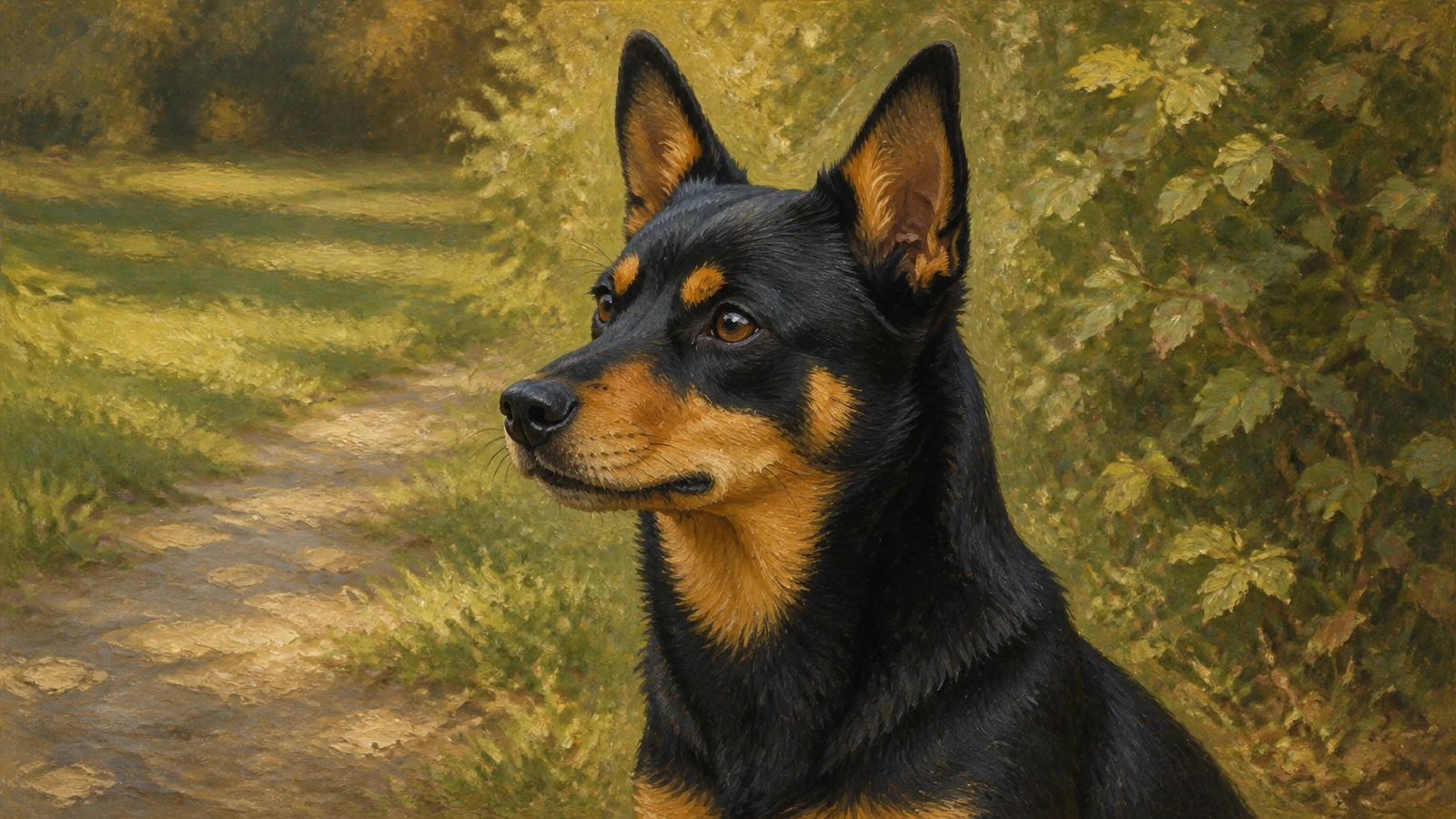
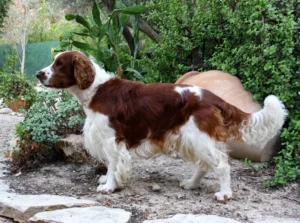
Lancashire Heeler Grooming Profile
COAT TYPE
Double Coat
SHEDDING
Moderate
GROOMING SKILL
Easy
TRAINING FAQ
Are Lancashire Heelers hypoallergenic?
Worst Choice; like most double-coated breeds that shed, they are not considered hypoallergenic
Lancashire Heelers are not hypoallergenic and their double coat traps dander, which can trigger allergies. They are not hypoallergenic and their double coat traps dander, which can trigger allergies.
Do Lancashire Heelers shed a lot?
Moderate
Lancashire Heeler have a double coat coat with moderate shedding. Overall, their shedding level is considered low moderate. Regular grooming is recommended to manage loose hair.
How often should you groom your Lancashire Heeler?
30 mins/week
To keep a Lancashire Heeler healthy, brush their double coat at least weekly to prevent mats and remove debris. Routine ear cleaning is vital to prevent infections. Regular nail trims and dental care are also essential.
Are Lancashire Heelers low maintenance dogs?
Hard
Lancashire Heelers are generally not considered low-maintenance. While their coats are low-shedding and only need weekly brushing, they are high-energy dogs requiring vigorous daily exercise. Their need for constant human companionship and mental stimulation makes them demanding for busy owners.
How big do Lancashire Heelers get?
Medium
Lancashire Heelers are small herding dogs with a sturdy build. They typically stand 10 to 12 inches tall and weigh 9 to 17 pounds, making them robust yet manageable companions.
When do Lancashire Heelers usually stop growing?
18-24 months
Lancashire Heelers typically reach their full height between 9 and 12 months of age. While their skeletal growth plateaus, they continue to fill out and gain muscle mass until they are 16 to 18 months old.
How much should a Lancashire Heeler eat?
1/2-1 cup to match the feeding instructions in how_much_should_a_breed_eat_answer
Adult Lancashire Heelers typically require 1/2-1 cup of food daily.

How often should a Lancashire Heeler eat?
3 meals/day
Lancashire Heeler puppies require frequent, small meals to support their rapid growth and high energy levels. It is generally recommended to feed them three to four times daily until they reach six months of age.