Kintamani-Bali Dog Training Profile
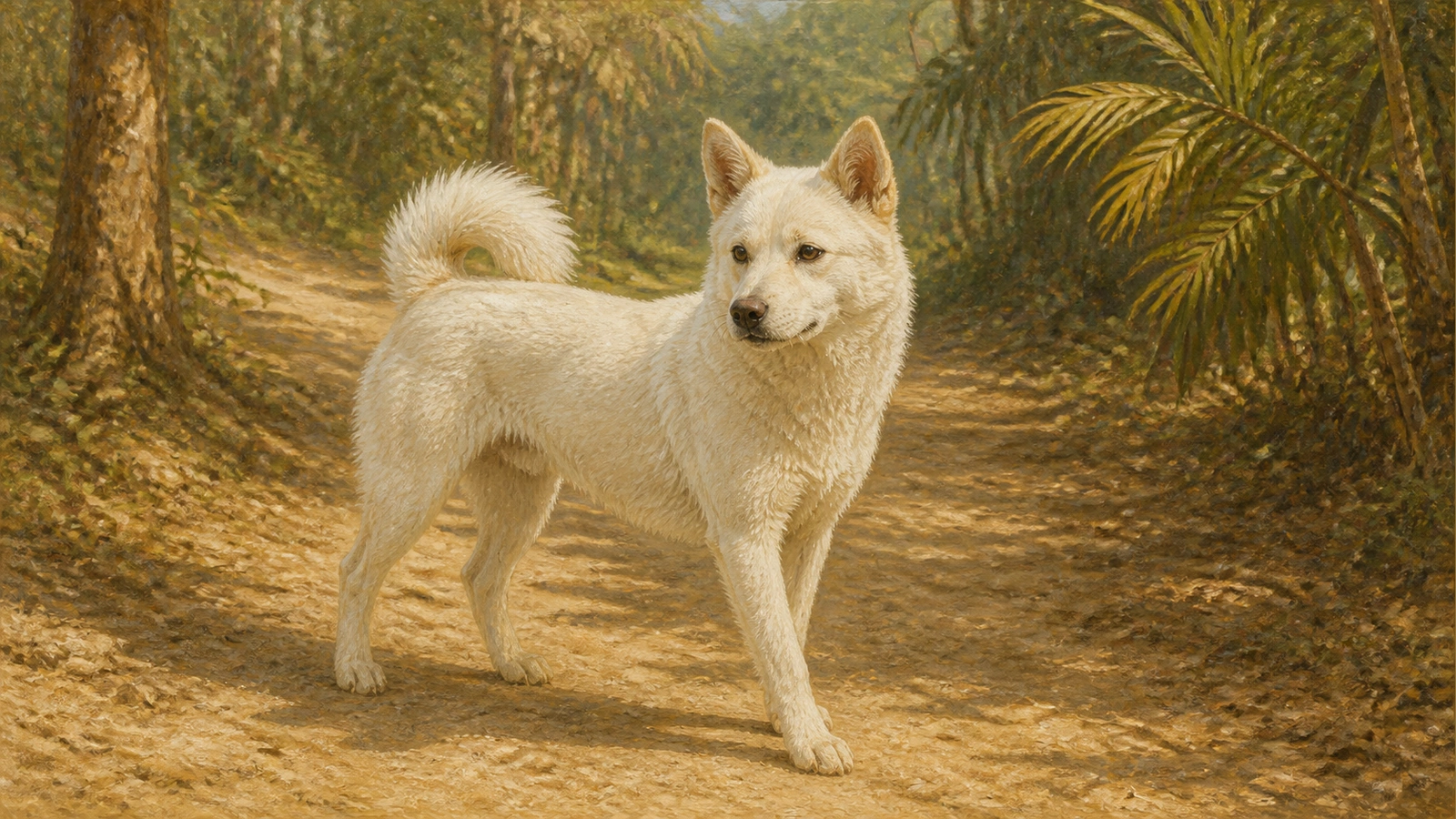
Kintamani-Bali Dogs are intelligent, loyal, and independent mountain dogs from Bali. Highly trainable and cooperative, they excel as alert watchdogs. While they are affectionate with their families, their territorial nature requires consistent leadership and early socialization. They are agile climbers who thrive with a moderate daily routine and structured mental stimulation.
TRAINABILITY
Cooperative
7 out of 10
MENTAL STIMULATION NEEDS
Mild Needs
3 out of 10
LOVE FOR GRUB
Moderate
5 out of 10
TRAINING FAQ
Are Kintamani-Bali Dogs easy to train?
Willing
7 out of 10
Kintamani-Bali Dogs are intelligent and naturally curious, making them relatively easy to train when a bond of trust is established. While they are loyal and responsive to their owners, their independent nature and territorial instincts mean they can be headstrong if they don’t see the purpose of a command. Consistent, positive reinforcement and early obedience training are essential to manage their territorial tendencies and ensure they remain well-behaved companions.
Are Kintamani-Bali Dogs stubborn?
Willing
7 out of 10
Kintamani-Bali Dogs are generally willing and obedient, scoring high on trainability and responsiveness to their owners. While they are territorial and can be suspicious of strangers, they are intelligent and typically listen closely to commands. Their loyal nature makes them less stubborn than many other primitive breeds, particularly when a strong bond of trust and consistent leadership are established.
How to train a Kintamani-Bali Dog puppy?
Above Average
7 out of 10
Train Kintamani-Bali Dog puppies using positive reinforcement, high-value treats, and short, fun sessions. Prioritize early socialization to manage their protective instincts and introduce them to various sights and sounds in a controlled, positive way. Establish a consistent routine and use reward-based methods for basic commands like sit and stay to channel their high intelligence and natural willingness to obey.
How difficult is to potty train a Kintamani-Bali Dog puppy?
Fair
7 out of 10
Potty training a Kintamani-Bali Dog typically takes 4 to 6 months to achieve reliability. While they are intelligent and cooperative, their independent nature requires a consistent routine and firm leadership. Success depends on a strict outdoor schedule, positive reinforcement, and avoiding the use of puppy pads, which can confuse these territorial dogs.
How many walks does a Kintamani-Bali Dog need?
Extreme Needs
10 out of 10
Kintamani-Bali Dogs are high-energy mountain dogs that require regular exercise, typically needing one or two brisk walks daily. They thrive with early-morning outings and are capable of covering long distances due to their athletic nature. Consistent physical activity is essential to satisfy their active temperament and maintain their overall health and happiness.
What is the best daily routine for a Kintamani-Bali Dog?
Moderate
6 out of 10
A Kintamani-Bali Dog’s daily routine should focus on early-morning outings and consistent mental and physical stimulation. Provide approximately 60 minutes of activity, ideally split into two or three short walks supplemented with more vigorous exercise like swimming or climbing, a skill they are particularly adept at. Daily training sessions using positive reinforcement and varied rewards are essential to manage their independent nature and prevent destructive behavior. Feed adult dogs high-quality dry food twice daily, prioritizing lean meats like chicken or beef. Essential daily care includes wiping the eyes with a damp pad, checking ears, and providing interactive puzzle toys to satisfy their high intelligence. Ensure they have access to a yard for climbing and a secure area where they won’t escape over fences.
VET INSIGHTS
Kintamani-Bali Dogs are intelligent, loyal, and independent mountain dogs. Highly trainable and cooperative, they excel as alert watchdogs but require consistent leadership due to their territorial nature. Their care routine includes moderate daily exercise, early-morning outings, and mental stimulation. They are agile climbers that thrive with positive reinforcement, early socialization, and a secure environment to prevent escape.
Reviewed by
Dr. Vojtech Gabriel

DVM · PhD · MBA
Veterinarian
Researcher
Dog breed specialist
✓
Verified