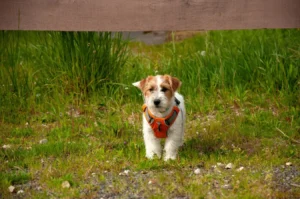
Tibetan Spaniel Training Profile
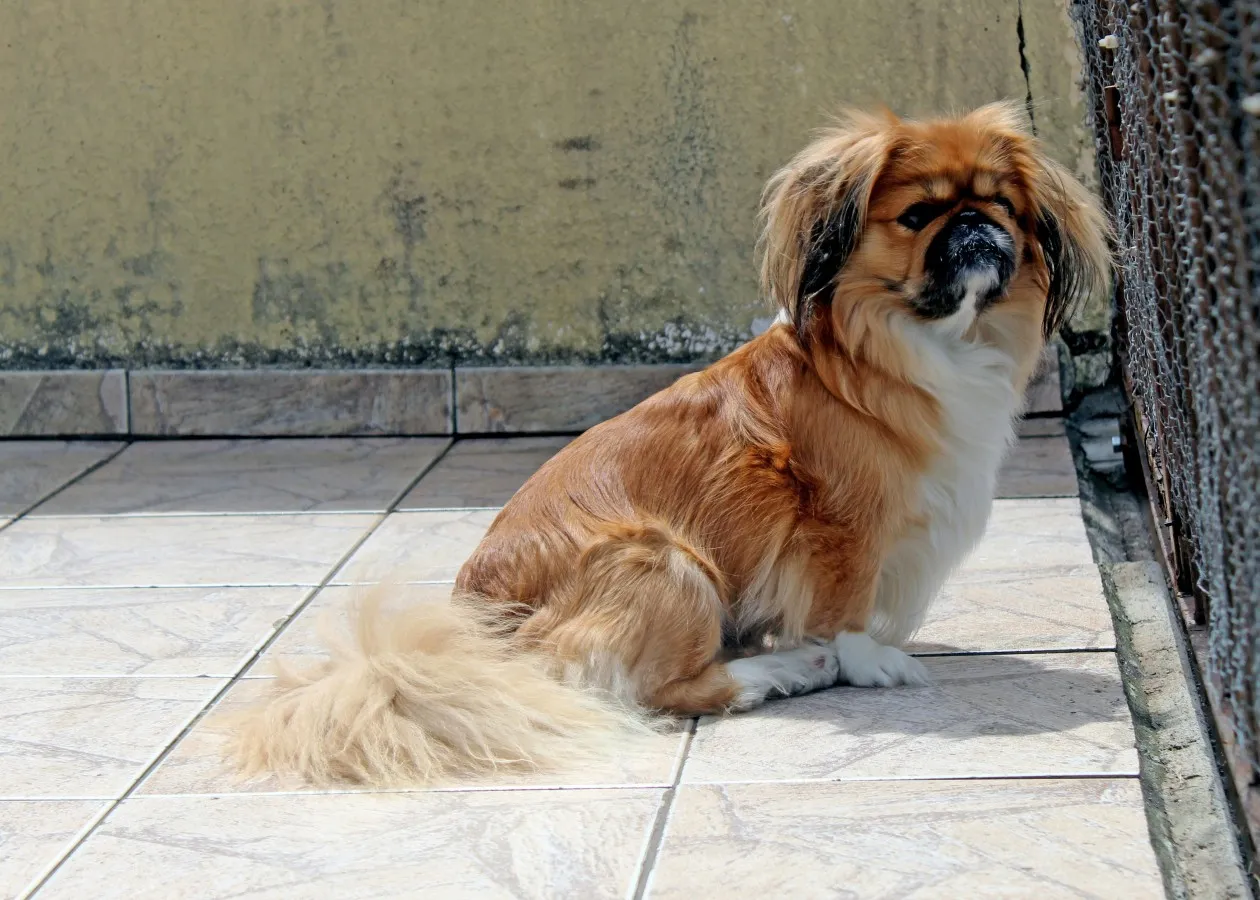
Tibetan Spaniels are intelligent, independent thinkers that require patient, rewards-based training. Originally monastery watchdogs, they can be stubborn and possess a reserved nature toward strangers. They respond best to gentle, positive reinforcement and short, engaging sessions. Early socialization and consistent routines are essential to manage their self-reliant instincts and ensure a well-mannered companion.
TRAINABILITY
Stubborn
3 out of 10
MENTAL STIMULATION NEEDS
Very Low
1 out of 10
LOVE FOR GRUB
Great Eater
8 out of 10
TRAINING FAQ
Are Tibetan Spaniels easy to train?
Independent
4 out of 10
Tibetan Spaniels are highly intelligent but can be challenging to train due to their independent nature and history as self-reliant sentinels. While they learn quickly, their tendency toward selective listening means they require consistent, positive reinforcement and high-value rewards to stay engaged. Success with these little lions depends on patience and maintaining their interest through variety and praise.
Are Tibetan Spaniels stubborn?
Stubborn
3 out of 10
Tibetan Spaniels are highly intelligent but possess a notable independent streak that often translates into stubbornness. Originally bred as sentinels, they are self-reliant thinkers who may engage in selective listening. Owners should use consistent, positive reinforcement and high-value rewards to keep these “little lions” engaged and motivated.
How to train a Tibetan Spaniel puppy?
Average
6 out of 10
Train your Tibetan Spaniel puppy using gentle, positive reinforcement and short, engaging sessions. Focus on early socialization to manage their natural watchdog instincts and reserve toward strangers. Because they are independent thinkers, use treats and praise to build trust and encourage cooperation throughout their development.
How difficult is to potty train a Tibetan Spaniel puppy?
Challenging
3 out of 10
Potty training a Tibetan Spaniel typically takes between 4 to 6 months to achieve full reliability. Known for their independent nature and stubborn streak, these small dogs require extreme patience and a consistent schedule. Success relies on a rigid routine, crate training, and positive reinforcement with high-value treats to overcome their tendency for selective listening.
How many walks does a Tibetan Spaniel need?
Extreme Needs
10 out of 10
Tibetan Spaniels have moderate exercise needs, generally requiring 30 minutes to one hour of activity daily. This should include at least one brisk 30-minute walk supplemented by interactive play sessions or opportunities to explore and sniff their surroundings. Despite their small size, they possess enough stamina for 20- to 30-minute walks and even medium-length hikes on well-trodden trails.
What is the best daily routine for a Tibetan Spaniel?
Moderate High
7 out of 10
A Tibetan Spaniel’s daily routine should focus on companionship and alertness. Provide 30 to 60 minutes of daily activity, including at least one brisk 30-minute walk and interactive play like fetch or scent games. Feed adults twice daily and puppies three to four times with small-breed kibble to maintain a healthy weight. Essential daily care includes brushing teeth, checking for mats behind the ears and legs, and providing 5-10 minute positive reinforcement training sessions to manage their independent nature. Ensure they have a high vantage point to satisfy their watchdog instincts and avoid leaving them alone for long periods to prevent separation anxiety.
VET INSIGHTS
Tibetan Spaniels are intelligent, independent thinkers that require patient, reward-based training to manage their stubborn streak. These “little lions” need moderate daily exercise, including 30 to 60 minutes of walking and play. Known as vigilant watchdogs, they thrive on companionship and high vantage points, requiring consistent routines and early socialization to ensure a well-mannered, devoted family companion.
Reviewed by
Dr. Vojtech Gabriel

DVM · PhD · MBA
Veterinarian
Researcher
Dog breed specialist
✓
Verified