Tibetan Mastiff Health and Costs
Breed Group
Working Dogs
Country of Origin
China
Breed Size
Giant
AKC Recognition
Yes, recognized in 2006
FCI Recognition
Yes, recognized in 1954
Rarity
Fairly Common4 / 10
Purchase cost
Very Expensive8 / 10
Life expectancy
Moderate Lifespan6 / 10
Health
Moderate health concerns4 / 10
Health problem risk
Moderate health concerns4 / 10
Maintenance cost
Extremely expensive upkeep10 / 10
A Veterinarian's Guide
Tibetan Mastiff Health Problems and Costs
The Tibetan Mastiff is a massive, heavily coated guardian breed from the Himalayas. Its size shapes almost every health decision, from joints and bloat to heat and costs. This guide explains what to watch for, what to ask a breeder and what to budget.
In this guide
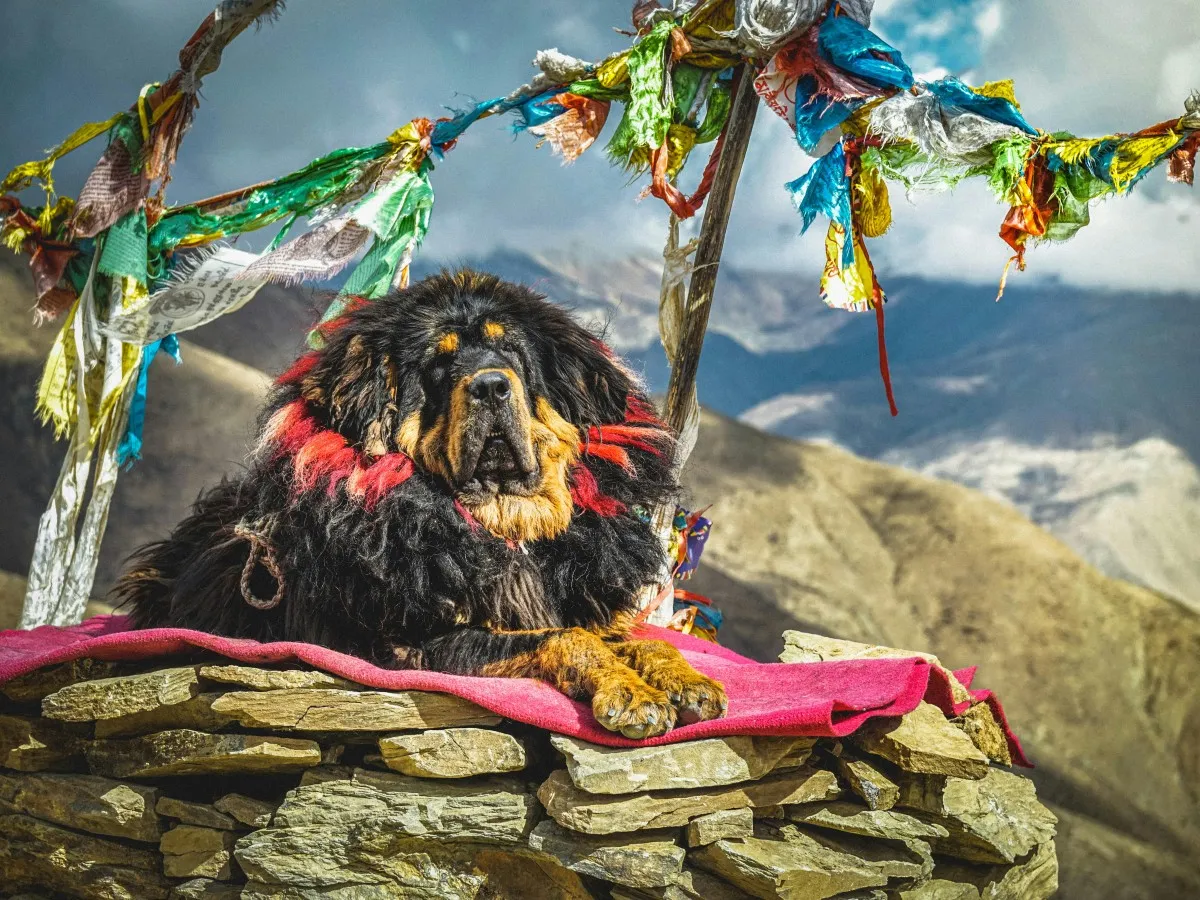
Why is bloat a serious risk?
Gastric dilatation and volvulus (GDV), usually called bloat, happens when the stomach fills with gas and then twists, cutting off its own blood supply. The Merck Veterinary Manual describes it as most common in large, deep-chested dogs, so owners of a giant breed like this one should know the signs. It can become life-threatening within hours.
Feeding two or more smaller meals and avoiding hard exercise right after eating are common sensible habits. Many owners of giant, deep-chested dogs ask their veterinarian about a preventive gastropexy, a surgery that tacks the stomach in place and is often planned with a spay or neuter.
A swollen, tight belly with unproductive retching and obvious distress is an emergency. Go to a veterinary hospital right away rather than waiting to see if it passes.
Are hip and elbow problems common?
Hip dysplasia and elbow dysplasia are developmental conditions in which the joints do not fit together smoothly. Over time they can cause uneven wear and arthritis. PetMD lists both among the conditions seen in the breed, and the American Kennel Club recommends hip and elbow evaluations on its working group health testing page. The Orthopedic Foundation for Animals explains how elbow screening works.
A giant dog puts a lot of weight through its joints, so staying lean matters throughout life. Limping, stiffness after rest or reluctance to climb stairs are good reasons to book an exam.
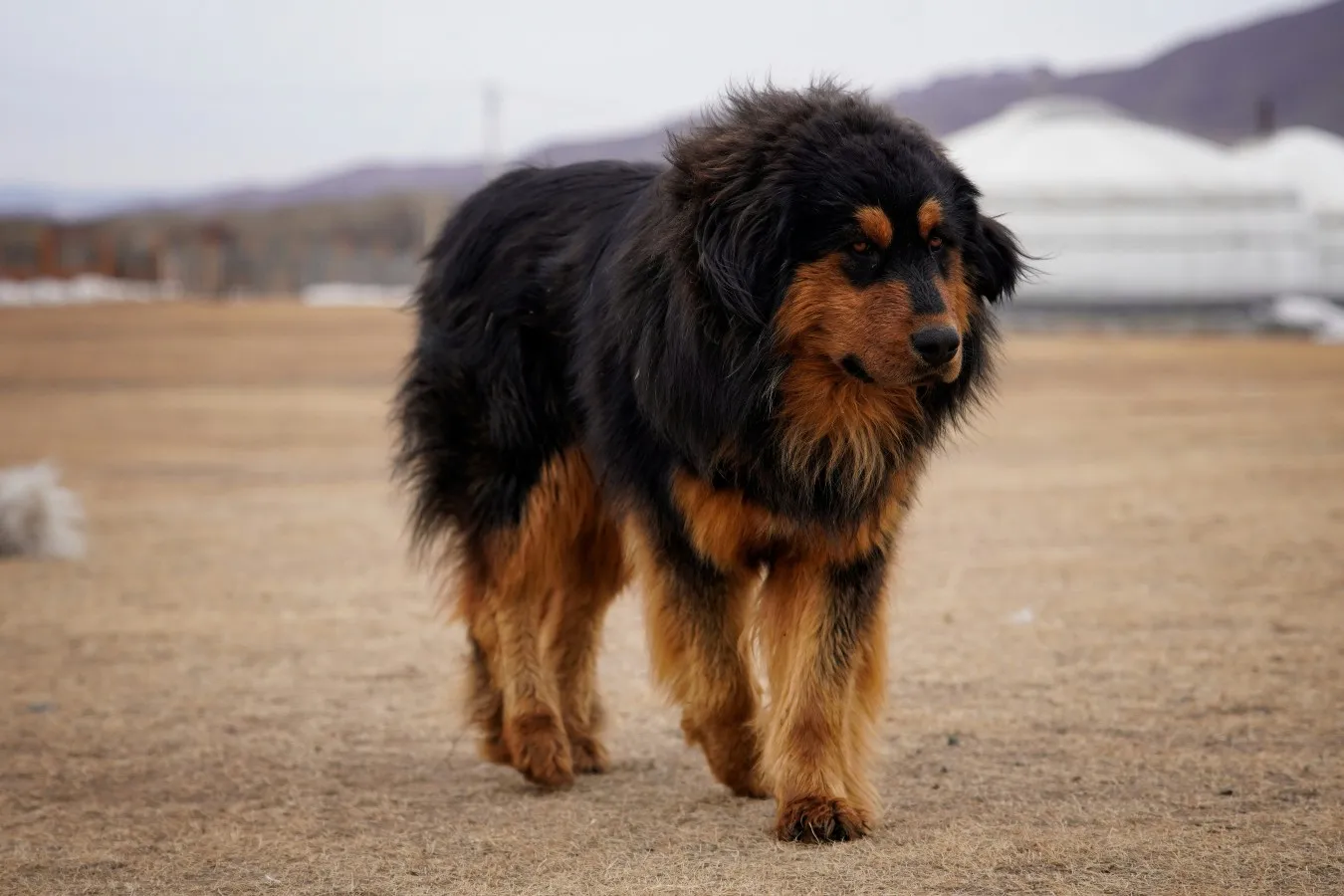
Why does thyroid health need monitoring?
Hypothyroidism means an underactive thyroid gland. According to VCA, common signs include weight gain without a bigger appetite, tiredness and a dry, dull coat. These changes are easy to miss under a thick Tibetan Mastiff coat. A blood test confirms it, and your veterinarian can prescribe daily medication.
The AKC lists a thyroid evaluation as a recommended test for the breed, and Wikipedia notes that many dogs of this breed test low without symptoms, so results should be read by a veterinarian who knows the breed.
Why are heat and coat care a concern?
PetMD notes that Tibetan Mastiffs do not do well in hot weather, and owners in warm climates should watch for heatstroke. Exercise in the cool parts of the day, provide shade and fresh water, and never leave the dog in a parked car.
The dense double coat also needs regular brushing, with heavier shedding once or twice a year. Dry the coat well after baths or swimming, since damp, matted hair can irritate the skin underneath.
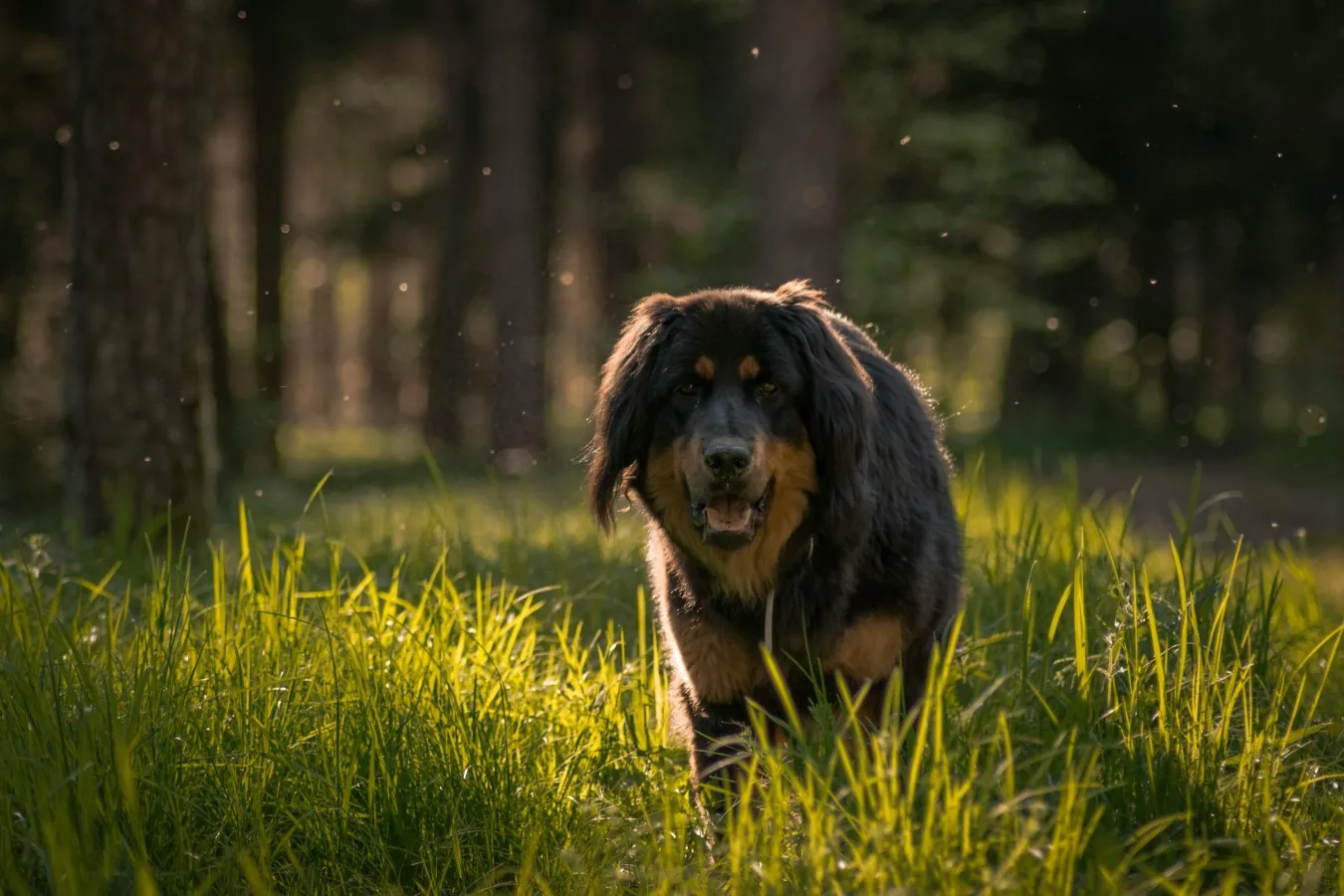
Which eyelid problems should you watch for?
Entropion is an eyelid that rolls inward, so lashes rub the eye, and ectropion is an eyelid that rolls outward. PetMD lists both in the breed. VCA explains in its entropion article that surgery is often used to correct it.
Squinting, excessive tearing or a red eye needs a prompt exam. Do not wait to see if it settles. The AKC also recommends an ophthalmologist evaluation for the breed.
- 01
Swollen, tight belly
Especially with retching that brings nothing up, drooling or restlessness.
- 02
Heavy panting that will not settle
Drooling, vomiting, wobbling or collapse after heat or exercise.
- 03
Sudden collapse or pale gums
A dog that cannot stand may be in shock.
- 04
Painful, closed or injured eye
Severe squinting or a cloudy eye needs urgent care.
What costs should you plan for?
Giant dogs cost more at almost every step, because food, medication doses and anesthesia scale with body weight. The figures below are rough planning ranges that vary by region and clinic.
| Cost item | What drives it | Typical cost |
|---|---|---|
| Routine ownership | Food, care, grooming, insurance | $500 to $1,400 per month |
| Hip and elbow x-rays | One-time, around age 2 | $150 to $400 |
| Thyroid blood panel | Periodic from middle age | $80 to $150 |
| Professional grooming | Dense double coat | $40 to $100 per session |
| Preventive gastropexy | Optional, often with spay or neuter | $300 to $700 |
| Emergency bloat surgery | Surgery plus hospital stay | $2,500 to $7,500 or more |
Emergency bloat surgery is the biggest single bill an owner is likely to face. PetMD suggests considering pet insurance before bringing a Tibetan Mastiff home, and many owners enroll while the dog is young and healthy.
What should you ask a breeder?
Ask for hip, elbow, eye and thyroid test results for both parents, since the AKC recommends all four for the breed. Ask about the lifespan of the dogs in the pedigree and whether any relatives have had bloat. PetMD notes that puppies from breeders can cost several thousand dollars, and rescue groups usually charge less, so compare options and be wary of sellers who promise rare colors or skip testing.
What is daily life like?
PetMD describes an aloof, watchful guardian that is loyal to family and reserved with strangers. They need moderate exercise, a fenced yard to patrol and early socialization. They tend to lack endurance and do not adapt well to apartment living. Our grooming guide covers brushing and shedding, the personality guide explains the guarding temperament, and the training guide helps with a willful, intelligent dog.
What should you know about lifespan and aging?
PetMD gives a general life expectancy of 10 to 12 years. Annual exams, lean weight, joint comfort and periodic blood work from middle age help catch problems early. Many veterinarians suggest twice-yearly checkups for giant dogs as they reach their senior years, so ask what schedule suits your dog. Report any new lump, weight loss or lasting tiredness promptly.
Final Thoughts From a Veterinarian
Tibetan Mastiffs typically live 10 to 12 years and cost more to keep than most breeds. Ask for hip, elbow, eye and thyroid screening, keep them lean and cool, learn the bloat warning signs, and plan ahead for insurance. Your veterinarian can tailor the plan.
Health & Costs FAQ
How much do Tibetan Mastiff cost?
A Tibetan Mastiff puppy from a breeder can cost several thousand dollars, and rescue groups usually charge less. Owners should also budget for initial supplies and the higher ongoing costs of a giant, heavily coated breed.
Purchase cost: 8 / 10
How long do Tibetan Mastiff live?
Tibetan Mastiffs typically live 10 to 12 years. As a giant breed, they do best with a lean weight, moderate exercise, cool surroundings and regular veterinary care, with closer monitoring as they age.
Life expectancy: 6 / 10
Are Tibetan Mastiff healthy dogs?
Tibetan Mastiffs are sturdy guardians, but their size brings real health considerations. Owners should watch for hip and elbow dysplasia, hypothyroidism, eyelid problems, bloat and heat stress. Ask a breeder about hip, elbow, eye and thyroid screening, as the AKC recommends.
Health: 4 / 10
What health problems do Tibetan Mastiff have?
Common concerns include hip and elbow dysplasia, hypothyroidism, and entropion or ectropion, where the eyelid rolls in or out. As a large, deep-chested dog, bloat is also an emergency to know about, and heat stress is a risk. Hip, elbow, eye and thyroid screening are recommended.
Health problem risk: 4 / 10
Are Tibetan Mastiff expensive to maintain?
Tibetan Mastiffs are expensive to maintain because of their giant size and thick double coat. Owners should budget for large amounts of food, size-based medication and anesthesia costs, grooming, regular checkups and possible joint or thyroid care.
Maintenance cost: 10 / 10
How much does it cost to own a Tibetan Mastiff per month?
Expect to spend roughly $500 to $1,400 per month to own a Tibetan Mastiff. This covers food, routine veterinary care, grooming and pet insurance. A giant size makes food, preventives and medication more expensive than average.
Monthly ownership cost: 10 / 10
How much does pet insurance cost for a Tibetan Mastiff?
Pet insurance for a Tibetan Mastiff commonly runs from about $33 to more than $130 per month, depending on age, location and plan. Because bloat surgery and joint care can be costly in a giant breed, many owners enroll early. Compare quotes from several insurers.
Pet insurance cost: 8 / 10
Will homeowners insurance cover a Tibetan Mastiff?
Coverage varies by insurer. Tibetan Mastiffs are not among the most commonly restricted breeds, but some insurers limit large or mastiff-type dogs and guarding breeds. Always disclose your dog and confirm the policy terms before you buy.
Homeowners insurance difficulty: 5 / 10
Are Tibetan Mastiff on insurance restricted breed lists?
Sometimes. Tibetan Mastiffs are not usually named on the most common restricted lists, but some insurers restrict mastiffs, large dogs or guarding breeds. Check each insurer's list before you apply, and always disclose your dog.
Insurance restriction risk: 5 / 10
Can you get renters insurance with a Tibetan Mastiff?
Often possible, but it depends on the insurer. Some limit large or mastiff-type dogs, and landlords may add size or breed rules. Disclose your dog and confirm the liability terms and your lease rules in writing.
Renters insurance difficulty: 5 / 10