Belgian Malinois Health and Costs
Breed Group
Working Dogs
Country of Origin
Belgium
Breed Size
Large
AKC Recognition
Yes, recognized in 1959
FCI Recognition
Yes, recognized in 1956
Rarity
Very Common9 / 10
Purchase cost
Expensive7 / 10
Life expectancy
Moderate Lifespan6 / 10
Health
Fairly healthy6 / 10
Health problem risk
Moderate health concerns4 / 10
Maintenance cost
Moderate upkeep cost4 / 10
A Veterinarian's Guide
Belgian Malinois Health Problems and Costs
The Belgian Malinois is a lean, intelligent working and sport dog prized for its drive and stamina. It is generally healthy, but a handful of issues repeat in the breed: hips and elbows, eyes, epilepsy, bloat, and the thyroid. Knowing them before you bring a puppy home, or while you already share your life with one, makes the screening and the vet visits much easier to plan.
In this guide
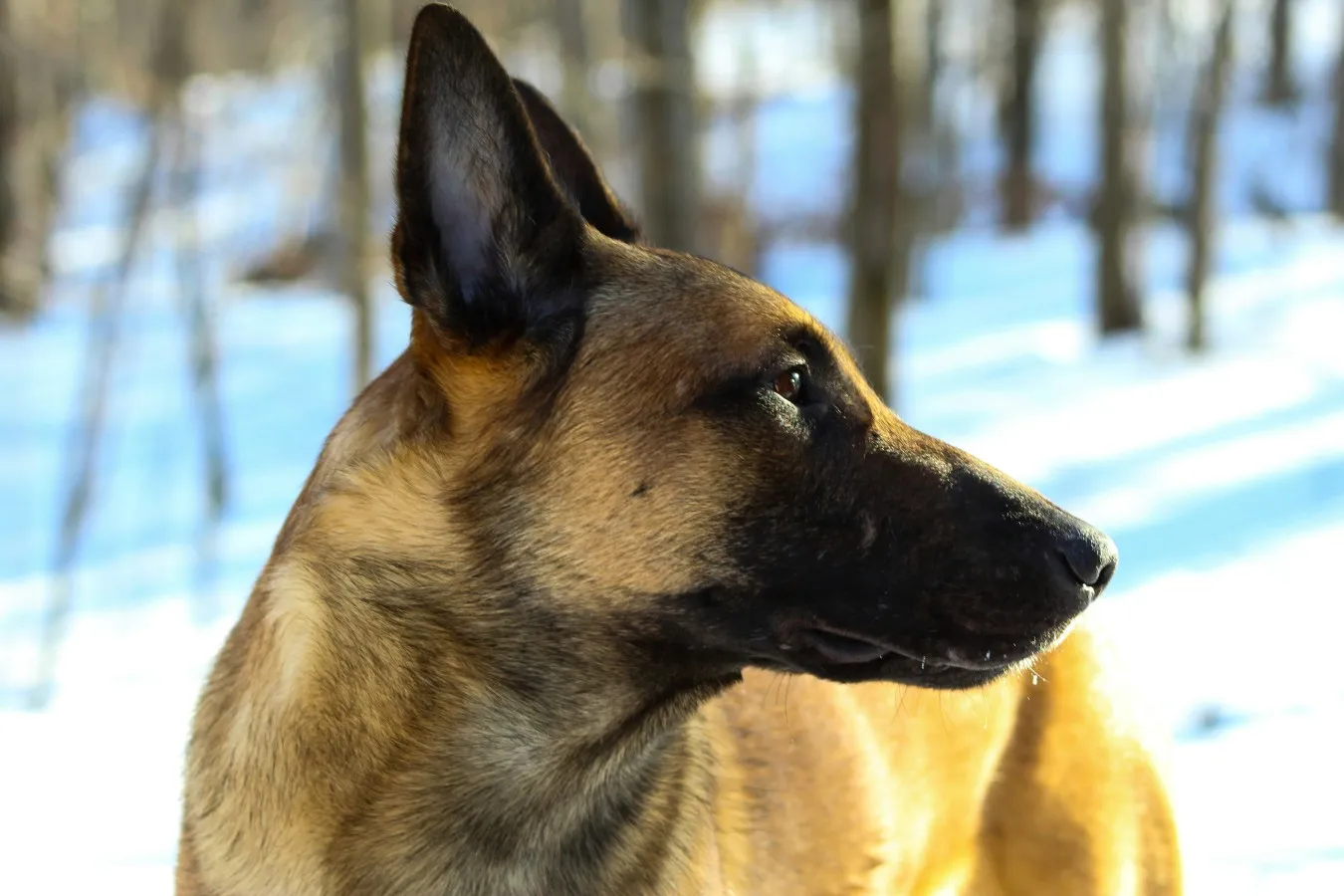
Why Do Hips and Elbows Need Screening in This Athletic Breed?
Hip dysplasia and elbow dysplasia are inherited conditions in which a joint does not form or fit together correctly, leading to looseness, pain and arthritis over time. The word dysplasia comes from the Greek dys-, "abnormal," and plasis, "formation." A driven dog can keep working through discomfort, so a limp without an injury, a bunny-hopping run, or trouble with stairs and jumping all deserve a veterinary orthopedic exam rather than being written off as normal soreness.
The breed club recommends hip and elbow evaluations for breeding dogs, so asking to see those results before buying a puppy is a reasonable request. Extra weight can bring signs on earlier, so a lean, well-conditioned body is one of the best protections you can offer these joints.
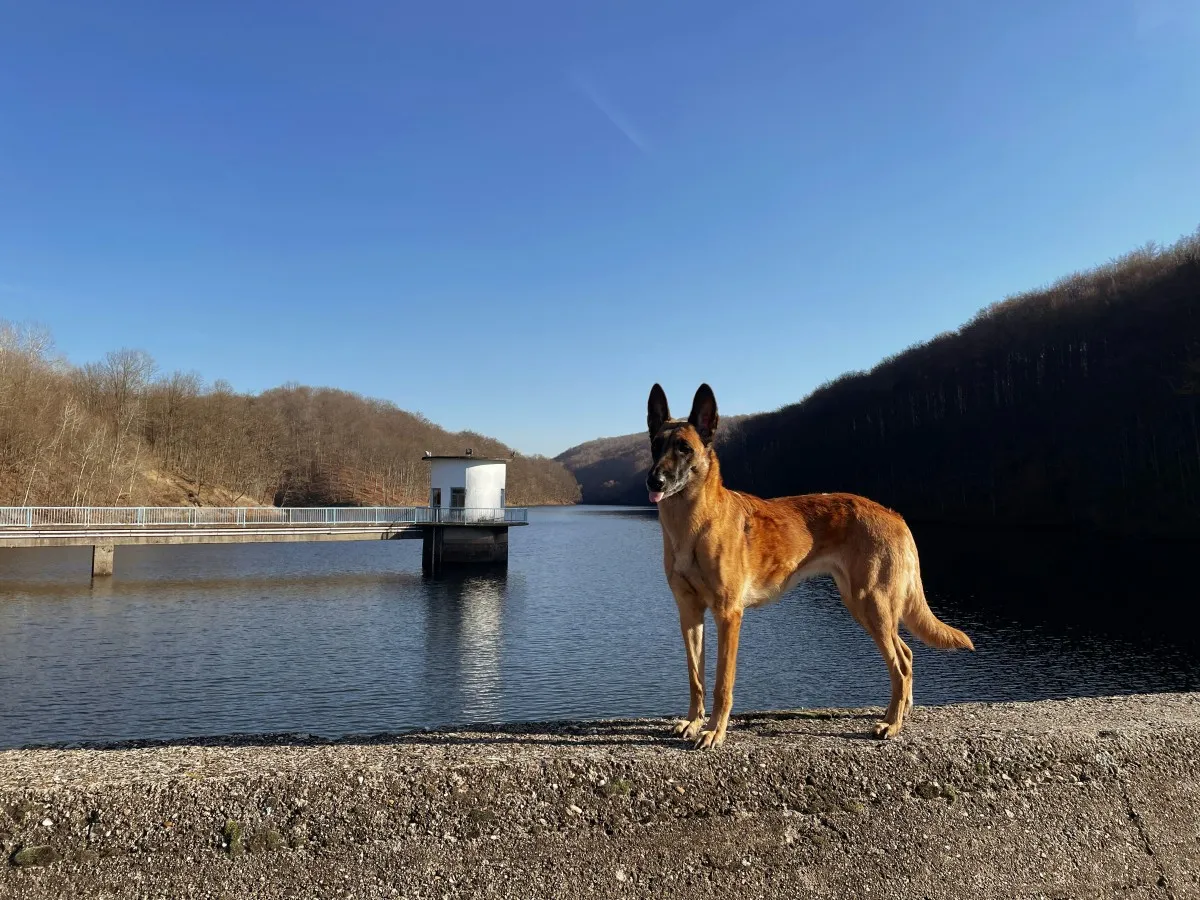
What Eye Conditions Show Up in This Breed's Lines?
Cataracts, a clouding of the lens, and progressive retinal atrophy, or PRA, an inherited breakdown of the retina's light-sensing cells, both occur in the breed, and other eye problems such as pannus and persistent pupillary membrane are also listed. Cataract comes from the Greek katarrhaktes, "waterfall," and retina from the Latin rete, "net." PRA is not painful and has no treatment, while a veterinary ophthalmologist can sometimes treat a cataract with surgery.
The breed club recommends an ophthalmologist evaluation for breeding dogs, and yearly eye exams are a sensible habit for any pet Malinois. A dog bumping into furniture in dim light, or with visible cloudiness in an eye, should be seen promptly. Eye redness deserves the same attention.
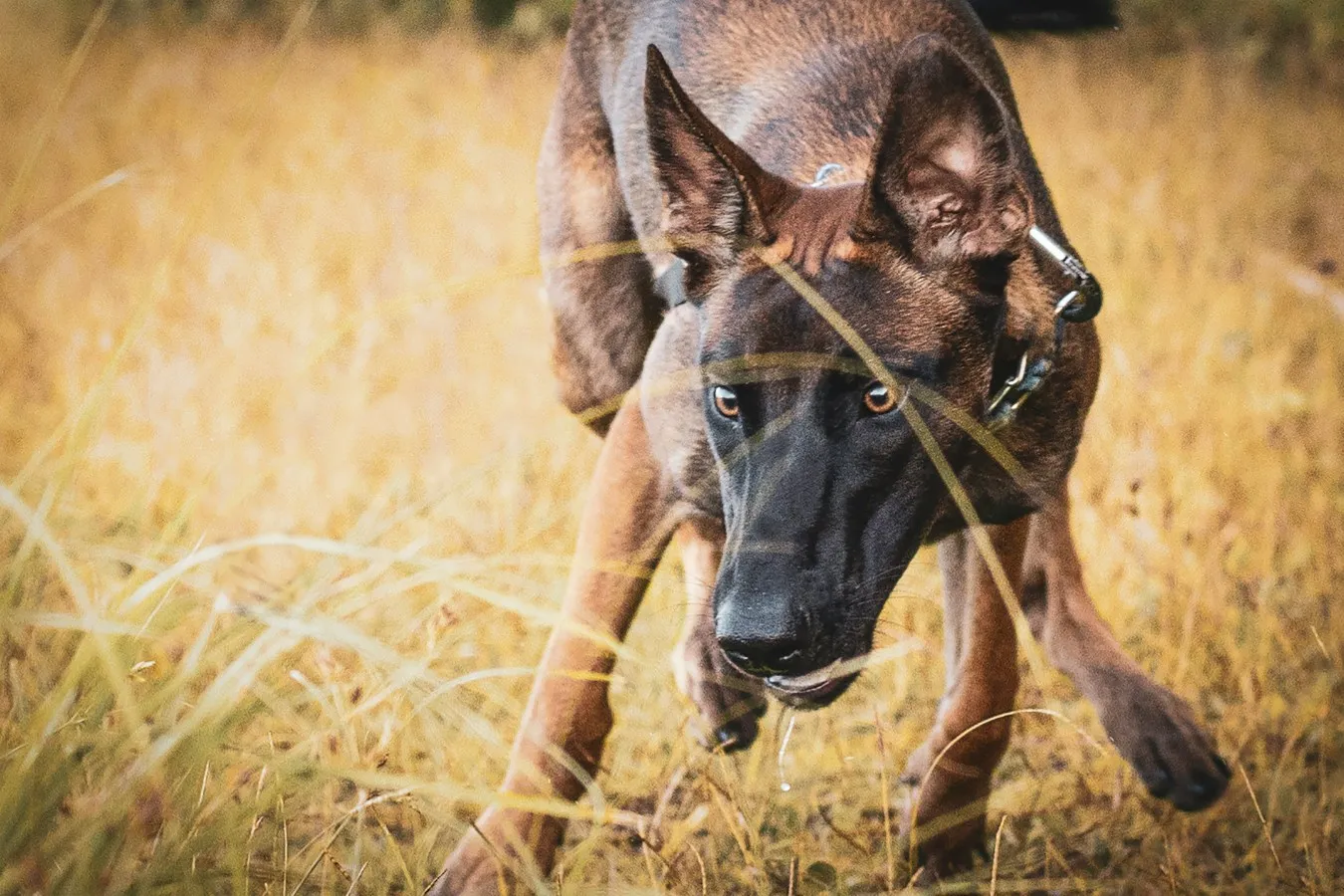
What Should Owners Know About Epilepsy?
A seizure lasting more than five minutes, or several seizures in a row without the dog fully waking up in between, is an emergency. Go to a veterinarian immediately.
Epilepsy comes from the Greek epilepsia, "seizure." In dogs the usual form is idiopathic, meaning no underlying cause is found on testing, and it is commonly inherited. The Belgian breed club recommends testing Malinois specifically for epilepsy. It often first appears in young dogs, and a first seizure deserves a full veterinary workup to rule out other causes before epilepsy is diagnosed.
Once the diagnosis is made, treatment usually means daily anti-seizure medication and periodic monitoring. Many dogs live comfortably on a stable plan, and keeping a simple seizure diary with dates and durations helps your veterinarian fine-tune it.
Bloat Is an Emergency in Deep-Chested Dogs
Bloat, medically gastric dilatation-volvulus, happens when the stomach fills with gas and twists on itself, cutting off its own blood supply. A deep, narrow chest is a recognized risk factor, there is no home treatment, and surgery is the only way to correct a twisted stomach. Dogs who reach surgery quickly generally do better, so it is worth learning these warning signs before you ever need them.
- 01
Swollen belly
The abdomen looks tight, rounded, or distended.
- 02
Unproductive retching
Straining to vomit with little or nothing coming up.
- 03
Restlessness and drooling
Pacing, drooling, or being unable to settle.
- 04
Weakness or collapse
The dog becomes weak, depressed, or collapses.
Smaller, more frequent meals and avoiding vigorous exercise right around mealtimes are practical habits, though no precaution removes the risk entirely. Some owners choose a preventive gastropexy. The word comes from the Greek gaster, "stomach," and pexis, "fixing in place." The surgery tacks the stomach to the abdominal wall, often at the same time as a spay or neuter. It has not been shown to stop bloat itself, but it should prevent the dangerous twisting.
What Does Managing a Belgian Malinois's Health Actually Cost?
| Condition or Need | Typical Cost Range | Notes |
|---|---|---|
| Hip radiographs (certified) | $250 to $450 | Before breeding, ideally |
| Dysplasia management (non-surgical) | $300 to $800 a year | Weight control, medication, rehab |
| Annual eye exam | $75 to $200 | Starting in early adulthood |
| Epilepsy medication and bloodwork | $300 to $600 a year | Lifelong once diagnosed |
| Thyroid panel | $80 to $150 | If signs appear in middle age |
| Emergency bloat surgery | $3,000 to $7,500 | Life-threatening, surgical |
Questions to Ask a Breeder Before Buying a Puppy
Ask for hip, elbow and eye evaluation results for both parents, since the breed club recommends hip, elbow and ophthalmologist evaluations for breeding dogs. Ask whether epilepsy has appeared in either parent's family, and how the breeder responds, because an open answer is usually a good sign.
It also helps to ask about adult weight and energy level in the line, since this breed's exercise needs are considerable and a bored, under-exercised Malinois can become destructive.
Daily Life With a Belgian Malinois
This is a high-energy dog that needs far more than a daily walk, with plenty of running, work and mental stimulation, and the personality profile explains the intensity and bond with a person that define the breed. Consistent early training gives that drive a job to do.
The short, waterproof coat makes grooming easy, with occasional brushing and heavier shedding twice a year. Trim the nails regularly, brush the teeth daily if you can, and check the ears monthly. A calm weekly hands-on check at the same time is also an easy way to notice lumps, stiffness or weight changes early.
Keeping Your Belgian Malinois Healthy for the Long Run
Schedule hip and elbow screening, yearly eye exams, and a thyroid blood test if energy, weight or coat change in middle age, since low thyroid hormone activity is easy to manage once found. Learn the signs of bloat and seizures before you ever need them, and keep your dog lean. Pet insurance is worth pricing while your dog is young and healthy.
Final Thoughts From a Veterinarian
Belgian Malinois usually live 10 to 14 years. Screen hips, elbows and eyes, learn the signs of bloat and seizures before you need them, and keep your dog lean and well exercised. Your veterinarian can tailor the plan.
Health & Costs FAQ
How much do Belgian Malinois cost?
The cost of a Belgian Malinois typically ranges from $1,200 to $9,000 when purchased from a reputable breeder, with show-quality dogs at the higher end. Alternatively, adoption fees through shelters or rescues generally range between $350 and $500, offering a more affordable way to own this active breed.
Purchase cost: 7 / 10
How long do Belgian Malinois live?
Belgian Malinois typically live 10 to 14 years. Weight control, regular exercise, dental care, and routine veterinary checkups help them stay active into their senior years.
Life expectancy: 6 / 10
Are Belgian Malinois healthy dogs?
Belgian Malinois are generally healthy dogs but have a clear list of inherited concerns, including hip and elbow dysplasia, eye disease, and epilepsy, and the deep chest raises bloat risk. A lean weight, yearly eye exams, and routine checkups help catch trouble early.
Health: 6 / 10
What health problems do Belgian Malinois have?
Belgian Malinois can develop hip and elbow dysplasia, cataracts and progressive retinal atrophy, and epilepsy, and hypothyroidism is also listed. Bloat is a risk in deep-chested dogs. Screening hips, elbows, and eyes, and knowing the warning signs of bloat and seizures, catches most problems early.
Health problem risk: 4 / 10
Are Belgian Malinois expensive to maintain?
Belgian Malinois have moderate upkeep costs. Their short, waterproof coat is easy to groom at home, but their intense energy levels call for durable toys, training, and plenty of exercise. Setting money aside for hip, elbow, and eye screening, and for a possible emergency bloat surgery, is wise.
Maintenance cost: 4 / 10
How much does it cost to own a Belgian Malinois per month?
Expect to spend between $150 and $700 per month to own a Belgian Malinois, depending on training, food quality, and insurance choices. Costs rise with joint disease, epilepsy treatment, or emergency surgery.
Monthly ownership cost: 7 / 10
How much does pet insurance cost for a Belgian Malinois?
Pet insurance for a Belgian Malinois typically costs between $50 and $65 per month, though premiums can climb past $100 as the dog ages or if high-impact injury coverage is added. A policy is worth pricing while your dog is young and healthy.
Pet insurance cost: 4 / 10
Will homeowners insurance cover a Belgian Malinois?
Most homeowners insurance policies cover Belgian Malinois, but some insurers apply their own breed or liability rules to large working breeds, so ask before you buy. Always disclose your dog to your insurer to ensure full liability protection.
Homeowners insurance difficulty: 7 / 10
Are Belgian Malinois on insurance restricted breed lists?
Belgian Malinois are not on every insurer's restricted list, but some insurers may apply limits to large working or protection-type breeds. Check with your provider before you buy a policy, and always disclose your dog so that liability coverage stays active.
Insurance restriction risk: 5 / 10
Can you get renters insurance with a Belgian Malinois?
You can often get renters insurance with a Belgian Malinois, but some insurers or landlords set their own breed or liability terms for large working dogs. Always disclose your dog to your provider, review your lease, and confirm the policy with your landlord to ensure full protection.
Renters insurance difficulty: 7 / 10