Danish-Swedish Farmdog Health and Costs
Breed Group
Companion Dogs
Country of Origin
Denmark / Sweden
Breed Size
Small
AKC Recognition
Yes, recognized in 2011
FCI Recognition
Yes, recognized in 1954
Rarity
Rare8 / 10
Purchase cost
Moderate to Expensive6 / 10
Life expectancy
Long Lifespan8 / 10
Health
Generally healthy7 / 10
Health problem risk
Mild health concerns3 / 10
Maintenance cost
Low maintenance cost2 / 10
A Veterinarian's Guide
Danish-Swedish Farmdog Health Problems and Costs
The Danish-Swedish Farmdog is a compact Scandinavian farm dog that spent generations ratting, herding, and guarding. The AKC describes the breed as having no genetic issues that are common, and it is generally sturdy, but a handful of things repeat in small, athletic dogs like this one: kneecaps, hips, an inherited eye condition, teeth, and ears. Knowing them before you bring a puppy home, or while you already share your life with one, makes the screening and the vet visits much easier to plan.
In this guide
Why Do Kneecaps Need Attention in a Small Athletic Dog?
A Farmdog that suddenly holds a back leg up and refuses to put weight on it needs a veterinary exam within days, not weeks, to rule out a more significant injury.
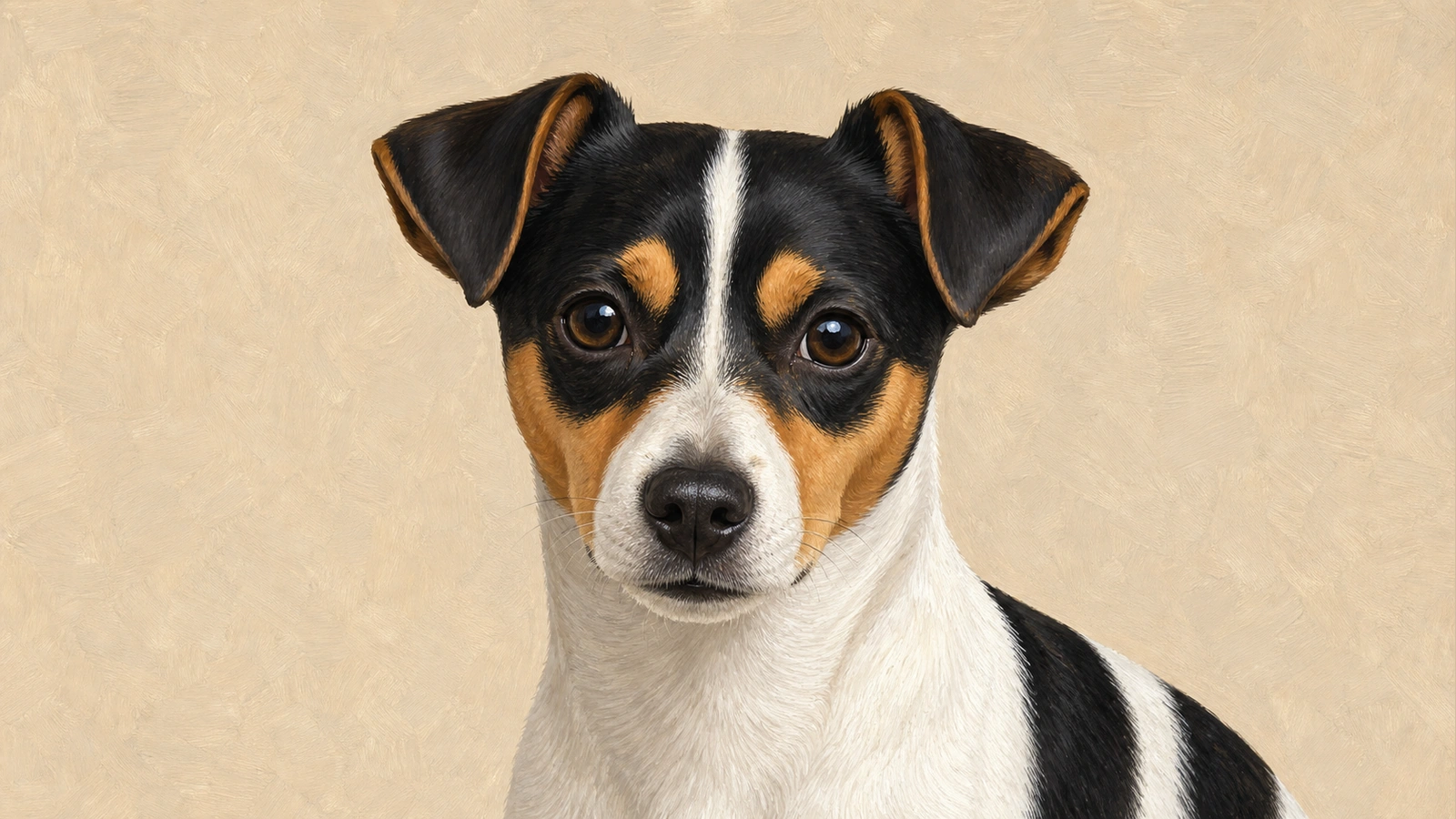
Patellar luxation is a condition in which the kneecap slips out of its normal groove. The word patella comes from the Latin for "small dish." PetMD calls it a common condition in small dogs like the Danish-Swedish Farmdog, and the typical signs are a limp or a skipping, bunny-hop gait. A mild grade may cause nothing more than an occasional skip in the stride, while a more severe grade can benefit from surgical correction before arthritis develops later in life. Our guide on why a dog may be limping explains what else to look for.
Do Hips and Elbows Need Screening Too?
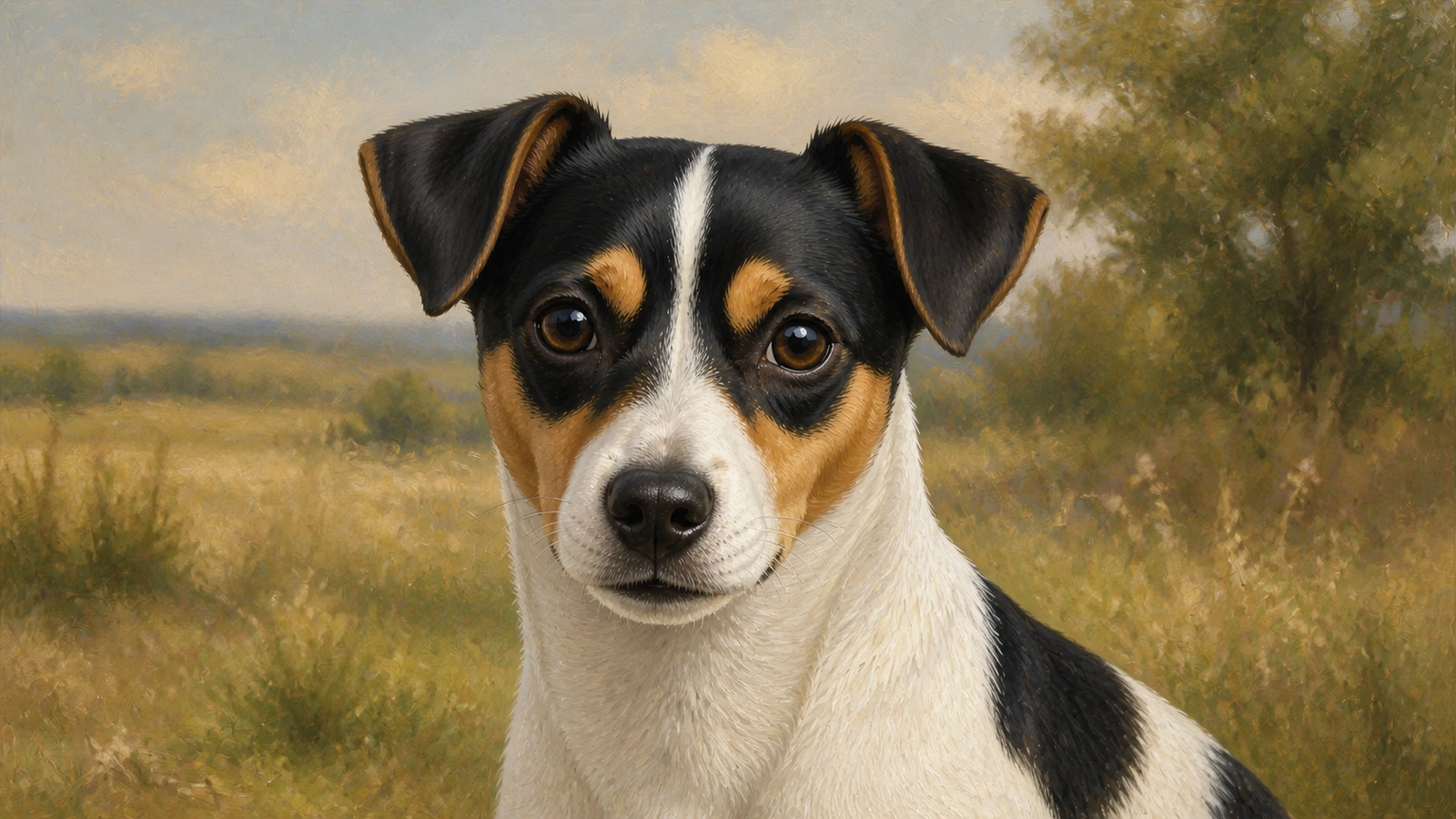
Hip dysplasia, an inherited malformation of the hip joint that leads to a loose joint, pain, and arthritis over time, is one of the conditions breed club members voluntarily test for, along with elbow dysplasia and kneecaps, according to the AKC. Radiographs, meaning X-rays, after a year of age settle the question better than watching how comfortably a dog moves at home. The word dysplasia comes from the Greek dys-, "abnormal," and plasis, "formation."
Weight management matters in any breed with joint risk. Extra pounds put disproportionate strain on joints that may already carry some structural weakness, and a lean body condition is one of the few risk factors an owner fully controls.
What Eye Condition Is Tested For in This Breed?
Primary lens luxation, or PLL, is an inherited condition in which the lens of the eye slips out of position, causing inflammation and glaucoma, a painful rise in eye pressure. It is autosomal recessive, which means a dog is affected only when it inherits the faulty gene from both parents, and it typically appears in adulthood rather than in puppies. A DNA test can identify carriers, and the AKC notes that club members test adult dogs for it.
- 01
Red eye
One or both eyes look bloodshot or inflamed.
- 02
Watery or teary eye
Unusual tearing, especially on one side.
- 03
Squinting or rubbing
The dog squints, paws at the eye, or seems to be in pain.
- 04
Sudden change in the eye
The eye looks cloudy or different from the other one.
Untreated glaucoma can progress to blindness quickly, so a red, painful eye is never a wait-and-see problem. PetMD notes that Farmdogs are not generally prone to eye issues, which makes PLL screening and fast action the main eye priorities.
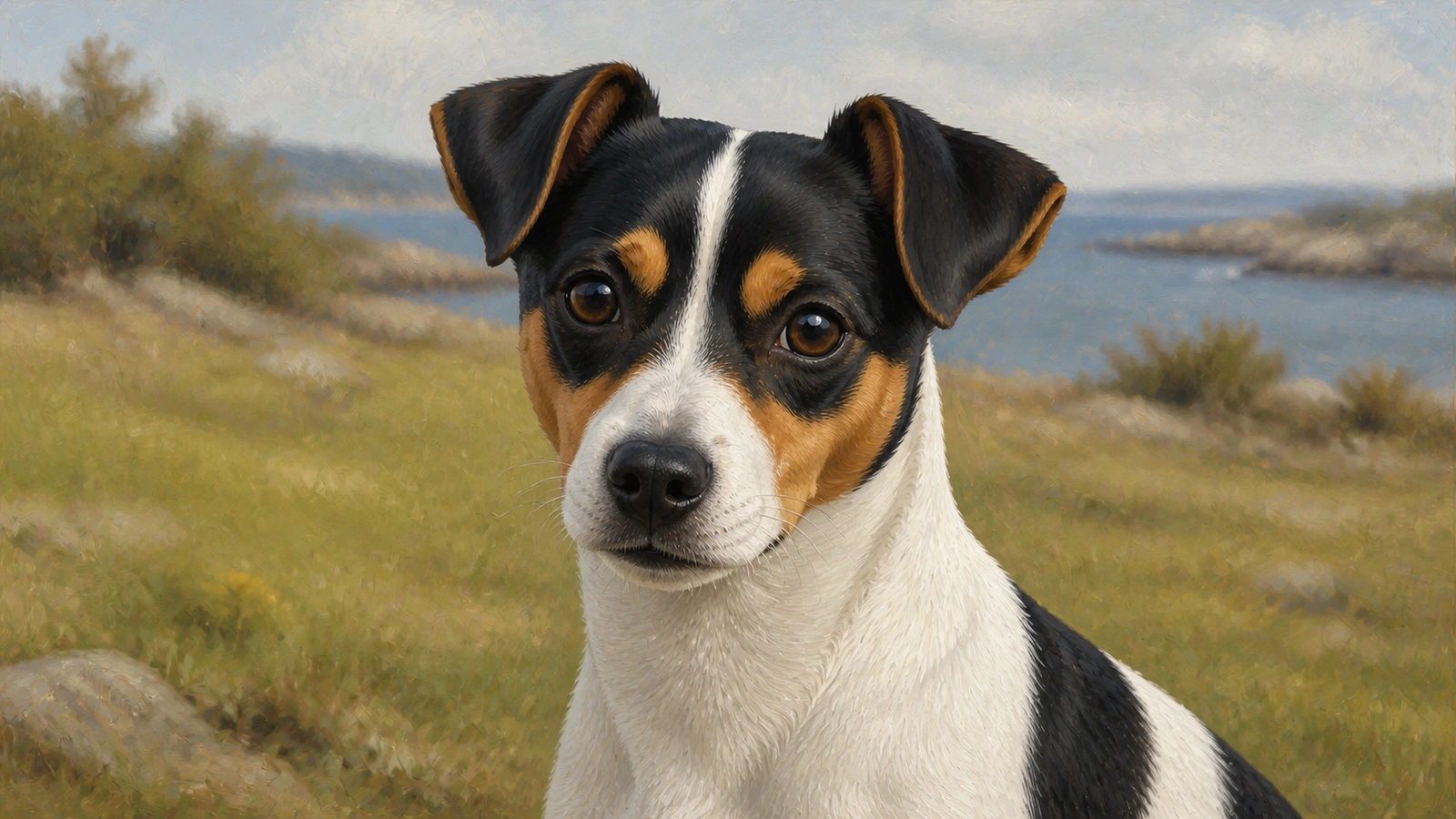
Why Does Dental Care Deserve Daily Attention?
Periodontal disease is a progressive condition in which bacteria build up in the mouth, moving from plaque to gum infection. Small jaws crowd a full set of adult teeth into limited space, which is common across small breeds. Left alone, the infection can reach well beyond the mouth. Daily brushing started early slows this a great deal, and PetMD also recommends an annual professional cleaning, which reaches the tartar under the gumline that no toothbrush can. Our review of dog toothbrushes and enzymatic toothpastes can help you choose a routine.
Why Do the Ears Need Regular Checks?
The Farmdog's ears fold over like a flap, which can trap moisture and debris, especially in dogs that swim or spend lots of time outdoors. A weekly look and a gentle cleaning after wet or muddy outings catch problems early. Persistent head shaking, redness, or a foul smell calls for a veterinary visit within the week rather than a home remedy, because infections get harder and costlier to clear the longer they continue.
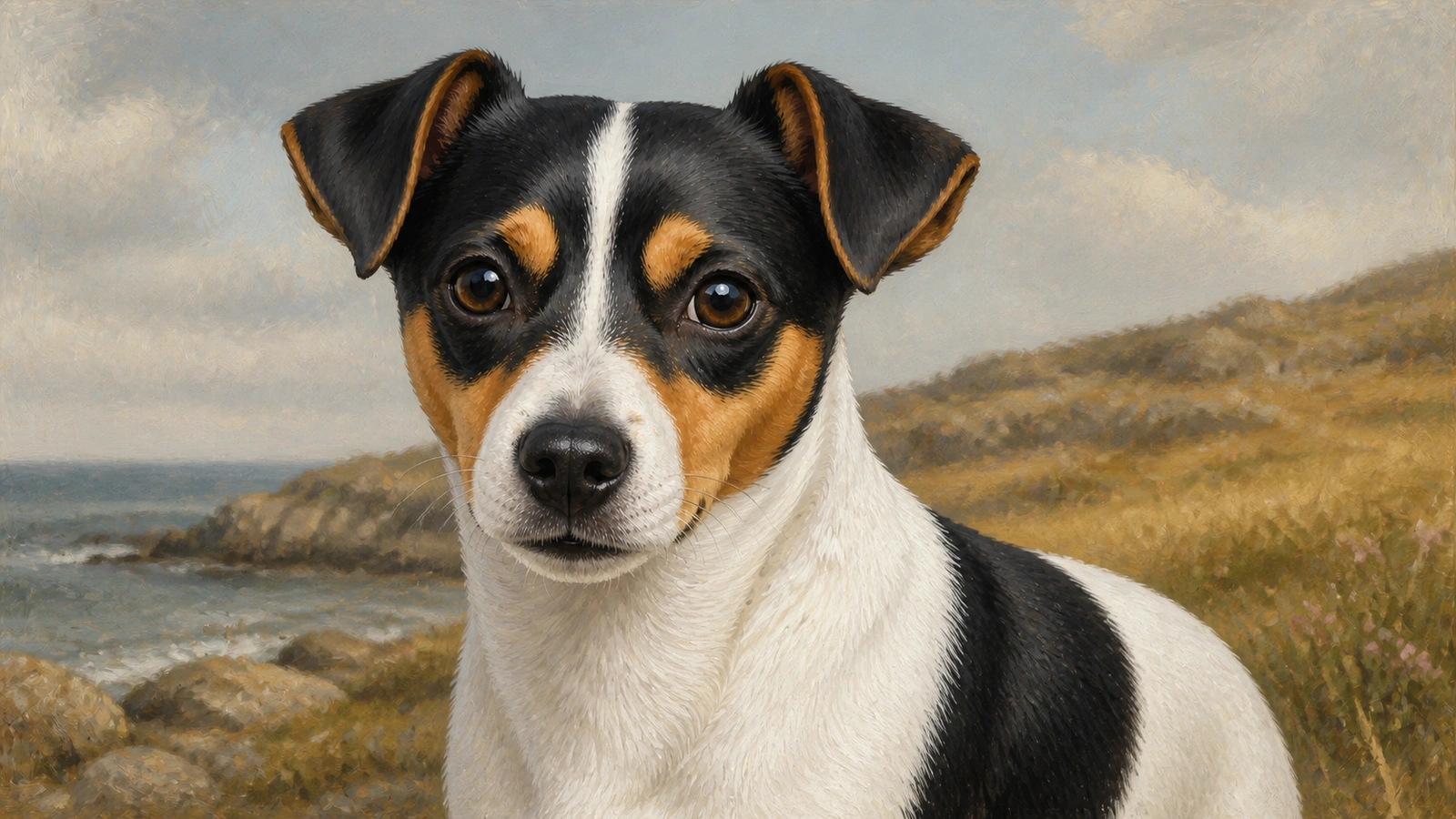
What Does Managing a Farmdog's Health Actually Cost?
| Condition or Need | Typical Cost Range | Notes |
|---|---|---|
| Patellar luxation surgery | $1,500 to $3,000 per knee | Moderate to severe grades |
| Hip radiographs | $250 to $450 | After a year of age |
| Professional dental cleaning | $250 to $500 | Annual for most adults |
| Ear infection treatment | $100 to $300 per episode | More with a specialist workup |
Questions to Ask a Breeder Before Buying a Puppy
Ask which health tests the parents have had. The AKC notes that club members voluntarily test adult dogs for hip and elbow dysplasia, patellar luxation, and primary lens luxation, and that puppies receive BAER hearing tests, so ask to see those results. A breeder who discusses minor issues candidly is usually more trustworthy than one who claims a spotless record across every litter.
It also helps to ask about activity level and temperament in the line, since this breed's working history left it with real intelligence and energy that not every household is prepared to match.
Daily Life With a Danish-Swedish Farmdog
This is a versatile, alert, affectionate dog that tends to bond closely with its family. PetMD describes it as friendly, playful, and intelligent, usually good with people of all ages and with other dogs when well socialized. It needs daily physical and mental exercise, such as walks, nose work, or agility, and a bored Farmdog often becomes vocal or mischievous, so outdoor time belongs on a leash or in a securely fenced area.
The short, smooth coat keeps grooming minimal. Because the breed is so people-oriented, the personality profile and early, consistent training are worth reading before puppy day.

Keeping Your Farmdog Healthy for the Long Run
Start brushing teeth in puppyhood, watch the gait for subtle changes, and check the ears weekly, especially after time outdoors. Schedule hip evaluations and ask about eye testing, and treat any red or painful eye as urgent. Pet insurance is worth pricing while your dog is young and healthy, since premiums are lowest before any of these conditions can become pre-existing.
Final Thoughts From a Veterinarian
Danish-Swedish Farmdogs are sturdy small dogs with commonly cited lifespans of 11 to 13 years. Brush teeth daily, watch the knees and ears, treat a red or painful eye as urgent, and ask breeders about club health testing. Your veterinarian can tailor the plan.
Health & Costs FAQ
How much do Danish-Swedish Farmdog cost?
Danish-Swedish Farmdogs typically cost between $1,000 and $2,500 from reputable breeders. Adoption fees are a more budget-friendly alternative. Prospective owners should also plan for initial expenses like vaccinations and supplies, though the breed's overall robust health helps keep long-term medical costs relatively low and manageable.
Purchase cost: 6 / 10
How long do Danish-Swedish Farmdog live?
Danish-Swedish Farmdogs are sturdy and long-lived, with lifespans of 11 to 13 years commonly cited and some breed sources reporting longer. They often stay active well into their senior years. A balanced diet, consistent exercise, dental care, and regular veterinary check-ups help them thrive.
Life expectancy: 8 / 10
Are Danish-Swedish Farmdog healthy dogs?
Danish-Swedish Farmdogs are generally sturdy, and the AKC describes the breed as having no common genetic issues. Even so, small athletic dogs like this one can develop patellar luxation, dental disease, and ear infections, and breeders screen for hip and elbow dysplasia and primary lens luxation. Routine checkups and daily dental care help maintain long-term health.
Health: 7 / 10
What health problems do Danish-Swedish Farmdog have?
Danish-Swedish Farmdogs are generally healthy but can face patellar luxation, periodontal disease, and ear infections. Breeders also test for hip and elbow dysplasia and for primary lens luxation, an inherited eye condition. Regular veterinary screening and daily dental care are the best ways to maintain long-term health.
Health problem risk: 3 / 10
Are Danish-Swedish Farmdog expensive to maintain?
Danish-Swedish Farmdogs are relatively affordable to maintain thanks to minimal grooming needs. Their short coats only need occasional brushing, and their small size keeps food costs modest. Owners should budget mainly for routine veterinary check-ups, quality nutrition, and a yearly dental cleaning.
Maintenance cost: 2 / 10
How much does it cost to own a Danish-Swedish Farmdog per month?
Expect to spend between $150 and $250 per month to own a Danish-Swedish Farmdog. This budget covers high-quality food, routine veterinary care, and preventative medications. Their robust health and minimal grooming needs make them relatively affordable, though budgeting for pet insurance is recommended for unexpected costs.
Monthly ownership cost: 4 / 10
How much does pet insurance cost for a Danish-Swedish Farmdog?
Pet insurance for a Danish-Swedish Farmdog generally costs between $30 and $60 per month. Premiums are often affordable for a small, generally healthy dog. A plan is worth pricing while your dog is young, since kneecap surgery or eye problems can cost thousands of dollars.
Pet insurance cost: 3 / 10
Will homeowners insurance cover a Danish-Swedish Farmdog?
Yes, most homeowners insurance policies cover Danish-Swedish Farmdogs, as they are not typically included on restricted breed lists. Their friendly nature and smaller size make them low-risk for insurers. Always disclose your pet to your provider to ensure your liability coverage remains fully active and accurate.
Homeowners insurance difficulty: 9 / 10
Are Danish-Swedish Farmdog on insurance restricted breed lists?
No, Danish-Swedish Farmdogs are not typically found on insurance restricted-breed lists. As a small, friendly, and non-aggressive breed, they are viewed as low-risk companions by insurers. Most homeowners and renters policies provide standard liability coverage without the premium adjustments or exclusions common for larger guard breeds.
Insurance restriction risk: 2 / 10
Can you get renters insurance with a Danish-Swedish Farmdog?
Yes, you can typically get renters insurance with a Danish-Swedish Farmdog. They are not usually included on restricted breed lists due to their friendly nature and manageable size. Most standard policies provide liability coverage, but always confirm specific pet rules with your insurer and landlord before signing.
Renters insurance difficulty: 8 / 10