Norwich Terrier Health and Costs
Breed Group
Terrier Dogs
Country of Origin
United Kingdom
Breed Size
Small
AKC Recognition
Yes, recognized in 1936
FCI Recognition
Yes, recognized in 1954
Rarity
Common3 / 10
Purchase cost
Expensive7 / 10
Life expectancy
Long Lifespan8 / 10
Health
Generally healthy7 / 10
Health problem risk
Mild health concerns3 / 10
Maintenance cost
Moderate upkeep cost4 / 10
A Veterinarian's Guide
Norwich Terrier Health Problems and Costs
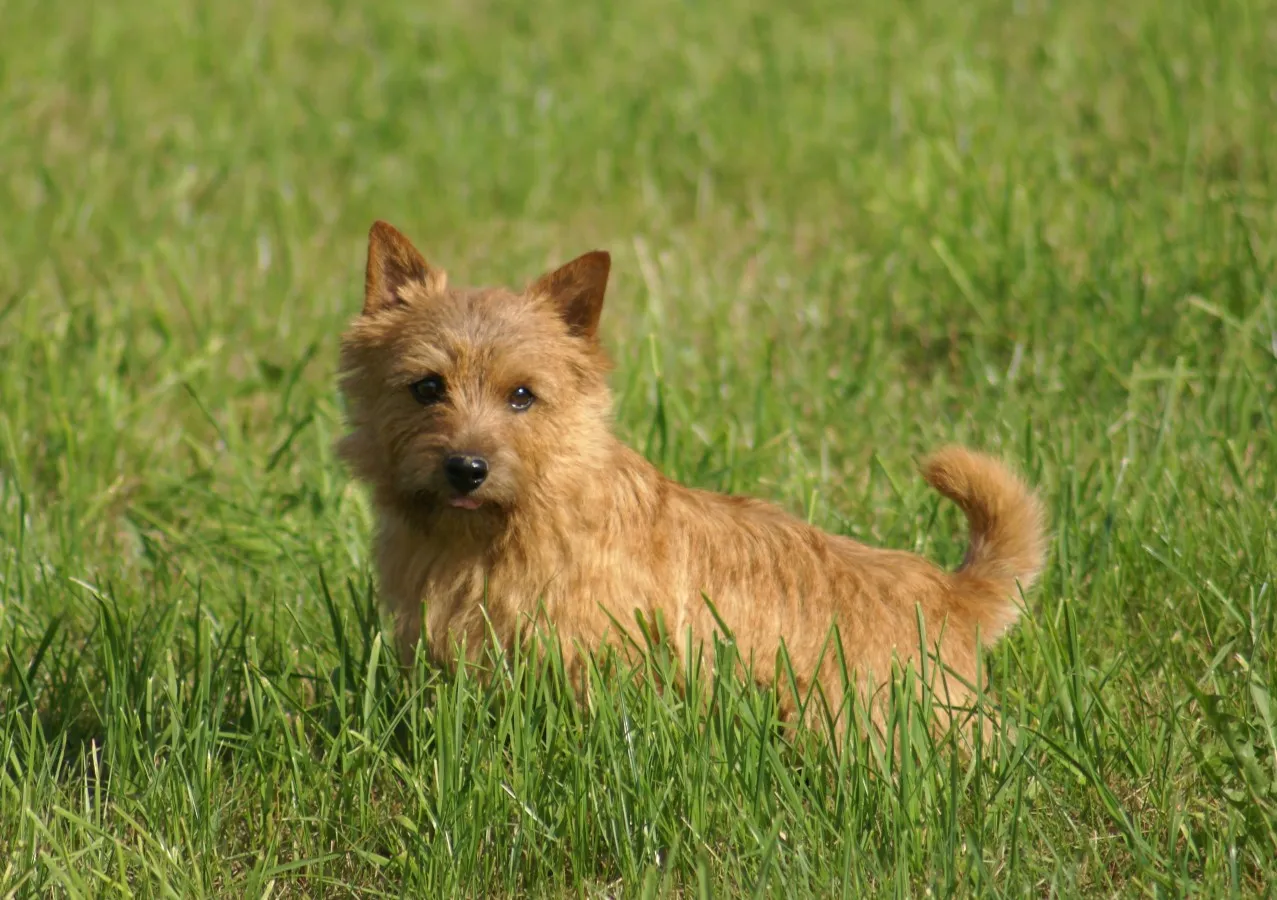
The Norwich Terrier is a small, sturdy ratting terrier that was bred to work in tight spaces, and it is generally a healthy dog. A few issues do repeat in the breed: noisy or restricted breathing known as Norwich Terrier upper airway syndrome, dental disease, slipping kneecaps, and hip or eye changes. Knowing them early makes vet visits and budgeting much easier.
In this guide
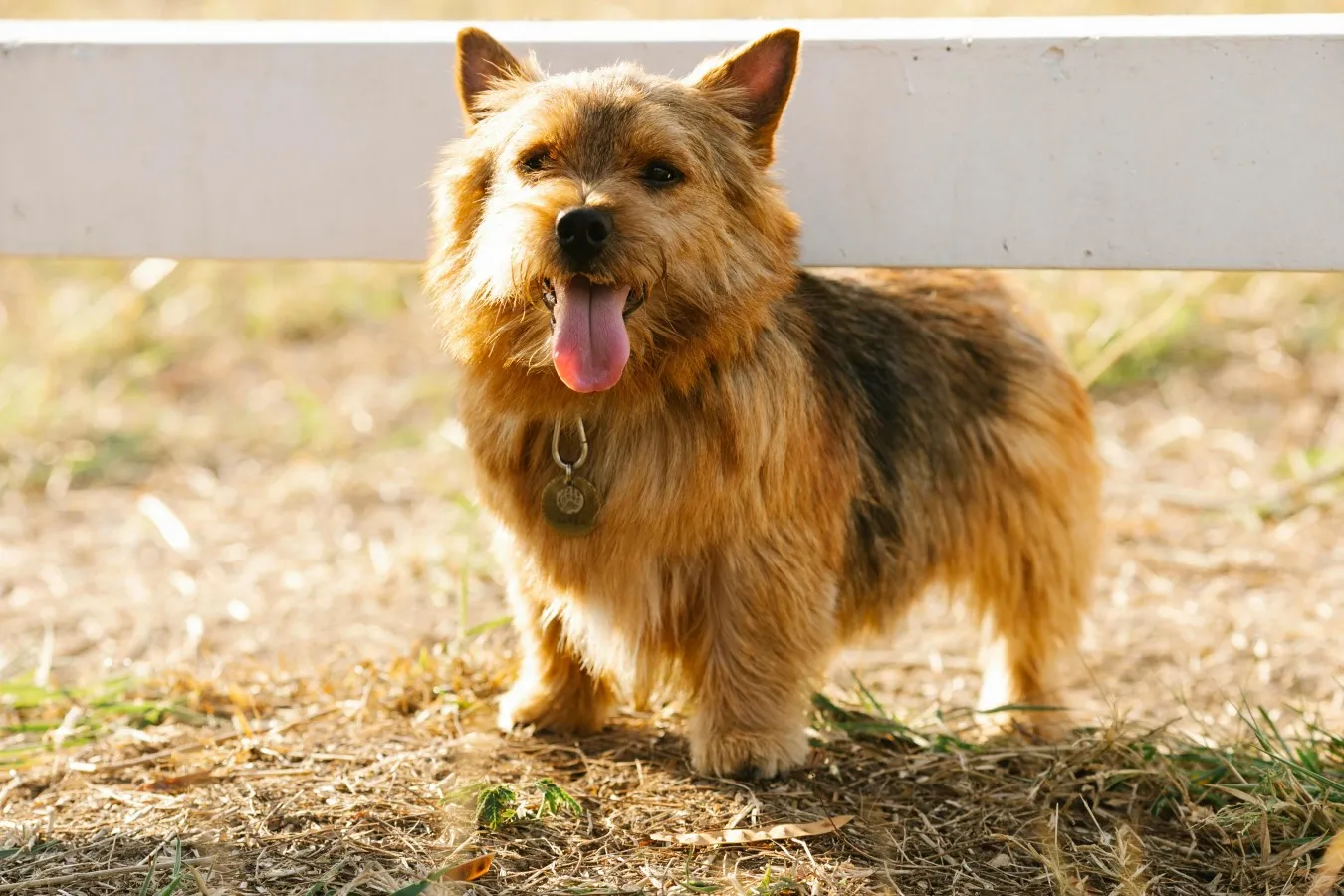
Why Does My Norwich Terrier Snore or Honk?
Some Norwich Terriers develop upper airway syndrome, a breed-associated narrowing of the throat and airway that makes breathing louder and harder than it should be. It is not identical to the airway problems of flat-faced breeds, but owners notice similar signs: noisy breathing, tiring quickly on walks, and trouble in warm weather. A 2021 owner survey in the Journal of Veterinary Internal Medicine found that most owners of affected dogs rated quality of life as excellent, even though severity varied.
Mild cases are often managed with a harness instead of a collar, a lean body, and avoiding exercise in heat and humidity. Dogs with more restricted airflow may need an endoscopic exam to see where the narrowing is, and some benefit from surgery. Earlier diagnosis keeps more options open.
Open-mouth breathing that will not settle, blue or gray gums, or collapse after mild exertion is a breathing emergency. Stop all activity, cool your dog, and get to a veterinarian immediately.
- 01
Breathing that will not settle
Constant open-mouth effort even at rest.
- 02
Blue or gray gums
A sign that too little oxygen is getting through.
- 03
Collapse
Fainting or falling over after mild activity.
- 04
Overheating
Heavy panting, drooling, and weakness on a warm day.
Why Do Norwich Terriers Need So Much Dental Care?
Like most small dogs, a Norwich Terrier fits a full set of adult teeth into a small jaw, so teeth crowd and plaque builds quickly. Periodontal disease, inflammation and infection around the tooth roots, is one of the most common problems in the breed by middle age. The word comes from the Greek peri, "around," and odous, "tooth." Left alone, dental disease does not stay in the mouth and bacteria can reach other organs over time.
Daily brushing is the most effective habit, and starting in puppyhood makes it far easier. Professional cleanings under anesthesia remove tartar below the gumline, where brushing cannot reach.
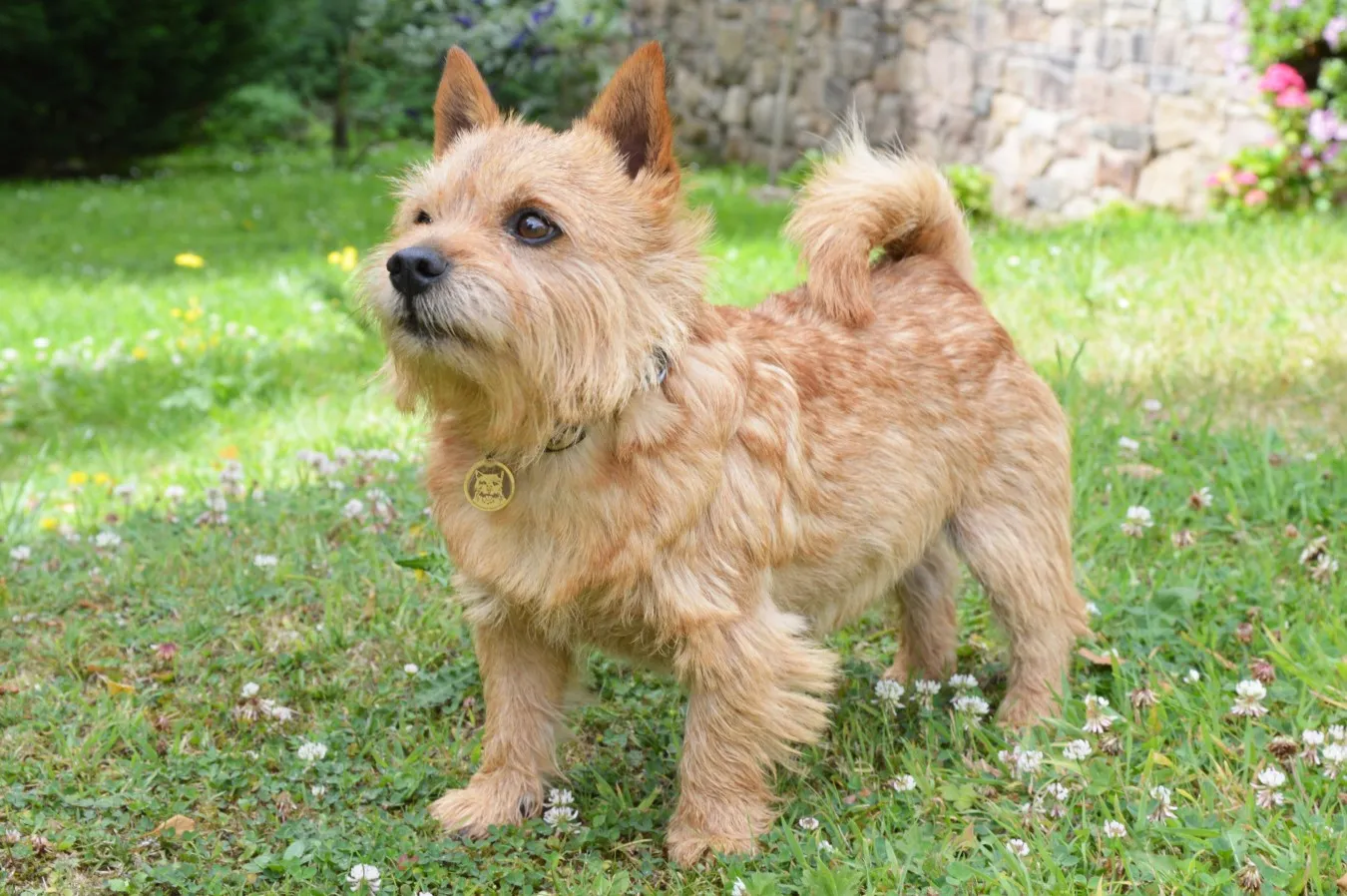
Is My Norwich Terrier's Kneecap Slipping?
Patellar luxation, a kneecap that slides out of its groove, is listed among the conditions the breed club screens for. The word comes from the Latin patella, "small dish," and luxare, "to dislocate." Typical signs are an occasional skip or hop, with one hind leg held up for a step or two before the kneecap settles back. Grades run from an occasional self-correcting slip to a kneecap that stays out and needs surgery.
Your veterinarian grades it on a physical exam and may suggest x-rays if the limping is steady. A young dog with a mild slip often does well with weight control and controlled exercise, while a persistently dislocated kneecap keeps wearing cartilage until it is corrected.
What About Hip Dysplasia and Cataracts?
Hip dysplasia is an inherited mismatch of the hip joint that wears cartilage over time. The word comes from the Greek dys, "abnormal," and plassein, "to form." In a small dog it is usually milder than in a large breed, but it can still lead to arthritis. Stiffness after rest or reluctance to jump is a reason to ask about x-rays. A suddenly cautious dog on stairs or the couch may be telling you about a hip or knee before any limp appears.
The breed club also recommends an eye examination by a veterinary ophthalmologist, and cataracts, a clouding of the lens, are one of the changes it looks for. Early lens changes are easy to miss without a light and magnification, so regular checkups matter more than any single test.

What Should I Feed a Norwich Terrier With Joint or Weight Concerns?
Weight matters a great deal in a dog this small, because every extra pound is a large share of body weight. It lands on the hips, knees, and airway. Measured meals instead of free feeding, and a body condition check at each visit, work better than relying on the scale alone. Diets or supplements with glucosamine, chondroitin, and omega-3 fatty acids may help comfort in dogs with sore joints, but they cannot fix an unstable kneecap, so ask your veterinarian what suits your dog.
What Does Routine and Emergency Care Cost for a Norwich Terrier?
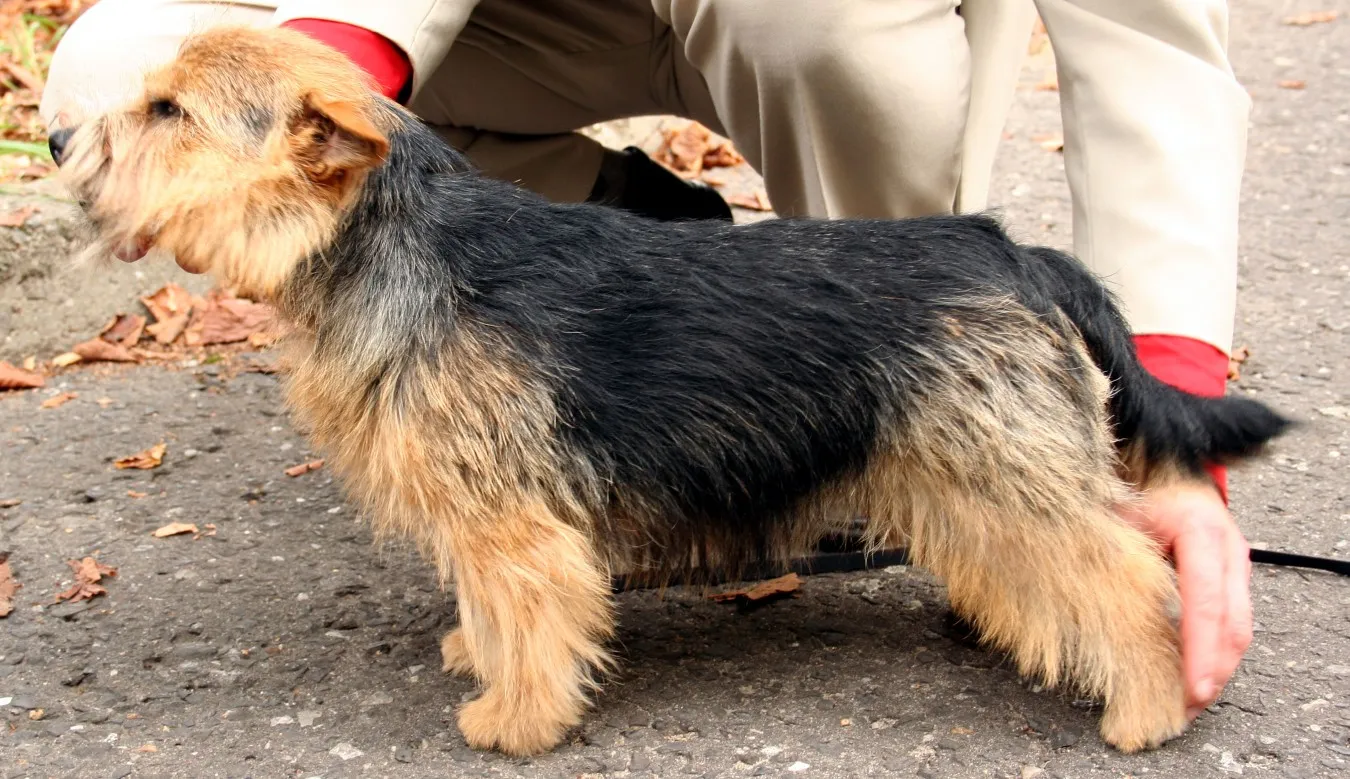
| Care Type | Typical Cost Range | Notes |
|---|---|---|
| Annual wellness exam and dental check | $200 to $350 | More often if periodontal disease is present |
| Professional dental cleaning | $400 to $900 | Higher if extractions are needed |
| Airway work-up (imaging, possible scope) | $500 to $1,500 | Surgery adds $1,500 to $3,500 |
| Patellar luxation surgery | $1,800 to $3,500 | Per knee, varies by grade and surgeon |
| Hip x-rays and arthritis management | $250 to $600 initial | Ongoing supplements for arthritic dogs |
Costs vary by region and by how early a problem is caught. A pet insurance policy bought while your dog is young and healthy can soften the blow of an unplanned surgery.
Questions to Ask a Breeder Before Buying a Puppy
The AKC's terrier group listing shows that the breed club recommends patella, hip, and eye evaluations for breeding dogs. Ask to see results for both parents, and ask whether any relatives have noisy breathing or have needed airway surgery.
Daily Life With a Norwich Terrier
This is a bold, friendly little dog that enjoys walks and play. A harness is kinder to the airway than a neck collar, and exercise is best in cool parts of the day. The wiry coat needs regular brushing and occasional hand-stripping or trimming, covered in the grooming profile. The personality profile describes its spirited, affectionate side, and the breed responds well to reward-based training.
Keeping Your Norwich Terrier Healthy for the Long Run
Keep your dog lean, brush teeth daily, use a harness, and keep the yearly exam even when your dog seems fine. Several of these conditions are quiet until they are advanced. A note of any skipping, snoring, or stiffness helps your veterinarian spot a pattern. The breed's overall outlook is good, and most of these problems can be managed with routine care.
Final Thoughts From a Veterinarian
Norwich Terriers are hardy dogs that usually live 12 to 15 years. Stay ahead of dental disease, watch for breathing changes, and do not wait on a limp. Your veterinarian can tailor the plan.
Health & Costs FAQ
How much do Norwich Terrier cost?
A Norwich Terrier puppy typically costs about $1,500 to $4,000 from a reputable breeder, and prices vary by region and line. Adoption through a rescue is usually a more affordable route.
Purchase cost: 7 / 10
How long do Norwich Terrier live?
Norwich Terriers usually live 12 to 15 years. As a generally healthy breed, they do best with a quality diet, regular exercise, daily dental care, and routine veterinary checkups.
Life expectancy: 8 / 10
Are Norwich Terrier healthy dogs?
Norwich Terriers are generally sturdy and usually live 12 to 15 years. Breed-specific issues include upper airway syndrome, dental disease, and luxating patella. Weight control, daily dental care, and regular checkups protect their long-term wellbeing.
Health: 7 / 10
What health problems do Norwich Terrier have?
The main concerns are upper airway syndrome, which causes noisy or difficult breathing, dental disease, and luxating patella. Hip dysplasia and cataracts also appear on the breed club's screening list. Daily dental care and regular checkups help manage them.
Health problem risk: 3 / 10
Are Norwich Terrier expensive to maintain?
Norwich Terriers have moderate upkeep costs. Their wiry coat needs regular brushing and occasional professional grooming or hand-stripping, and dental cleanings add up. Many owners budget about $1,500 a year for food, routine care, and grooming.
Maintenance cost: 4 / 10
How much does it cost to own a Norwich Terrier per month?
Expect to spend between $100 and $200 per month to own a Norwich Terrier. This budget covers high-quality food, routine veterinary check-ups, and preventative medications. Additionally, factor in costs for professional hand-stripping and dental cleanings to maintain their unique coat and overall health.
Monthly ownership cost: 3 / 10
How much does pet insurance cost for a Norwich Terrier?
Pet insurance for a Norwich Terrier typically ranges from $30 to $50 per month. Costs fluctuate based on your dog's age, your location, and the selected coverage. Investing in a plan is recommended to help cover potential veterinary expenses for breed-specific issues or unexpected emergencies.
Pet insurance cost: 3 / 10
Will homeowners insurance cover a Norwich Terrier?
Yes, most homeowners policies cover a Norwich Terrier. As a small, friendly breed it is rarely on restricted lists, but always tell your insurer about your pet so your liability coverage stays valid.
Homeowners insurance difficulty: 9 / 10
Are Norwich Terrier on insurance restricted breed lists?
Norwich Terriers are not typically on insurance restricted breed lists, which tend to focus on larger breeds seen as higher liability risks. Policies differ, so confirm with your insurer.
Insurance restriction risk: 2 / 10
Can you get renters insurance with a Norwich Terrier?
Yes, you can usually get renters insurance with a Norwich Terrier, since the breed is small and rarely restricted. Disclose your pet to the insurer so your liability coverage is valid.
Renters insurance difficulty: 8 / 10