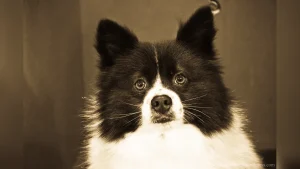
Nederlandse Kooikerhondje Personality Profile
Breed Group
Sporting Dogs
Country of Origin
Netherlands
Breed Size
Small
AKC Recognition
Yes, recognized in 2018
FCI Recognition
Yes, recognized in 1990
Friendliness
Highly Friendly9 / 10
Attachment
Friendly6 / 10
Playfulness
Serious2 / 10
Smart
Smart7 / 10
Cuddle
Very Cuddly9 / 10
Separation anxiety
Clingy8 / 10
Personality FAQ
Are Nederlandse Kooikerhondje smart?
The Nederlandse Kooikerhondje is an intelligent and eager-to-please breed. They respond well to positive reinforcement and enjoy learning new commands and tricks.
Smart: 7 / 10
Do Nederlandse Kooikerhondje like to cuddle?
Nederlandse Kooikerhondjes are incredibly affectionate and devoted to their families, often described as quintessential lap dogs that love to cuddle. They form intense bonds and thrive on human companionship, often preferring to stay close by lying on their owner's feet or snuggling up for attention.
Cuddle: 9 / 10
Do Nederlandse Kooikerhondje get separation anxiety?
Nederlandse Kooikerhondjes form intense bonds with their families and prefer to stay close at all times. They can be prone to separation anxiety if left alone for extended periods.
Separation anxiety: 8 / 10
Do Nederlandse Kooikerhondje bark a lot?
Nederlandse Kooikerhondjes are vigilant watchdogs that will bark to alert their owners of strangers. They are not excessive barkers but will use their voice when necessary.
Barking: 5 / 10
Are Nederlandse Kooikerhondje protective or territorial?
Nederlandse Kooikerhondjes are naturally alert and territorial, possessing a strong instinct to guard their home and family. Originally bred to patrol duck decoys, they are vigilant watchdogs that will bark to announce strangers. While loyal to their owners, they can be reserved or cautious with unfamiliar people.
Protective tendency: 8 / 10
Vet Insights
The Nederlandse Kooikerhondje is a highly friendly and intelligent companion that forms intense, affectionate bonds with its family. Known as quintessential lap dogs, they are very cuddly but can be prone to separation anxiety when left alone. While serious and vigilant, they serve as protective watchdogs that bark with purpose, typically remaining reserved around unfamiliar people.