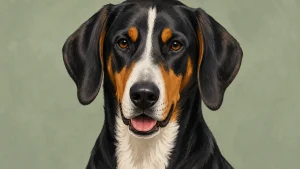
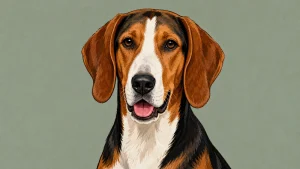
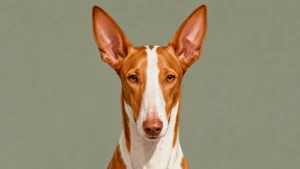
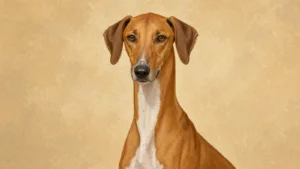
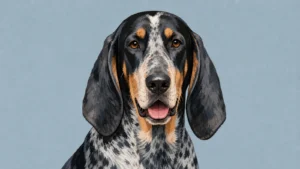
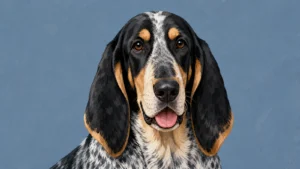
Poitevin
Breed Group
Hound Dogs
Country of Origin
France
Breed Size
Large
AKC Recognition
No
FCI Recognition
Yes, recognized in 1954
Family dog
Average5 / 10
Good with kids
Average5 / 10
First-time owner
Average5 / 10
Apartment dog
Below Average4 / 10
Yard need
High3 / 10
Can be left alone
Good7 / 10
What Do Owners Want to Know?
Are Poitevin good family dogs?
Poitevins are typically more aloof and independent rather than loyal and intelligent family companions, as they often struggle to adapt to life outside of a hunting pack environment.
Family dog: 5 / 10
Are Poitevin good with kids?
Poitevins are generally loyal and can be suitable companions for children, particularly in active, rural environments where their high energy levels are managed. While intelligent, their athletic nature and strong hunting instincts mean they may be better suited for older children who can handle a boisterous dog. Supervision is always recommended to ensure that interactions remain safe and gentle for both the children and the dog.
Good with kids: 5 / 10
Are Poitevin good for first-time owners?
Poitevins are moderately suited for first-time owners, offering loyalty and intelligence but requiring a significant commitment to their intense exercise and space needs. Prospective owners must be prepared to manage their strong hunting instincts and vocal nature, making them most successful in active, rural environments.
First-time owner: 5 / 10
Are Poitevin good apartment dogs?
Poitevins are generally not recommended for apartment living due to their high energy levels, large size, and vocal nature. They require significant daily exercise and thrive best in rural settings with large, securely fenced yards where they have plenty of space to roam. Without adequate physical activity and mental stimulation, they can become restless and develop destructive behaviors in confined spaces.
Apartment dog: 4 / 10
Do Poitevin need a yard?
A yard is strictly required for a Poitevin, as they are high-energy scenthounds with exceptional stamina originally bred for hunting large game. While they can manage in various settings if provided with extensive daily exercise, they thrive best in rural environments with large, securely fenced areas where they can satisfy their strong hunting instincts and need for movement.
Yard need: 3 / 10
Can Poitevin be left alone?
Poitevins are pack-oriented scent hounds that are highly social and thrive on companionship, making them prone to separation anxiety if left alone for long periods. While they can manage moderate intervals of solitude if properly exercised, they are best suited for environments where they have constant company from humans or other dogs to prevent boredom and destructive behaviors.
Can be left alone: 7 / 10
Are Poitevin good with cats?
Poitevins can generally get along well with cats, especially when raised together, though their strong hunting instincts may occasionally trigger a prey drive. Early socialization and supervised introductions are recommended to ensure a harmonious relationship with other household pets.
Good with cats: 6 / 10
Are Poitevin aggressive?
Poitevins are generally easygoing and friendly dogs that are not naturally aggressive. As pack-oriented scenthounds, they are sociable by nature and typically get along well with both humans and other dogs. While their strong hunting instincts may lead to a drive to chase smaller animals, they are known for their distinguished and loyal temperament when properly socialized and exercised.
Aggression tendency: 7 / 10
Are Poitevin high-energy dogs?
Poitevins are high-energy endurance athletes that thrive on significant daily activity and mental stimulation. Originally bred for tireless hunting, they possess incredible stamina and can travel up to 35 miles in a single day. Without at least 90 minutes of vigorous daily exercise, such as long runs or tracking games, these spirited hounds may become restless, vocal, or destructive.
Energy level: 5 / 10
How much exercise does a Poitevin need?
Poitevins are high-endurance scenthounds that require at least 60 to 90 minutes of vigorous daily exercise to remain healthy and settled. They thrive on long, brisk walks, jogging, or following scent trails in wide-open spaces. Without significant physical activity and mental stimulation, these athletic hunters can become bored and develop destructive behaviors or excessive vocalization.
Exercise need: 6 / 10
Can Poitevin live in hot weather?
Poitevins have a fair tolerance for hot weather but are not ideally suited for extreme heat. Their physical build and athletic nature allow them to handle moderate temperatures, but they can struggle with overheating during intense activity in high heat. Owners should ensure they have access to shade, plenty of fresh water, and avoid strenuous exercise during the hottest parts of the day.
Hot weather tolerance: 4 / 10
Can Poitevin live in cold weather?
Poitevins are hardy scenthounds that generally handle cold weather well, although they lack a thick insulating undercoat. While they can tolerate typical winter conditions, they should not be kept outside in extreme or bad weather. Owners should monitor for signs of discomfort and provide warm, dry shelter to ensure their safety and comfort during freezing temperatures.
Cold weather tolerance: 7 / 10
Are Poitevin banned in apartments or rentals?
Poitevins are often restricted in apartments due to their large size and high energy levels, which typically exceed common rental weight and activity limits. Their vocal nature and need for significant exercise make them better suited for rural settings, so prospective tenants should always verify specific landlord policies and insurance requirements before applying.
Rental restriction risk: 4 / 10
Vet Insights
Poitevins are athletic and high-endurance hounds, but they are predisposed to specific health concerns that owners should monitor. As a veterinarian, I recommend screening for hip dysplasia, as their large, active build puts significant stress on their joints. Their deep-chested conformation also makes them susceptible to life-threatening bloat (GDV), so I advise feeding smaller, frequent meals and avoiding vigorous activity immediately after eating. Additionally, their long, drooping ears are prone to chronic infections, requiring regular cleaning and inspection. To ensure a long, healthy life, I emphasize maintaining a lean weight and providing consistent physical outlets to prevent stress-related behaviors.