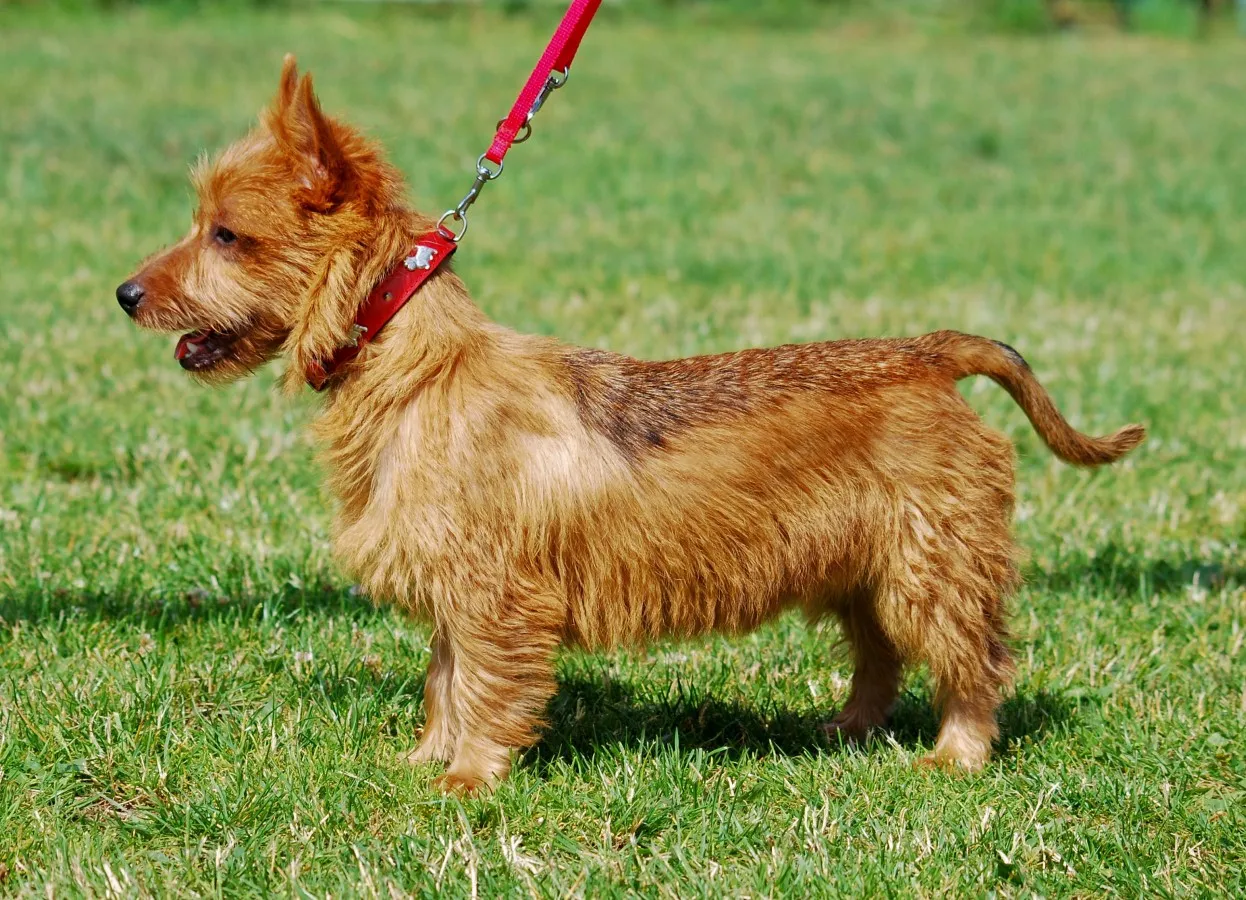
Australian Terrier Training Profile
Australian Terriers are intelligent and quick learners, but their independent nature and stubborn streak make training somewhat challenging. They require consistent, firm leadership and positive reinforcement to stay engaged. Short, fun sessions with high-value rewards are essential to prevent boredom and manage their spirited, independent hunting heritage effectively.
TRAINABILITY
Stubborn
3 out of 10
MENTAL STIMULATION NEEDS
High Needs
8 out of 10
LOVE FOR GRUB
Average
6 out of 10
TRAINING FAQ
Are Australian Terriers easy to train?
Independent
4 out of 10
Australian Terriers are intelligent and quick learners, but their independent nature makes training somewhat challenging. They possess a stubborn streak and often lose interest with repetitive tasks. Successful training requires consistent, firm leadership and positive reinforcement using high-value treats or toys to keep these spirited dogs motivated and engaged throughout.
Are Australian Terriers stubborn?
Somewhat Stubborn
4 out of 10
Australian Terriers are highly intelligent and eager to please, but their independent hunting heritage can lead to a stubborn streak. They often choose to follow commands only when they find them rewarding. Use consistent, positive reinforcement with high-value treats and keep training sessions short to manage their independent spirit.
How to train a Australian Terrier puppy?
Average
6 out of 10
Train your Australian Terrier puppy using short, engaging sessions and high-value positive reinforcement to overcome their independent streak. Focus on early socialization and consistent, firm leadership to keep these intelligent dogs motivated. Avoid repetitive drills that may cause them to lose interest, and prioritize rewards like treats or toys to ensure they remain focused and cooperative.
How difficult is to potty train a Australian Terrier puppy?
Challenging
3 out of 10
Potty training an Australian Terrier typically takes several months due to their independent and sometimes stubborn nature. Their background as spirited hunters means they may lose interest in repetitive training, requiring a highly consistent schedule and firm leadership. Success is best achieved through crate training and the use of high-value treats to provide positive reinforcement whenever they eliminate in the correct spot.
How many walks does a Australian Terrier need?
Above Average
7 out of 10
Australian Terriers are spirited, high-energy dogs that typically require at least 30 to 60 minutes of daily exercise to stay healthy and prevent boredom. While they are small, they benefit from two brisk walks daily combined with interactive play sessions, such as fetch or exploring a secure backyard. Consistent physical activity and mental stimulation are essential to manage their hunting instincts and prevent destructive behaviors like digging or barking.
What is the best daily routine for a Australian Terrier?
Moderate Low
5 out of 10
An Australian Terrier’s daily routine should focus on companionship and balanced activity to channel their spirited energy. Provide 30 to 45 minutes of daily exercise through brisk walks, backyard exploration, or interactive games like fetch. Feed adult Aussies two measured meals daily and puppies three meals to support growth while monitoring portions to prevent obesity. Essential daily care includes short, engaging training sessions using positive reinforcement to manage their independent nature, plus weekly brushing to maintain their weather-resistant coat. Because they thrive on human interaction, ensure they are not left alone for long periods to prevent separation anxiety and destructive barking.
VET INSIGHTS
Australian Terriers are intelligent and spirited, requiring consistent leadership and positive reinforcement to manage their independent streak. They need 30 to 60 minutes of daily exercise to prevent boredom and destructive behaviors. While highly loyal, housebreaking and training can be challenging due to their stubbornness, necessitating short, engaging sessions and a rigid routine for success.

Reviewed by
Dr. Vojtech Gabriel
DVM · PhD · MBA
Veterinarian
Researcher
Dog breed specialist
✓
Verified