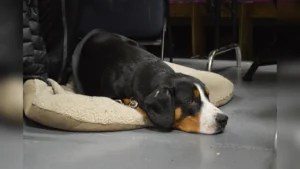
Löwchen Grooming Profile
Breed Group
Toy Dogs
Country of Origin
France
Breed Size
Small
AKC Recognition
Yes, recognized in 1996
FCI Recognition
Yes, recognized in 1954
Allergy-friendly
Good9 / 10
Shedding
Minimal10 / 10
Grooming need
45 mins/weekLow-maintenance
Moderate6 / 10
Size
Small3 / 10
Growth timeline
10-12 months2 / 10
Grooming FAQ
Are Löwchen hypoallergenic or allergy-friendly?
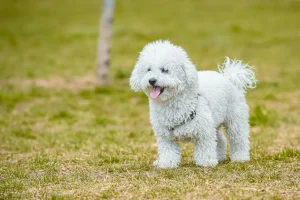
Löwchens are considered hypoallergenic. Their long, flowing coat sheds very little, making them an excellent companion for people with allergies.
Allergy-friendly: 9 / 10
Do Löwchen shed?
Löwchens are low shedders. Their hair-like coat traps loose strands, meaning minimal fur is left around the house, keeping your home clean.
Shedding: 10 / 10
How often should you groom a Löwchen?
Löwchens require high grooming. Their coat needs daily brushing to prevent mats, and professional clipping every 4-6 weeks, often in the traditional lion clip.
Are Löwchen low-maintenance dogs?
Löwchens are moderate-maintenance. They require significant grooming to maintain their coat, but have moderate exercise needs and are adaptable to apartment living.
Low-maintenance: 6 / 10
How big do Löwchen get?
Löwchens are small, sturdy dogs. They stand 11-13 inches tall and weigh 10-15 pounds, with a compact, well-balanced frame.
Size: 3 / 10
When do Löwchen stop growing?
Löwchens reach full adult size by 10 to 12 months of age, maturing quickly like many small companion breeds.
Growth timeline: 2 / 10
How much should a Löwchen eat?
Adult Löwchens typically require approximately 300-600 calories daily. A calorie range of approximately 300-600 calories daily for adults.
Feeding amount: 2 / 10
How often should a Löwchen puppy eat?
Löwchen puppies should transition to 3 meals daily between 3 and 6 months, and 2 meals daily after 6 months.
Puppy feeding frequency: 9 / 10
Vet Insights
Löwchens are small, lively companions that reach full size by 12 months. They are hypoallergenic and low-shedding, making them ideal for allergy sufferers. While adaptable to apartments, they require significant grooming, including daily brushing and professional clips. Maintenance involves moderate daily exercise and a controlled diet of 0.5-1 cup of food to prevent dental and weight issues.