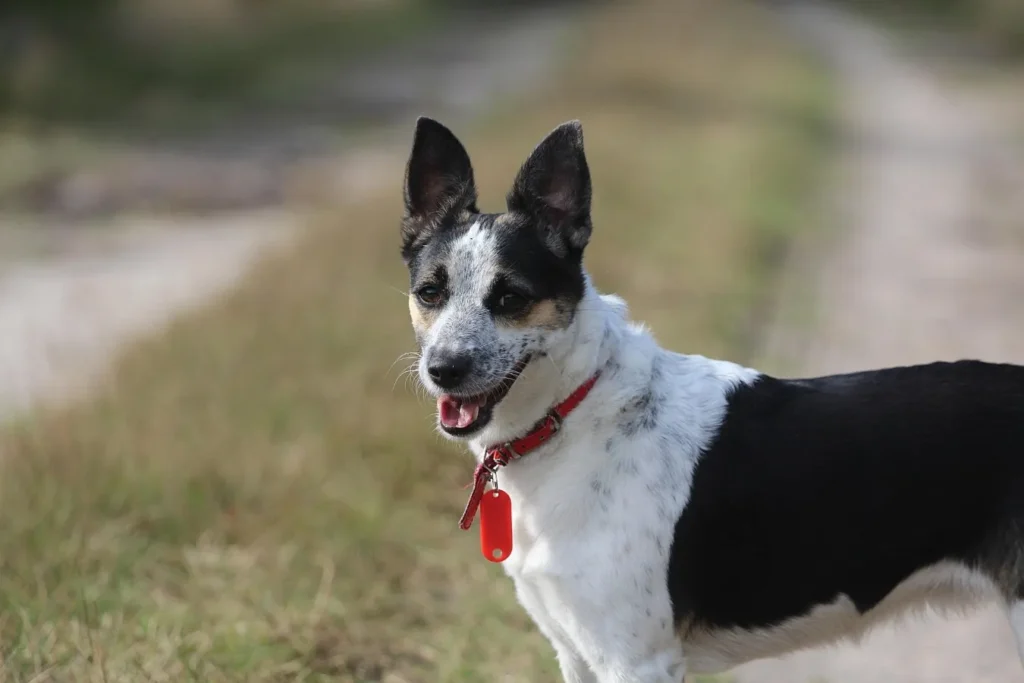
Rat Terrier
Breed Group
Terrier Dogs
Country of Origin
United States
Breed Size
Small
AKC Recognition
Yes, recognized in 2013
FCI Recognition
No
Family dog
Excellent10 / 10
Good with kids
Excellent10 / 10
First-time owner
Fair4 / 10
Apartment dog
Great8 / 10
Yard need
Highly Recommended2 / 10
Can be left alone
Average5 / 10
What Do Owners Want to Know?
Are Rat Terrier good family dogs?
Rat Terriers are excellent family dogs, known for their happy-go-lucky attitude and ability to thrive as loyal, lap-loving companions. Their versatile and intuitive nature makes them a great addition to active households, though their high prey drive requires supervision around other small pets.
Family dog: 10 / 10
Are Rat Terrier good with kids?
Rat Terriers are generally excellent with children, known for being patient, playful, and deeply affectionate family companions. While they are sturdy and tolerant, their small size and lean structure mean they can be vulnerable to accidental injury during rough play, so supervision is recommended with toddlers. Early socialization and consistent training are essential to manage their high energy and ensure they remain well-behaved around kids.
Good with kids: 10 / 10
Are Rat Terrier good for first-time owners?
Rat Terriers are generally better suited for experienced owners due to their high energy, intelligence, and stubborn streak. While they are loyal and affectionate companions, they require a patient owner who can provide firm, consistent training and plenty of mental stimulation. First-time owners must be dedicated to meeting their rigorous exercise needs and managing their independent nature to ensure a well-behaved pet.
First-time owner: 4 / 10
Are Rat Terrier good apartment dogs?
Rat Terriers are excellent apartment dogs due to their compact size, intelligence, and highly adaptable nature. They thrive in smaller living spaces provided they receive regular daily exercise and mental stimulation to manage their high energy. Their loyal, alert personality makes them wonderful companions for active city dwellers who can commit to consistent training and physical activity.
Apartment dog: 8 / 10
Do Rat Terrier need a yard?
A yard is not strictly required for a Rat Terrier, as they can adapt well to apartment living provided they receive at least 20 to 30 minutes of dedicated daily exercise. However, a securely fenced yard is highly recommended for these active dogs to safely satisfy their natural zoomies and digging instincts. If they have access to a yard, owners must ensure the fencing is secure to prevent these clever, high-energy hunters from escaping or chasing local wildlife.
Yard need: 2 / 10
Can Rat Terrier be left alone?
Rat Terriers are highly social, people-oriented companions that thrive on human interaction and are prone to separation anxiety if left alone for extended periods. While they can manage moderate absences if provided with consistent training and mental stimulation, they thrive best in active households where someone is frequently present to prevent boredom-induced destructive behaviors.
Can be left alone: 5 / 10
Are Rat Terrier good with cats?
Rat Terriers can coexist peacefully with cats, especially when raised together from a young age or introduced gradually. While they often form close bonds with their feline housemates, their intense prey drive means they may still view unfamiliar cats as something to hunt. Consistent socialization and supervision are essential to ensure a safe and harmonious environment.
Good with cats: 4 / 10
Are Rat Terrier aggressive?
Rat Terriers are not naturally aggressive and are generally more docile and easy-going than most other terrier breeds. While they are typically friendly and social with their families, they can be reserved or suspicious toward strangers. Any aggression usually stems from a lack of early socialization, fear, or shyness. With consistent positive reinforcement and early exposure to various people and environments, they remain well-mannered and loyal companions.
Aggression tendency: 9 / 10
Are Rat Terrier high-energy dogs?
Rat Terriers are high-energy, spirited dogs that thrive on regular physical activity and mental challenges. They require at least 30 to 60 minutes of daily exercise, such as brisk walks or games of fetch, to channel their athleticism and prevent boredom-induced behaviors.
Energy level: 8 / 10
How much exercise does a Rat Terrier need?
Rat Terriers are high-energy dogs that require at least 30 to 60 minutes of daily exercise to stay healthy and prevent boredom-induced behaviors like digging or barking. They thrive on varied activities such as brisk walks, interactive games of fetch, and agility training. Because of their intelligence and working heritage, incorporating mental stimulation through puzzle toys and scent games is essential for their overall well-being.
Exercise need: 5 / 10
Can Rat Terrier live in hot weather?
Rat Terriers generally tolerate warm weather well due to their short, single coats, but they are still at risk of heatstroke and sunburn in extreme temperatures. Owners should provide constant access to shade and fresh water while limiting intense activity during the hottest parts of the day.
Hot weather tolerance: 9 / 10
Can Rat Terrier live in cold weather?
Rat Terriers are sensitive to cold weather due to their short, single coats and lack of an insulating undercoat. They often shiver in temperatures below 50 degrees Fahrenheit and typically require a sweater or coat for outdoor walks. During freezing weather, limit outings to quick potty breaks and provide warm blankets for burrowing indoors.
Cold weather tolerance: 1 / 10
Are Rat Terrier banned in apartments or rentals?
Rat Terriers are rarely subject to breed-specific bans, as they are not typically classified as aggressive or high-risk. Their small to medium size usually falls within standard apartment weight limits, making them widely accepted in rental communities. However, always verify individual landlord policies regarding specific pet fees, weight restrictions, or rental insurance requirements.
Rental restriction risk: 8 / 10
Vet Insights
Rat Terriers are generally hardy and long-lived, but as a veterinarian, I focus on screening for hereditary conditions that can impact their quality of life. Primary Lens Luxation (PLL) is a significant concern as it can lead to painful glaucoma and blindness without early intervention. I also monitor for orthopedic issues common in smaller active breeds, such as patellar luxation, hip dysplasia, and Legg-Calvé-Perthes disease. Additionally, they are prone to allergies that cause skin irritation and secondary infections, as well as cardiac valvular disease in their senior years. Maintaining a lean weight is vital, as obesity is common and can exacerbate joint and heart conditions. I recommend regular dental care and genetic testing for breeding dogs to ensure a healthy lifespan of up to 18 years.