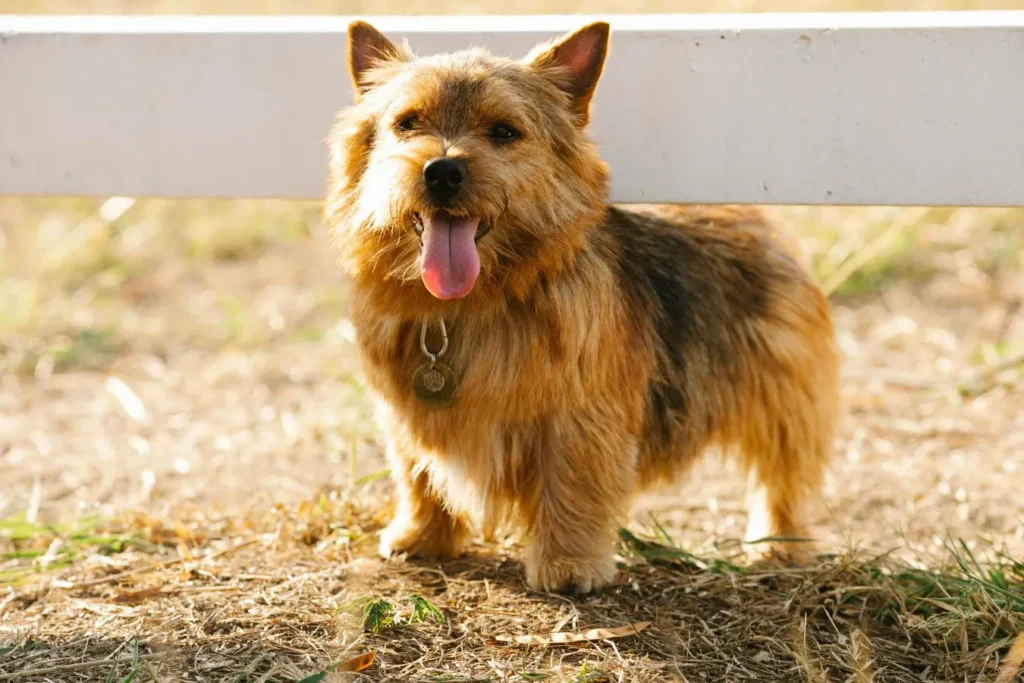
Cairn Terrier Health and Costs
Breed Group
Terrier Dogs
Country of Origin
United Kingdom
Breed Size
Small
AKC Recognition
Yes, recognized in 1913
FCI Recognition
Yes, recognized in 1954
Rarity
Very Common2 / 10
Purchase cost
Moderate5 / 10
Life expectancy
Long Lifespan8 / 10
Health
Generally healthy7 / 10
Health problem risk
Mild health concerns3 / 10
Maintenance cost
Low maintenance cost2 / 10
A Veterinarian's Guide
Cairn Terrier Health Problems and Costs
The Cairn Terrier is a small, sturdy working terrier from the Scottish Highlands and the Isle of Skye, and most Cairns stay game and active into old age. Their health risks are less about frailty and more about a short, well-documented list of inherited conditions: liver blood vessel abnormalities, an eye pigment disorder, knee and hip problems, and a puppy jaw condition. Knowing them early makes screening and vet visits easier to plan.
In this guide
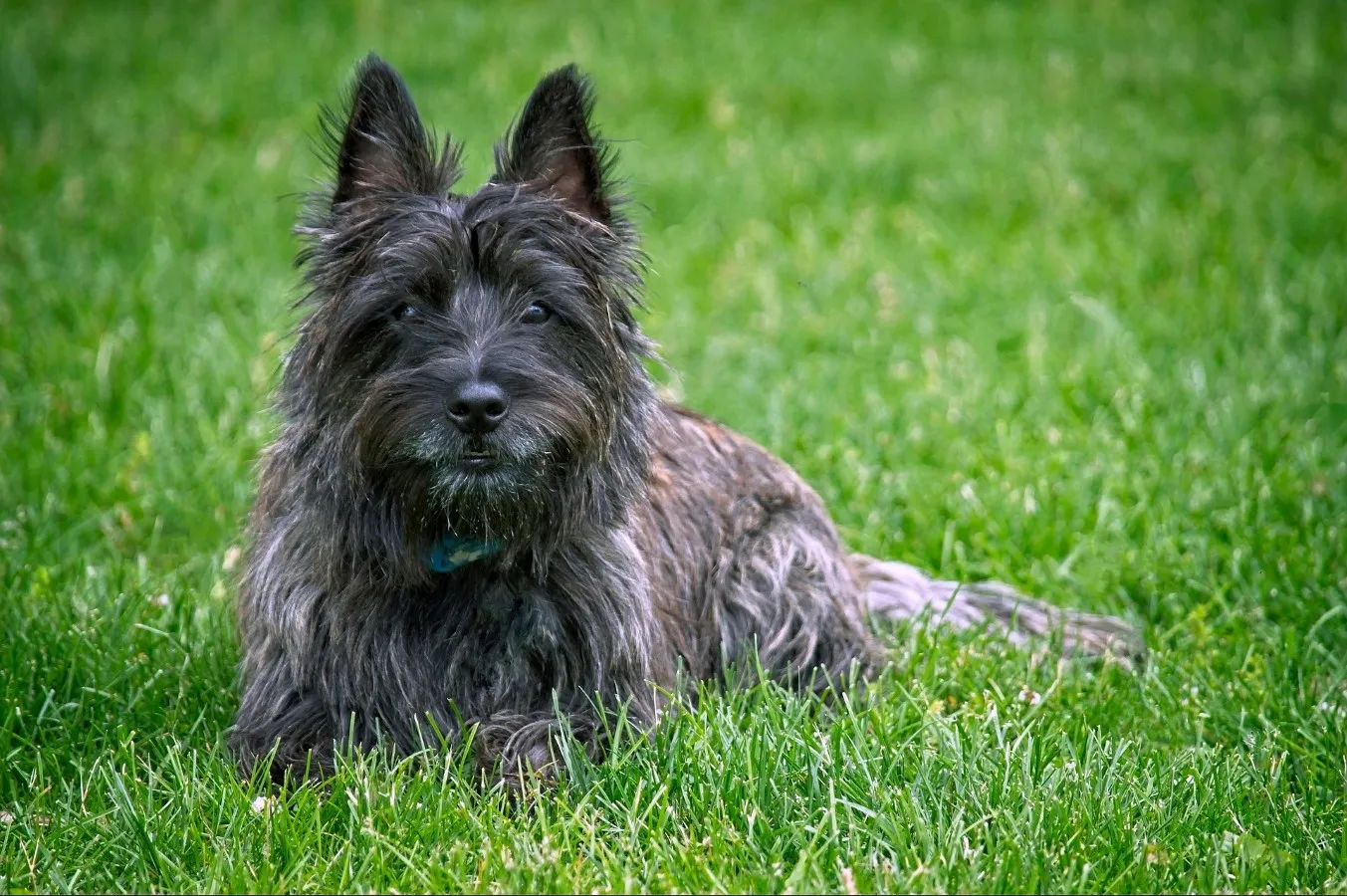
Why Do Cairn Terriers Need Liver Screening as Puppies?
Tell your veterinarian that portosystemic shunts are a known risk in Cairn Terriers if your puppy grows poorly, seems dull or disoriented, or drinks and urinates a lot. Some affected dogs show no signs, so screening matters even in a puppy that looks fine.
A portosystemic shunt is an abnormal blood vessel that lets blood bypass the liver instead of being filtered by it, so toxins that the liver should clear stay in circulation. The word portosystemic joins the portal vein, which carries blood from the gut to the liver, with the general circulation, the systemic vessels. The breed club lists possible signs including excessive thirst and urination, lethargy, vomiting or diarrhea, and seizures, and notes that not every affected dog shows symptoms.
A bile acids test, a blood test that shows how well the liver is processing waste, is the usual first screening step, and the breed club suggests testing puppies at 12 to 16 weeks and adults before breeding. If results are abnormal, imaging follows to locate the vessel. For a confirmed shunt, corrective surgery can help with long-term management, alongside diet changes, so an early diagnosis gives your veterinarian more options.
What Is Ocular Melanosis in Cairn Terriers?
Ocular melanosis is an inherited pigment disorder of the eye seen in the breed. The word joins the Latin oculus, "eye," with the Greek melas, "black." Pigment builds up in the iris, the colored ring around the pupil, and in the white of the eye, and in the most severely affected dogs the pigment can clog the eye's drainage pathways and raise eye pressure, which is called glaucoma. The breed club reports that the more obvious changes usually appear between about 7 and 12 years of age, so a normal exam in youth does not close the question for life.
A dilated eye exam by a veterinary ophthalmologist is the only test currently available, and the breed club recommends it from age two with periodic repeats. If glaucoma is caught early, the damage can be slowed, which is why changes are worth reporting promptly.
- 01
Squinting or pawing
Your dog squints, rubs, or paws at one eye.
- 02
Red or cloudy eye
One eye looks red, bluish, cloudy, or larger than the other.
- 03
Sudden vision change
Bumping into things or hesitating in familiar places.
- 04
Obvious discomfort
Pressure in the eye is painful, so a quiet, withdrawn dog matters.
Without treatment a dog with glaucoma can go blind, and sometimes the eye must be removed because of pain, so waiting a few days is a poor trade. Cataracts, a clouding of the lens, are also seen in older terriers and are another reason for routine eye exams.
What Knee, Hip and Jaw Problems Should Owners Watch For?
Patellar luxation means the kneecap slips out of its groove. Mild cases show up as a dog that picks up a back leg for a few steps over uneven ground, while severe grades need surgery and can wear the joint toward arthritis. Legg-Calvé-Perthes disease, in which the top of the thigh bone loses its blood supply and breaks down, is also reported in the breed and is found on X-ray. Both cause hind-limb lameness, and both are a reason for a patella exam at routine visits.
Craniomandibular osteopathy, nicknamed lion jaw, is abnormal bone growth along the jaw in puppies. Osteopathy joins the Greek osteon, "bone," with pathos, "disease." Signs usually begin around four months with episodes of jaw pain, and in severe episodes a puppy may be unable to open its mouth. The breed club describes it as generally self-resolving as the bone remodels during growth, usually by about a year, and a DNA test exists.
What Does Managing a Cairn Terrier's Health Actually Cost?
| Condition or Need | Typical Cost Range | Notes |
|---|---|---|
| Routine wellness care | $200 to $400/year | Exam, vaccines, parasite control |
| Patellar luxation surgery | $1,500 to $3,000 per knee | Only for more severe grades |
| Shunt correction surgery | $3,000 to $6,000 | Depends on location and complexity |
| Eye pressure monitoring | $150 to $300/year | With a veterinary ophthalmologist |
Figures vary by region and clinic, so ask your veterinarian for an estimate. Because a shunt repair is a large bill, pet insurance is worth pricing while your puppy is young and healthy, before any condition counts as pre-existing.
Questions to Ask a Breeder Before Buying a Puppy
The national breed club recommends patella, cardiac, kidney ultrasound, ocular melanosis eye and liver evaluations plus a DNA test for globoid cell leukodystrophy, an inherited and very serious nervous system disease of young puppies. Ask to see current results for both parents, ask whether the lines have had shunts or eye pressure problems, and ask about the DNA tests for GCL and jaw disease. A breeder who volunteers that history is usually well informed about the breed.
Daily Life With a Cairn Terrier
Cairns are small, busy and independent, bred to work alone, so they can be strong-willed about handling and restraint. Gentle exam-table and grooming handling started in puppyhood pays off in an opinionated adult, and the training guide covers how to keep sessions short and rewarding. The harsh, weather-resistant double coat is covered in the grooming guide, and a neglected coat can trap moisture and debris against the skin. The personality profile explains the spirited, affectionate side that makes the breed such a good companion.
Keeping Your Cairn Terrier Healthy for the Long Run
Schedule liver screening in puppyhood, a patella exam at routine visits, and dilated eye exams from age two with periodic repeats. Keep your dog lean to protect its knees, and report squinting, a cloudy eye or a sudden change in thirst or behavior promptly. Cairns are also listed as prone to diabetes and itchy, allergic skin, so ask your veterinarian about them as your dog ages.
Final Thoughts From a Veterinarian
Cairn Terriers commonly live 13 to 16 years. Screen the liver early, repeat eye exams through life, check knees, and treat a painful or cloudy eye as urgent. Most Cairns stay spirited well into old age. Your veterinarian can tailor the plan.
Health & Costs FAQ
How much do Cairn Terrier cost?
The cost of a Cairn Terrier puppy from a reputable breeder typically ranges from $800 to $2,500, with an average of approximately $1,300. Adopting from a shelter is more affordable, usually costing between $100 and $500. Owners should also budget for initial vaccinations and essential supplies.
Purchase cost: 5 / 10
How long do Cairn Terrier live?
Cairn Terriers commonly live 13 to 16 years, according to the breed club. Early liver screening, repeat eye exams, a lean weight and routine veterinary checkups help them stay active into their senior years.
Life expectancy: 8 / 10
Are Cairn Terrier healthy dogs?
Cairn Terriers are generally healthy and long-lived, but a short list of inherited conditions repeats in the breed. These include liver portosystemic shunts, ocular melanosis with a risk of glaucoma, patellar luxation, craniomandibular osteopathy in puppies and the serious nervous system disease GCL. Breeder health testing and routine screening catch many of these early.
Health: 7 / 10
What health problems do Cairn Terrier have?
Cairn Terriers can develop portosystemic liver shunts, ocular melanosis that may lead to glaucoma, patellar luxation, Legg-Calvé-Perthes disease and craniomandibular osteopathy in puppies. They are also listed as prone to diabetes and allergic skin disease. Bile acid testing, eye exams and knee checks catch several of these early.
Health problem risk: 3 / 10
Are Cairn Terrier expensive to maintain?
Cairn Terriers are inexpensive to keep. The harsh, weather-resistant double coat needs regular brushing and some grooming care, and the larger costs come from routine veterinary care and screening for liver, eye and knee conditions, so setting money aside for those is wise.
Maintenance cost: 2 / 10
How much does it cost to own a Cairn Terrier per month?
Monthly ownership costs for a Cairn Terrier typically run $100 to $150. That covers food, routine veterinary care and preventive medication, but not a major problem such as shunt surgery, which would add to the budget.
Monthly ownership cost: 2 / 10
How much does pet insurance cost for a Cairn Terrier?
Pet insurance for a Cairn Terrier commonly costs $40 to $60 per month, though quotes vary with your dog's age, location and coverage. Pricing a policy while your puppy is young and healthy is worthwhile, since conditions such as shunts, eye disease and luxating patellas can cost thousands of dollars.
Pet insurance cost: 3 / 10
Will homeowners insurance cover a Cairn Terrier?
Yes, most homeowners insurance policies will cover a Cairn Terrier. The breed is not typically found on restricted breed lists, but every insurer has different rules, so disclose your dog to your provider to be sure your liability coverage is adequate.
Homeowners insurance difficulty: 9 / 10
Are Cairn Terrier on insurance restricted breed lists?
No, Cairn Terriers are not typically found on insurance restricted-breed lists. These lists usually target breeds perceived as having higher liability risks or histories of aggression. As a small, affectionate terrier, the Cairn is generally considered a standard dog without any breed-specific restrictions from most insurers.
Insurance restriction risk: 2 / 10
Can you get renters insurance with a Cairn Terrier?
Yes, you can typically get renters insurance with a Cairn Terrier, since the breed is rarely found on restricted lists. Always disclose your dog to your insurer and check your lease for specific pet restrictions.
Renters insurance difficulty: 8 / 10