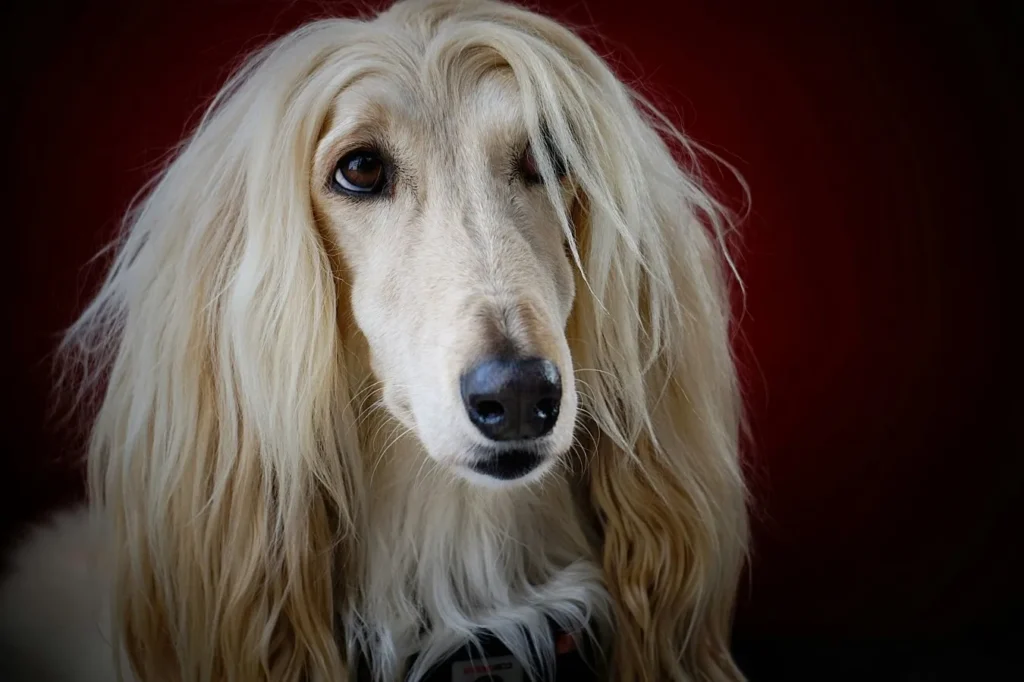
Afghan Hound
Breed Group
Hound Dogs
Country of Origin
Afghanistan
Breed Size
Large
AKC Recognition
Yes, recognized in 1926
FCI Recognition
Yes, recognized in 1954
Family dog
Very Good8 / 10
Good with kids
Good6 / 10
First-time owner
Not Recommended1 / 10
Apartment dog
Average5 / 10
Yard need
Strictly Required10 / 10
Can be left alone
Average5 / 10
What Do Owners Want to Know?
Are Afghan Hound good family dogs?
Afghan Hounds can be rewarding family companions for experienced owners who can manage their high energy and extensive grooming needs. While they are loyal and occasionally silly with their families, their independent nature and aloofness with strangers make them best suited for a calm, stable household.
Family dog: 8 / 10
Are Afghan Hound good with kids?
Afghan Hounds are generally good with children, especially when raised with them from a young age. Known for their gentle and tolerant nature, they form loyal bonds with their families. However, due to their independent and sensitive personality, they are best suited for households with older, respectful children who can follow boundaries and avoid rough handling. Supervision is recommended around younger children to ensure safe and calm interactions.
Good with kids: 6 / 10
Are Afghan Hound good for first-time owners?
Afghan Hounds are generally not recommended for first-time owners due to their independent, stubborn nature and complex care requirements. Their sighthound instincts make them difficult to train, and they require a significant commitment to daily vigorous exercise and extensive, time-consuming grooming. Prospective owners must be prepared for a breed that is often aloof and requires a patient, experienced hand to manage their sensitive personality and high prey drive.
First-time owner: 1 / 10
Are Afghan Hound good apartment dogs?
Afghan Hounds can adapt to apartment living if their significant physical and mental exercise needs are met daily. While they are famously calm and "couch potato-like" indoors, they are large, high-energy athletes that require long walks and opportunities to run in secure areas. Due to their independent nature and extensive grooming requirements, they are generally recommended for experienced owners rather than first-time apartment dwellers.
Apartment dog: 5 / 10
Do Afghan Hound need a yard?
A securely fenced yard is essential for Afghan Hounds, as they are high-energy sprinters with an intense prey drive and exceptional jumping ability. While they can adapt to apartment living if given significant daily exercise, a large, secure outdoor space is ideal for them to run at full speed safely. Owners must ensure fencing is high and secure, as their sighthound instincts make them unreliable off-leash and prone to chasing small animals out of sight in seconds.
Yard need: 10 / 10
Can Afghan Hound be left alone?
Afghan Hounds are independent and can handle being left alone for moderate periods, as they often appreciate their own space. However, they should not be left for extended lengths of time without mental and physical stimulation, as they can become bored and destructive. It is recommended to provide interactive toys and ensure they receive adequate exercise before and after periods of solitude.
Can be left alone: 5 / 10
Are Afghan Hound good with cats?
Afghan Hounds have a strong prey drive as sighthounds and may not be naturally good with cats, often viewing them as something to chase. While they can learn to coexist peacefully if raised together from puppyhood and properly socialized, they should always be supervised around small animals. Their hunting instincts can be triggered by running cats, particularly outdoors, so slow introductions and a secure home environment are essential.
Good with cats: 1 / 10
Are Afghan Hound aggressive?
Afghan Hounds are not naturally aggressive and are known for their dignified, calm, and aloof temperament. While they can be reserved or indifferent toward strangers, they are deeply loyal and affectionate with their families. Any potential reactivity is typically linked to their high prey drive, which may cause them to chase small animals, rather than inherent aggression. Early socialization and positive reinforcement training are essential to ensure they remain well-adjusted and confident in various social situations.
Aggression tendency: 8 / 10
Are Afghan Hound high-energy dogs?
Afghan Hounds are high-energy athletes that require significant daily exercise to remain healthy and prevent destructive behaviors. As natural sprinters with an intense prey drive, they need at least 60 to 120 minutes of activity, including long walks and opportunities to run at full speed in securely fenced areas. While they are calm and dignified indoors, they thrive on physically demanding activities like lure coursing and agility to satisfy their hunting instincts.
Energy level: 8 / 10
How much exercise does a Afghan Hound need?
Afghan Hounds are high-energy athletes that require approximately one to two hours of daily exercise. This should include long walks and frequent opportunities to sprint in a securely fenced area, as their intense prey drive and speed make them unreliable off-leash.
Exercise need: 10 / 10
Can Afghan Hound live in hot weather?
Afghan Hounds are remarkably heat-tolerant and can handle extreme temperatures well, as they were originally bred for the varied climate of Afghanistan. Their long coat provides insulation, and their large paw pads help them navigate hot terrain. However, owners should still provide ample shade and fresh water, and avoid overexertion during peak heat to ensure their safety and comfort.
Hot weather tolerance: 8 / 10
Can Afghan Hound live in cold weather?
Afghan Hounds generally tolerate cold weather well thanks to their thick, silky coats, which were originally developed for protection in the Afghan mountains. However, because they have very little body fat, they can still be sensitive to extreme temperatures. Owners should monitor for signs of shivering and consider using sweaters or coats during freezing weather to ensure they stay warm and comfortable.
Cold weather tolerance: 7 / 10
Are Afghan Hound banned in apartments or rentals?
Afghan Hounds are occasionally subject to apartment breed bans or restrictions due to their large size and high energy requirements. Many rental properties impose weight limits that this breed frequently exceeds, and their strong sighthound instincts can be a concern for property managers. Always verify individual landlord policies and insurance regulations regarding size and specific breed limitations.
Rental restriction risk: 5 / 10
Vet Insights
Afghan Hounds are exceptionally elegant and long-lived sighthounds, but they are predisposed to several unique health conditions. As a veterinarian, I focus on their high sensitivity to anesthesia due to low body fat and their predisposition to Chylothorax, a serious condition where fluid builds up in the chest. They are also prone to Gastric Dilatation-Volvulus (bloat), hip dysplasia, and various eye conditions like juvenile cataracts and glaucoma. Early screening for hypothyroidism and regular dental care are essential to maintaining their health. Given their athletic nature and potential for inherited disorders like Afghan Hound Myelopathy, I strongly recommend choosing puppies from health-tested parents and maintaining a lean weight to protect their joints throughout their 12-15 year lifespan.