Skip to content

Mudi - MAIN HUB

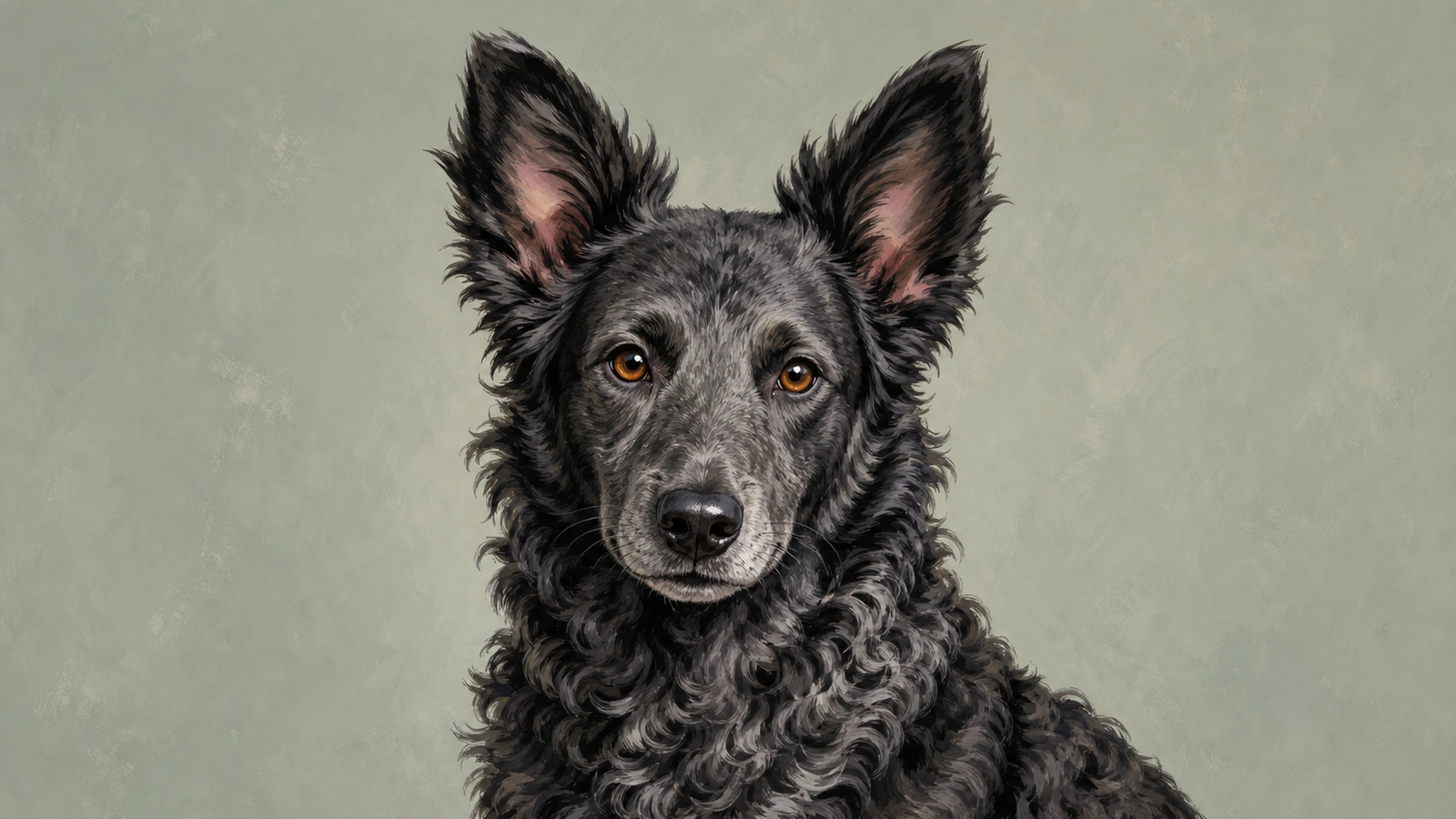
The Mudi is a rare, whip-smart herder from Hungary. Energetic and loyal, this agile “velcro dog” excels at sports and thrives on having a job to do.

BREED GROUP

Herding Dogs

Country of origin

Hungary

BREED SIZE

Small

BREED HEIGHT

15 -

19 IN

38 -

48 cm

BREED WEIGHT

8 -

10 LB

4 -

5 KG

WHAT YOU NEED TO KNOW

The Mudi is a versatile and intelligent herding breed originating from Hungary. With a life expectancy of 12 to 14 years, these dogs are recognized by the AKC within the Herding Group. The breed was officially recognized by the FCI in 1966, though the first standard was accepted in 1936. Known for their agility and intense work ethic, Mudis thrive in active households where they receive consistent physical exercise and mental stimulation. They are highly trainable and loyal, making them excellent companions for owners who enjoy dog sports or outdoor activities. This unique breed is valued for its capability and alert nature, requiring dedicated engagement to remain happy and well-adjusted.
american kennel club (AKC) recognition

Yes

Breed was recognized in 2022.

International Canine Federation (FCI) recognition

Yes

Breed was recognized in 2004.

WHAT DO OWNERS WANT TO KNOW?

Are Mudis good family dogs?

Very Good

8 out of 10

The Mudi is an excellent family dog for active households that can provide the consistent physical exercise and mental stimulation this intelligent breed requires. Their loyalty and high trainability make them devoted companions, though their alert nature and intense work ethic mean they thrive best when deeply engaged in family activities.

Good

8 out of 10

Mudis are generally excellent with children, often becoming fun-loving playmates for active kids. Because of their high energy and herding instincts, they may instinctively try to herd or nip at running children, so early socialization and supervision are essential. When children are taught to treat them with respect, Mudis blossom into loyal, protective, and gentle family companions.

Great

8 out of 10

Mudis are recommended for first-time owners with preparation, as their high intelligence and eagerness to learn make them highly trainable. However, their intense energy, vocal nature, and need for significant mental stimulation can be challenging for novices. Dedicated owners who can commit to consistent socialization and active engagement will find them loyal and rewarding companions.

Great

8 out of 10

Mudis can adapt to apartment living provided they receive significant daily exercise and mental stimulation to manage their high energy and intelligence. While they are calm and relaxed indoors once exercised, they thrive best in environments with access to a yard to satisfy their athletic nature and curious spirit.

Highly Recommended

9 out of 10

A yard is highly recommended for a Mudi to safely satisfy its curiosity and high energy levels. While they can adapt to apartment living with at least two 30-minute walks daily and significant mental stimulation, a securely fenced outdoor space is ideal to prevent roaming and provide an outlet for their athletic nature. Owners must ensure fencing is secure, as this breed is known for its agility and potential for digging.

Poor

2 out of 10

Mudis are social "velcro dogs" that bond intensely with their families and may develop separation anxiety if left alone for long periods. While they can tolerate moderate absences if their high physical and mental needs are met, they thrive best in households where they receive constant companionship and engagement.

Good

7 out of 10

Mudis generally get along well with cats and other animals, as they have a relatively low prey drive and are accustomed to living with various farm animals. Their intelligent and adaptable nature helps them coexist peacefully, especially when they are socialized from a young age. While their herding instincts might occasionally lead to chasing, consistent training and gradual introductions typically result in a harmonious multi-pet household.

Protective

3 out of 10

Mudis are not naturally aggressive and are known for being loyal protectors of their family and property. While they can be aloof or suspicious toward strangers and may exhibit dog-against-dog aggression or snappiness if not properly socialized, they are generally friendly and easy-going once trust is established. Consistent early socialization and positive reinforcement training are essential to manage their protective instincts and prevent fear-based reactivity.

Very High

9 out of 10

Mudis are exceptionally high-energy dogs that thrive on having a job to do. They require significant daily physical activity and mental stimulation, such as agility, herding, or interactive play, to stay happy and well-adjusted. Without a proper outlet for their athletic nature and intelligence, they can become bored and develop destructive behaviors like digging.

~90 min a day

8 out of 10

Mudis require significant daily exercise, typically between one and two hours of vigorous physical activity and mental stimulation. Engaging them in varied tasks like agility, hiking, or interactive dog sports is essential to satisfy their high-intensity work ethic and prevent boredom-related behaviors.

Good

6 out of 10

Mudis can tolerate hot weather as their weather-resistant double coats provide some protection against heat, though they are naturally better suited for cooler climates. Owners should be cautious of overheating during the summer and ensure the dog has constant access to shade and fresh water. Limiting intense physical activity to the early morning or late evening is recommended to prevent heatstroke.

Good

6 out of 10

Mudis can tolerate hot weather as their weather-resistant double coats provide some protection against heat, though they are naturally better suited for cooler climates. Owners should be cautious of overheating during the summer and ensure the dog has constant access to shade and fresh water. Limiting intense physical activity to the early morning or late evening is recommended to prevent heatstroke.

Rarely Banned

8 out of 10

Mudis are rarely subject to breed bans, as they are a rare breed and not typically classified on aggressive dog lists. Their small size generally falls within apartment weight limits. However, their vocal nature and high-pitched bark can lead to noise complaints, so owners should prioritize consistent training and mental stimulation to ensure they remain quiet and well-behaved neighbors. Always verify individual landlord policies regarding noise control and general pet rules.

WHAT DO OWNERS WANT TO KNOW?


Photo
Reviewed by
Dr. Vojtech Gabriel
DVM · PhD · MBA
Veterinarian Researcher Dog breed specialist
Verified

"The Mudi is a hearty, versatile herder, but they have specific health predispositions that require proactive management. As a veterinarian, I prioritize screening for hip and elbow dysplasia, as well as patellar luxation, which can lead to early-onset arthritis and mobility issues. This breed is also notably susceptible to idiopathic epilepsy and inherited eye conditions like cataracts and distichiasis, requiring regular monitoring from a young age. Dental disease is a common chronic concern that can impact overall organ health and lifespan if neglected. Given their high energy levels, maintaining a lean body condition through consistent exercise is essential to prevent obesity and minimize stress on their athletic frame."


Other Herding Dogs