Skip to content

Scottish Deerhound - MAIN HUB

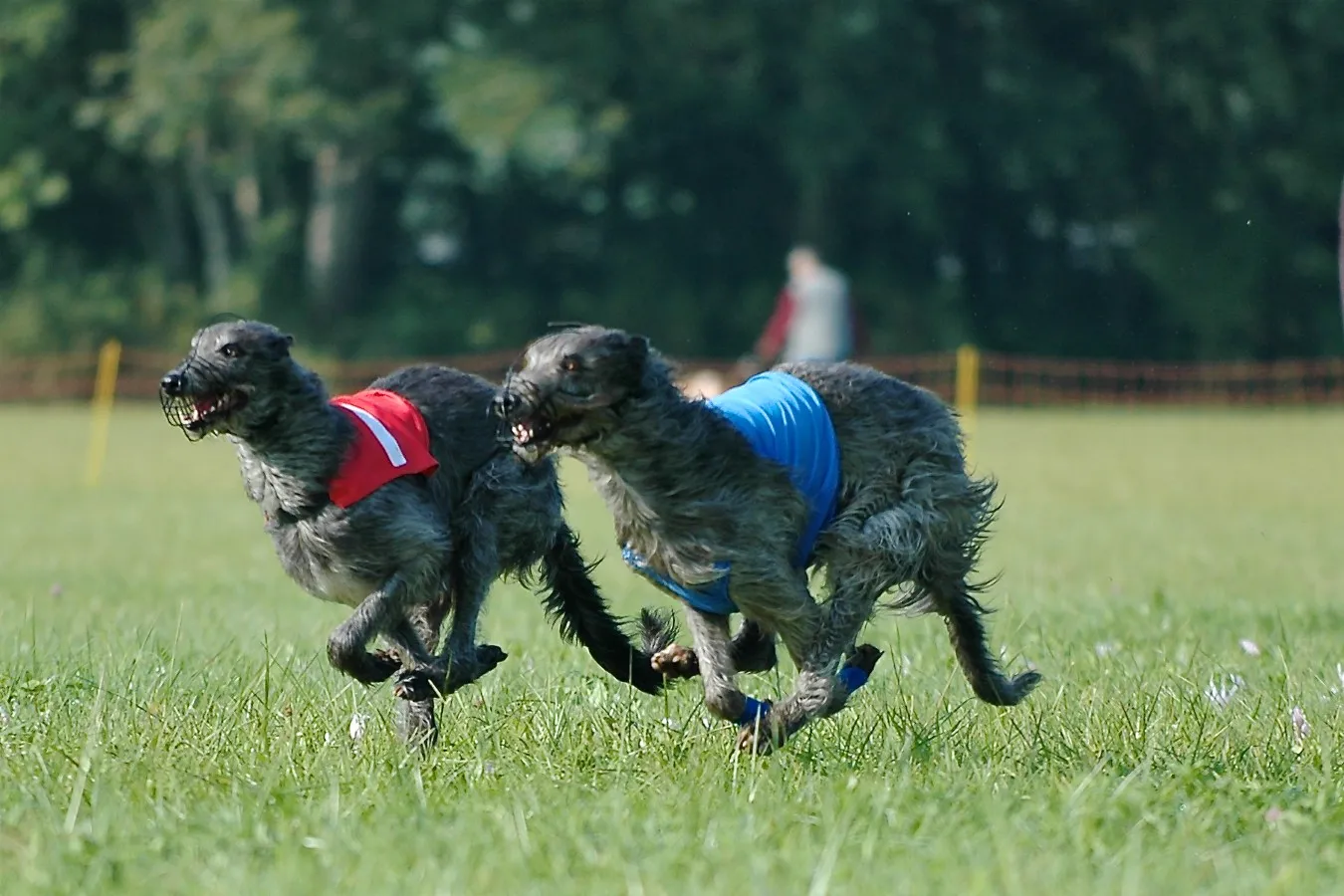
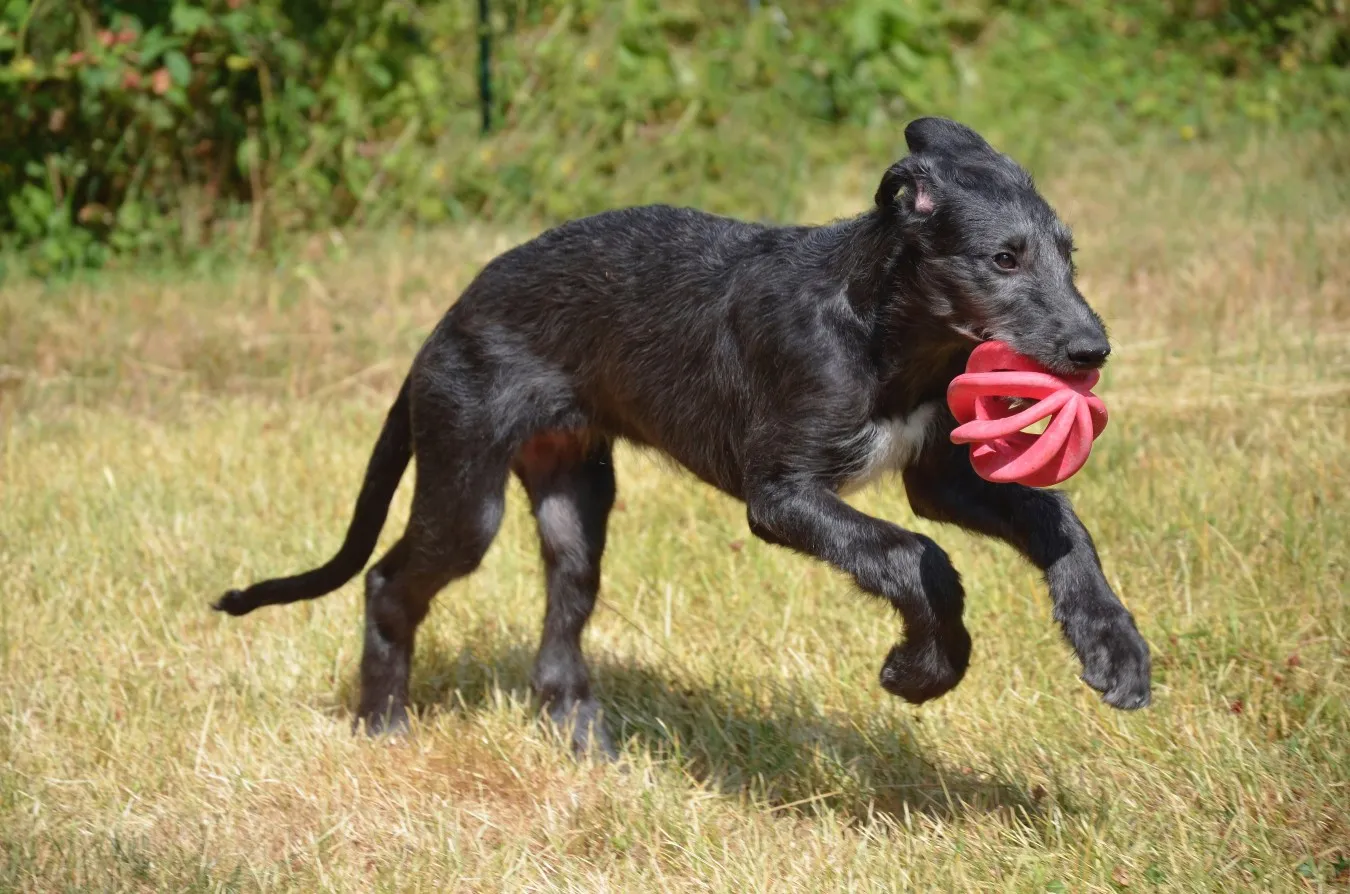
Meet the Royal Dog of Scotland! This gentle giant is a majestic, easygoing companion who loves long naps and sprinting through open, fenced spaces.

BREED GROUP

Hound Dogs

Country of origin

United Kingdom

BREED SIZE

Giant

BREED HEIGHT

28 -

32 IN

71 -

81 cm

BREED WEIGHT

75 -

110 LB

34 -

50 KG

WHAT YOU NEED TO KNOW

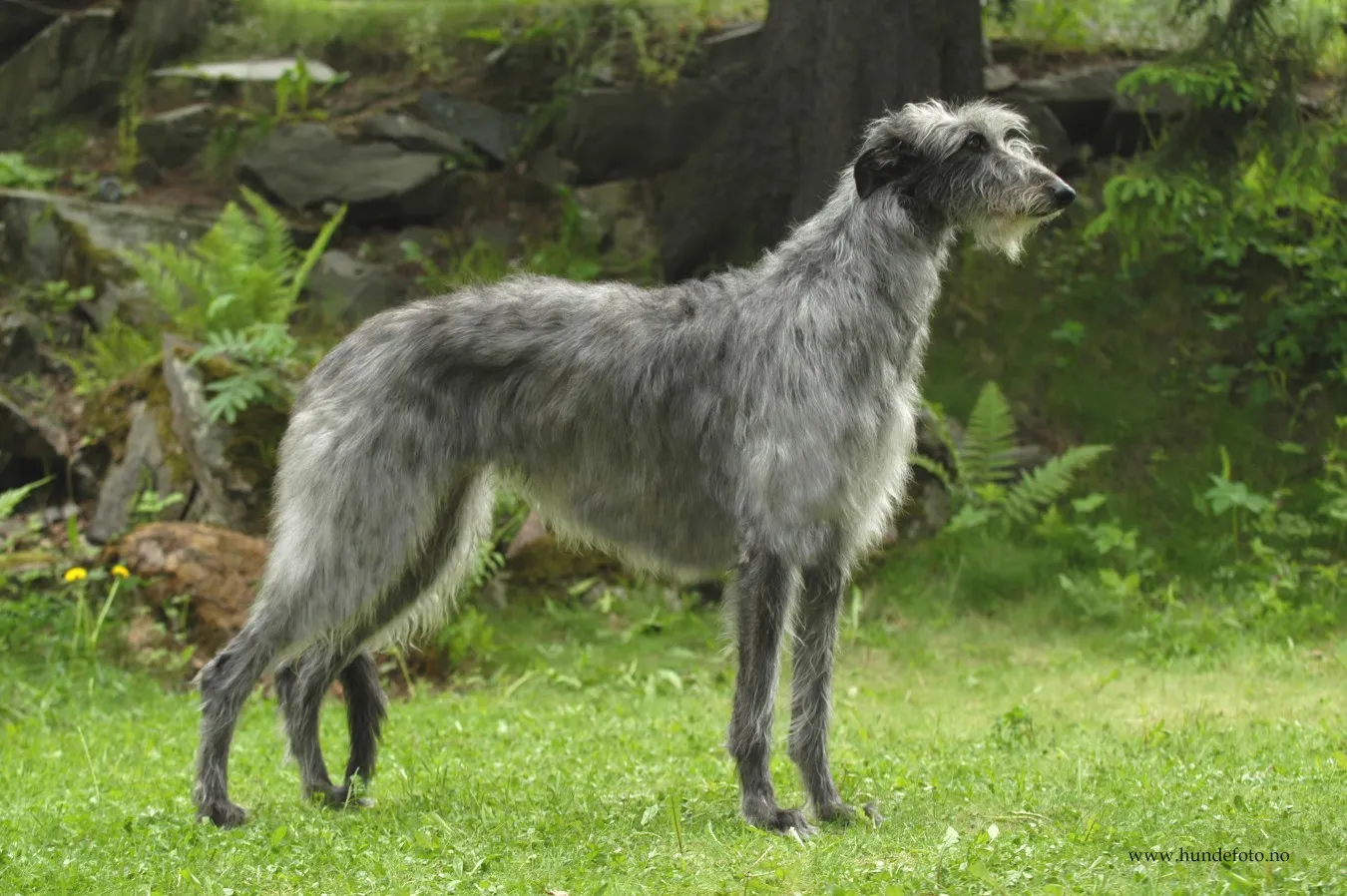
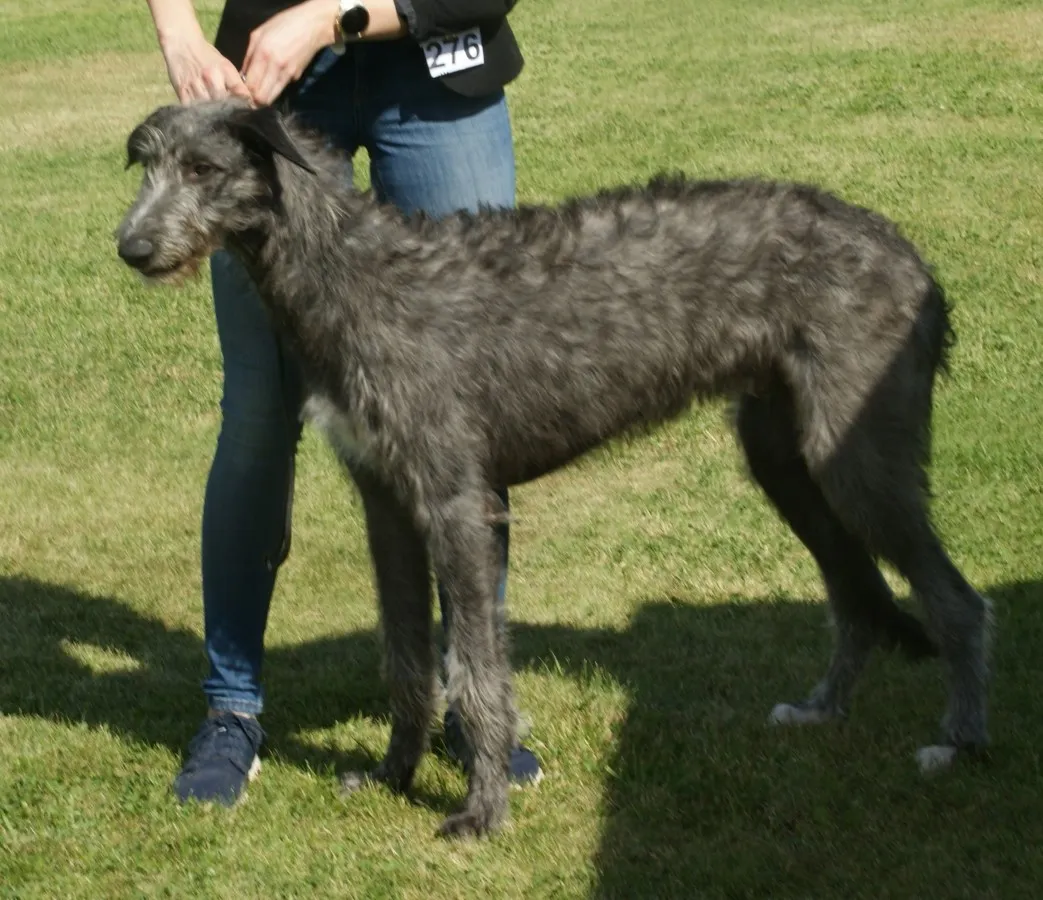
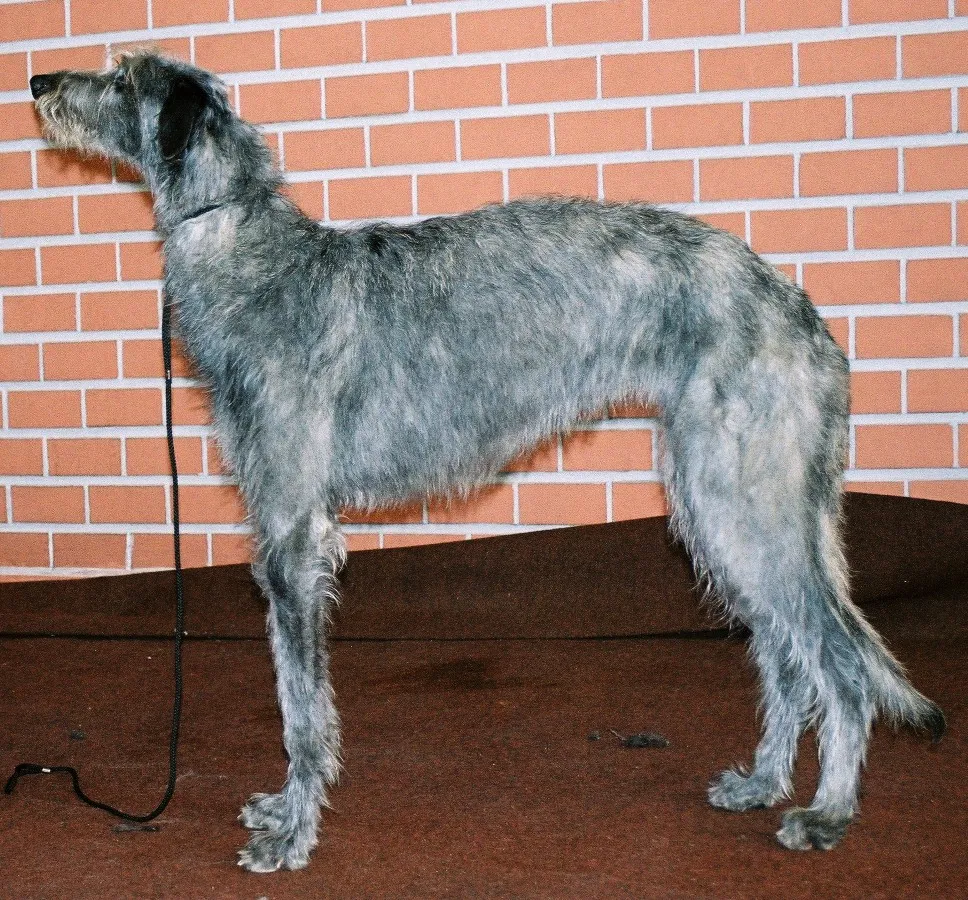
The Scottish Deerhound, known as the Royal Dog of Scotland, is a majestic sighthound built for speed and endurance. These gentle giants are characterized by their tall, athletic frames and harsh, wiry coats that require weekly brushing. While dignified and quiet indoors, they possess a high prey drive and require daily opportunities to run in a securely fenced area. They are deeply affectionate with family but can be independent thinkers during training. Due to their large size and social nature, they thrive on companionship and are not suited for long periods of isolation. They are prone to dilated cardiomyopathy (DCM) and osteosarcoma as specific health priorities.
american kennel club (AKC) recognition

Yes

Breed was recognized in 1886.

International Canine Federation (FCI) recognition

Yes

Breed was recognized in 1954.
WHAT DO OWNERS WANT TO KNOW?

Are Scottish Deerhounds good family dogs?

Excellent

9 out of 10

The Scottish Deerhound is a gentle and deeply affectionate breed that thrives on human companionship, making them excellent family dogs for those who can spend significant time with them. While they are quiet and dignified indoors, their large size and high prey drive require a home that can provide secure outdoor spaces for running. They are best suited for families that appreciate their social nature and are prepared for their independent thinking during training.

Exceptional

10 out of 10

Scottish Deerhounds are exceptionally gentle and patient with children, making them excellent family companions. Their calm and easygoing nature allows them to tolerate the high energy of kids with dignity and affection. However, due to their massive size and potential for "playful exuberance" as puppies, they can unintentionally knock over small children, so supervised interactions are always recommended. Socialization from a young age ensures these sensitive giants remain well-mannered and composed playmates.

Not Recommended

1 out of 10

Scottish Deerhounds are generally not recommended for first-time owners due to their giant size, independent spirit, and specialized exercise needs. While they are gentle and calm indoors, they require experienced handlers who can manage their strong prey drive and provide the vast, securely fenced spaces necessary for daily running. Novices may find their combination of physical scale and independent temperament challenging to navigate without prior experience.

Not Recommended

2 out of 10

Scottish Deerhounds are not typically recommended for apartment living due to their massive size and need for daily full-speed gallops in large, securely fenced areas. While they are famously quiet, gentle, and dignified "couch potatoes" indoors as adults, their physical scale and high prey drive make navigating tight quarters and common areas challenging. They are best suited for homes with ample room and access to significant outdoor space where they can safely stretch their legs.

Highly Recommended

8 out of 10

Scottish Deerhounds require a large, securely fenced yard to accommodate their need for daily aerobic exercise and full-speed gallops. While calm indoors, they are not suited for small apartments or life without a significant outdoor space due to their extreme size and high prey drive, which necessitates a safe area to run off-leash.

Poor

2 out of 10

Scottish Deerhounds are social dogs that thrive on human companionship and are generally not suited for being left alone for long periods. They are prone to separation anxiety, boredom, and destructive behaviors if isolated, and they flourish best in households where someone is present for most of the day or where they have another canine companion to keep them company.

Average

5 out of 10

Scottish Deerhounds generally have a high prey drive and may see cats as something to chase, which can make cohabitation challenging. While they are gentle and docile indoors, their sighthound instincts are easily triggered by fast-moving animals. However, they can often learn to live peacefully with indoor cats if they are raised together from a young age and properly socialized. To ensure safety, owners should use careful introductions, provide safe spaces for the cat, and avoid leaving them together unsupervised.

Calm

10 out of 10

Scottish Deerhounds are not naturally aggressive; they are famously gentle, polite, and dignified companions. Often described as gentle giants, they typically greet strangers with reserved politeness rather than suspicion. While their high prey drive may trigger them to chase small animals, they are sweet-tempered and deeply devoted to their families, generally lacking any guarding or aggressive instincts.

Couch Athlete

8 out of 10

Scottish Deerhounds are often described as couch athletes, maintaining a calm and lazy demeanor indoors while possessing a powerful drive for high-speed sprinting outdoors. They require daily opportunities to gallop in a securely fenced area to satisfy their sighthound instincts. While they enjoy long periods of rest, regular exercise is essential to keep these gentle giants healthy and prevent boredom.

~60+ min a day

10 out of 10

Scottish Deerhounds require daily exercise consisting of a long walk on a leash and the opportunity to run at full speed in a large, securely fenced area. As sighthounds, they thrive on high-speed sprints to satisfy their natural instincts, but they are generally calm "couch athletes" once their need for a gallop is met. Owners must ensure the exercise area is safe and enclosed to prevent them from chasing small animals.

Fair

4 out of 10

Scottish Deerhounds have a low heat tolerance and are prone to overheating due to their large size and thick, wiry coats. They typically become lethargic in temperatures above 75°F and are at risk of heatstroke if they overexert themselves in the sun. Owners should provide ample shade and fresh water, and restrict exercise to the cooler morning or evening hours.

Fair

4 out of 10

Scottish Deerhounds have a low heat tolerance and are prone to overheating due to their large size and thick, wiry coats. They typically become lethargic in temperatures above 75°F and are at risk of heatstroke if they overexert themselves in the sun. Owners should provide ample shade and fresh water, and restrict exercise to the cooler morning or evening hours.

Never Banned

3 out of 10

Scottish Deerhounds are rarely subject to breed bans, but their giant size often exceeds the weight limits of many apartment complexes. While they are known for their gentle and quiet indoor nature, their need for significant outdoor space and daily sprints typically makes them more suited for houses than rentals. Always check specific landlord policies regarding giant breeds and weight restrictions.

WHAT DO OWNERS WANT TO KNOW?


Photo
Reviewed by
Dr. Vojtech Gabriel
DVM · PhD · MBA
Veterinarian Researcher Dog breed specialist
Verified
"Scottish Deerhounds are majestic sighthounds, but their giant size predisposes them to several critical health conditions. As a veterinarian, I prioritize screening for Dilated Cardiomyopathy (DCM), a common heart condition in the breed that requires regular cardiac evaluations, such as echocardiograms or Holter monitoring. Their deep chests also put them at significant risk for life-threatening gastric torsion (bloat), making preventive measures like gastropexy and careful feeding practices essential. Additionally, owners should be vigilant for osteosarcoma (bone cancer), cystinuria, and Factor VII deficiency. Because sighthounds have unique physiological traits, including sensitivity to anesthesia and naturally larger hearts, it is vital to work with a veterinarian familiar with these breed-specific differences to ensure optimal lifelong care."
Other Hound Dogs