Barbet Training Profile
Breed Group
Sporting Dogs
Country of Origin
France
Breed Size
Medium
AKC Recognition
Yes, recognized in 2020
FCI Recognition
Yes, recognized in 1954
Mental stimulation needs
High8 / 10
Trainability
10 / 10
Picky eater
Good Eater7 / 10
Easy to train
Quick Learner8 / 10
Training stubbornness
Not Stubborn10 / 10
Puppy training
Easy10 / 10
Training FAQ
Are Barbet easy to train?
Barbets are highly intelligent and eager to please, making them generally easy to train. They are quick learners that respond exceptionally well to positive reinforcement and reward-based methods. Because of their sensitive nature, they perform best with gentle, consistent guidance and can easily shut down if subjected to harsh corrections.
Easy to train: 8 / 10
Are Barbet stubborn to train?
Barbets are generally not considered stubborn; they are highly intelligent and eager to please, making them very responsive to positive reinforcement. While they can sometimes be independent thinkers or get bored with repetitive drills, they typically remain cooperative when training sessions are kept engaging, varied, and reward-based.
Training stubbornness: 10 / 10
How do you train a Barbet puppy?
Train your Barbet puppy using gentle, consistent, and reward-based methods. These intelligent and sensitive water dogs respond best to positive reinforcement and can shut down with harsh corrections. Prioritize early socialization and keep training sessions varied and engaging to prevent boredom in this agreeable, quick-learning breed.
Puppy training: 10 / 10
How difficult is potty training in Barbet?
Potty training a Barbet typically takes 4 to 6 months to achieve full reliability. These intelligent and confident water dogs are generally easy to housebreak when following a consistent schedule and using positive reinforcement. Success relies on frequent outdoor breaks, crate training, and rewarding them immediately for eliminating in the correct spot.
Potty training difficulty: 9 / 10
How many walks does a Barbet need?
Barbets are active sporting dogs that typically require one to two hours of daily exercise to stay healthy. This should include long on-leash walks and opportunities to run free in enclosed areas. As natural water dogs with webbed feet, they are happiest when swimming or retrieving in lakes and ponds. Consistent physical activity combined with mental challenges like agility or dock diving is essential to prevent boredom in this energetic breed.
Walking need: 9 / 10
What is the best daily routine for a Barbet?
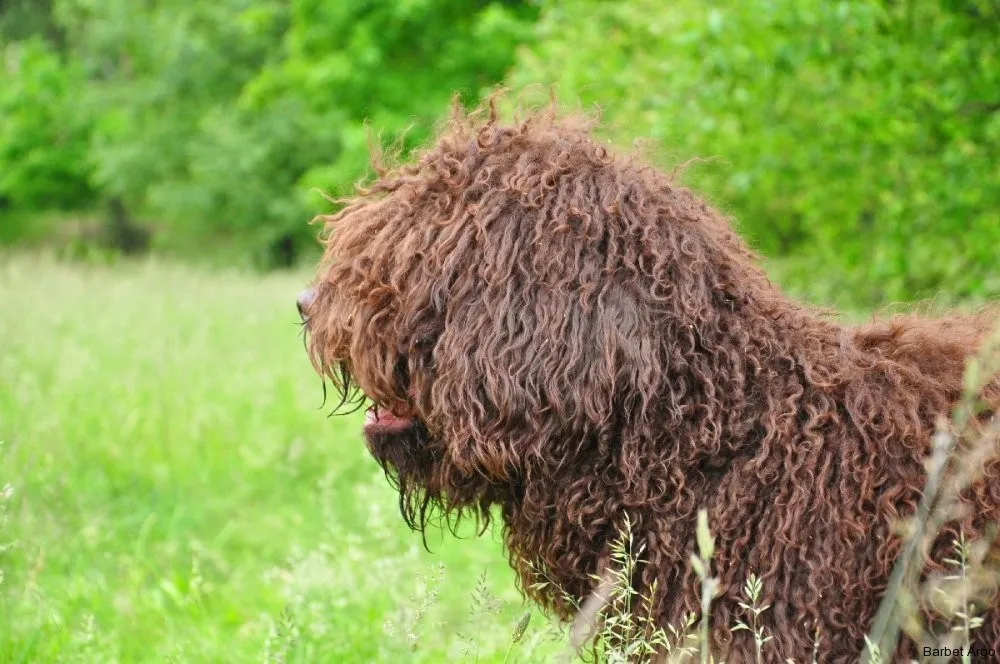
A Barbet's daily routine should focus on substantial physical activity and meticulous coat care. Provide one to two hours of exercise, ideally including swimming or brisk walks, to satisfy their athletic nature. Feed adult Barbets twice daily and use high-protein treats to reinforce positive behavior during short, engaging training sessions. Essential daily maintenance includes cleaning their beard after meals and checking their ears for moisture, while weekly deep brushing is necessary to prevent painful matting in their thick, curly coat. Maintain a consistent schedule to prevent anxiety and manage their retrieving instincts with games like fetch.
Routine need: 8 / 10
Vet Insights
Barbets are intelligent, eager-to-please water dogs that are generally easy to train with gentle, reward-based methods. They require one to two hours of daily exercise, ideally including swimming, and significant mental stimulation to prevent boredom. Their thick, curly coats are low-shedding but demand meticulous grooming and weekly deep brushing to prevent matting and ensure overall health.