Skip to content

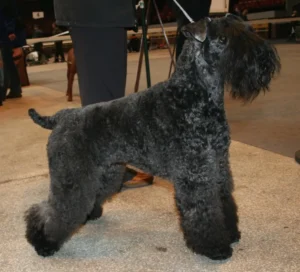
Kerry Blue Terrier Training Profile

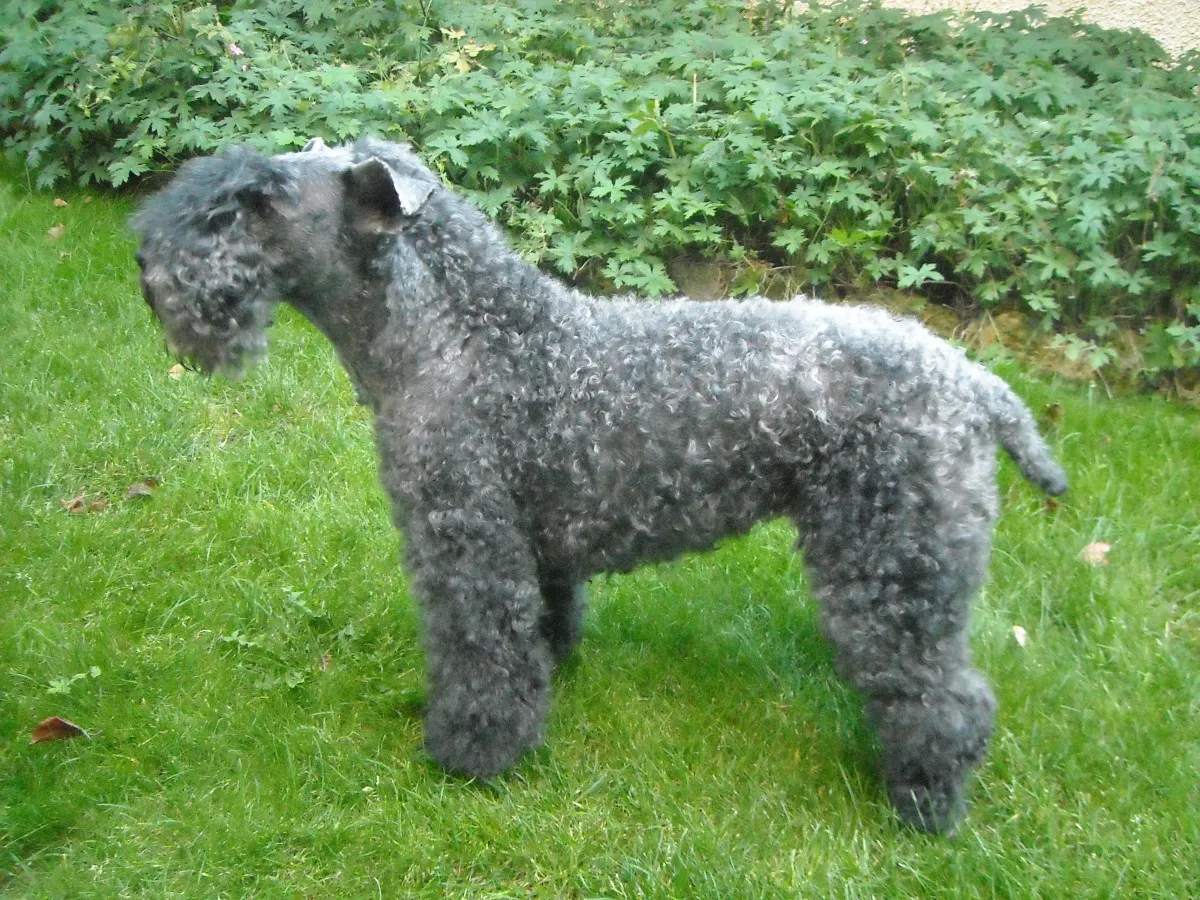
Kerry Blue Terriers are spirited and intelligent but possess a stubborn streak that requires patient, consistent leadership. They respond best to short, engaging sessions using positive reinforcement. Early socialization and vigorous daily exercise are essential to manage their high energy and independent nature, preventing boredom and potential destructive behaviors.

TRAINABILITY

Stubborn

3 out of 10

MENTAL STIMULATION NEEDS

High Needs

8 out of 10

LOVE FOR GRUB

Picky Eater

3 out of 10

TRAINING FAQ

Are Kerry Blue Terriers easy to train?

Independent

4 out of 10

Kerry Blue Terriers are highly intelligent but possess a spirited, independent nature that makes training a moderate challenge. While they are quick learners capable of mastering complex tasks, their stubborn streak and strong prey drive mean they require firm, consistent leadership and the right motivation to stay engaged. They respond best to positive reinforcement and short, varied sessions that prevent boredom, as they are likely to ignore commands if they find something more interesting. Success depends on early socialization and establishing clear boundaries to manage their tenacious terrier instincts.
Somewhat Stubborn

4 out of 10

Kerry Blue Terriers are famously strong-willed and independent, often exhibiting a stubborn streak that can challenge even experienced owners. While highly intelligent, they do not blindly follow orders and may choose to ignore commands if they find something more interesting or if they sense a lack of firm leadership. To succeed, training must be consistent and engaging, utilizing positive reinforcement and high-value rewards to earn their respect and cooperation.
Needs Patience

1 out of 10

Train your Kerry Blue Terrier puppy using firm, gentle, and consistent positive reinforcement to manage their independent and spirited nature. Start early with extensive socialization and leash training, using high-value treats and praise to keep sessions engaging. Focus on mental stimulation through trick work and scent games to prevent boredom, and maintain a steady routine to establish clear leadership.

Challenging

3 out of 10

Potty training a Kerry Blue Terrier typically takes several months, as they are intelligent but known for being somewhat willful and slow to housebreak. Success relies on extreme patience, high consistency, and a rigid schedule for meals and outdoor breaks. Using a crate and providing lavish praise or high-value treats immediately after they relieve themselves outside are effective strategies to overcome their stubborn streak.

Above Average

7 out of 10

Kerry Blue Terriers are high-energy dogs that require at least 60 minutes of vigorous daily exercise. They benefit from multiple brisk walks, supplemented with activities like jogging, hiking, or agility training. Consistent movement and mental stimulation are essential to prevent boredom and destructive behaviors in this spirited breed.

High Needs

8 out of 10

A Kerry Blue Terrier’s daily routine should focus on high physical activity and structured mental enrichment. Provide at least 60 minutes of vigorous exercise, ideally split into a brisk on-leash morning walk and an evening off-leash session or hike in a secure area. Feed adult Kerries twice daily and maintain a consistent schedule to manage their independent and spirited nature. Daily care must include at least 15-20 minutes of mental stimulation through scent games, puzzle toys, or positive reinforcement training to prevent boredom-related behaviors like digging. Ensure they have quality indoor time for rest and family interaction, as these loyal companions thrive on being part of the household environment.

VET INSIGHTS

Kerry Blue Terriers are spirited and intelligent but possess a stubborn streak requiring consistent, patient leadership. This high-energy breed needs at least sixty minutes of vigorous daily exercise and regular mental stimulation to prevent boredom. While loyal companions, they can be challenging to housebreak and have a strong prey drive, making early socialization and positive reinforcement training essential.

Photo
Reviewed by
Dr. Vojtech Gabriel
DVM · PhD · MBA
Veterinarian Researcher Dog breed specialist
Verified

Explore Other Breed TRAINING PROFILES