Miniature American Shepherd Health and Costs
Breed Group
Herding Dogs
Country of Origin
United States
Breed Size
Medium
AKC Recognition
Yes, recognized in 2015
FCI Recognition
Yes, recognized in 2019
Rarity
Most Common1 / 10
Purchase cost
Moderate to Expensive6 / 10
Life expectancy
Long Lifespan7 / 10
Health
Fairly healthy6 / 10
Health problem risk
Moderate health concerns4 / 10
Maintenance cost
Moderate upkeep cost4 / 10
A Veterinarian's Guide
Miniature American Shepherd Health Problems and Costs
The Miniature American Shepherd packs the intelligence and drive of a herding dog into a medium-small frame, and most of its health risks can be planned for. A handful of inherited issues repeat in the breed: a drug-sensitivity gene called MDR1, several eye conditions, and joint problems of the hips and kneecaps. Knowing them before you bring a puppy home, or while you already share your life with one, makes screening and vet visits easier to plan.
In this guide

What Is the MDR1 Gene Mutation, and Why Does It Matter?
Tell every veterinarian, groomer and pet sitter your dog's MDR1 status before any medication is given, even a common one, and repeat it at every new clinic or emergency visit.
MDR1 stands for multidrug resistance gene 1. The mutation affects a protein that normally pumps certain drugs out of the brain, so affected dogs can react badly to doses that are safe for other dogs. PetMD advises that every Miniature American Shepherd be tested, because the mutation can cause serious reactions to drugs such as ivermectin and some chemotherapy drugs. Washington State University's veterinary lab adds that loperamide, the anti-diarrhea ingredient in Imodium, should be avoided in dogs with the mutation.
Only a DNA test shows whether an individual dog carries the mutation. Once you know, share the result with everyone who might give your dog a drug. It takes one conversation to prevent a genuine medical emergency.
- 01
Tremors
Shaking or twitching after a new medication.
- 02
Excessive drooling
Heavy drooling that is unusual for your dog.
- 03
Weakness or wobbling
Stumbling or difficulty standing.
- 04
Collapse
The dog becomes unresponsive or cannot get up.
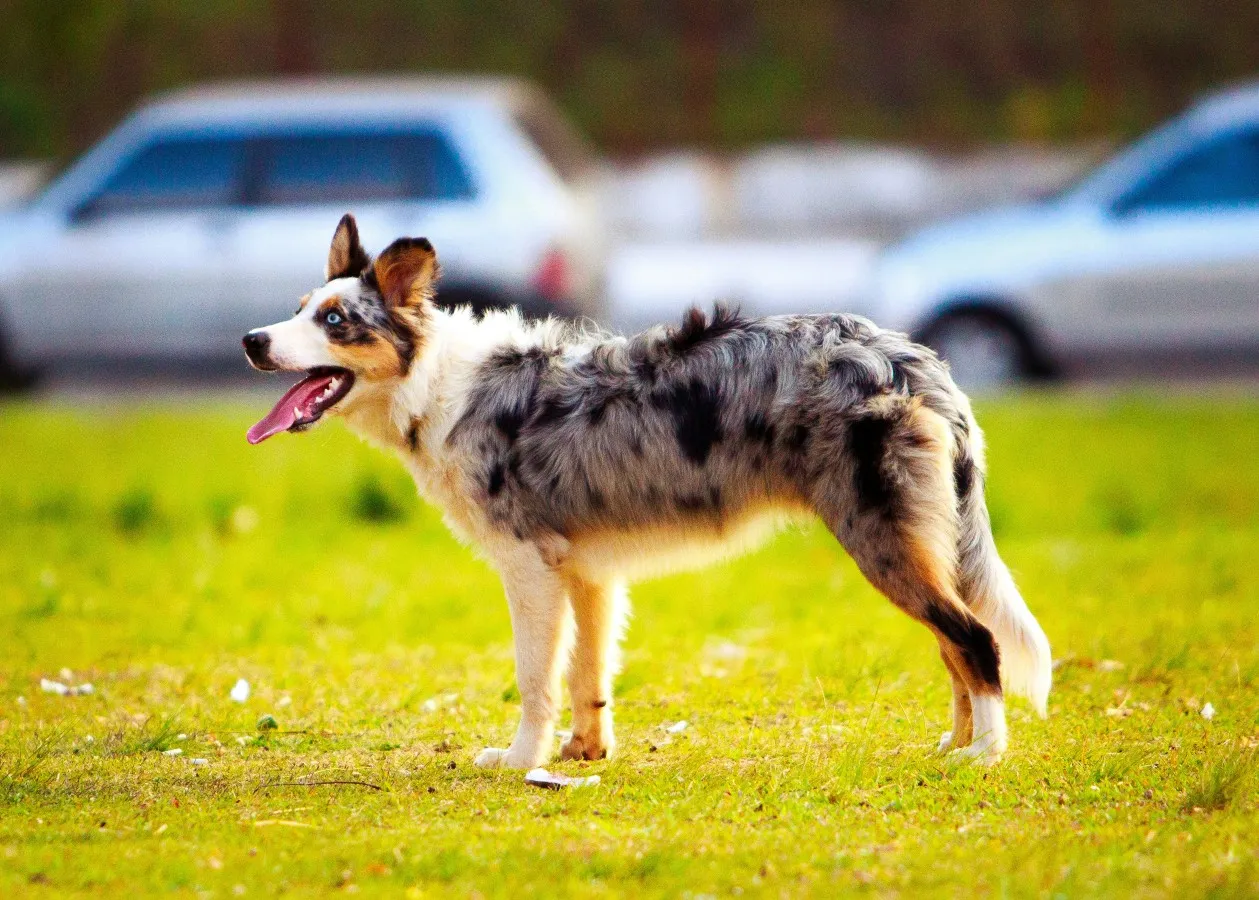
Which Eye Conditions Does This Breed Need Screening For?
Collie eye anomaly, or CEA, is an inherited, congenital condition in which the inner layers of the eye develop abnormally. According to PetMD, some affected dogs go blind while others show no symptoms, and there is no treatment. Because it is present from birth, it is best checked early in a puppy's life by a veterinary ophthalmologist.
Progressive retinal atrophy, or PRA, is a gradual breakdown of the retina that usually shows up between ages 3 and 9, and there is no cure, though blind dogs can still live well. Hereditary cataracts, a clouding of the lens, can sometimes be treated with surgery. The UC Davis breed health panel includes DNA tests for CEA, PRA-prcd and Australian Shepherd-type hereditary cataracts. The breed club also recommends an ophthalmologist evaluation for breeding dogs. Cloudiness, redness, squinting, or a dog that starts bumping into furniture should be seen promptly rather than watched.
Hips and Kneecaps
Hip dysplasia, an inherited malformation of the hip joint that leads to looseness, pain and arthritis over time, is listed for the breed, along with patellar luxation, where the kneecap slides out of its normal groove. The word comes from the Latin patella, "small dish," and luxare, "to dislocate." PetMD notes that hip dysplasia can be managed with weight control, exercise, physical therapy and pain medication, and that the most severe cases of patellar luxation may need orthopedic surgery. The breed club recommends a hip evaluation for breeding dogs.
A dog that tires faster on walks, seems stiff after resting, skips or hops on one back leg, or starts avoiding stairs deserves an orthopedic exam. Extra weight worsens both conditions, so measure meals by weight and check at home for a visible waist from above and ribs you can feel but not see.
Other Conditions Worth Knowing
The UC Davis panel also tests for degenerative myelopathy, an inherited nerve disease that gradually weakens the hind legs, and for hyperuricosuria, a high uric acid level in the urine that can lead to bladder or kidney stones. Wikipedia also lists iris coloboma, a hole in the iris present from birth, which PetMD says is neither painful nor progressive. Dragging hind paws, straining to urinate, or blood in the urine all deserve a visit rather than a wait.
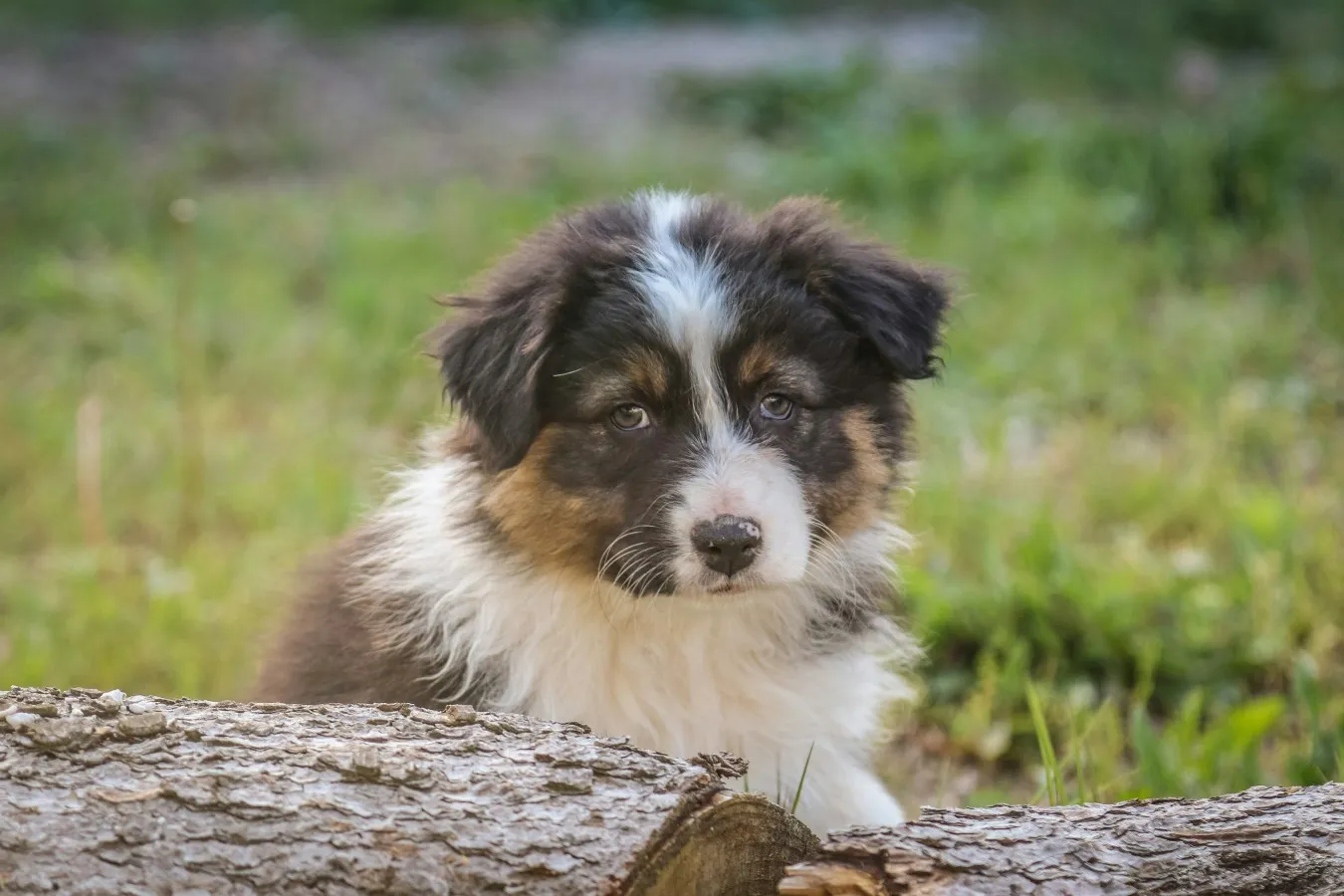
What Does Managing a Miniature American Shepherd's Health Actually Cost?
| Condition or Need | Typical Cost Range | Notes |
|---|---|---|
| MDR1 or eye DNA test | $40 to $80 per test | One-time, worth doing early |
| Annual eye exam | $150 to $250 | Veterinary ophthalmologist |
| Hip radiographs (certified) | $250 to $450 | Before breeding, ideally |
| Hip dysplasia management (non-surgical) | $300 to $800 a year | Weight control, medication, rehab |
| Patellar luxation surgery | $1,500 to $3,500 per knee | Only for more severe cases |
Questions to Ask a Breeder Before Buying a Puppy
Ask for MDR1 results for both parents, along with eye and hip clearances, since the breed club recommends hip and ophthalmologist evaluations for breeding dogs. Ask about CEA, PRA and cataract screening too, and whether the kneecaps were evaluated. A breeder who shares this paperwork freely is usually well informed about the breed's other health needs as well.
It is also worth asking whether the puppies themselves were tested for MDR1, because each puppy in a litter can inherit a different status. Knowing it early avoids guesswork when a medication decision has to be made quickly.
Daily Life With a Miniature American Shepherd
These are working dogs that prefer to be kept busy. PetMD suggests at least an hour of exercise a day, ideally two, plus mental stimulation such as training or dog sports, and the personality profile explains the drive behind it. Early training suits an eager, clever herding dog.
The double coat sheds year-round and more heavily in spring or fall, so brushing a couple of times a week, and daily during heavy shedding, keeps it comfortable, as the grooming profile describes. It is also a good moment to look at the eyes, ears and skin.
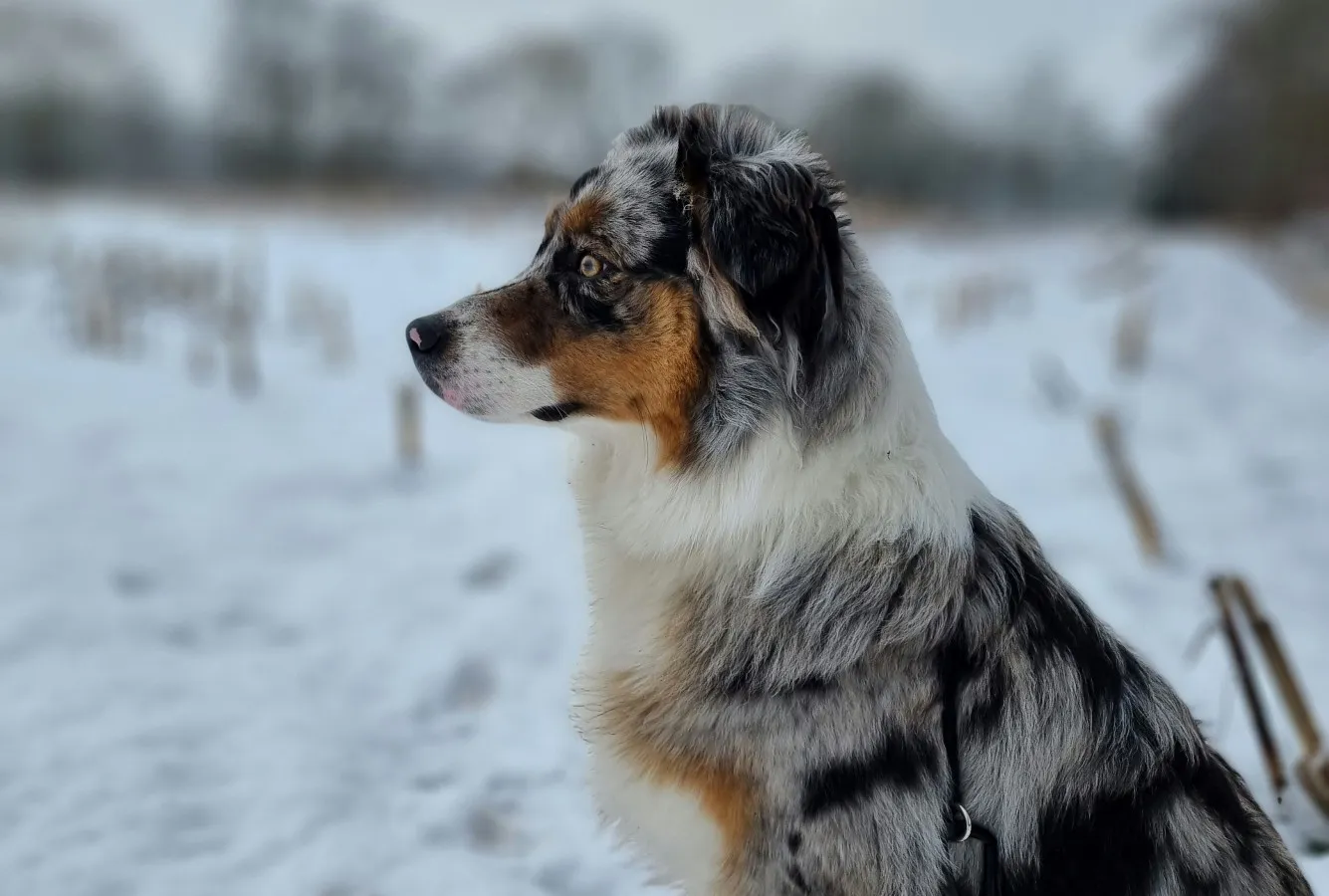
Keeping Your Miniature American Shepherd Healthy for the Long Run
Test for MDR1 and share the result, schedule eye exams, and keep your dog lean to protect the hips and knees. Report any limp, change in vision or change in the way your dog moves. Pet insurance is worth pricing while your dog is young and healthy.
Final Thoughts From a Veterinarian
Miniature American Shepherds usually live 12 to 13 years. Test for MDR1, tell every clinic the result, screen the eyes and hips, and keep your dog lean. Your veterinarian can tailor the plan.
Health & Costs FAQ
How much do Miniature American Shepherd cost?
The cost of a Miniature American Shepherd typically ranges from $1,200 to $3,500 when purchased from a reputable breeder. Prices vary based on lineage, coat color, and location. Prospective owners should also budget for initial supplies, vaccinations, and long-term health maintenance for this active breed.
Purchase cost: 6 / 10
How long do Miniature American Shepherd live?
Miniature American Shepherds typically live 12 to 13 years. A lean weight, regular exercise, eye screening, and consistent veterinary care help them stay active and comfortable into their senior years.
Life expectancy: 7 / 10
Are Miniature American Shepherd healthy dogs?
Miniature American Shepherds are generally healthy but have a clear list of inherited concerns, including the MDR1 drug-sensitivity mutation, Collie eye anomaly, progressive retinal atrophy, cataracts, hip dysplasia, and patellar luxation. MDR1 testing, eye screening, and a lean weight help prevent trouble.
Health: 6 / 10
What health problems do Miniature American Shepherd have?
Miniature American Shepherds can carry the MDR1 mutation, which causes drug sensitivity, and can develop Collie eye anomaly, progressive retinal atrophy, hereditary cataracts, hip dysplasia, and patellar luxation. Degenerative myelopathy and hyperuricosuria are also on the breed's DNA panel. Testing for MDR1 and eye screening catch or prevent most problems early.
Health problem risk: 4 / 10
Are Miniature American Shepherd expensive to maintain?
Miniature American Shepherds have moderate upkeep costs. The double coat needs brushing a couple of times a week and daily during heavy shedding, and this active breed needs training or dog sports for mental stimulation. Routine veterinary care, genetic testing, and eye exams are the other main expenses.
Maintenance cost: 4 / 10
How much does it cost to own a Miniature American Shepherd per month?
Expect to spend between $100 and $200 per month to own a Miniature American Shepherd. This covers food, routine veterinary care, grooming supplies, and preventive medication. Costs rise with eye problems, joint disease, or other medical conditions.
Monthly ownership cost: 3 / 10
How much does pet insurance cost for a Miniature American Shepherd?
Pet insurance for a Miniature American Shepherd typically costs between $35 and $65 per month, depending on the dog's age and coverage level. Premiums often increase as your dog gets older. A policy is worth pricing while your dog is young, since hereditary eye and joint conditions can be costly.
Pet insurance cost: 3 / 10
Will homeowners insurance cover a Miniature American Shepherd?
Yes, most homeowners insurance policies cover Miniature American Shepherds, as they are not typically found on restricted breed lists. However, since every insurer has different guidelines, it is best to verify your liability coverage with your agent.
Homeowners insurance difficulty: 9 / 10
Are Miniature American Shepherd on insurance restricted breed lists?
No, Miniature American Shepherds are not typically found on insurance restricted-breed lists. These lists generally target larger breeds perceived as higher liability risks. As a medium-small herding breed, they are usually covered under standard policies, though each insurer sets its own rules.
Insurance restriction risk: 2 / 10
Can you get renters insurance with a Miniature American Shepherd?
Yes, you can typically obtain renters insurance with a Miniature American Shepherd. This breed is rarely included on restricted lists. Always disclose your pet to your provider and review your lease to confirm there are no pet restrictions.
Renters insurance difficulty: 8 / 10