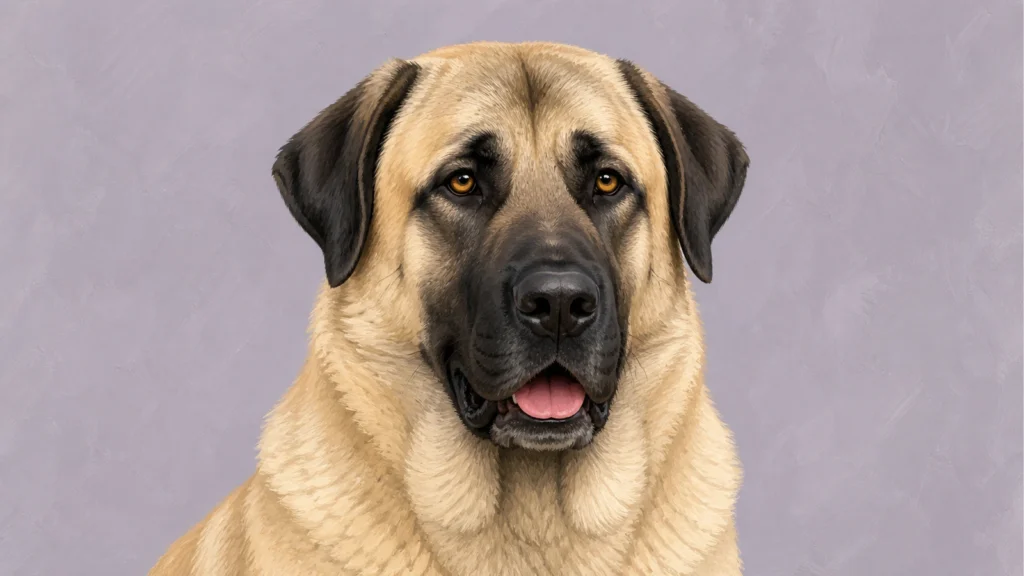
Kangal Shepherd Dog
Breed Group
Working Dogs
Country of Origin
Turkey
Breed Size
Giant
AKC Recognition
No
FCI Recognition
No
Family dog
Not Recommended1 / 10
Good with kids
Not Recommended1 / 10
First-time owner
Poor2 / 10
Apartment dog
Good6 / 10
Yard need
Below Average6 / 10
Can be left alone
Above Average6 / 10
What Do Owners Want to Know?
Are Kangal Shepherd Dog good family dogs?
The Kangal Shepherd Dog can be a loyal and gentle family companion, especially with children, provided they are well-socialized from a young age. However, due to their massive size, protective instincts, and independent nature, they are better suited for experienced owners who can provide firm leadership and a rural environment. Supervision is essential around children because of their extreme strength and guardian temperament.
Family dog: 1 / 10
Are Kangal Shepherd Dog good with kids?
Kangal Shepherd Dogs are generally gentle, patient, and protective of children within their own family, often earning the nickname nanny dogs. Due to their massive size and extreme strength, they are better suited for homes with older, dog-savvy children, as they can accidentally knock over or injure toddlers during play. Constant supervision and early socialization are essential to ensure these powerful guardians remain calm and well-behaved around younger family members.
Good with kids: 1 / 10
Are Kangal Shepherd Dog good for first-time owners?
Kangal Shepherd Dogs are not recommended for first-time owners due to their massive size, extreme strength, and independent nature. They require experienced handlers who can provide firm, confident leadership and consistent training to manage their protective instincts and stubborn streak. Additionally, their need for significant space and mental stimulation makes them better suited for rural environments than standard suburban or urban settings.
First-time owner: 2 / 10
Are Kangal Shepherd Dog good apartment dogs?
Kangal Shepherd Dogs are generally not suited for apartment living due to their massive size, independent nature, and deep-rooted instinct to roam and guard large territories. They require significant space and a large, securely fenced yard to thrive, and they may become restless or destructive if confined to a small indoor environment. Additionally, their protective barking and powerful presence can make them a challenge for close-quarters living in urban settings.
Apartment dog: 6 / 10
Do Kangal Shepherd Dog need a yard?
A large, securely fenced yard is highly recommended for a Kangal Shepherd Dog to accommodate their massive size and natural instinct to roam and patrol. While they can be mellow indoors, they thrive with significant outdoor space and may become restless or destructive if confined to environments that do not allow them to exercise their innate guarding behaviors.
Yard need: 6 / 10
Can Kangal Shepherd Dog be left alone?
Kangal Shepherd Dogs are highly independent and can tolerate being alone for moderate periods, as they are bred to work autonomously in the field. However, they are not needy and often prefer to co-exist quietly rather than seek constant attention. While they can manage solitude if their exercise and space needs are met, they still require a strong bond with their owners and may become bored or destructive if left without mental stimulation or a sense of purpose for too long.
Can be left alone: 6 / 10
Are Kangal Shepherd Dog good with cats?
Kangal Shepherd Dogs can coexist well with cats, especially when raised together from a young age, as they often bond with and protect all members of their "flock." While their massive size and potential prey drive require careful supervision and slow introductions, they are generally known to be gentle and tolerant with familiar household animals. Consistent training is necessary to ensure their protective instincts do not lead to accidental harm during play.
Good with cats: 9 / 10
Are Kangal Shepherd Dog aggressive?
Kangal Shepherd Dogs are not naturally aggressive toward their family but possess powerful protective instincts, often guarding through intimidation rather than physical conflict. While they are renowned as "gentle giants" with children, they are intensely territorial and can be wary or even aggressive toward strange people and other dogs. Early socialization and consistent training are critical to ensure their natural guardian tendencies remain focused on legitimate threats and do not become a liability in social settings.
Aggression tendency: 6 / 10
Are Kangal Shepherd Dog high-energy dogs?
Kangal Shepherd Dogs are mellow working guardians that possess a calm, observant temperament and relatively low indoor energy levels. Despite their placid appearance, they are powerful athletes that require significant daily activity and space to satisfy their deep-rooted instincts to roam and patrol. Without an active role or structured mental and physical outlets, these independent giants can become bored and develop destructive habits like excessive digging or barking.
Energy level: 4 / 10
How much exercise does a Kangal Shepherd Dog need?
Kangal Shepherd Dogs are powerful working guardians that require approximately 1 to 2 hours of daily activity to remain healthy and mentally sharp. They thrive on tasks that simulate their heritage, such as long boundary patrols, brisk walks, and secure off-leash exploration. Owners should prioritize low-impact play for puppies to protect developing joints and ensure they have a large, securely fenced space to satisfy their natural instinct to roam.
Exercise need: 5 / 10
Can Kangal Shepherd Dog live in hot weather?
Kangal Shepherd Dogs possess a high tolerance for hot weather, having evolved to endure the blazing summers of the Anatolian plateau. They can handle temperatures up to 40°C, provided they have access to shaded rest areas and constant hydration. To prevent overheating, owners should limit intense physical activity to the cooler morning or evening hours.
Hot weather tolerance: 9 / 10
Can Kangal Shepherd Dog live in cold weather?
Kangal Shepherd Dogs are exceptionally resilient and well-suited for cold weather, thanks to their dense, weather-resistant double coats that insulate them against extreme temperatures as low as -30°C. While they thrive in stable winter conditions, owners should monitor for premature shedding during unseasonable warm spells, which can leave them vulnerable if freezing temperatures return suddenly.
Cold weather tolerance: 5 / 10
Are Kangal Shepherd Dog banned in apartments or rentals?
Kangal Shepherd Dogs are often subject to apartment breed bans due to their massive size, protective guarding instincts, and record-breaking bite force. Their need for significant space and potential liability risks often make them ineligible for standard rental insurance or corporate housing policies. Prospective owners should thoroughly research local legislation and individual landlord restrictions, as these dogs are generally best suited for rural environments.
Rental restriction risk: 6 / 10
Vet Insights
The Kangal Shepherd Dog is a robust breed, but as a veterinarian, I focus on several specific health predispositions. Due to their massive size, they are prone to hip and elbow dysplasia, as well as osteoarthritis, making weight management and joint support essential. This breed is notably sensitive to anesthesia, which requires careful planning for any surgical procedures. Owners must also be vigilant for Gastric Dilation Volvulus (bloat), a life-threatening emergency common in deep-chested dogs, and eye conditions like entropion. Early socialization is critical to manage their powerful protective instincts and ensure they remain manageable companions.