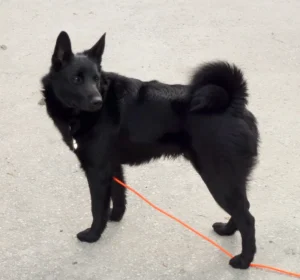
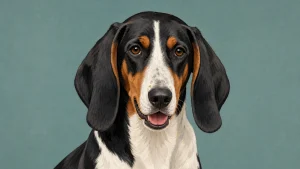
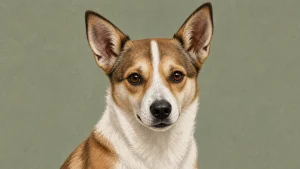
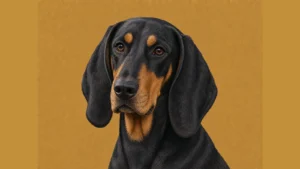
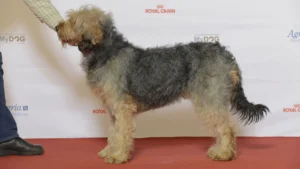
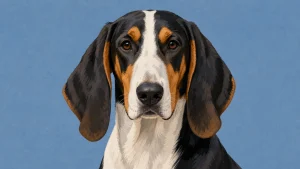
Basset Fauve de Bretagne Personality Profile
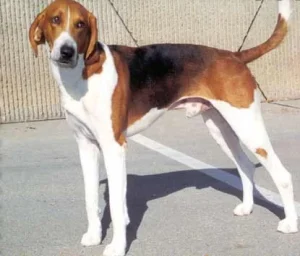
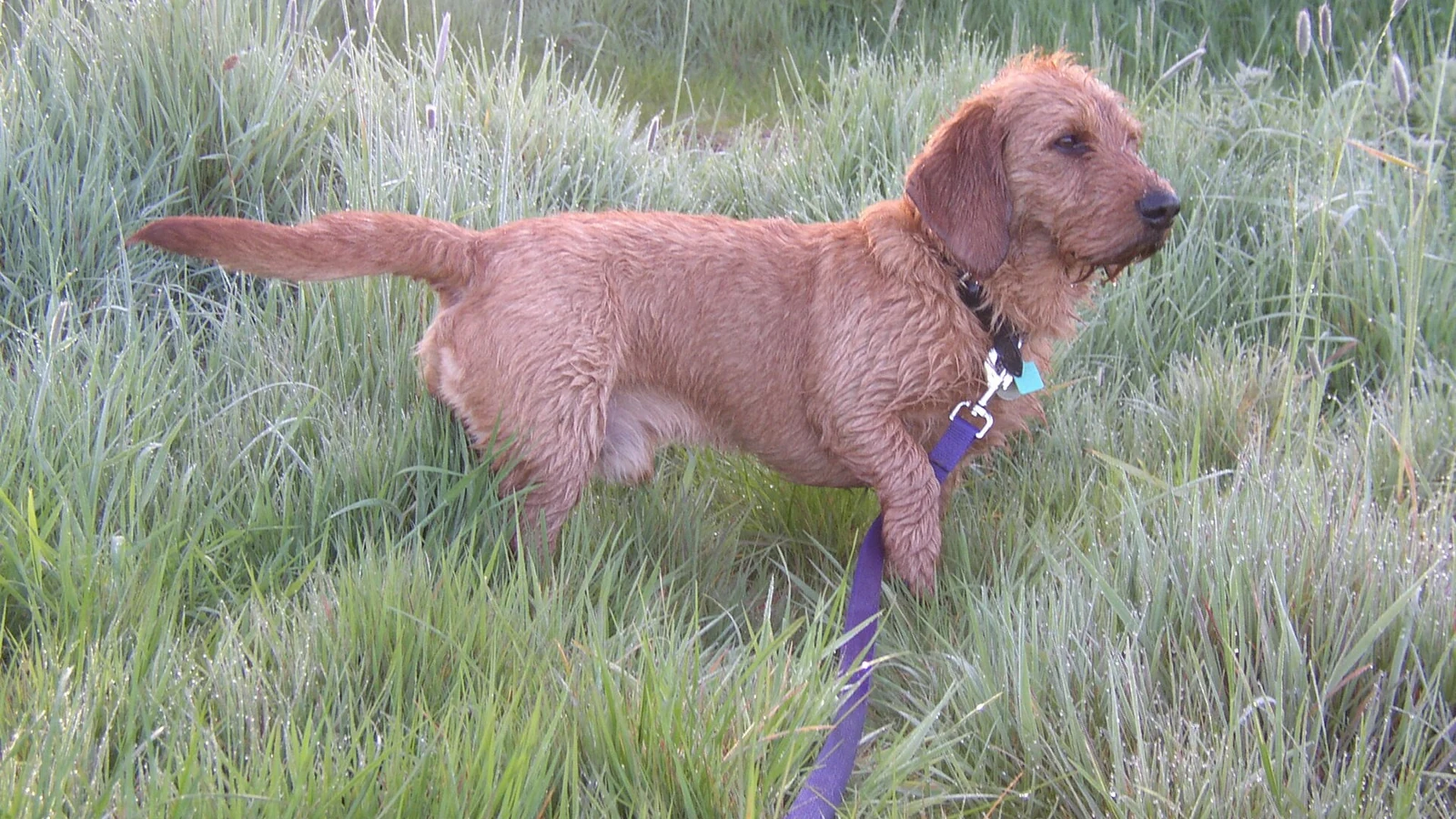
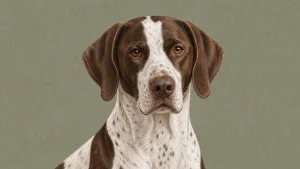
The Basset Fauve de Bretagne is a smart, lively scenthound known for being exceptionally affectionate and family-oriented. While possessing an independent hunting streak, they form deep bonds and thrive on companionship. These friendly, social dogs are vocal and alert, making excellent watchdogs, though they typically welcome newcomers warmly once properly introduced.
FRIENDLINESS
Very Friendly
8 out of 10
ATTACHMENT
Very Affectionate
8 out of 10
PLAYFULNESS
Moderate
6 out of 10
TEMPERAMENT FAQ
Are Basset Fauve de Bretagnes smart?
Above Average
6 out of 10
The Basset Fauve de Bretagne is a smart and lively scenthound. They learn quickly but have a strong independent streak driven by their nose. Training requires patience, positive reinforcement, and engaging methods to keep their attention, as they can easily become distracted by interesting scents.
Do Basset Fauve de Bretagnes like to cuddle?
Affectionate
7 out of 10
These dogs are very affectionate and form strong bonds with their families. They love being included in household activities and enjoy cuddling up with their owners after a long day of outdoor adventures. They are social and thrive on positive human interaction.
Do Basset Fauve de Bretagnes get separation anxiety?
Clingy
8 out of 10
Because they are highly social pack hounds, they prefer companionship and can develop separation anxiety if left alone for extended periods. They thrive when they have company, either human or another dog, and require adequate exercise to stay calm when isolated.
Do Basset Fauve de Bretagnes bark a lot?
Vocal
8 out of 10
As hunting hounds, they have a natural instinct to vocalize and will bark or bay when they catch a scent or get excited. They also make alert watchdogs, barking to announce visitors. Consistent training is needed to prevent nuisance barking indoors.
Are Basset Fauve de Bretagnes protective?
Non-Protective
2 out of 10
They are alert and will let you know when strangers approach, but they are generally too friendly to be aggressive guard dogs. They typically welcome newcomers once properly introduced. Early socialization helps ensure they remain well-adjusted and friendly toward visitors.
VET INSIGHTS
Because they are highly social pack hounds, they prefer companionship and can develop separation anxiety if left alone for extended periods. They thrive when they have company, either human or another dog, and require adequate exercise to stay calm when isolated.
Reviewed by
Dr. Vojtech Gabriel
DVM · PhD · MBA
Veterinarian
Researcher
Dog breed specialist
✓
Verified