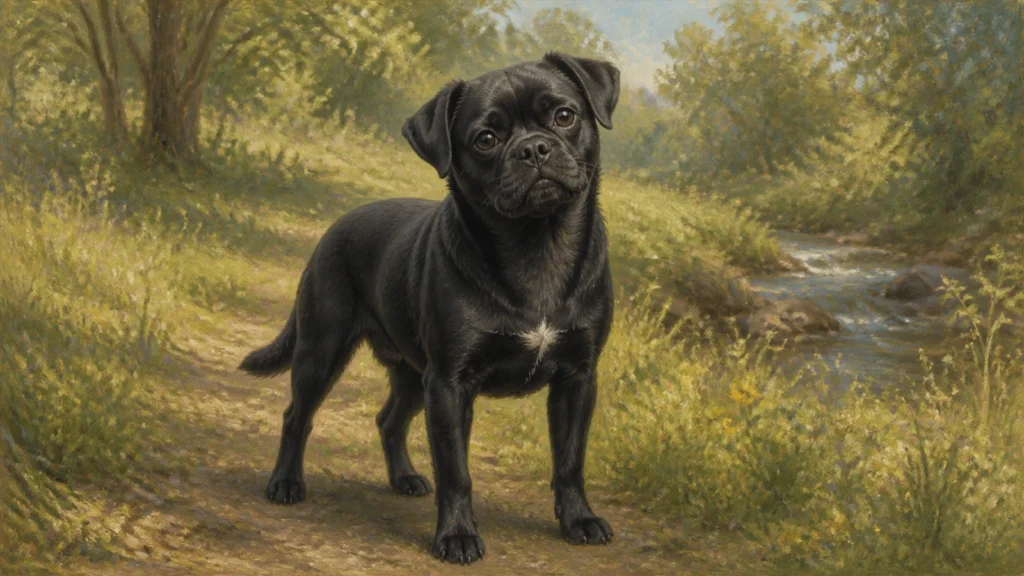
Pugador Training Profile
Breed Group
Hybrid Dogs
Country of Origin
United States
Breed Size
Medium
AKC Recognition
No
FCI Recognition
No
Mental stimulation needs
High Needs8 / 10
Trainability
8 / 10
Picky eater
Picky Eater3 / 10
Easy to train
Quick Learner8 / 10
Training stubbornness
Cooperative8 / 10
Puppy training
Good8 / 10
Training FAQ
Are Pugador easy to train?
Pugadors are generally easy to train, inheriting the intelligence and eager-to-please nature of the Labrador Retriever alongside the Pug's friendly personality. While they can occasionally exhibit a short attention span or a slight stubborn streak, they are considered quick learners who respond well to consistency. Using positive reinforcement and high-value treats is the most effective way to keep these cooperative dogs engaged and focused during training.
Easy to train: 8 / 10
Are Pugador stubborn to train?
Pugadors are typically cooperative and eager to please, inheriting the friendly nature of both Pugs and Labradors. While they can occasionally show a stubborn streak or short attention span, they respond exceptionally well to consistent, reward-based training and high-value treats to keep them engaged.
Training stubbornness: 8 / 10
How do you train a Pugador puppy?
Train your Pugador puppy using positive reinforcement and short, fun sessions to match their friendly and cooperative nature. Focus on early socialization and basic commands like sit, stay, and recall. Because they can occasionally have a short attention span, maintain a consistent routine and avoid harsh corrections. Use high-value treats and praise to motivate this intelligent Labrador-Pug mix throughout their development.
Puppy training: 8 / 10
How difficult is potty training in Pugador?
Potty training a Pugador typically takes 4 to 6 months. This intelligent and cooperative Labrador-Pug mix responds well to positive reinforcement and structured routines. Success relies on consistent scheduling, crate training, and frequent outdoor breaks to help them master household rules with confidence and ease.
Potty training difficulty: 8 / 10
How many walks does a Pugador need?
Pugadors typically require two daily walks, totaling about 45 to 60 minutes of exercise. As a cross between the active Labrador and the food-motivated Pug, they need consistent activity to maintain a healthy weight and prevent obesity. Always monitor their breathing and energy levels during exercise, particularly in warmer weather, to ensure they do not overheat due to potential brachycephalic traits from the Pug parent.
Walking need: 8 / 10
What is the best daily routine for a Pugador?
A Pugador's daily routine should balance the energy of a Labrador with the physical limitations of a Pug. Provide 50 to 60 minutes of daily activity, including two short 15-20 minute walks during cooler hours to prevent overheating. Feed puppies three to four times daily and adults twice, using slow feeders or measured portions to manage their high food motivation and prevent obesity. Essential daily care includes 5-10 minute training sessions with high-value treats and cleaning any facial wrinkles with dog-safe wipes to prevent infection. Ensure they have a quiet place for 12-14 hours of rest and access to a fenced yard for low-intensity play and mental stimulation.
Routine need: 5 / 10
Vet Insights
Pugadors are intelligent Labrador-Pug mixes that are cooperative and eager to please. They respond brilliantly to positive reinforcement, despite occasional stubbornness. Potty training typically takes four to six months. These dogs require high mental stimulation and significant daily exercise but need careful monitoring to prevent overheating. Their routine includes regular wrinkle care and managed feeding for optimal health.