Alpine Dachsbracke Grooming Profile
COAT TYPE
Double Coat
SHEDDING
Moderate
GROOMING SKILL
Easy
TRAINING FAQ
Are Alpine Dachsbrackes hypoallergenic?
Moderate
Alpine Dachsbrackes are a middling choice for allergy sufferers. Their double coat sheds a moderate, steady amount of hair and dander, which may be manageable for mild allergies but isn't enough to call this breed hypoallergenic.
Do Alpine Dachsbrackes shed a lot?
Moderate
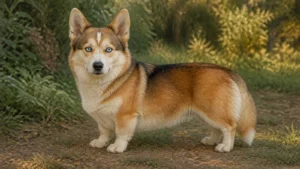
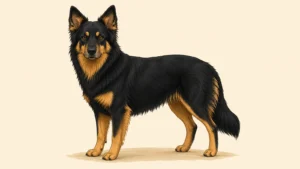
The Alpine Dachsbracke has a thick double coat designed to protect them from harsh mountain weather. They shed moderately throughout the year, with heavier shedding periods occurring during the spring and autumn as they transition their coats.
How often should you groom your Alpine Dachsbracke?
Weekly brushing
To maintain an Alpine Dachsbracke's weather-resistant double coat, brush them weekly to manage moderate shedding. They are relatively easy to groom at home and only require occasional baths.
Are Alpine Dachsbrackes low maintenance dogs?
Moderate
Alpine Dachsbrackes are not low-maintenance dogs. While their grooming needs are minimal, they are highly energetic hunting dogs that require significant daily exercise and mental stimulation.

How big do Alpine Dachsbrackes get?
Medium
The Alpine Dachsbracke is a short-legged, sturdy scenthound. They typically stand 13 to 16 inches tall at the shoulder and weigh between 33 and 40 pounds.

When do Alpine Dachsbrackes usually stop growing?
18-24 months
Alpine Dachsbrackes typically reach their full adult height by 12 to 15 months of age, but they continue to fill out and gain muscle mass until they reach full physical maturity at 18 to 24 months.
How much should a Alpine Dachsbracke eat?
1.5-2.5 cups
An adult Alpine Dachsbracke typically requires 1.5 to 2.5 cups of high-quality dry food daily, divided into two meals. Adjust portions based on their activity level and monitor their weight closely.
How often should a Alpine Dachsbracke eat?
3 meals/day
Alpine Dachsbracke puppies should be fed three times a day with a high-quality puppy formula to support their growth and energy needs. Once they reach about six months of age, you can transition them to a twice-daily feeding schedule.