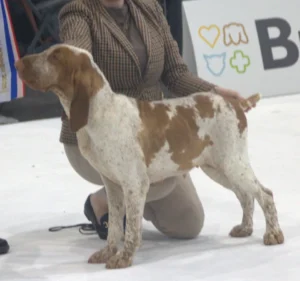
Boxador Grooming Profile
COAT TYPE
Smooth/Short
SHEDDING
Moderate
GROOMING SKILL
Easy
TRAINING FAQ
Are Boxadors hypoallergenic?
Worst Choice
Boxador are considered to have moderate allergy-friendly tendencies. They possess a smooth/short coat that has moderate shedding. Their grooming needs are easy. Boxadors are not hypoallergenic as they produce dander and shed, which are common allergy triggers.
Do Boxadors shed a lot?
Average
Boxadors carry a short, dense coat inherited from both parent breeds and shed at a moderate, fairly constant rate year-round. Weekly brushing is usually enough to catch loose hair before it ends up on the couch. Shedding picks up somewhat during seasonal coat changes in spring and fall.
How often should you groom your Boxador?
Weekly brushing
To maintain a Boxador's short coat, brush them weekly to manage moderate shedding. They only require occasional baths. Regular ear cleaning is essential to prevent infections.
Are Boxadors low maintenance dogs?
Moderate
Boxadors are moderate-maintenance dogs. While their grooming needs are relatively easy, they are highly energetic and require significant daily exercise and mental stimulation to prevent boredom.
How big do Boxadors get?
Large
Boxadors are large, athletic dogs. They typically stand 20 to 25 inches tall at the shoulder and weigh between 50 and 110 pounds, depending on which parent breed they favor.
When do Boxadors usually stop growing?
12-18 months
Boxadors typically reach their full adult height by 12 to 18 months of age, but they continue to fill out and gain muscle mass until they reach full physical maturity around two years old.
How much should a Boxador eat?
3-5 cups
An adult Boxador typically requires 3 to 5 cups of high-quality dry food daily, divided into two meals. Adjust portions based on their size, age, and high activity level.
How often should a Boxador eat?
3-4 meals/day
Boxador puppies should eat three to four small meals daily through about six months, then transition to two meals a day. This energetic Boxer-Labrador cross grows fast, so steady portions matter for healthy joint development. A veterinarian can help fine-tune amounts based on your puppy's individual growth pace.