Toy Fox Terrier Health and Costs
Breed Group
Toy Dogs
Country of Origin
United States
Breed Size
Small
AKC Recognition
Yes, recognized in 2003
FCI Recognition
No
Rarity
Common3 / 10
Purchase cost
Moderate5 / 10
Life expectancy
Long Lifespan8 / 10
Health
Generally healthy7 / 10
Health problem risk
Mild health concerns3 / 10
Maintenance cost
Low maintenance cost2 / 10
A Veterinarian's Guide
Toy Fox Terrier Health Problems and Costs
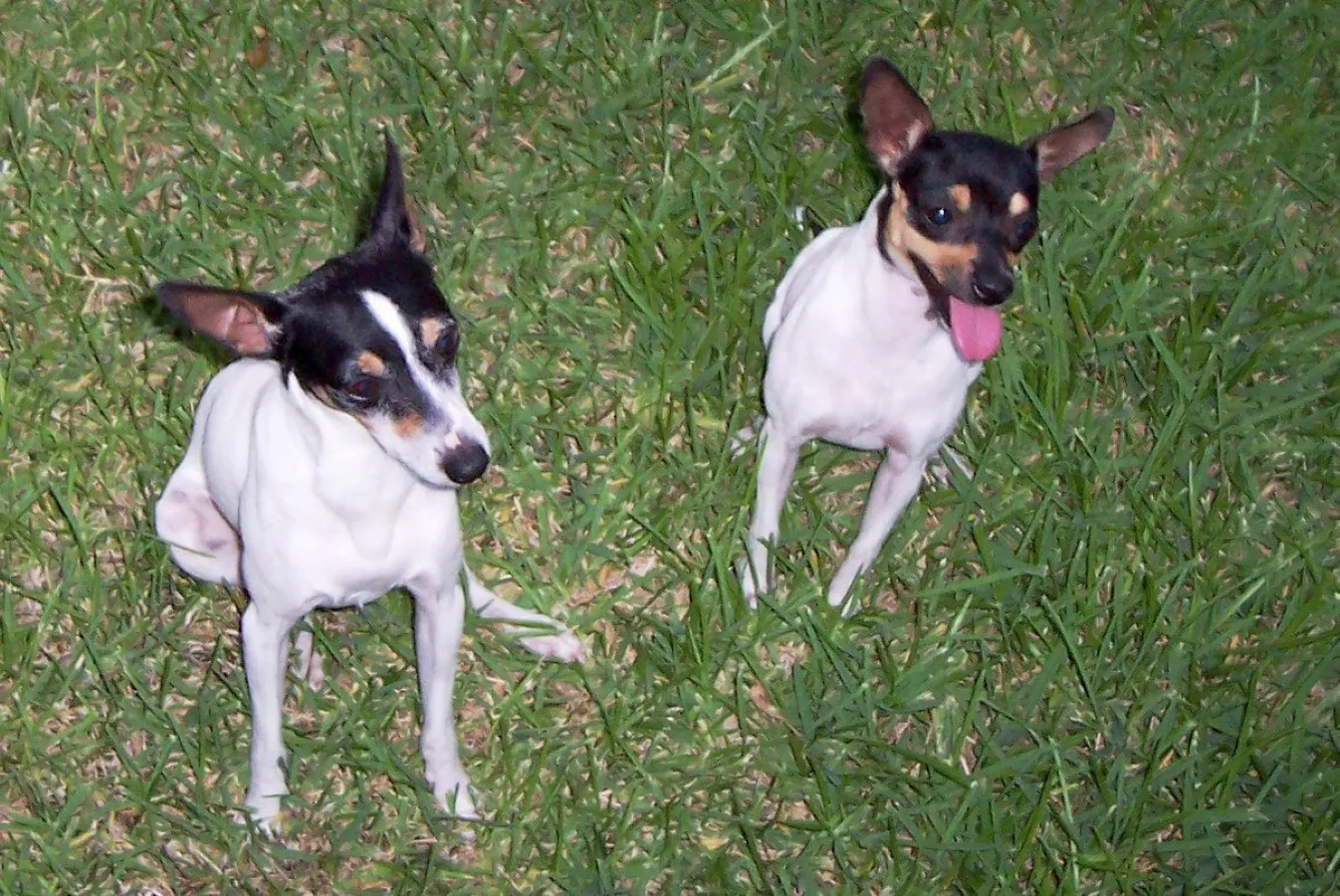
The Toy Fox Terrier is a small, alert and lively dog that often lives well into its teens. Most of its health questions are ones an owner can plan for: a clotting disorder called von Willebrand's disease, kneecap and hip problems, crowded teeth, and the weight control any tiny dog needs. Knowing them before you bring a puppy home, or while you already share your life with one, makes screening and vet visits much easier to plan.
In this guide

What Is Von Willebrand's Disease and Why Does It Matter Here?
Tell every veterinarian about von Willebrand's disease before any surgery, even a routine spay, neuter or dental cleaning, and ask whether testing is sensible first.
Von Willebrand's disease is an inherited bleeding disorder caused by a missing or faulty clotting protein, and it is one of the conditions most often listed for this breed. Affected dogs may bleed longer than expected after an injury or an operation, even though they look completely well day to day.
A blood test can tell your veterinarian whether a dog is affected well before anything is scheduled. With that knowledge the surgical team can prepare, for example by having clotting support ready, and a dog that tests positive can still be treated safely. Bleeding gums or repeated nosebleeds with no clear cause are worth a call to your veterinarian, even if they stop on their own.
What Kneecap and Hip Problems Can Toy Fox Terriers Have?
Patellar luxation means the kneecap slips out of its normal groove. It is common in small and toy dogs and ranges from an occasional skip in the stride, where the dog briefly holds a back leg up, to constant lameness that needs surgery. A lean body and a calm landing from jumps both take pressure off the knee. The AKC health testing page for the Toy group lists a patella evaluation among the tests recommended for the Toy Fox Terrier.
Legg-Calve-Perthes disease affects the hip joint of young, growing dogs. The top of the thigh bone loses part of its blood supply and slowly breaks down, which usually shows up as limping or reluctance to put weight on a back leg during the first year of life. Surgery to remove the damaged bone usually gives small dogs a comfortable, active life, so a limp in a young puppy is worth an early visit.
Why Do Dental Care and Weight Matter So Much?
Small mouths crowd the teeth together, which lets plaque and tartar build up quickly. Untreated, periodontal disease, an infection of the gums and the tissue around the teeth, can cause pain and tooth loss, and bacteria from the mouth can reach other organs. Daily brushing started in puppyhood is the most useful habit an owner can build, and the Merck Veterinary Manual explains what regular care involves.
Weight deserves the same attention. In a dog this small, even a pound or two of extra weight is a large share of body weight, and it adds stress to the kneecaps and makes anesthesia for dental work riskier. Measure meals and keep treats few and tiny.
What About the Thyroid and Eyes?
The same AKC page also recommends a thyroid evaluation and a test for primary lens luxation, a condition in which the lens inside the eye slips out of position and can cause a painful, sudden change in vision. Ask your veterinarian whether either check makes sense for your dog. A red, cloudy or painful eye is never something to wait out.
- 01
Bleeding that will not stop
After an injury, a procedure, or a lost tooth.
- 02
Blood in the urine or from the gums
Pink, red or brown urine, or bleeding that repeats.
- 03
Sudden painful, red or cloudy eye
Squinting, pawing at the eye, or sudden vision loss.
- 04
Sudden inability to use a leg
Crying out, holding a leg up, or refusing to put weight on it after a fall.
What Does Managing a Toy Fox Terrier's Health Actually Cost?
| Condition or Need | Typical Cost Range | Notes |
|---|---|---|
| Routine yearly care | $150 to $300 | Exam and basic bloodwork |
| Von Willebrand's test | $50 to $150 | Ideally before any planned surgery |
| Professional dental cleaning | $300 to $1,000 | Recurring, more often without home care |
| Kneecap surgery | $1,500 to $3,000 | Only if the luxation is significant |
Figures vary by region and clinic, so ask your veterinarian for an estimate. Starting pet insurance while a dog is young and healthy is worth considering, because conditions already diagnosed are usually excluded later.
Questions to Ask a Breeder Before Buying a Puppy
Ask for the parents' von Willebrand's test results and patella evaluations, and for any thyroid and eye results the breeder has, using the AKC breed page as a starting point. A breeder who has never heard of testing for this breed is a meaningful warning sign. Our Toy Fox Terrier breed guide describes what to look for in the breed overall.
How Does Daily Life Affect a Toy Fox Terrier's Health?

Toy Fox Terriers are quick, curious and energetic, and about an hour of daily activity in walks and play suits most adults. That keeps weight steady and muscles strong around the knees. Their personality is lively and eager to please, which makes short, rewarding training sessions a good way to burn energy and practice calm behavior near stairs and furniture.
The short, smooth coat needs only light weekly grooming, which is also a good moment to check the skin. Patchy hair loss in a young dog can come from demodectic mange, an overgrowth of tiny skin mites, and deserves a veterinary visit. Ramps or steps for the sofa spare small knees from repeated jumps.
What Should Owners Expect Over a Lifetime?
Toy Fox Terriers often live 13 to 15 years. Dogs that stay lean, keep their teeth clean and are checked for the conditions above tend to do best. Yearly exams, with more frequent visits in the senior years, help catch problems while they are still easy to manage.
Final Thoughts From a Veterinarian
Toy Fox Terriers often live 13 to 15 years. Ask about von Willebrand's disease before any surgery, protect small knees from big jumps, brush teeth daily, keep weight lean, and treat a red, cloudy or painful eye as urgent. Your veterinarian can tailor the plan.
Health & Costs FAQ
How much do Toy Fox Terrier cost?
The cost of a Toy Fox Terrier typically ranges from $600 to $2,000 from a reputable breeder, while adoption fees are approximately $300. Owners should budget around $2,500 to $4,500 for the first year to cover initial supplies, vaccinations, and veterinary care for this small breed.
Purchase cost: 5 / 10
How long do Toy Fox Terrier live?
Toy Fox Terriers often live 13 to 15 years. To help them live a full life, keep them lean, brush their teeth daily, stay up to date on veterinary checkups, and ask your veterinarian about screening for von Willebrand's disease and kneecap problems.
Life expectancy: 8 / 10
Are Toy Fox Terrier healthy dogs?
Toy Fox Terriers are generally healthy dogs that often live 13 to 15 years. They are predisposed to a few conditions, including kneecap slipping (patellar luxation), a young-dog hip disorder (Legg-Calve-Perthes disease), von Willebrand's disease and dental disease, and obesity can add strain. Regular veterinary checkups and a lean weight help.
Health: 7 / 10
What health problems do Toy Fox Terrier have?
Toy Fox Terriers are susceptible to patellar luxation, Legg-Calve-Perthes disease, von Willebrand's disease and dental disease. Breeders can screen parents for several of these, and your veterinarian can advise on testing before surgery and on the checks that suit your dog.
Health problem risk: 3 / 10
Are Toy Fox Terrier expensive to maintain?
Toy Fox Terriers are affordable to maintain. Their short coat needs only light weekly grooming, and as small dogs they eat little. Routine veterinary care, with dental care as the main recurring expense, keeps overall ownership costs manageable.
Maintenance cost: 2 / 10
How much does it cost to own a Toy Fox Terrier per month?
Expect to spend between $150 and $200 per month to own a Toy Fox Terrier. This covers high-quality small-breed food, routine veterinary care, and preventative medications. Their low-maintenance coats help keep grooming costs down, though unexpected medical bills for breed-specific issues can increase monthly expenses.
Monthly ownership cost: 4 / 10
How much does pet insurance cost for a Toy Fox Terrier?
Pet insurance for a Toy Fox Terrier typically ranges from $30 to $55 per month. Since they are generally healthy, premiums are often more affordable than for larger breeds. Costs vary based on your location, the dog's age, and the specific coverage levels you choose.
Pet insurance cost: 3 / 10
Will homeowners insurance cover a Toy Fox Terrier?
Yes, most homeowners insurance policies are very likely to cover a Toy Fox Terrier. Because they are a small breed, they are rarely found on restricted lists. Always disclose your pet to your provider to confirm your liability coverage.
Homeowners insurance difficulty: 9 / 10
Are Toy Fox Terrier on insurance restricted breed lists?
Toy Fox Terriers are not commonly found on insurance restricted-breed lists, which usually target larger breeds. Policies differ by company, so confirm with your insurer.
Insurance restriction risk: 2 / 10
Can you get renters insurance with a Toy Fox Terrier?
Yes, you can typically get renters insurance with a Toy Fox Terrier, since they are rarely subject to breed restrictions. Always disclose your pet to your insurer and check your lease and any landlord pet rules.
Renters insurance difficulty: 8 / 10