Skip to content

Toy Poodle - MAIN HUB

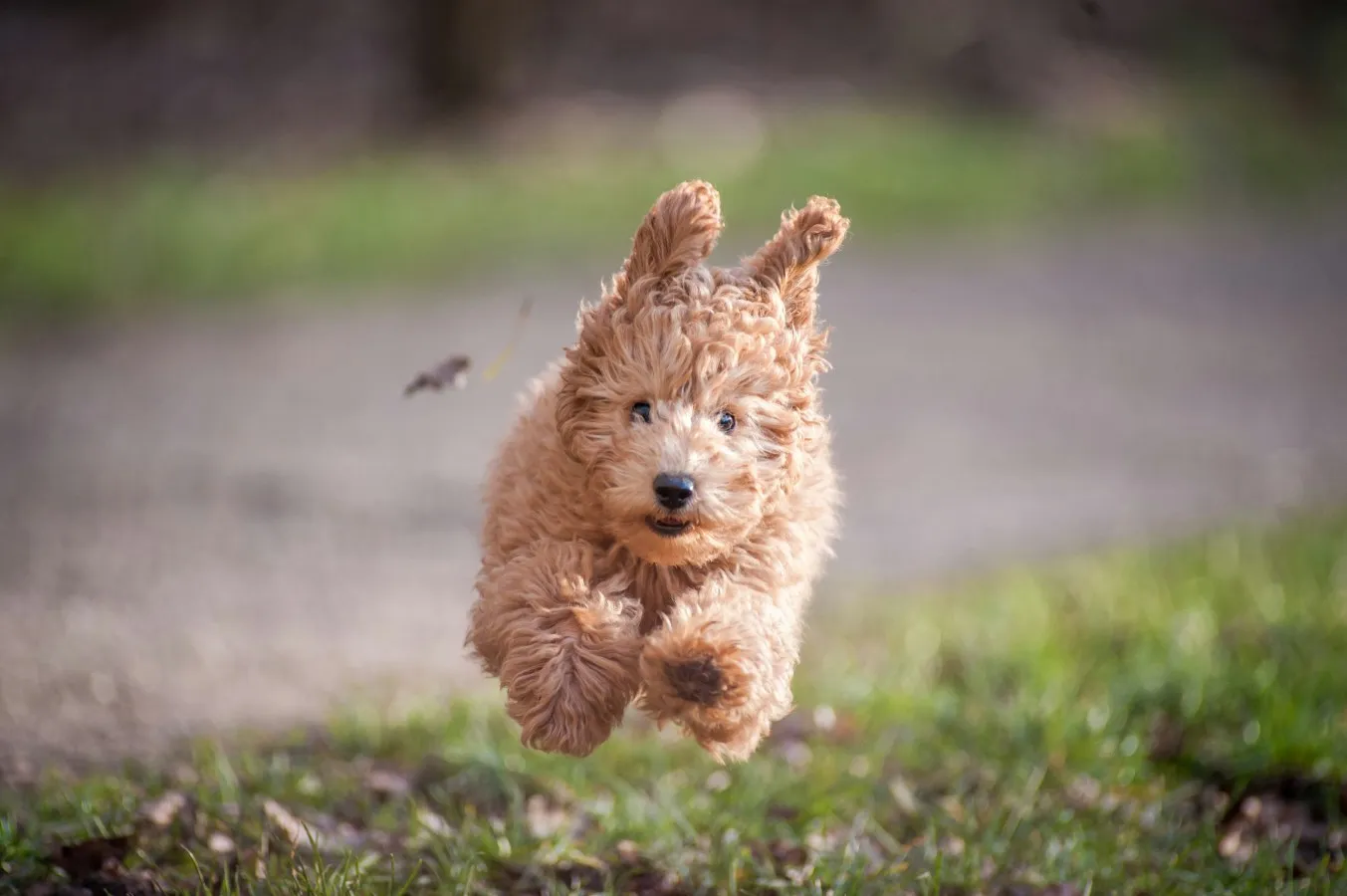
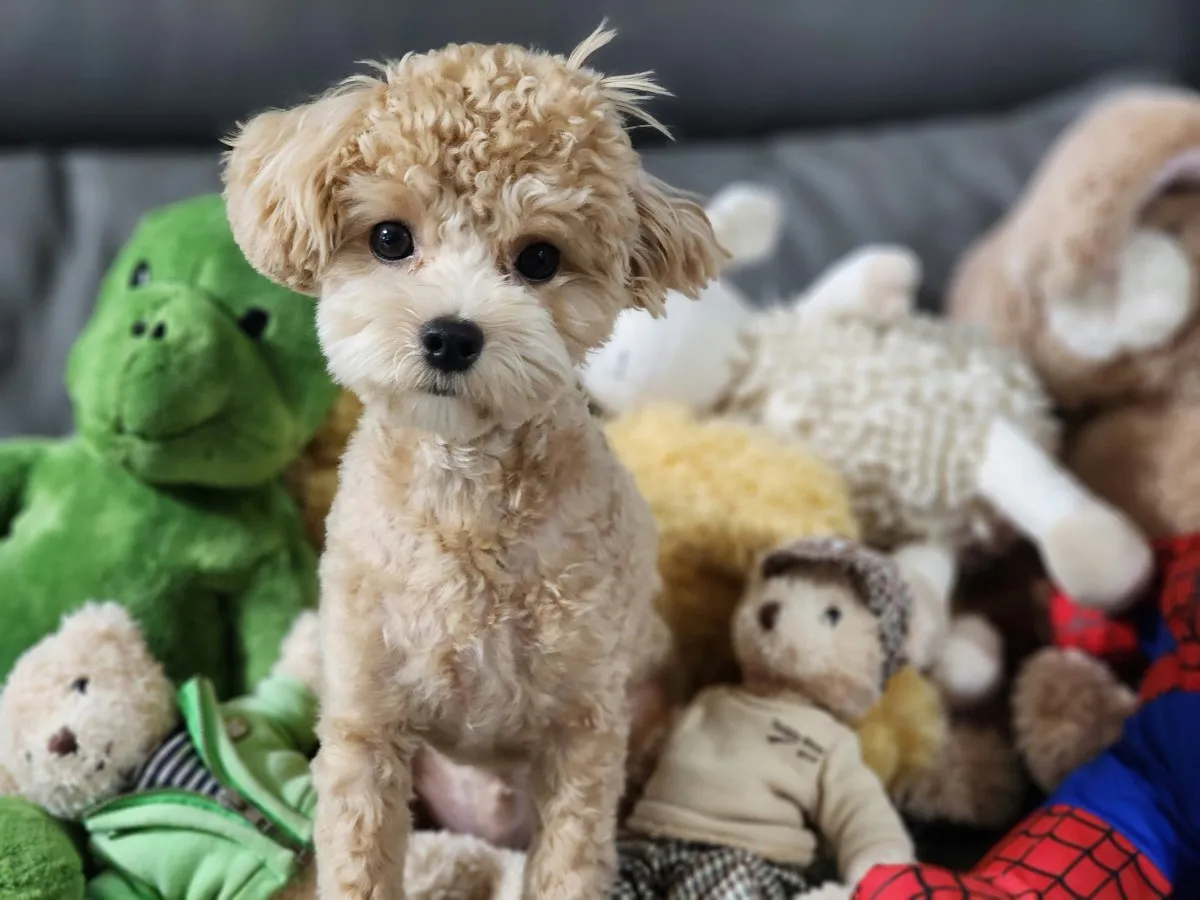
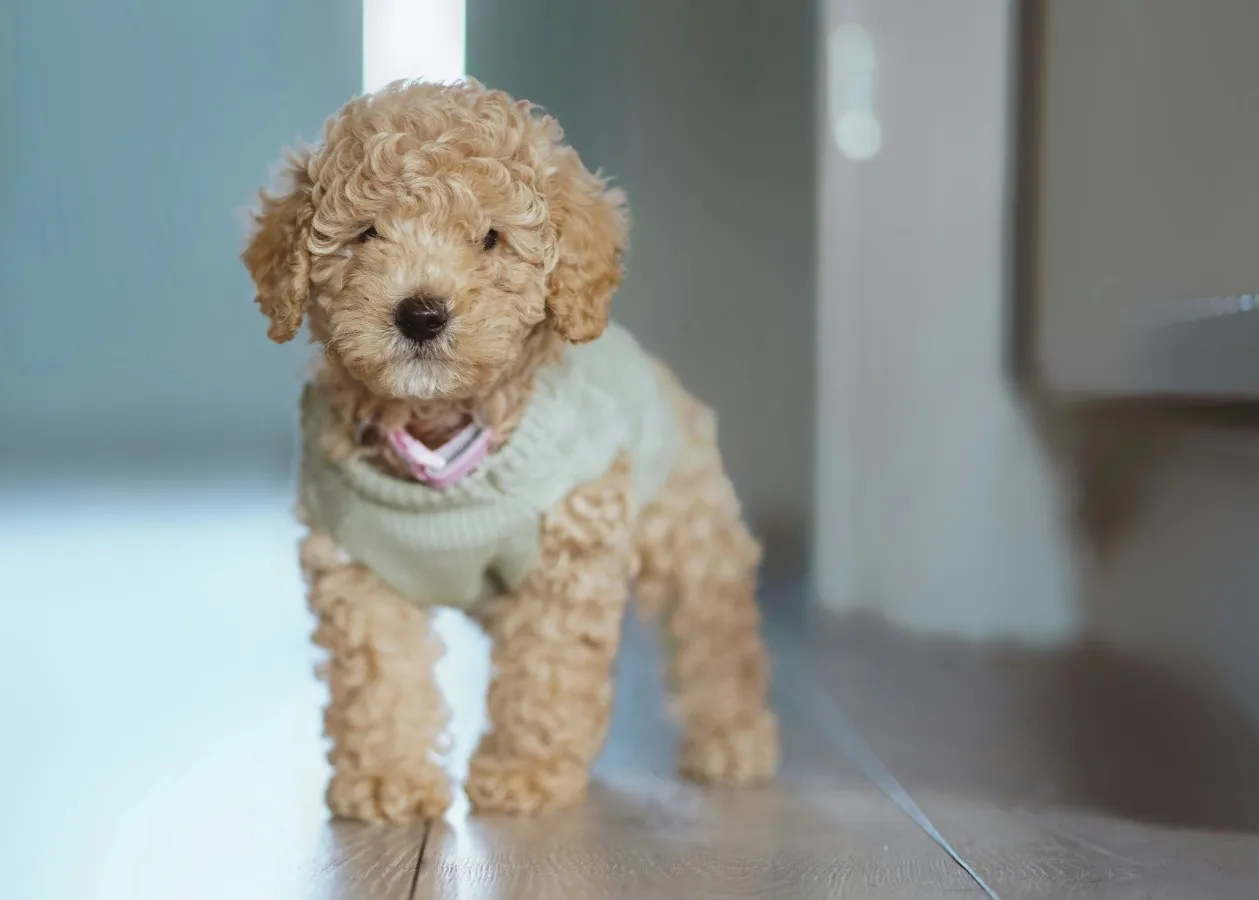
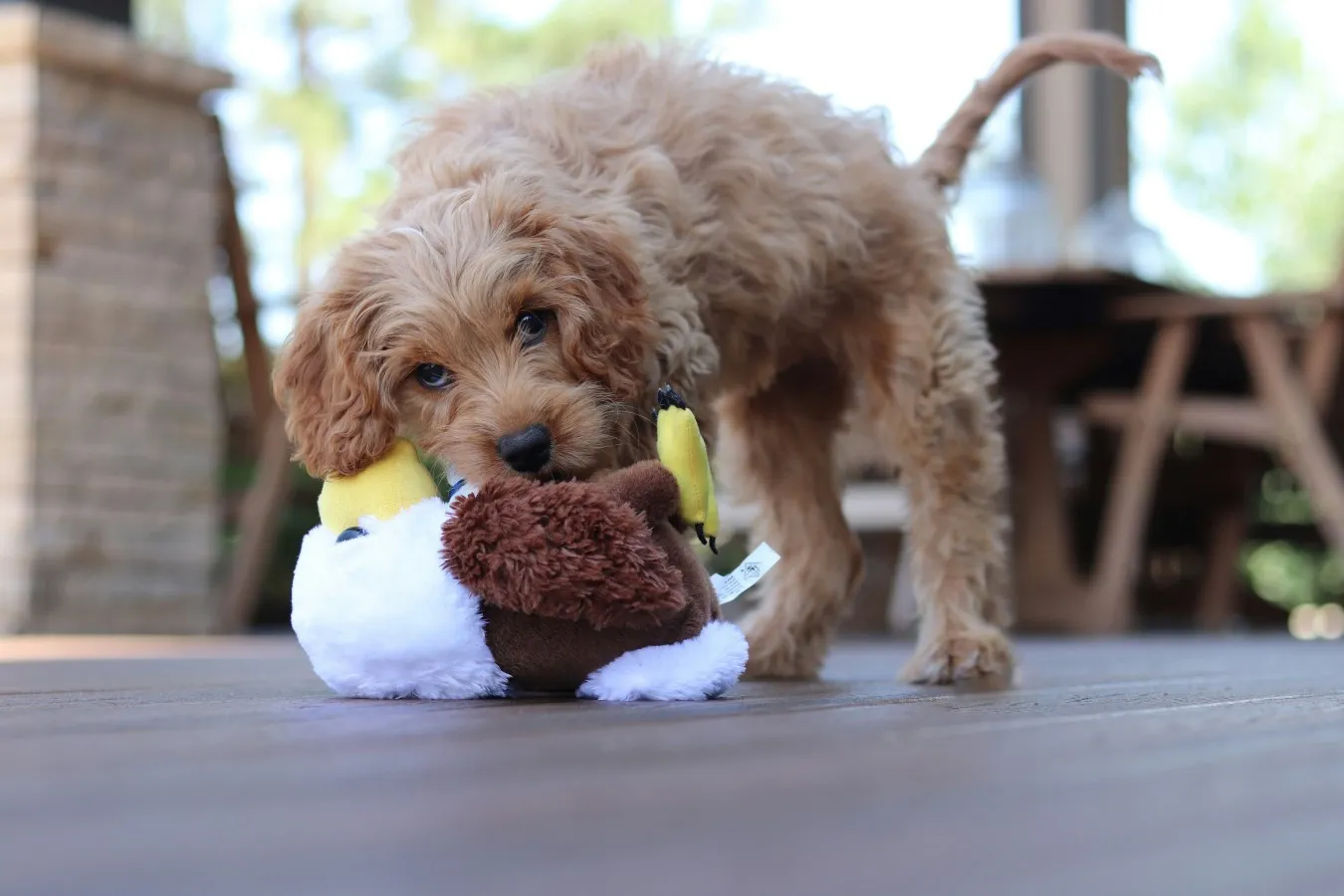
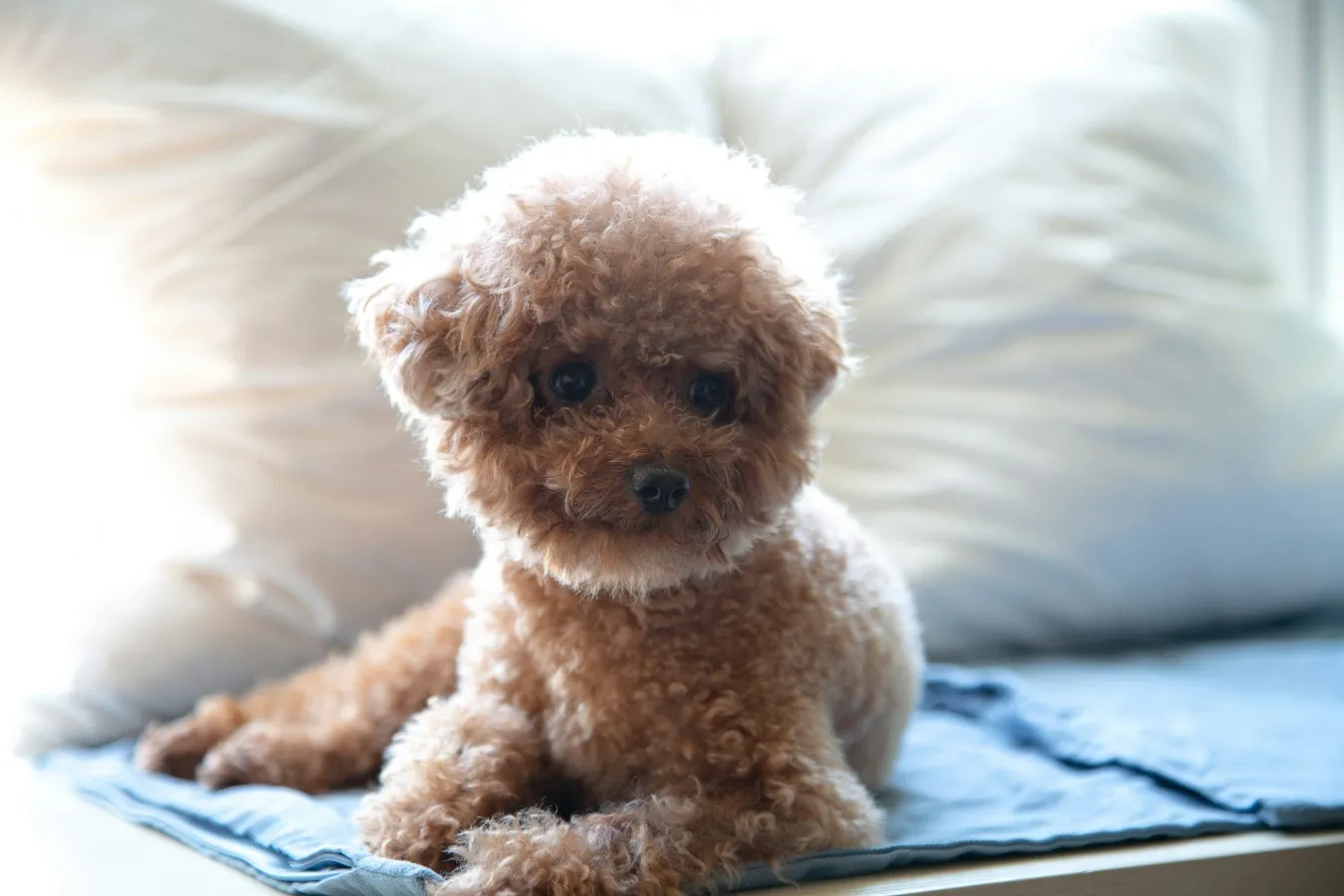
The Toy Poodle is a brilliant, tiny athlete with a huge heart. Hypoallergenic, highly trainable, and devoted—a perfect, lively city companion!

BREED GROUP

Toy Dogs

Country of origin

Germany / France

BREED SIZE

Toy

BREED HEIGHT

8 -

10 IN

20 -

25 cm

BREED WEIGHT

4 -

6 LB

2 -

3 KG

WHAT YOU NEED TO KNOW

The Toy Poodle is an exceptionally intelligent, elegant, and athletic companion originating from Germany and France. Renowned for their hypoallergenic, non-shedding curly coats, they are ideal for allergy sufferers but require professional grooming every six weeks. Despite their small stature, under 10 inches tall, they possess big personalities and high energy levels, needing daily exercise and significant mental stimulation. They are deeply affectionate, bonding closely with families, though their sensitivity can lead to separation anxiety. Highly trainable and eager to please, Toy Poodles excel in obedience and make wonderful, lively pets for attentive owners.
american kennel club (AKC) recognition

Yes

Breed was recognized in 1887.

International Canine Federation (FCI) recognition

Yes

Breed was recognized in 1955.
WHAT DO OWNERS WANT TO KNOW?

Are Toy Poodles good family dogs?

Excellent

10 out of 10

Toy Poodles are excellent family dogs due to their deeply affectionate nature and exceptional intelligence, which makes them highly trainable and eager to please. While their hypoallergenic coats are ideal for families with allergy sufferers, their sensitivity means they thrive best with attentive owners who can provide constant companionship. These lively, athletic dogs bond closely with their families and make wonderful, devoted pets.

Average

5 out of 10

Toy Poodles are affectionate and intelligent companions that generally get along well with children. However, due to their tiny, fragile stature, they are best suited for families with older, respectful children. Supervision is essential with younger kids to prevent accidental injury to these delicate, sensitive dogs.

Exceptional

10 out of 10

Toy Poodles are an excellent choice for first-time owners due to their exceptional intelligence and eager-to-please nature. They are highly trainable, adapting quickly to new commands and household routines. Their small size and portability make them manageable companions for novices seeking a smart, affectionate pet.

Exceptional

10 out of 10

Toy Poodles are excellent apartment dogs due to their compact size and high intelligence. They adapt easily to small living spaces and require minimal room for exercise. While energetic, their needs are met through daily walks and indoor play, making them perfect companions for city dwellers.

Not Required

10 out of 10

A yard is not strictly required for a Toy Poodle as they are highly adaptable to city living. While a fenced yard offers convenient potty breaks and safe play, their exercise needs can be fully met through daily walks and indoor mental stimulation.

Not Recommended

1 out of 10

Toy Poodles are highly social and bond intensely with their owners, making them prone to separation anxiety. While adults can tolerate moderate periods alone, they thrive best when someone is frequently present. Prolonged isolation may lead to destructive behaviors or restlessness, so consistent companionship is highly recommended.

Fair

8 out of 10

Toy Poodles generally get along well with cats, often sharing a similar size that minimizes safety risks. Their intelligent, affectionate nature helps them adapt to feline companions, especially when raised together. Early socialization and supervised introductions are key to ensuring they respect a cat's boundaries and live harmoniously.

Gentle

9 out of 10

Toy Poodles are not naturally aggressive and are typically known for being friendly and loyal. However, they can become reactive or protective if they lack proper socialization or training. Like all dogs, their temperament thrives with consistent, positive reinforcement and early exposure to various people and environments.

High

8 out of 10

Toy Poodles are energetic, high-spirited companions that require consistent daily exercise and mental stimulation. Despite their small size, they are lively and athletic, thriving on interactive play and walks. Without adequate activity and challenges for their sharp minds, they may become bored or develop destructive behaviors.

~30 min a day

4 out of 10

Toy Poodles require about 30 to 45 minutes of daily exercise. Despite their small size, they are energetic and intelligent, benefiting from brisk walks, indoor play, and mental challenges like puzzle toys. Regular activity is essential to prevent boredom and maintain their physical health and happy temperament.

Good

6 out of 10

Toy Poodles can tolerate warm weather with proper care, but their dense coats make them prone to overheating. Owners should keep their hair trimmed, provide constant access to shade and fresh water, and limit exercise to the cooler morning or evening hours to ensure their safety.

Good

6 out of 10

Toy Poodles can tolerate warm weather with proper care, but their dense coats make them prone to overheating. Owners should keep their hair trimmed, provide constant access to shade and fresh water, and limit exercise to the cooler morning or evening hours to ensure their safety.

Never Banned

10 out of 10

Toy Poodles are rarely subject to breed bans due to their tiny size and friendly reputation. They are widely accepted in most apartments and rental properties. Their hypoallergenic coats and minimal space requirements make them ideal for tenants, often avoiding the restrictions faced by larger or more aggressive-looking breeds.

WHAT DO OWNERS WANT TO KNOW?


Photo
Reviewed by
Dr. Vojtech Gabriel
DVM · PhD · MBA
Veterinarian Researcher Dog breed specialist
Verified

"Toy Poodles are delightful companions, but their small stature requires specific veterinary attention. Due to their compact mouths, they are highly prone to dental disease and overcrowding, making daily tooth brushing and professional cleanings essential. I frequently monitor this breed for orthopedic issues like patellar luxation and Legg-Calve-Perthes disease. Their floppy ears can trap moisture, leading to chronic infections if not kept clean and dry. Additionally, be aware of genetic predispositions to progressive retinal atrophy and heart conditions. Regular grooming is vital to prevent painful matting and skin irritations in their dense, curly coats."


Other Toy Dogs