American Hairless Terrier Health and Costs
Breed Group
Terrier Dogs
Country of Origin
United States
Breed Size
Small
AKC Recognition
Yes, recognized in 2016
FCI Recognition
No
Rarity
Common3 / 10
Purchase cost
Moderate5 / 10
Life expectancy
Long Lifespan9 / 10
Health
Generally healthy7 / 10
Health problem risk
Mild health concerns3 / 10
Maintenance cost
Low maintenance cost2 / 10
A Veterinarian's Guide
American Hairless Terrier Health Problems and Costs
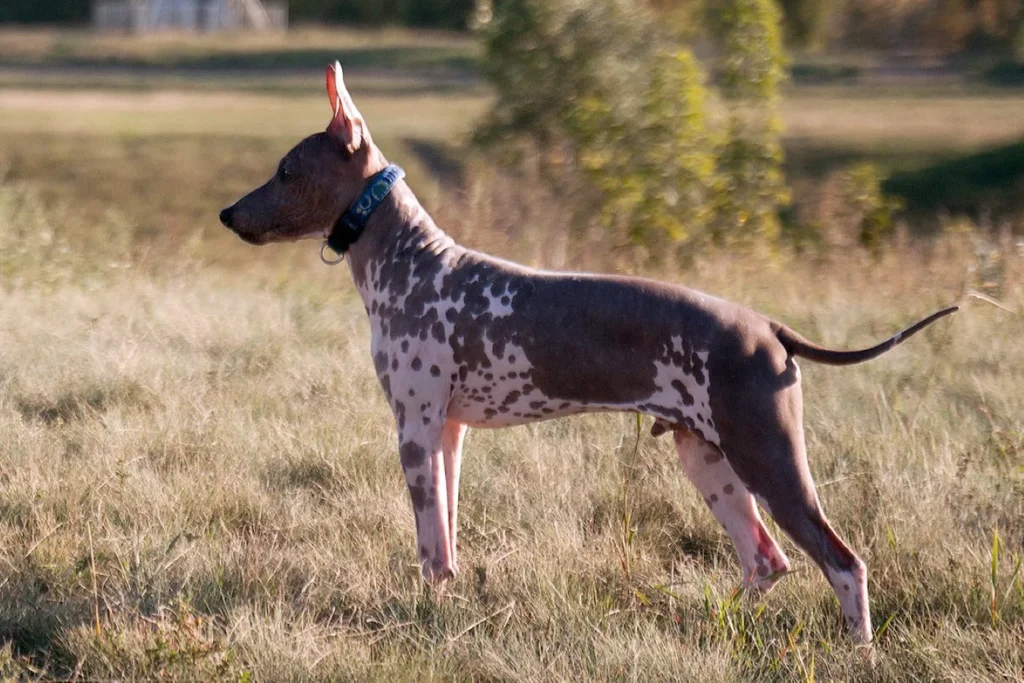
The American Hairless Terrier is a lively, small terrier that is generally healthy and often lives well into its teens. Its biggest challenges come from having bare skin: it burns in the sun and chills easily in the cold. Beyond that, the list is short and manageable, with kneecap and heart checks, an occasional eye problem, and the dental care any small dog needs. Knowing the plan before you bring a puppy home makes ownership much easier.
In this guide
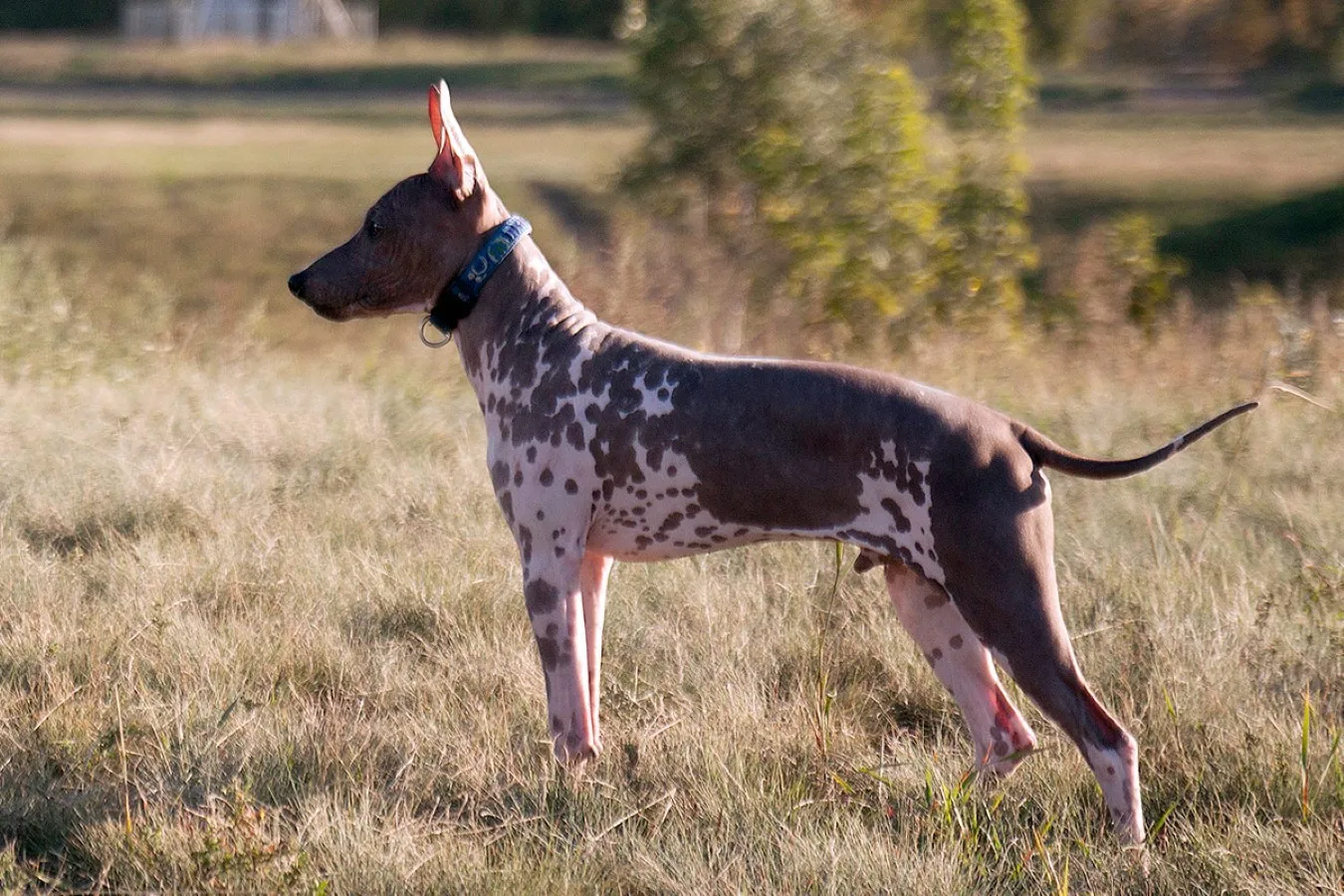
Why Does This Breed Need Sunscreen?
Bare skin burns like human skin, so apply dog-safe sunscreen or cover your dog with light clothing before outdoor time in strong sun, and bring a coat or blanket whenever the temperature drops.
Without a coat to filter sunlight, the breed is particularly susceptible to sunburn in sunny conditions and to hypothermia, a dangerous drop in body temperature, in cold weather. Dog-friendly sunscreen or protective clothing keeps the skin comfortable, and the ears, nose and back deserve extra attention. Skin also needs regular care: a lukewarm bath with mild shampoo about weekly and a moisturizer help keep bare skin healthy. The grooming profile covers the routine in detail.
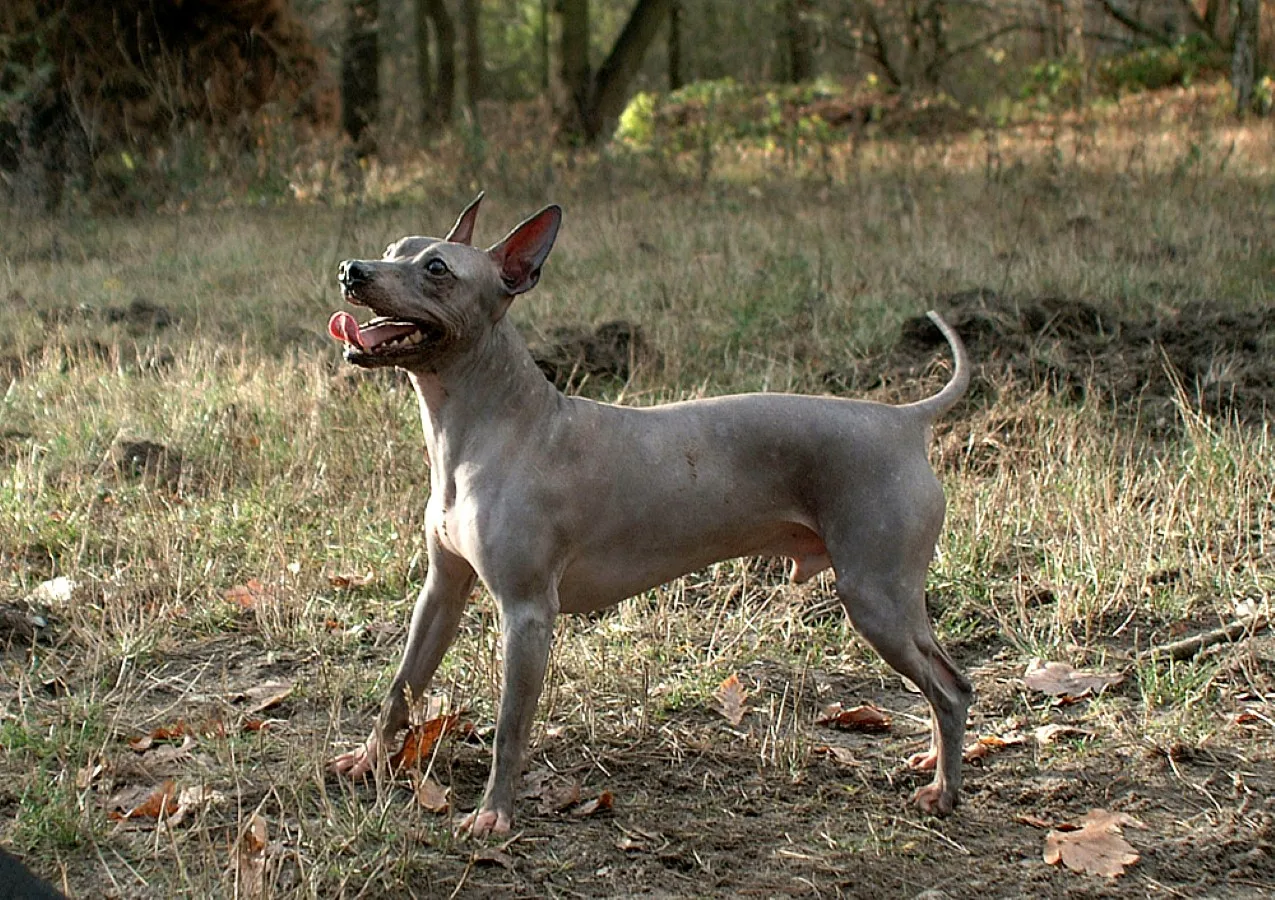
Can Temperature Extremes Become an Emergency?
A coat helps regulate body temperature, and this breed has little or none. In cold weather these dogs get cold easily, so a sweater or coat outdoors and a blanket indoors are practical needs, and a warm winter coat is worth buying before the first cold snap. In summer, avoid hot pavement, hot cars and peak midday sun, and offer shade, water and a cooling mat on hot days. Shivering, burrowing under blankets or cold-feeling skin mean it is time to come inside.
- 01
Heavy panting that will not settle
Especially after heat or sun exposure.
- 02
Weakness, vomiting or collapse
Following heat, or fainting with exercise or excitement.
- 03
Red, cloudy or squinting eye
Tearing, pawing at the eye, or sudden vision change.
- 04
Severe, lasting shivering
With cold skin and sluggishness in cold weather.
What Joint and Heart Issues Should You Watch For?
Patellar luxation, where the kneecap slips out of its groove, is common in small breeds, and the breed club recommends patella, hip and cardiac evaluations for breeding dogs. The word comes from the Latin patella, "small dish," and luxare, "to dislocate." Mild cases may be found only at a vet exam, while severe cases can cause a bunny-hopping gait. Management usually includes weight control and joint support, and severe cases may need surgery.
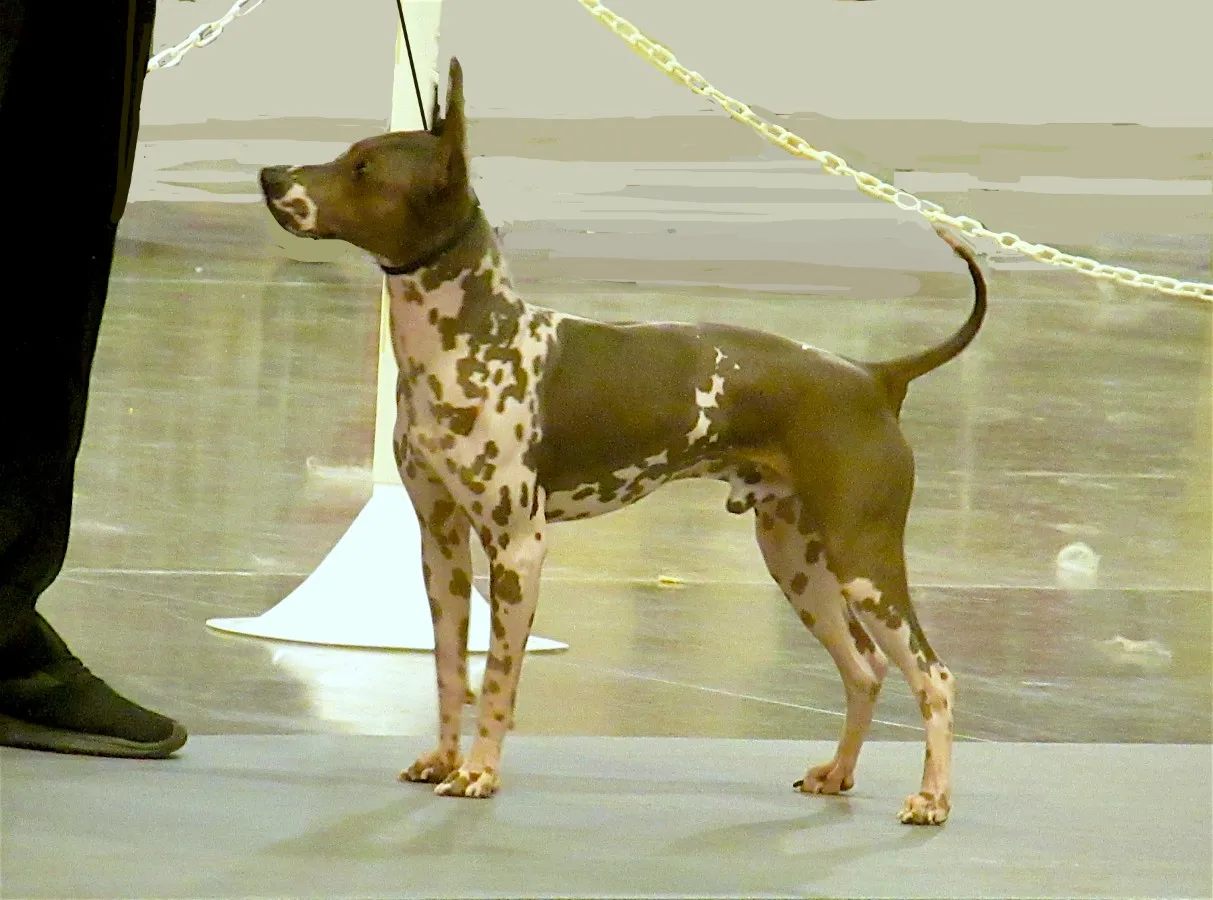
Heart disease becomes more likely with age. A veterinarian may first notice a heart murmur while listening with a stethoscope, a technique called auscultation, from the Latin auscultare, "to listen." Some dogs show no signs, while others develop coughing, weight loss, tiredness or fainting. A heart ultrasound shows what a murmur means, so periodic checks as a dog ages are worthwhile.
What About the Eyes?
Primary lens luxation, in which the lens of the eye shifts out of place, is listed for the breed and most often appears between ages 3 and 8. Signs include tearing, squinting and cloudiness, and surgery can treat it. Any sudden eye change deserves a prompt veterinary visit.
Why Is Dental Care Especially Important Here?
Gum disease is the major reason dogs lose teeth, and small-breed dogs usually have more trouble with it than large ones. Periodontitis, infection of the tissue around the teeth, develops after years of plaque and tartar. Daily toothbrushing is best, and a good dog toothbrush and enzymatic toothpaste makes the habit easier to keep.
What Does Managing an American Hairless Terrier's Health Actually Cost?
| Condition or Need | Typical Cost Range | Notes |
|---|---|---|
| Annual exam and bloodwork | $150 to $300 | Yearly wellness visit |
| Dog-safe sunscreen | $10 to $20/bottle | Ongoing in sunny months |
| Dental cleaning | $300 to $1,000 | Higher if extractions are needed |
| Kneecap surgery | $1,500 to $3,000 | Only if luxation is significant |
| Heart ultrasound | $300 to $600 | If a murmur is found |
Questions to Ask a Breeder Before Buying a Puppy
Ask for the parents' patella, hip and cardiac results, since those are the breed club's recommended tests. Ask how the puppies are introduced to sun protection and warm clothing, and whether any relatives have had eye or heart problems. Puppies are born with a light fuzz and are usually bare by about six weeks, and some coated dogs are also recognized as the breed.
Daily Life With an American Hairless Terrier
This is an energetic, intelligent companion that needs regular exercise and mental stimulation, even as an indoor dog, or it may turn to digging and other destructive habits. Climate planning matters more than for most breeds, from sunscreen to sweaters. The personality profile describes their temperament, and early, consistent training channels that energy well.
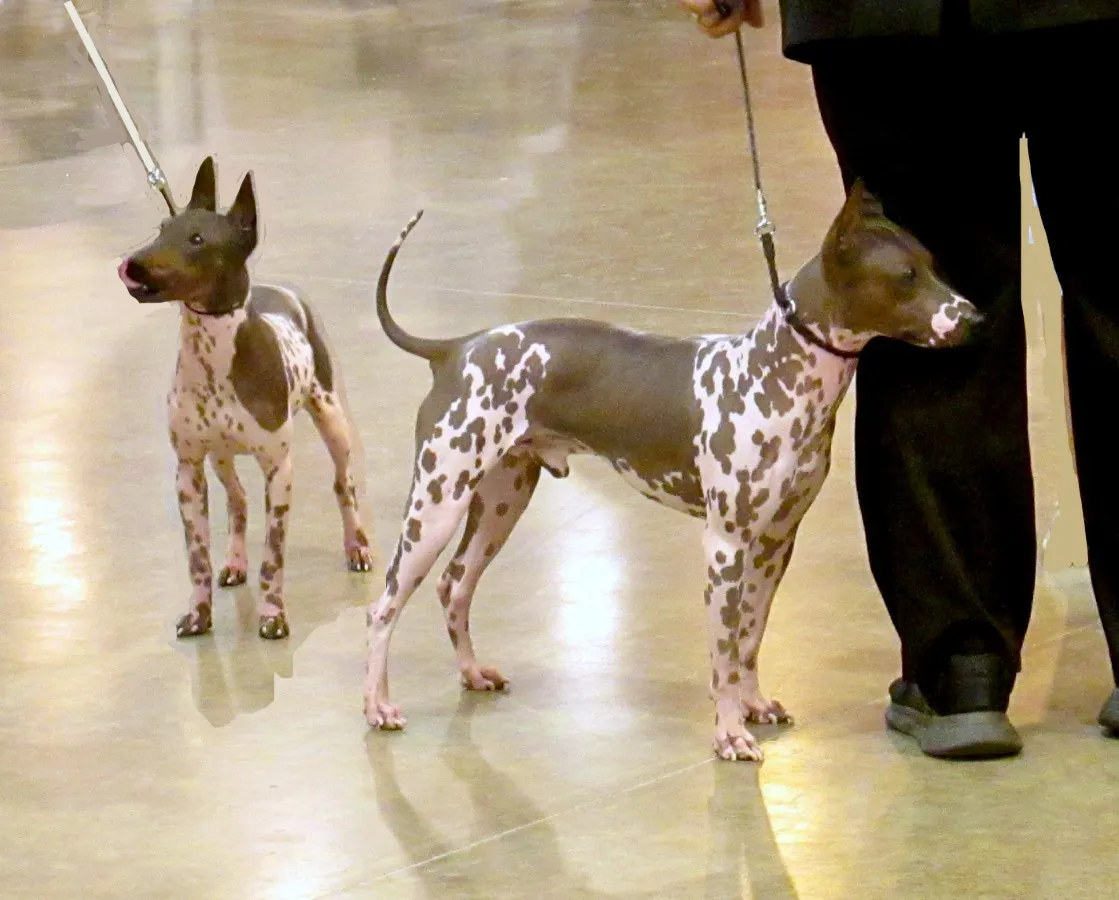
Keeping Your American Hairless Terrier Healthy for the Long Run
Protect the skin from sun and cold, keep your dog at a lean weight, schedule kneecap and heart checks, and brush teeth daily. Pet insurance is worth pricing while your dog is young and healthy.
Final Thoughts From a Veterinarian
American Hairless Terriers usually live 14 to 16 years and cost about $70 to $150 a month. Protect bare skin from sun and cold, ask breeders about kneecap, hip and heart checks, brush teeth daily, and treat heat collapse as an emergency. Your veterinarian can tailor the plan.
Health & Costs FAQ
How much do American Hairless Terrier cost?
Purchasing an American Hairless Terrier from a reputable breeder typically costs between $800 and $2,500, depending on pedigree and quality. Adopting from a rescue is a more affordable option, generally ranging from $100 to $500, which often includes initial vaccinations and essential veterinary services.
Purchase cost: 5 / 10
How long do American Hairless Terrier live?
American Hairless Terriers typically live 14 to 16 years, a long life for a small dog. High-quality nutrition, regular exercise, protection from sun and cold, daily dental care, and consistent veterinary visits help them live a full and healthy life as a loyal companion.
Life expectancy: 9 / 10
Are American Hairless Terrier healthy dogs?
American Hairless Terriers are generally healthy, living 14 to 16 years on average. Because of their bare skin they are susceptible to sunburn and to chilling in cold weather. Kneecap problems, heart disease, an eye condition called lens luxation, and dental disease are the main medical concerns, so regular veterinary checks and a dedicated skin care routine are important.
Health: 7 / 10
What health problems do American Hairless Terrier have?
American Hairless Terriers can develop patellar luxation, primary lens luxation, and heart disease, and the breed club recommends patella, hip, and cardiac evaluations for breeding dogs. With no coat, they sunburn easily and get cold quickly. Daily dental care and regular veterinary exams help catch problems early.
Health problem risk: 3 / 10
Are American Hairless Terrier expensive to maintain?
American Hairless Terriers are affordable to maintain. Their lack of fur means no professional coat grooming, though they need consistent skin care, including sunscreen, moisturizer, and weekly baths, plus warm clothing in cold weather. Combined with quality food and routine veterinary visits, monthly upkeep costs are very manageable.
Maintenance cost: 2 / 10
How much does it cost to own a American Hairless Terrier per month?
Owning an American Hairless Terrier typically costs between $70 and $150 per month. This budget covers quality food, routine veterinary care, and skincare products like sunscreen and moisturizer. Pet insurance and warm clothing for cold weather are additional costs to consider.
Monthly ownership cost: 7 / 10
How much does pet insurance cost for a American Hairless Terrier?
Pet insurance for an American Hairless Terrier typically ranges from $30 to $50 per month. Costs vary with the dog's age, your location, and the chosen coverage. A policy is worth pricing while your dog is young and healthy, since kneecap, eye, or heart problems can lead to unexpected veterinary expenses.
Pet insurance cost: 3 / 10
Will homeowners insurance cover a American Hairless Terrier?
Yes, most homeowners insurance policies cover American Hairless Terriers. They are a small, non-aggressive breed and are not typically found on restricted lists. Still, always verify liability coverage with your insurance provider, as individual company policies and state regulations can vary.
Homeowners insurance difficulty: 9 / 10
Are American Hairless Terrier on insurance restricted breed lists?
No, American Hairless Terriers are not typically found on insurance restricted-breed lists. These lists generally target larger breeds perceived as higher liability risks. As a small, non-aggressive breed, they are usually covered under standard homeowners or renters policies, though you should always disclose your dog to your insurer.
Insurance restriction risk: 2 / 10
Can you get renters insurance with a American Hairless Terrier?
Yes, you can typically get renters insurance with an American Hairless Terrier. They are not usually on restricted-breed lists and are considered low-risk. Most policies include liability coverage for injuries or property damage caused by your pet, though they do not cover damage to your own belongings. Confirm details with your insurer and landlord.
Renters insurance difficulty: 8 / 10