
Sealyham Terrier Health and Costs
Breed Group
Terrier Dogs
Country of Origin
United Kingdom
Breed Size
Small
AKC Recognition
Yes, recognized in 1911
FCI Recognition
Yes, recognized in 1955
Rarity
Fairly Common4 / 10
Purchase cost
Expensive6 / 10
Life expectancy
Long Lifespan8 / 10
Health
Fairly healthy6 / 10
Health problem risk
Moderate health concerns4 / 10
Maintenance cost
Moderate upkeep cost4 / 10
A Veterinarian's Guide
Sealyham Terrier Health Problems and Costs
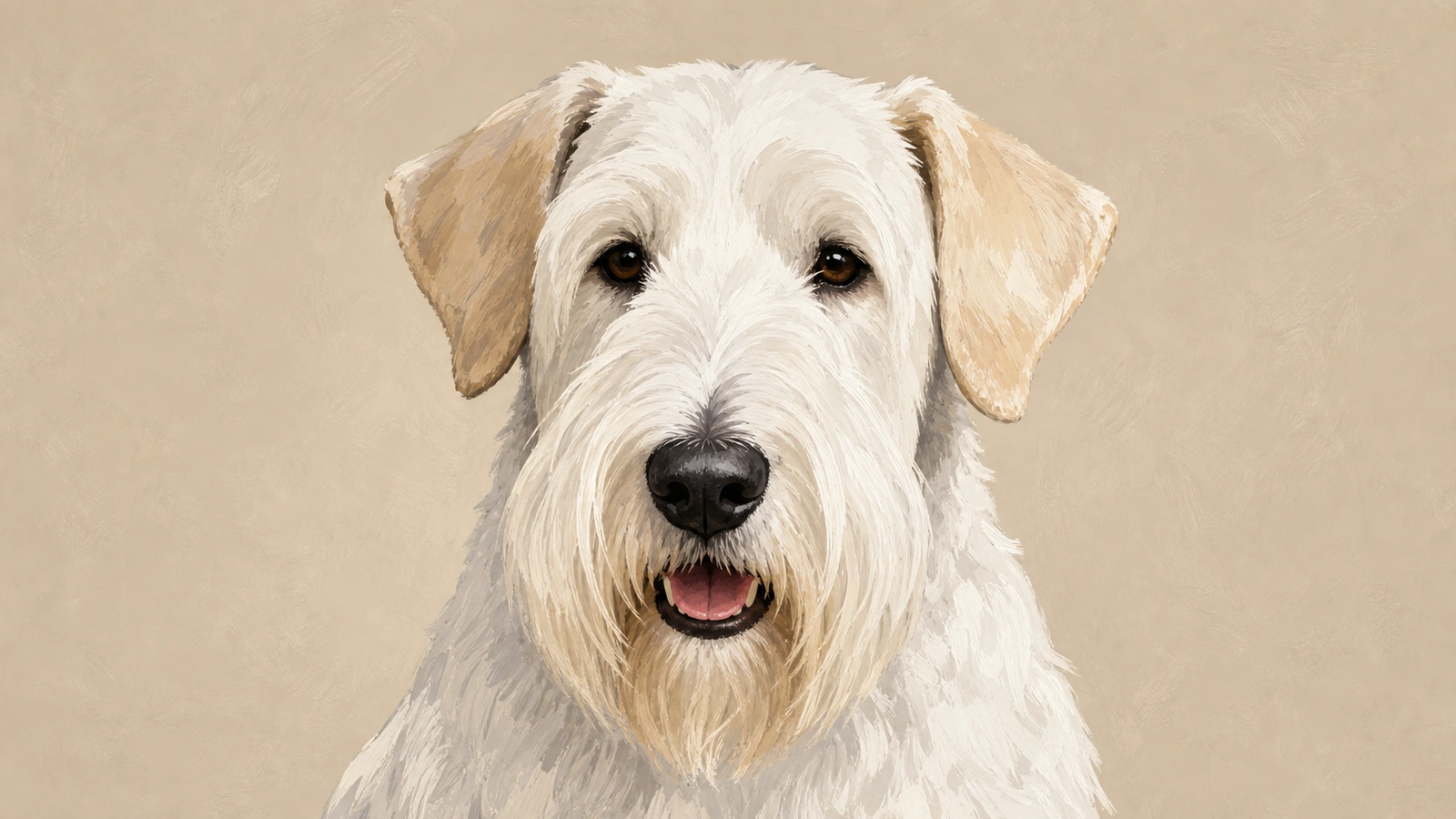
The Sealyham Terrier is a sturdy, low-slung terrier bred in Wales to hunt badgers and otters, and it is a rare sight today. It is a tough little dog, but a few issues repeat in the breed: a lens problem in the eye, inherited deafness, spine and nerve disease, and skin allergies. Knowing them before you bring a puppy home, or while you already share your life with one, makes screening and vet visits much easier to plan.
In this guide
Which Sudden Eye Problem Needs Same-Day Attention?
A Sealyham with a suddenly red, painful, or cloudy eye needs veterinary care the same day. Waiting overnight risks permanent vision loss.
Primary lens luxation happens when the tiny fibers that hold the eye's lens in place weaken and the lens slips out of position. It is one of the more common inherited conditions in the breed, and the responsible gene change is passed down as a recessive trait, meaning a puppy needs a copy from each parent to be affected. A lens that moves forward can block the eye's fluid drainage and cause glaucoma, a painful rise in pressure inside the eye. VCA Hospitals notes that prompt treatment usually preserves reasonably good vision, while vision prospects drop the longer a lens stays displaced.
PetMD lists excessive tearing, face rubbing, uneven pupils, redness, and a blue cast on the eye's surface as things to watch for. Because early luxation can look minor, any change in an eye is worth a call to your veterinarian.

Screening helps. The AKC terrier group health testing page lists an ophthalmologist evaluation and a primary lens luxation DNA test for the breed. The DNA test shows whether a dog is clear, a carrier, or at risk, which is how responsible breeders avoid producing affected puppies.
Why Should Puppies Be Tested for Deafness?
Congenital deafness, hearing loss present from birth, is a recognized concern in the breed, and puppies can be born deaf, usually from inner ear defects. A BAER test, which measures the brain's electrical response to sound, can show whether a puppy hears in both ears before an owner could tell by watching it.
A dog that is deaf in only one ear often adapts so well that owners never notice without testing. PetMD notes that deaf dogs can live relatively normal lives with a few adjustments, such as hand signals and a securely fenced yard.
What Spine and Nerve Conditions Should Owners Know About?
Intervertebral disc disease, in which a cushioning disc between the backbones bulges or bursts and presses on the spinal cord, is among the conditions listed for the breed. Degenerative myelopathy, a slowly progressive disease of the spinal cord in older dogs that gradually weakens the back legs, is also listed, and a DNA test exists for it. Both are worth raising with your veterinarian at routine visits.
- 01
Sudden back or neck pain
Yelping, a hunched posture, or refusing to jump or climb stairs.
- 02
Wobbly or dragging legs
Stumbling, crossing the feet, or scuffing the back paws.
- 03
Loss of bladder control
Dribbling urine or being unable to pass it.

Why Do Skin, Ears and Teeth Need Regular Attention?
The breed is predisposed to atopic dermatitis, an inherited allergic skin condition that often shows up as paw licking, scratching, and ear irritation. Ear infections are also on the breed health list, so a gentle ear check at each grooming session is wise. Identifying the trigger, whether food, environment, or fleas, makes a real difference to a dog's daily comfort.
Small jaws also crowd the teeth, and VCA Hospitals reports that most dogs over age three already have some degree of dental disease. Daily brushing started in puppyhood is the most cost-effective habit an owner can build.
What Does Managing a Sealyham's Health Actually Cost?
| Condition or Need | Typical Cost Range | Notes |
|---|---|---|
| BAER hearing test | $150 to $300 | Ideally done in puppyhood |
| Annual eye exam | $75 to $200 | Starting early, ongoing for life |
| Emergency lens luxation and glaucoma care | $1,500 to $4,000+ | May include eye removal |
| Chronic allergy management | $200 to $600 per year | Varies widely by cause and severity |

Questions to Ask a Breeder Before Buying a Puppy
Ask for the parents' primary lens luxation DNA results and a recent eye examination by a veterinary ophthalmologist, and whether the puppies have been hearing tested before going to new homes. A breeder who answers these questions readily and shows paperwork is usually well informed about the breed's other health needs too.
It also helps to ask about skin and ear problems in previous litters, since allergy tendencies often run in families. Meeting an adult relative of the puppy can reveal coat and skin issues that are not obvious in an eight-week-old litter.
Daily Life With a Sealyham Terrier
This is an independent terrier with a strong prey drive left over from its hunting origins, and that independence can read as stubbornness when a session expects quick compliance. Short, consistent, reward-based sessions work far better, as the training guide explains, and most Sealyhams are affectionate with their own family, as the personality profile describes.
The wiry double coat is essentially non-shedding but needs regular brushing to prevent matting, along with hand-stripping or clipping, which the grooming guide covers. Keeping the hair on the forehead trimmed also keeps it from hindering the dog's sight.

Keeping Your Sealyham Healthy for the Long Run
Confirm hearing status early, schedule yearly eye exams for life, and treat sudden eye redness as an emergency rather than something to watch overnight. Start brushing teeth in puppyhood. Pet insurance is worth pricing while your dog is young, given the eye emergency risk this breed carries.
Final Thoughts From a Veterinarian
Sealyhams often live 12 to 14 years. Treat a red, painful or cloudy eye as a same-day emergency, ask breeders for eye, DNA and hearing results, and keep the coat and teeth cared for. Your veterinarian can tailor the plan.
Health & Costs FAQ
How much do Sealyham Terrier cost?
The cost of a Sealyham Terrier typically ranges from $1,500 to $3,000 from reputable breeders. Due to their rarity, waitlists are common. Owners should budget an additional $1,000 for initial supplies and vaccinations, plus ongoing costs for professional grooming essential for their distinctive double coat.
Purchase cost: 6 / 10
How long do Sealyham Terrier live?
Sealyham Terriers typically live 12 to 14 years. Regular veterinary checkups, yearly eye exams, daily tooth care, and prompt attention to any eye change help them live a full life.
Life expectancy: 8 / 10
Are Sealyham Terrier healthy dogs?
Sealyham Terriers are sturdy dogs that often live 12 to 14 years, but they are not problem-free. Primary lens luxation, congenital deafness, spine and nerve disease, and skin allergies all occur in the breed. The AKC lists an ophthalmologist evaluation and a primary lens luxation DNA test, and yearly eye exams and routine checkups help catch trouble early.
Health: 6 / 10
What health problems do Sealyham Terrier have?
Sealyham Terriers can develop primary lens luxation, which can lead to glaucoma, along with congenital deafness, intervertebral disc disease, degenerative myelopathy, and atopic dermatitis. Dental disease is also common in small dogs. A red, painful, or cloudy eye needs a veterinarian the same day, and eye, DNA, and hearing screening catches many issues early.
Health problem risk: 4 / 10
Are Sealyham Terrier expensive to maintain?
Sealyham Terriers are moderately expensive to maintain. Food costs are modest because of their size, but the wiry double coat needs regular brushing plus hand-stripping or clipping, often by a professional groomer. Setting money aside for eye, hearing, and allergy care is wise because those are the larger bills this breed can face.
Maintenance cost: 4 / 10
How much does it cost to own a Sealyham Terrier per month?
Expect to spend between $200 and $250 per month to own a Sealyham Terrier. This budget covers quality food, routine veterinary care, and grooming for the double coat. Pet insurance is worth considering for breed-specific eye and spine conditions.
Monthly ownership cost: 5 / 10
How much does pet insurance cost for a Sealyham Terrier?
Pet insurance for Sealyham Terriers typically costs between $30 and $60 per month. Coverage is worth pricing while your dog is young, since an eye emergency such as lens luxation with glaucoma, or a spine problem, can cost thousands of dollars.
Pet insurance cost: 3 / 10
Will homeowners insurance cover a Sealyham Terrier?
Yes, most homeowners insurance policies cover Sealyham Terriers, as they are not typically on restricted breed lists. As a small and rare breed, they are considered low-risk by most insurers. Always disclose your pet to your provider to ensure your liability coverage remains fully active and valid.
Homeowners insurance difficulty: 9 / 10
Are Sealyham Terrier on insurance restricted breed lists?
No, Sealyham Terriers are not typically found on insurance restricted-breed lists. As a small and rare breed, insurers generally view them as low-risk companions. However, you should always disclose your pet to your provider to ensure your liability coverage remains fully active and valid.
Insurance restriction risk: 2 / 10
Can you get renters insurance with a Sealyham Terrier?
Yes, you can typically get renters insurance with a Sealyham Terrier. As a small, rare breed with a low restriction risk, they are considered easy to insure and rarely appear on restricted lists. Always disclose your pet to your insurer to ensure your liability coverage remains valid.
Renters insurance difficulty: 8 / 10