Belgian Tervuren Health and Costs
Breed Group
Herding Dogs
Country of Origin
Belgium
Breed Size
Large
AKC Recognition
Yes, recognized in 1959
FCI Recognition
Yes, recognized in 1956
Rarity
Common3 / 10
Purchase cost
Moderate to Expensive6 / 10
Life expectancy
Long Lifespan7 / 10
Health
Moderate health concerns4 / 10
Health problem risk
High health burden7 / 10
Maintenance cost
Moderate upkeep cost4 / 10
A Veterinarian's Guide
Belgian Tervuren Health Problems and Costs
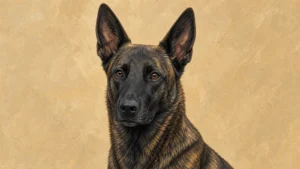
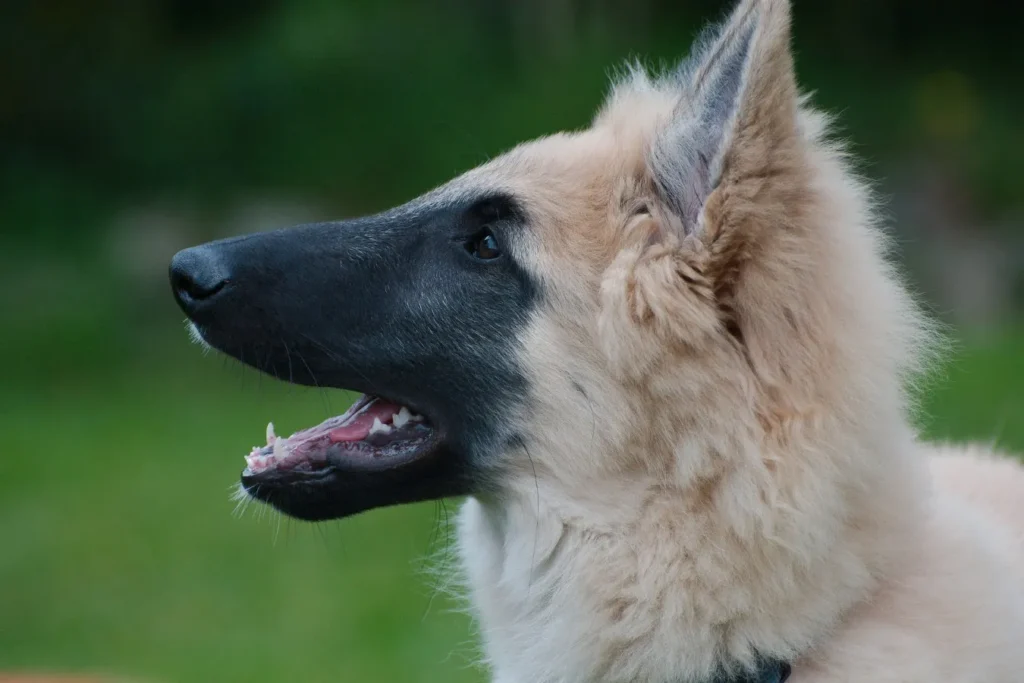
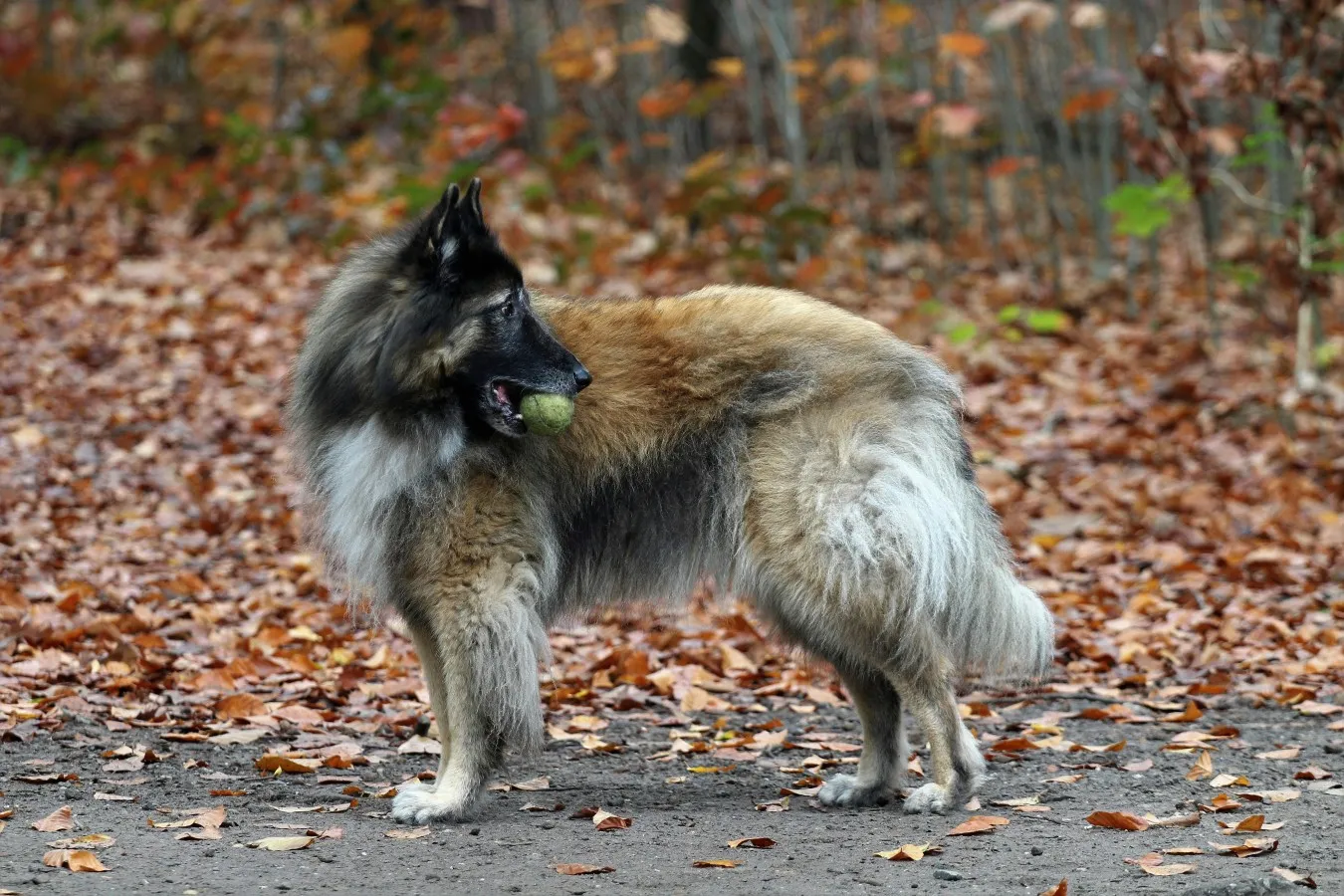
The Belgian Tervuren is an athletic Belgian herding dog with a long, dark-masked double coat, and it is generally hardy. A few issues repeat in the breed: hip and elbow joints, seizures, eye disease, bloat, and the thyroid. Tervurens are also stoic dogs, so knowing the subtle early signs matters more than waiting for an obvious limp or a dramatic symptom.
In this guide
Why Is My Belgian Tervuren Stiff or Limping After Rest?
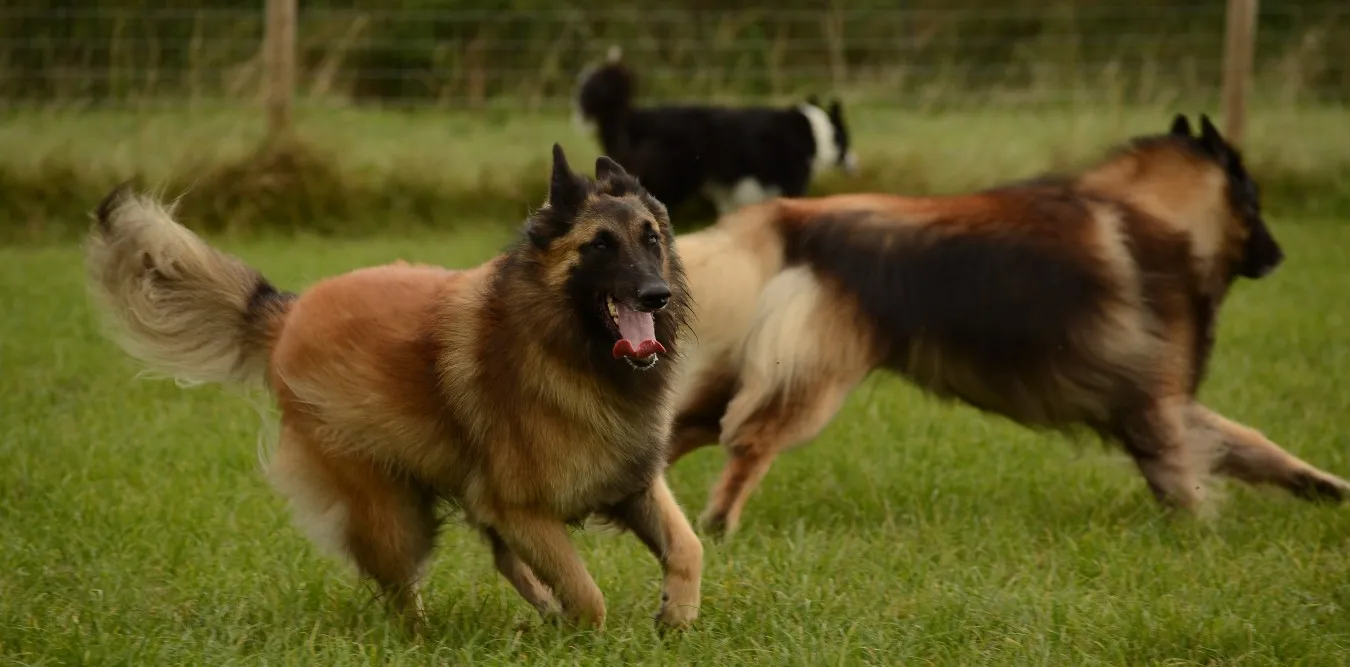
Hip dysplasia, an inherited looseness of the hip joint that wears the joint down into arthritis, and elbow dysplasia, a similar developmental problem in the elbow, are both listed for the breed, and VCA calls them occasional concerns. Early signs are subtle: reluctance to jump, stiffness that eases as the dog warms up, and a shortened stride rather than an obvious limp. A working or sporting dog benefits from a joint exam before hard training begins.
Weight is the most controllable factor, because every extra pound adds stress to a joint that may already be vulnerable. A hands-on rib check at every visit tells you more than the scale alone.
Do Belgian Tervurens Have Seizures?
Call a veterinarian right away for a first seizure, a seizure that lasts more than five minutes, or repeated seizures without full recovery in between.
Idiopathic epilepsy is a recognized concern in the breed, and researchers have identified inherited risk variants in Belgian Tervurens. The word idiopathic comes from the Greek idios, "one's own," and pathos, "suffering," meaning no outside cause is found. Your veterinarian reaches that diagnosis only after ruling out other causes, such as toxins, metabolic disease, and structural brain problems. A single isolated seizure does not automatically mean lifelong medication, but a pattern of recurring seizures usually does.
If it is safe, film any suspected seizure on your phone, since footage often tells a veterinarian more than a description given under stress. A simple log of the date, length, and what the dog was doing beforehand helps spot patterns.
What Eye Conditions Affect This Breed?
Progressive retinal atrophy, or PRA, is an inherited breakdown of the retina's light-sensing cells. Retina comes from the Latin rete, "net," and atrophy from the Greek for "without nourishment." PetMD notes that it usually begins as night blindness and that there is currently no treatment. Cataracts, a clouding of the lens, are also listed for the breed.
Yearly eye exams are the most reliable way to catch changes early, and the AKC lists an ophthalmologist evaluation as a recommended test. Most dogs adapt well to gradual vision loss when furniture and food bowls stay in the same place.
Why Does This Breed's Chest Shape Matter?
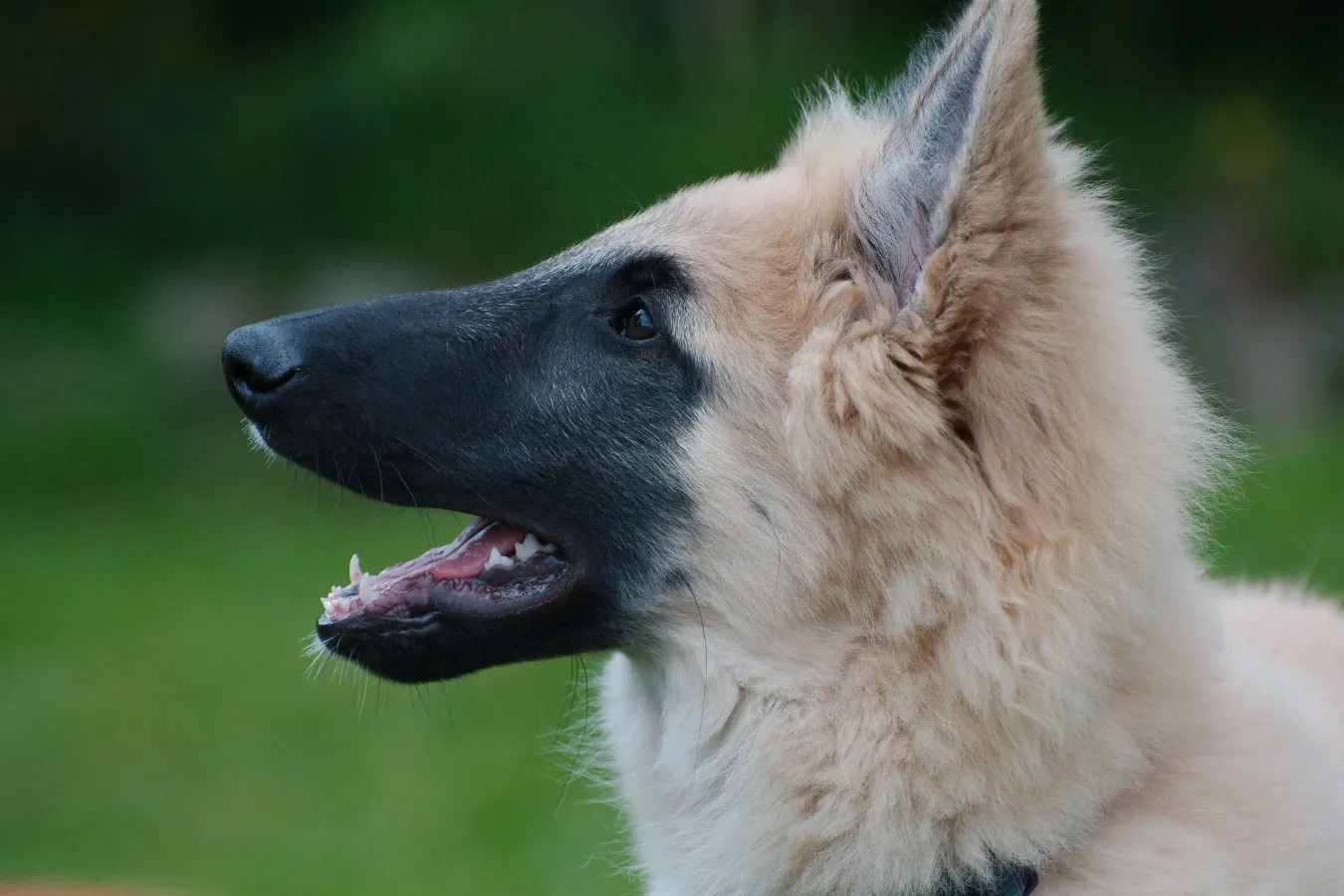
Bloat, medically gastric dilatation-volvulus, happens when the stomach fills with gas and can twist on itself. Deep-chested dogs are at higher risk, and the Merck Veterinary Manual describes it as a life-threatening emergency that needs immediate stabilization and surgery. Dogs who reach care quickly generally do better.
- 01
Swollen belly
The abdomen looks tight, rounded, or distended.
- 02
Unproductive retching
Straining to vomit with little or nothing coming up.
- 03
Drooling and restlessness
Pacing, heavy drooling, or being unable to settle.
- 04
Weakness or collapse
Pale gums, weakness, or sudden collapse.
Smaller, more frequent meals and avoiding hard exercise right around mealtimes are commonly advised, though no precaution removes the risk. Some owners discuss a preventive gastropexy with their veterinarian. The word comes from the Greek gaster, "stomach," and pexis, "fixing in place." The surgery tacks the stomach to the body wall, often at the same time as a spay or neuter, and should prevent the dangerous twist even though it does not stop gas from building up.
What About the Thyroid and Clotting Disorders?
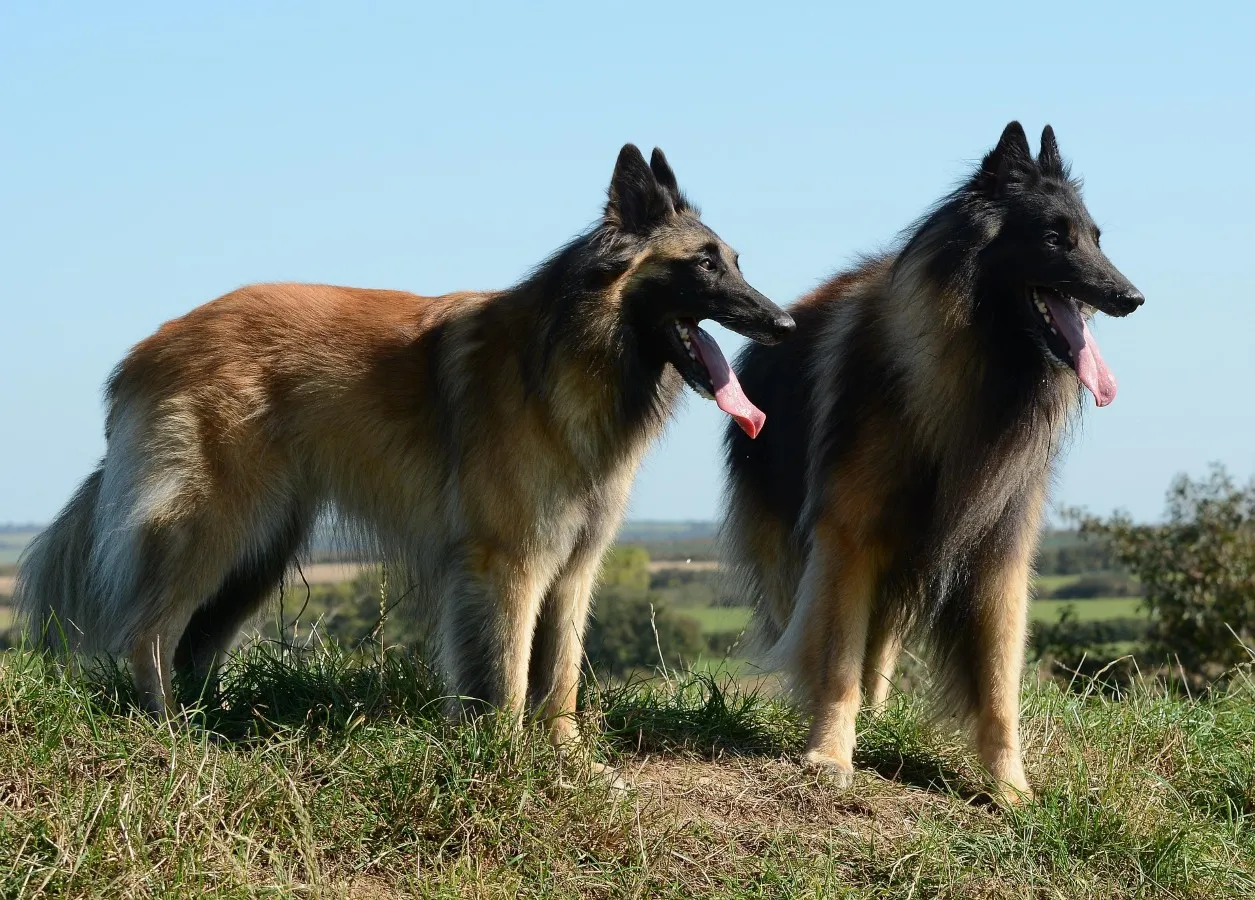
PetMD also lists hypothyroidism, or low thyroid hormone activity, which a blood test diagnoses and daily medication manages, and von Willebrand disease, an inherited clotting disorder that a blood test can detect. Tell your veterinarian about any family history before surgery.
What Does Managing a Belgian Tervuren's Health Cost?
| Condition or Need | Typical Cost Range | Notes |
|---|---|---|
| Hip and elbow screening x-rays | $250 to $500 | Often done under light sedation |
| Epilepsy diagnosis and medication | $300 to $600 to start | Ongoing; daily medication for most dogs |
| Annual eye exam | $100 to $200 | Specialist visits cost more |
| Cataract surgery | $2,500 to $4,000 per eye | Not every dog is a candidate |
| Emergency bloat surgery | $3,000 to $7,000 | Life-threatening, surgical |
Questions to Ask a Breeder Before Buying a Puppy
The national breed club recommends hip, elbow, eye, and thyroid evaluations for breeding dogs, so ask to see the results for both parents. Also ask whether any relatives have had seizures, because epilepsy has an inherited component and an honest breeder will answer plainly.
It helps to ask about typical adult energy level in the line too, since this breed needs plenty of work and play every day.
Daily Life With a Belgian Tervuren
This is a tireless working dog, and the AKC describes it as bright and self-assured, so it does best with real exercise and mental work every day. The personality profile explains how that intensity shows up at home, and clear, consistent training gives that energy a job.
The long double coat needs regular brushing, more during seasonal shedding, and the grooming guide covers how often. Brushing teeth daily and trimming nails regularly are part of the routine too.
Keeping Your Belgian Tervuren Healthy for the Long Run
Schedule joint screening for working dogs, yearly eye exams, and thyroid testing as your veterinarian advises, and learn bloat's warning signs before you ever need them. Keep your dog lean and keep a seizure log if one ever occurs. Pet insurance is worth pricing while your dog is young and healthy.
Final Thoughts From a Veterinarian
Belgian Tervurens usually live 12 to 14 years. Plan hip, elbow, eye, and thyroid screening, learn bloat's warning signs, and film any seizure for your veterinarian. Keep your dog lean and active. Your veterinarian can tailor a plan to your dog.
Health & Costs FAQ
How much do Belgian Tervuren cost?
The cost of a Belgian Tervuren from a reputable breeder typically ranges from $1,200 to $3,000, while adoption fees are approximately $50 to $350. Prospective owners should also budget for initial expenses like vaccinations and supplies, alongside ongoing annual costs for high-quality food, grooming, and veterinary care.
Purchase cost: 6 / 10
How long do Belgian Tervuren live?
Belgian Tervurens typically enjoy a lifespan of 12 to 14 years. To help your dog reach these senior years, prioritize a healthy diet, regular veterinary checkups, and plenty of mental and physical exercise. This intelligent and energetic breed makes a devoted long-term companion for active families.
Life expectancy: 7 / 10
Are Belgian Tervuren healthy dogs?
Belgian Tervurens are generally hardy and often live 12 to 14 years, but they are not problem-free. Hip and elbow dysplasia, epilepsy, progressive retinal atrophy, cataracts, hypothyroidism, and bloat are the main concerns. Joint, eye, and thyroid screening and a lean weight help manage these risks.
Health: 4 / 10
What health problems do Belgian Tervuren have?
Belgian Tervurens can develop hip and elbow dysplasia, idiopathic epilepsy, progressive retinal atrophy and cataracts, hypothyroidism, and von Willebrand disease. Bloat is a risk in deep-chested dogs and is an emergency. Screening for joints, eyes, and thyroid function, and prompt attention to seizures, help catch problems early.
Health problem risk: 7 / 10
Are Belgian Tervuren expensive to maintain?
Belgian Tervurens have moderate upkeep costs. The long double coat needs regular brushing, more during seasonal shedding, and an active breed eats a fair amount of quality food. Joint, eye, and thyroid screening, plus possible care for epilepsy or an emergency bloat surgery, are the larger health bills to plan for.
Maintenance cost: 4 / 10
How much does it cost to own a Belgian Tervuren per month?
Expect to spend between $110 and $200 per month to own a Belgian Tervuren. This covers quality food for an active breed, routine veterinary care, and preventive medications. Professional grooming and training classes would add to that budget.
Monthly ownership cost: 5 / 10
How much does pet insurance cost for a Belgian Tervuren?
Pet insurance for a Belgian Tervuren typically costs between $40 and $65 per month, depending on your dog's age, location, and coverage level. A policy is worth pricing while your dog is young, since epilepsy care, eye problems, and bloat surgery can add up.
Pet insurance cost: 4 / 10
Will homeowners insurance cover a Belgian Tervuren?
Yes, most homeowners insurance policies cover Belgian Tervurens, since they are not typically on restricted breed lists. Always disclose your dog to your provider and confirm your liability limits.
Homeowners insurance difficulty: 9 / 10
Are Belgian Tervuren on insurance restricted breed lists?
No, Belgian Tervurens are not commonly found on insurance restricted-breed lists. Individual insurers set their own policies, so always confirm coverage details with your provider.
Insurance restriction risk: 2 / 10
Can you get renters insurance with a Belgian Tervuren?
Yes, you can typically get renters insurance with a Belgian Tervuren, since the breed is rarely restricted. Some insurers ask about the dog or set their own terms, so disclose your dog to your provider and check your lease for breed or size requirements.
Renters insurance difficulty: 8 / 10