Boykin Spaniel Grooming Profile
Breed Group
Sporting Dogs
Country of Origin
United States
Breed Size
Medium
AKC Recognition
Yes, recognized in 2009
FCI Recognition
No
Allergy-friendly
Worst Choice5 / 10
Shedding
Moderate5 / 10
Grooming need
15-30 mins/week6 / 10
Low-maintenance
Hard3 / 10
Size
Medium5 / 10
Growth timeline
15-18 months4 / 10
Grooming FAQ
Are Boykin Spaniel hypoallergenic or allergy-friendly?
Boykin Spaniels are not hypoallergenic and are a poor choice for those with sensitivities due to dander and seasonal shedding. They possess a thick double coat that sheds moderately year-round and seasonally, releasing dander that can trigger allergies. They are a poor choice for those with sensitivities due to dander and seasonal shedding.
Allergy-friendly: 5 / 10
Do Boykin Spaniel shed?
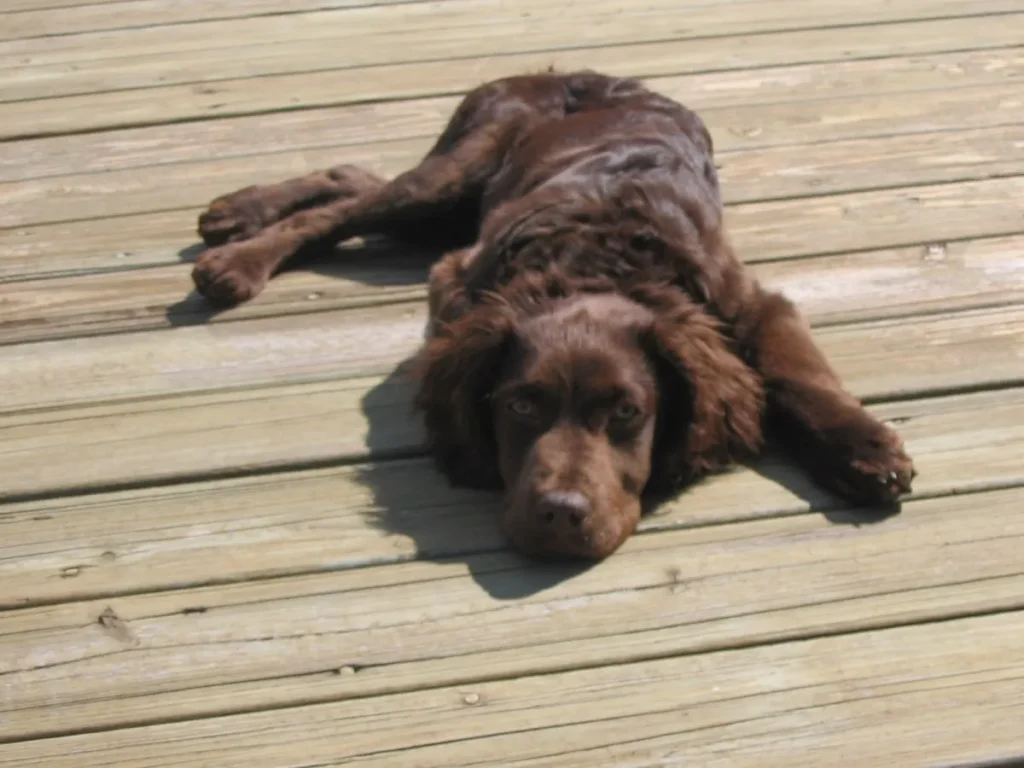
Boykin Spaniels are moderate year-round shedders that experience heavier shedding during the spring and fall as they transition their coats. While some hair loss is normal, sudden increases can also be caused by poor nutrition, skin allergies, or stress. Regular brushing helps manage their fine, medium-length coat.
Shedding: 5 / 10
How often should you groom a Boykin Spaniel?
Boykin Spaniels require regular grooming, including brushing once or twice a week to manage their medium-length, wavy coat and minimize shedding. They need monthly baths and weekly ear cleanings with a gentle cleanser to prevent infections.
Grooming need: 6 / 10
Are Boykin Spaniel low-maintenance dogs?
Boykin Spaniels can be high maintenance due to their high energy levels and intense social needs. They require significant daily exercise, mental stimulation, and consistent social bonding to prevent anxiety or destructiveness. Additionally, their wavy double coats and pendant ears need regular weekly grooming and cleaning.
Low-maintenance: 3 / 10
How big do Boykin Spaniel get?
Boykin Spaniels are medium-sized, athletic sporting dogs. Males typically stand 15.5 to 18 inches tall and weigh 30 to 40 pounds, while females range from 14 to 16.5 inches and 25 to 35 pounds. Their compact, sturdy build makes them agile hunters and manageable home companions.
Size: 5 / 10
When do Boykin Spaniel stop growing?
Boykin Spaniels typically reach their full adult height by 18 months of age. While their skeletal growth mostly concludes by this point, they often continue to fill out, developing muscle and body mass until they are approximately 2 years old, reaching their final adult weight.
Growth timeline: 4 / 10
How much should a Boykin Spaniel eat?
Adult Boykin Spaniels typically require a range of 1.75-2.25 cups of high-quality dry food daily for adults, divided into two meals. Because they are highly active working dogs, their caloric needs vary based on exercise levels. Monitor their weight closely and adjust portions to maintain a lean, healthy condition. A range of 1.75-2.25 cups daily for adults.
Feeding amount: 5 / 10
How often should a Boykin Spaniel puppy eat?
Boykin Spaniel puppies require frequent, small meals to fuel their high energy and rapid development. Generally, puppies should eat three to four times daily until they reach six months of age. Around six months, they can transition to two meals a day on a consistent schedule. Puppies under six months should eat 3-4 times daily before transitioning to 2 meals.
Puppy feeding frequency: 7 / 10
Vet Insights
Boykin Spaniels are medium-sized athletic dogs that reach full maturity by age two. They are moderate shedders with wavy double coats requiring weekly grooming and ear care. As high-energy sporting dogs, they demand significant daily exercise, social bonding, and roughly 2 cups of food daily to support their active lifestyle.