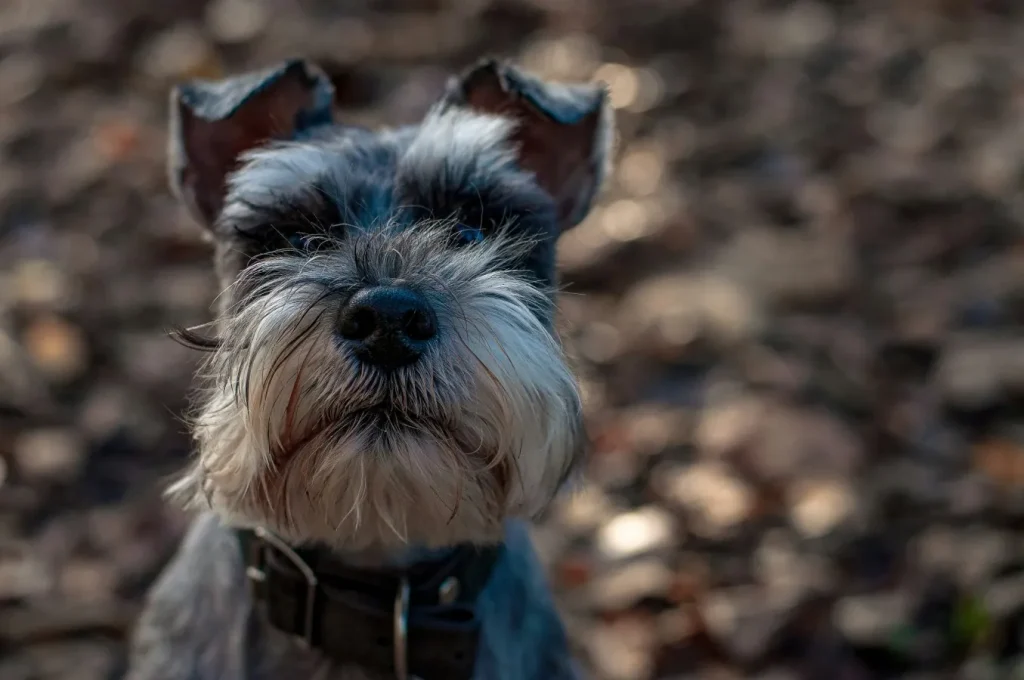
Miniature Schnauzer Training Profile
Breed Group
Companion Dogs
Country of Origin
Germany
Breed Size
Small
AKC Recognition
Yes, recognized in 1926
FCI Recognition
Yes, recognized in 1955
Mental stimulation needs
High Needs8 / 10
Trainability
10 / 10
Picky eater
Not Picky3 / 10
Easy to train
Very Easy10 / 10
Training stubbornness
Very Stubborn2 / 10
Puppy training
Easy10 / 10
Training FAQ
Are Miniature Schnauzer easy to train?
Miniature Schnauzers are highly intelligent and quick learners, making them relatively easy to train. They are eager to please but possess a spirited, independent streak that can lead to occasional stubbornness. Consistent, positive reinforcement and short, engaging sessions are key to channeling their focus and managing their alert nature.
Easy to train: 10 / 10
Are Miniature Schnauzer stubborn to train?
Yes, Miniature Schnauzers are famously stubborn due to their intelligence and independent nature. They often test boundaries and may ignore commands if they don't find them rewarding. Successful training requires firm, consistent leadership, short sessions, and high-value positive reinforcement to keep them focused.
Training stubbornness: 2 / 10
How do you train a Miniature Schnauzer puppy?
Train a Miniature Schnauzer puppy using positive reinforcement and short, engaging sessions to manage their independent streak. Focus on early socialization and consistent routines for housebreaking and grooming. Channel their watchdog intensity by teaching quiet cues and providing ample mental stimulation to prevent boredom and excessive barking.
Puppy training: 10 / 10
How difficult is potty training in Miniature Schnauzer?
Potty training a Miniature Schnauzer typically takes four to six months. These intelligent dogs learn quickly but require a consistent schedule and positive reinforcement. Using a crate and reward-based training helps them understand expectations, though some individuals may take up to a year to be fully reliable.
Potty training difficulty: 10 / 10
How many walks does a Miniature Schnauzer need?
A Miniature Schnauzer typically needs about 60 minutes of daily exercise to stay healthy and happy. This is best achieved through two to three brisk walks, complemented by interactive play or scent games. Their active minds also require mental stimulation to prevent boredom and mischief.
Walking need: 2 / 10
What is the best daily routine for a Miniature Schnauzer?
A Miniature Schnauzer's daily routine should balance physical activity with significant mental challenges to cater to their intelligent and alert nature. Provide at least 60 minutes of daily exercise, split into two or three brisk walks and interactive play sessions like fetch or tug-of-war. Feed twice daily using a high-quality diet, potentially incorporating puzzle feeders or scent games to provide enrichment during mealtime. Essential care includes short, 5-10 minute training sessions using positive reinforcement to manage their independent streak and watchdog tendencies. Ensure they have a consistent schedule for potty breaks and grooming, and provide plenty of social interaction and indoor rest to prevent boredom-related behaviors like excessive barking.
Routine need: 6 / 10
Vet Insights
Miniature Schnauzers are highly intelligent, spirited learners that excel with positive reinforcement, though their independent streak requires consistent leadership. They need about 60 minutes of daily exercise and significant mental stimulation to manage watchdog instincts and prevent excessive barking. While highly trainable and low-shedding, they require regular professional grooming and a structured routine to thrive.