Skip to content

Chippiparai - MAIN HUB

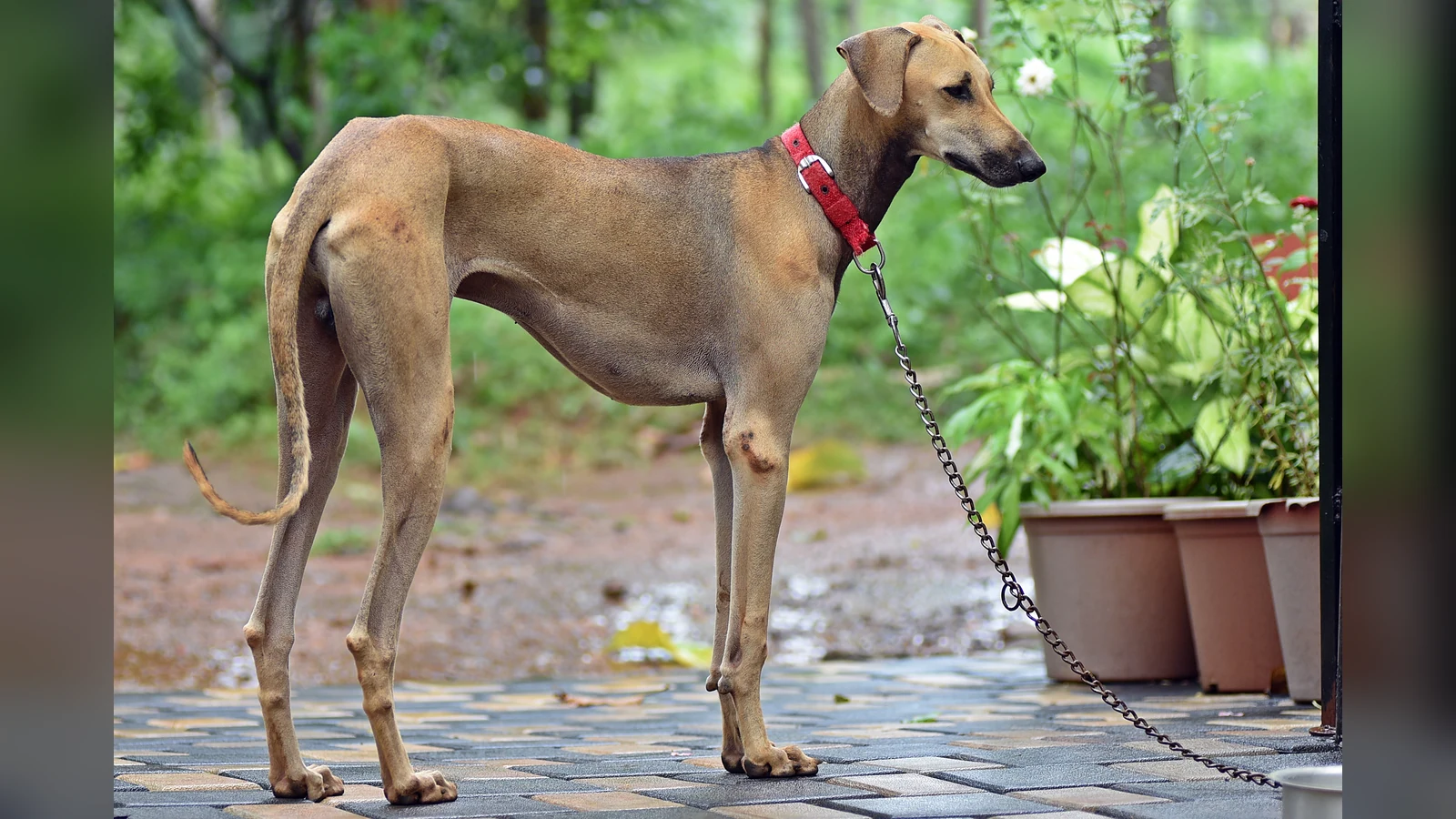
The elegant Chippiparai is a loyal Indian sighthound. This intelligent, active guardian thrives on exercise and bonds deeply with its family.

BREED GROUP

Rare Dogs

Country of origin

India

BREED SIZE

Large

BREED HEIGHT

22 -

25 IN

56 -

64 cm

BREED WEIGHT

33 -

66 LB

15 -

30 KG

WHAT YOU NEED TO KNOW

The Chippiparai is a rare sighthound from Southern India, originally bred for hunting and as a symbol of royalty. Known for their lean, elegant, and skinny appearance, they are exceptionally intelligent, loyal, and protective companions. While they possess independent thinking and a high prey drive toward small animals, they are gentle and calm with their families. These active dogs require at least 90 minutes of daily exercise and thrive in warm climates. Their short coat is easy to maintain, and they are generally healthy, living between 12 and 15 years.
american kennel club (AKC) recognition

No

Breed was recognized in 0.

International Canine Federation (FCI) recognition

No

Breed was recognized in 0.

WHAT DO OWNERS WANT TO KNOW?

Are Chippiparais good family dogs?

Above Average

6 out of 10

The Chippiparai makes a loyal and protective family dog, known for being gentle and calm with its own family members. However, its high prey drive and need for significant daily exercise mean it is best suited for active families without small pets.

Average

6 out of 10

Chippiparais are kind and gentle with their family children, making them devoted companions. However, they are sensitive dogs that do not appreciate rough play, such as tail pulling or ear biting, and are generally better suited for households with older, respectful children. Early socialization is recommended to ensure they remain calm and well-behaved around kids.

Good

6 out of 10

Chippiparais are generally suitable for first-time owners who can commit to their high exercise needs and provide consistent, gentle training. While their intelligence and desire to please make them easier to train than other sighthounds, their independent nature and high prey drive require a dedicated owner. Success with this breed involves early socialization and providing a secure environment to manage their athletic and protective instincts.

Below Average

4 out of 10

Chippiparais are generally not ideal for apartment living due to their high energy levels and need for significant daily exercise. While they can adapt to smaller spaces if provided with at least 90 minutes of vigorous activity and long runs, they thrive best in homes with large, fenced yards where they can safely satisfy their natural sighthound instincts to run and play.

Below Average

6 out of 10

A yard is not strictly required for a Chippiparai, as they can adapt to apartment living if provided with regular and plentiful exercise. However, a home with a large, fenced-in yard is the ideal environment for this active breed to run freely and satisfy their high energy levels. Owners must ensure fencing is very tall, as these agile dogs are capable of jumping over six or seven-foot barriers.

Below Average

4 out of 10

Chippiparais are loyal and protective companions that bond deeply with their families, which can make them sensitive to being left alone for extended periods. While they possess an independent nature, they thrive best in households where they receive consistent human interaction and sufficient daily exercise to prevent boredom or anxiety during solitude.

Below Average

3 out of 10

Chippiparais are generally not recommended for households with cats due to their strong hunting history and high prey drive. Their natural instinct to chase small animals can make cohabitation risky, and they typically thrive best in homes without other small pets to ensure a safe environment for all animals involved.

Alert

4 out of 10

Chippiparais are not inherently aggressive dogs but are naturally alert and possess a strong protective instinct toward their families. While they are gentle and calm with their owners, they can be wary of strangers and exhibit a high prey drive toward small animals. Early socialization and consistent training are essential to ensure their guarding tendencies remain manageable and that they stay well-behaved in various social settings.

Mellow

4 out of 10

Chippiparais are generally mellow and calm companions when indoors, often appearing quiet and gentle with their families. While they possess an athletic build and a need for daily movement, they lack the constant intensity of many working breeds and are content to relax once their physical needs are met.

~90+ min a day

5 out of 10

Chippiparais have moderate energy levels and are known for their calm, self-composed demeanor indoors. While not hyperactive, they require consistent daily exercise, typically 60 to 90 minutes of walking or patrolling a large, secure yard. Providing them with space to roam is essential to fulfill their natural guarding instincts and maintain their physical and mental health.

Exceptional

10 out of 10

Chippiparais handle hot South Indian climates well thanks to their short, thin coat, which helps them stay cool during exercise. Owners should still provide shade and fresh water and avoid exercising them during peak midday heat.

Exceptional

10 out of 10

Chippiparais handle hot South Indian climates well thanks to their short, thin coat, which helps them stay cool during exercise. Owners should still provide shade and fresh water and avoid exercising them during peak midday heat.

Often Restricted

4 out of 10

Chippiparais may face apartment restrictions less for size and more for their territorial barking at perceived intruders, which can lead to noise complaints. Their athletic build and jumping ability also mean landlords may ask for a securely fenced yard before approving a lease.

WHAT DO OWNERS WANT TO KNOW?


Photo
Reviewed by
Dr. Vojtech Gabriel
DVM · PhD · MBA
Veterinarian Researcher Dog breed specialist
Verified

"Central Asian Shepherd Dogs are frequently subject to breed bans and size restrictions in apartments due to their giant size, reaching up to 110 pounds. Their intense protective instincts and territorial nature often classify them as high-risk liabilities for insurance and rental policies. Additionally, their need for significant space and tendency to bark at perceived intruders makes them poorly suited for dense urban living environments."


Other Rare Dogs