Canadian Eskimo Dog Personality Profile
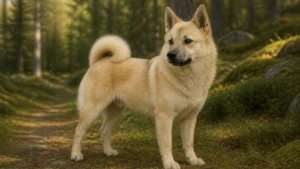
Canadian Eskimo Dogs are highly intelligent, primitive working dogs known for their independent problem-solving skills. While deeply loyal to their pack, they are rugged companions rather than cuddly lap dogs. They thrive on constant interaction and are prone to separation anxiety. Expect a vocal breed that communicates through distinct howls and grumbles.
FRIENDLINESS
Neutral
5 out of 10
ATTACHMENT
Balanced
5 out of 10
PLAYFULNESS
Average
5 out of 10
TEMPERAMENT FAQ
Are Canadian Eskimo Dogs smart?
Below Average
3 out of 10
Canadian Eskimo Dogs are highly intelligent, primitive working dogs. Bred to survive and pull sleds in harsh Arctic conditions, they are independent problem-solvers. Training requires immense patience, firm leadership, and positive reinforcement, as they will quickly ignore commands if they sense weakness.
Do Canadian Eskimo Dogs like to cuddle?
Rarely Cuddles
2 out of 10
They are deeply loyal to their pack and form strong bonds with their owners, but they are rugged working dogs, not typical lap dogs. They show affection through loyalty and hard work rather than demanding constant cuddles or physical attention.


Do Canadian Eskimo Dogs get separation anxiety?
Solitary
9 out of 10
As deeply pack-oriented dogs, they hate being isolated from their family or working group. They thrive on interaction and can develop separation anxiety if left alone for long hours. Bored or lonely dogs may resort to destructive behaviors and excessive howling.
Do Canadian Eskimo Dogs bark a lot?
Occasional
6 out of 10
They rarely bark in the traditional sense, but they are extremely vocal. They communicate through a wide range of grumbles and loud, sustained howling. While not great watchdogs, their vocalizations can be noisy, especially if they are bored or trying to communicate.
Are Canadian Eskimo Dogs protective?
Moderate
5 out of 10
While they might alert you to someone’s presence, they are generally too focused on their pack and work to be effective guard dogs. They are not inherently aggressive toward humans and typically view strangers with indifference rather than territorial suspicion.
VET INSIGHTS
As deeply pack-oriented dogs, they hate being isolated from their family or working group. They thrive on interaction and can develop separation anxiety if left alone for long hours. Bored or lonely dogs may resort to destructive behaviors and excessive howling.

Reviewed by
Dr. Vojtech Gabriel
DVM · PhD · MBA
Veterinarian
Researcher
Dog breed specialist
✓
Verified