Springador Personality Profile
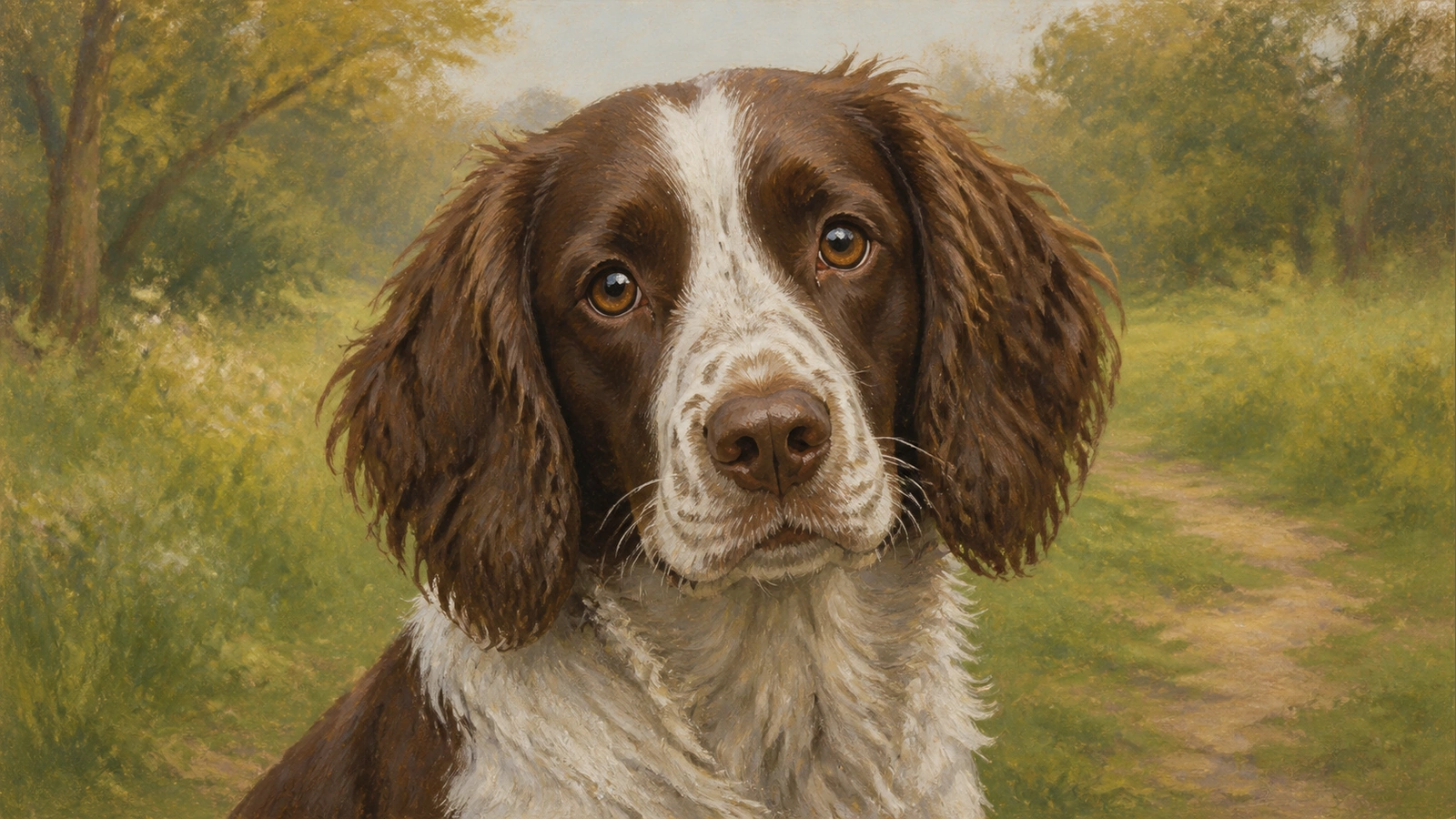
Springadors are highly intelligent, friendly, and playful companions that inherit the affectionate “velcro dog” traits of Labradors and Springer Spaniels. They thrive on human companionship and love to cuddle, though their deep social bonds can lead to separation anxiety. While watchful, they are generally social dogs that greet everyone with a wagging tail.
FRIENDLINESS
Highly Friendly
9 out of 10
ATTACHMENT
Clingy
9 out of 10
PLAYFULNESS
Highly Playful
9 out of 10
TEMPERAMENT FAQ
Are Springadors smart?
Highly Intelligent
9 out of 10
Springadors are highly intelligent, inheriting sharp minds from both Labrador and Springer Spaniel parents. They are eager to please and quick learners, excelling in obedience and agility. To prevent boredom, these smart dogs require consistent positive reinforcement and daily mental stimulation through puzzles or games.
Do Springadors like to cuddle?
Very Affectionate
8 out of 10
Springadors are incredibly affectionate and typically love to cuddle. Inheriting the “velcro dog” traits of both Labradors and Springer Spaniels, they thrive on physical closeness and human companionship. Whether leaning against you or snuggling on the couch after a day of adventures, they are devoted family companions.
Do Springadors get separation anxiety?
Average
5 out of 10
Springadors are highly social and form deep bonds, making them susceptible to separation anxiety if left alone for too long. They thrive on companionship and may express distress through barking or destructive chewing. They are best suited for active households where they aren’t isolated for extended periods.
Do Springadors bark a lot?
Occasional
6 out of 10
Springadors are generally more social than territorial, often greeting strangers with a wagging tail. While they are loyal and can act as alert watchdogs by barking at intruders, they lack strong aggressive instincts. Early socialization ensures their protective nature remains focused on alerting rather than guarding.
Are Springadors protective?
Watchful
4 out of 10
Springadors are generally more social than territorial, often greeting strangers with a wagging tail. While they are loyal and can act as alert watchdogs by barking at intruders, they lack strong aggressive instincts. Early socialization ensures their protective nature remains focused on alerting rather than guarding.


VET INSIGHTS
Springadors are highly social and form deep bonds, making them susceptible to separation anxiety if left alone for too long. They thrive on companionship and may express distress through barking or destructive chewing. They are best suited for active households where they aren’t isolated for extended periods.

Reviewed by
Dr. Vojtech Gabriel
DVM · PhD · MBA
Veterinarian
Researcher
Dog breed specialist
✓
Verified