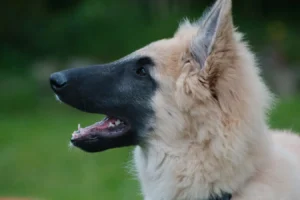
Welsh Springer Spaniel Training Profile
Welsh Springer Spaniels are loyal and intelligent gundogs that respond best to gentle, positive reinforcement. While eager to please, they can be headstrong and sensitive to harsh handling. Consistent routines and early socialization are essential to manage their reserved nature and high energy, ensuring they grow into well-behaved, affectionate companions.
TRAINABILITY
Stubborn
3 out of 10
MENTAL STIMULATION NEEDS
High Needs
8 out of 10
LOVE FOR GRUB
Moderate
5 out of 10
TRAINING FAQ
Are Welsh Springer Spaniels easy to train?
Independent
4 out of 10
Welsh Springer Spaniels are intelligent and eager to please, but their sensitive and independent nature can make training feel challenging. They respond best to consistent, gentle, and positive reinforcement-based methods, as harsh corrections may cause them to shut down. While they learn quickly, their stubborn streak and tendency to get distracted by scents require owners to maintain short, engaging sessions to keep them focused and cooperative.
Are Welsh Springer Spaniels stubborn?
Stubborn
3 out of 10
Welsh Springer Spaniels are intelligent and eager to please, but they possess a notable independent streak that can manifest as stubbornness. They are quick learners who may become bored with repetitive tasks, occasionally choosing to follow their own agenda or tracking a scent instead of obeying commands. Success requires a patient, consistent approach using positive reinforcement and high-value rewards to convince them that cooperation is more rewarding than their own distractions.
How to train a Welsh Springer Spaniel puppy?
Average
6 out of 10
Train your Welsh Springer Spaniel puppy using consistent, patient, and gentle positive reinforcement techniques like treats and praise. Focus on early socialization and basic commands like sit and recall to build confidence. Since they can be stubborn and sensitive, keep sessions fun and avoid harsh punishment. Incorporate short, controlled play and mental games like scent work to engage their intelligent minds while protecting their growing joints.
How difficult is to potty train a Welsh Springer Spaniel puppy?
Challenging
3 out of 10
Potty training a Welsh Springer Spaniel typically takes 4 to 6 months to achieve full reliability. While they are highly intelligent and eager to please, they can also be sensitive and occasionally stubborn, requiring a consistent schedule and positive reinforcement. Establishing a firm routine with frequent outdoor breaks and using crate training are effective strategies to overcome potential training hurdles and ensure success.
How many walks does a Welsh Springer Spaniel need?
Very High
9 out of 10
Welsh Springer Spaniels are energetic sporting dogs that typically require between 60 and 120 minutes of daily exercise. This should ideally include at least two brisk walks supplemented by activities like hiking, swimming, or playing fetch. Because of their strong hunting instincts and tendency to wander, they should be kept on a leash or in a securely fenced area during outdoor activity.
What is the best daily routine for a Welsh Springer Spaniel?
Moderate High
7 out of 10
A Welsh Springer Spaniel’s daily routine should focus on vigorous physical activity and consistent companionship. Provide 1 to 2 hours of daily exercise, split into two brisk walks or jogs, supplemented by off-leash runs, swimming, or games of fetch to satisfy their hunting instincts. Feed adult Welshies twice daily and puppies three to four times to support their active metabolism. Essential care includes checking their feathered coat and ears for debris after outdoor time, plus cleaning ears regularly to prevent infection. Incorporate short, 5-10 minute training sessions or scent games to provide mental stimulation. When their energy needs are met, they are calm and affectionate companions indoors.
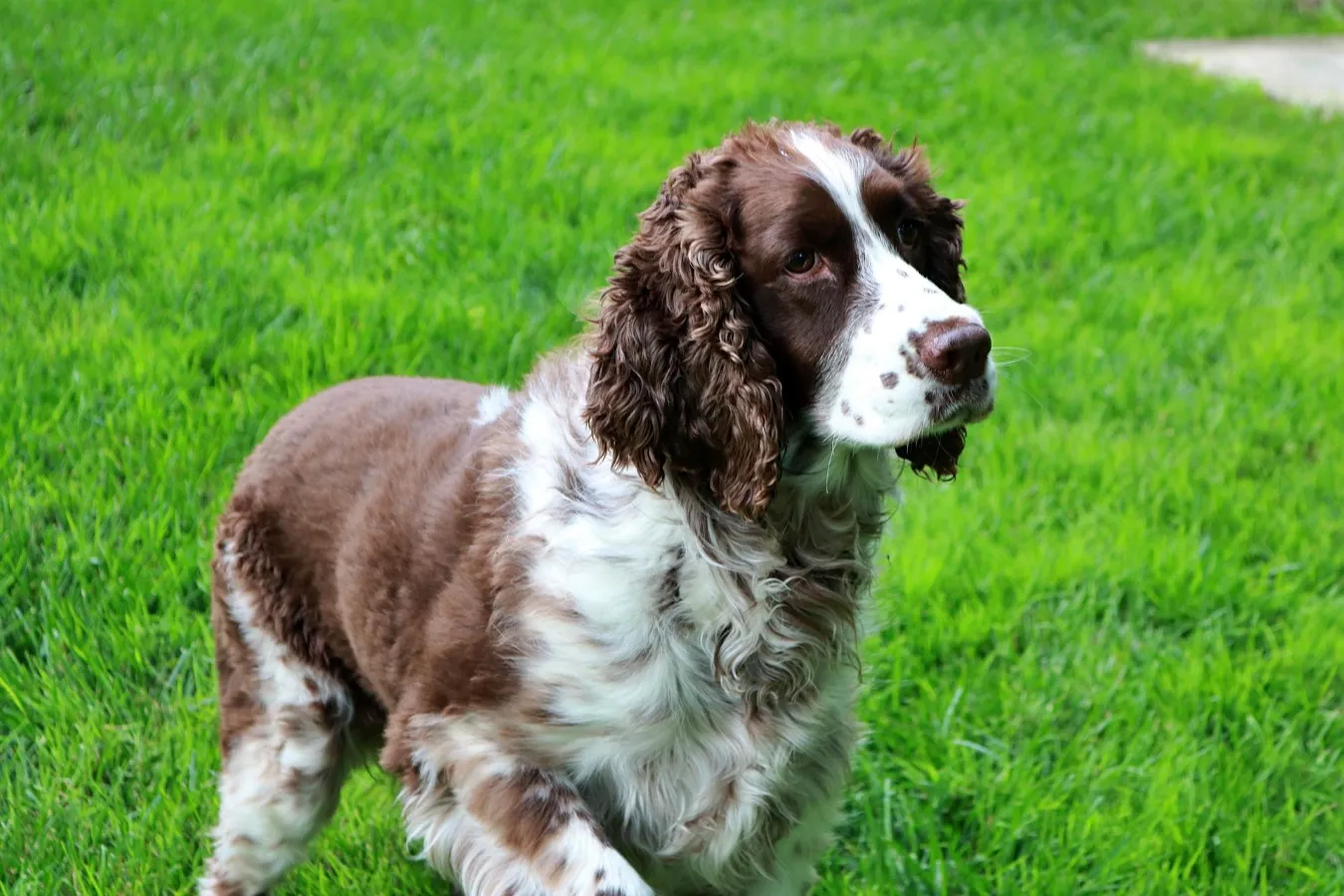
VET INSIGHTS
Welsh Springer Spaniels are intelligent yet headstrong gundogs that thrive on gentle, positive reinforcement. They require significant daily exercise and mental stimulation to manage their high energy. While loyal and affectionate with family, they can be reserved with strangers. Consistent routines are essential for successful training and housebreaking, ensuring they become well-adjusted, active, and devoted companions.

Reviewed by
Dr. Vojtech Gabriel
DVM · PhD · MBA
Veterinarian
Researcher
Dog breed specialist
✓
Verified